
Selecting the right organiser box to store off-season garments in a tropical climate requires a careful balance of material selection, sealing capability, and space planning. High relative humidity levels mean that ambient moisture can easily become trapped inside storage containers, creating an environment where mould, mildew, and musty odours thrive. To protect delicate fabrics, heavy winter wear, or sentimental garments over several months, a rigid, non-porous plastic organiser box equipped with a secure gasket seal is generally the most reliable choice. However, the ideal storage setup depends heavily on where the box will be placed, the specific fabrics being stored, and how you manage the micro-climate inside the container.
Assessing Your Storage Environment and Humidity Risks
Before purchasing any organiser box, evaluate the specific micro-climates within your home. Humidity is not uniform throughout a residential unit. High-risk storage zones include areas directly adjacent to exterior walls, which can experience temperature differentials that encourage condensation, as well as spaces near bathroom doors or windows exposed to rain. Ground-level floors or lower wardrobe shelves also tend to retain more moisture than elevated areas.
Ventilation and airflow patterns around your storage furniture play a critical role in moisture accumulation. Deep walk-in wardrobes, tightly packed built-in closets, and the dark voids under platform beds often suffer from stagnant air. When air cannot circulate freely, humidity levels rise, and any nearby storage container will be subjected to a continuous moisture load.
Products mentioned in this guide
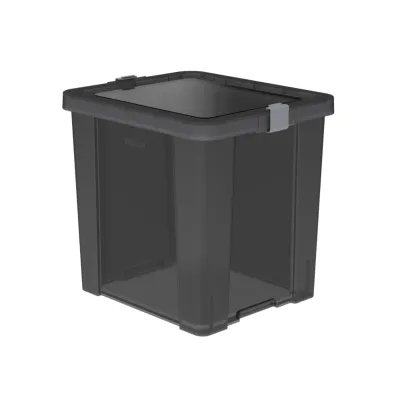
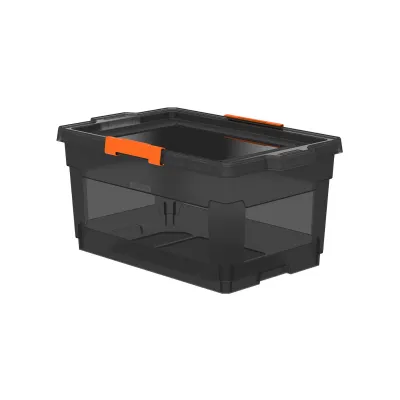
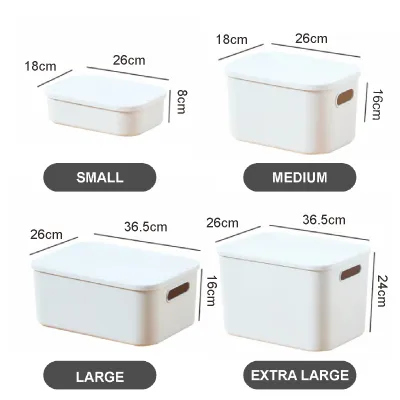
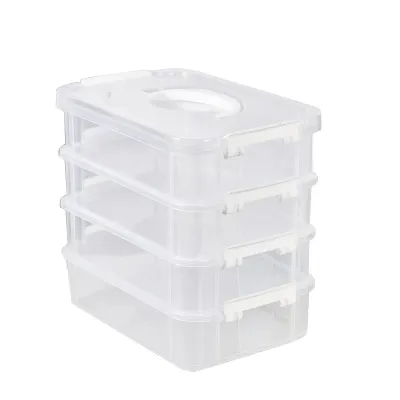
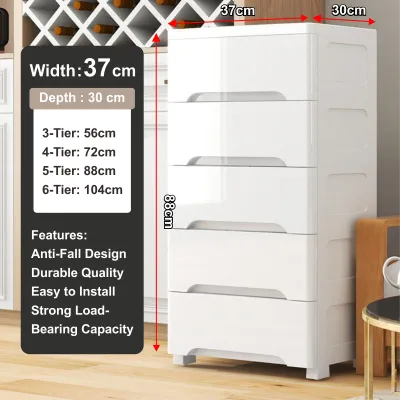
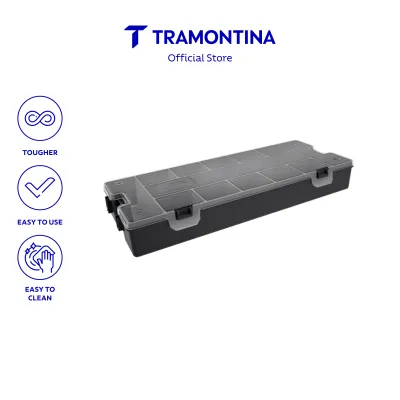
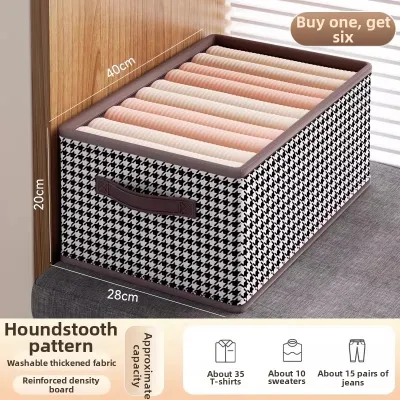
Prices are valid at publication and may change. Please refer to the product page for the latest price.
Understanding how trapped ambient moisture interacts with different fabric types is essential for long-term preservation. Natural fibres such as wool, cashmere, silk, and cotton are highly hygroscopic, meaning they naturally absorb moisture from the surrounding air. If these fabrics are sealed inside a container with high ambient humidity, they become prime breeding grounds for mould spores. Synthetic materials like polyester and nylon are less absorbent but can still trap moisture on their surfaces, leading to mildew growth if the storage environment is not carefully managed.
Essential Features for Moisture Protection
When comparing different organiser box designs, the structural features that prevent moisture ingress should be your primary focus. A standard plastic tub with a loose-fitting lid is rarely sufficient for long-term seasonal storage in humid climates. Instead, look for boxes that feature a dedicated lid sealing mechanism. High-quality options typically incorporate a flexible silicone or rubber gasket embedded along the rim of the lid, paired with multi-point snap-lock latches. This combination creates a tight, physical barrier that prevents humid room air from continuously seeping into the container.

Another valuable design element is a built-in desiccant compartment or an internal raised tray. Some organiser boxes feature a dedicated slot in the lid or base designed to hold silica gel packets or calcium chloride active ingredients. If a box does not have this, look for models with internal grid trays. These trays elevate your clothing slightly above the bottom of the box, ensuring that if any condensation does form or if a moisture absorber leaks, your garments remain dry and separated from the liquid.
Stackability is equally important, especially when maximizing vertical space in a closet or storeroom. However, you must assess the structural integrity of the lid and walls. When multiple boxes are stacked, the weight of the upper containers can cause the lower lids to bow or warp. If a lid warps even slightly, the integrity of the silicone gasket or snap-lock seal is compromised, allowing humid air to enter. Look for reinforced lids with deep nesting grooves that distribute weight evenly across the vertical walls of the box rather than putting pressure on the center of the lid.
Evaluating Organiser Box Materials for Humid Conditions
The material of your organiser box dictates how well it resists moisture penetration and how easy it is to maintain over time. Rigid plastics, such as polypropylene, are highly recommended for humid environments. These materials are completely non-porous, meaning they cannot absorb water from the air. Their smooth interior surfaces resist condensation buildup and can be easily wiped dry and sanitised before packing. When choosing plastic, opt for clear or semi-transparent varieties, as they allow you to inspect the contents and the state of your moisture absorbers without opening the box and breaking the seal.
Fabric, canvas, or non-woven organiser boxes are popular for their aesthetic appeal and flexibility, but they present distinct challenges in humid climates. While these materials are highly breathable, which prevents air from becoming completely stagnant, they also allow ambient humidity to pass freely through the walls. Over time, the fabric of the box itself can absorb moisture from the room, trapping dampness directly against your clothing. If you choose to use fabric boxes, they should only be placed in actively air-conditioned rooms or spaces equipped with continuous dehumidification.
Untreated natural materials, such as raw wood, wicker, rattan, or bamboo, should generally be avoided for long-term seasonal storage in humid conditions. These organic materials are highly porous and naturally retain moisture. In high humidity, untreated wood and wicker can easily harbour mould spores, which can quickly transfer to your stored garments. Additionally, some natural woods can release tannins or acidic vapours over time, which can cause yellowing or staining on delicate fabrics like silk and fine cotton.
Sizing and Space Planning for Closet Storage
Proper space planning is crucial to ensure your organiser boxes fit your home while maintaining a healthy storage environment. Before purchasing any container, measure the finished dimensions of your closet shelves, wardrobe floors, or under-bed clearances. Be sure to account for door hinges, sliding track mechanisms, and light fixtures that might obstruct the entry or exit of the boxes. If you live in a high-rise apartment, also consider the physical access routes, such as lift dimensions and narrow hallway corners, when purchasing exceptionally large storage chests.
Calculating the internal capacity of the boxes should be based on the specific bulk of your seasonal items. Heavy winter coats, down jackets, and thick blankets require large, deep boxes, but packing them too tightly can compress the loft of the insulation. Conversely, light knitwear, summer dresses, and accessories are better suited to shallow, modular boxes that prevent you from having to dig through layers of clothing.
Crucially, you must plan for clearance gaps around the boxes once they are placed in your wardrobe or storage room. Avoid packing boxes tightly against the back or side walls of your closet. Leaving a gap of at least two to three centimetres around each box allows air to circulate freely. This simple step prevents the formation of stagnant, humid micro-climates behind your storage containers, reducing the risk of mould growing on the exterior surfaces of the boxes or the closet walls.
Best Practices for Packing and Long-Term Maintenance
Even the most advanced organiser box cannot protect your clothing if moisture is sealed inside from the start. Before packing, verify that every garment is completely clean and thoroughly dry. Even slightly damp fabric, or clothes with trace amounts of sweat or body oils, will rapidly develop mould and musty odours when sealed in an enclosed space. If you have recently washed your seasonal wear, allow it to air out in a well-ventilated room or under a fan for an extra day before packing.
Once your clothes are ready, select and place appropriate moisture absorbers inside each organiser box. Silica gel packets are excellent for smaller, airtight boxes as they absorb moisture without turning into liquid. For larger containers, calcium chloride containers or hanging bags are highly effective, but they must be placed carefully. Ensure that any calcium chloride absorber is positioned upright and separated from your clothing, as the collected liquid is highly alkaline and can ruin fabrics if a leak occurs.
Finally, establish a regular maintenance schedule. Do not simply pack your seasonal clothes away and forget about them for a year. Schedule a quick visual and olfactory check every three to four months. Open the wardrobe, inspect the exterior of the boxes for any signs of dust or condensation, and look through clear plastic walls to check the colour-change indicators on your silica gel packets or the water level in your calcium chloride absorbers. If you notice a musty smell or saturated desiccants, remove the garments, air them out, replace the moisture absorbers, and reseal the box.
Frequently Asked Questions (FAQ)
Should I use vacuum storage bags inside an organiser box?
Using vacuum storage bags inside a rigid organiser box can be an effective way to save space, but it requires careful execution. Vacuum bags compress bulky items like down jackets and winter blankets, significantly reducing the volume of air inside the package, which naturally limits the amount of moisture available for mould growth. However, plastic vacuum bags are susceptible to micro-punctures or seal failures over time. If a bag loses its vacuum seal in a humid closet, it can slowly draw in damp ambient air and trap it directly against the compressed fabric, creating a high-risk environment for mildew. If you choose this method, inspect the seals regularly and use the vacuum bag inside a gasket-sealed plastic organiser box for double protection.
How often should I check my stored seasonal clothing?
In a highly humid climate, you should conduct a visual inspection of your stored seasonal clothing at least once every three to four months. This interval aligns with the typical lifespan of standard chemical moisture absorbers in enclosed spaces. During these checks, look for any signs of condensation on the inner lid of the organiser box, check if the silica gel packets have changed colour, or verify if the liquid reservoir in your calcium chloride absorbers is full. Additionally, pay attention to any faint musty odours when you open your wardrobe, as this is often the first indicator that moisture has breached your storage containers.

Community discussion
Share your experience or ask a question. Comments are reviewed before publication.