
Finding the perfect adjustable coffee table requires balancing smart space-saving functionality with the visual language of your living room. In compact urban homes, such as apartments and condominiums in Singapore, furniture must often perform double duty—serving as a work desk, a dining surface, and a decorative centerpiece. Selecting a style that complements your existing decor ensures that this highly functional piece does not disrupt the visual harmony of your home.
By understanding how different materials, silhouettes, and adjustment mechanisms interact with your interior design theme, you can make an informed purchase. This guide will walk you through diagnosing your current room aesthetic, matching it with the right table styles, selecting the appropriate mechanism, and verifying physical compatibility before you buy.
Assessing Your Existing Living Room Aesthetic
Before browsing online marketplaces or visiting local showrooms, take a step back to analyze the design elements already present in your living room. Introducing a new furniture piece without assessing your current setup can lead to visual clutter, especially in smaller layouts where every item carries significant visual weight.
Products mentioned in this guide
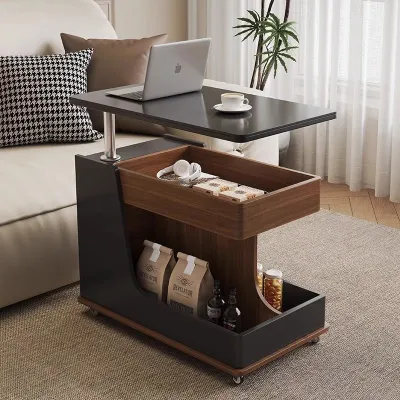
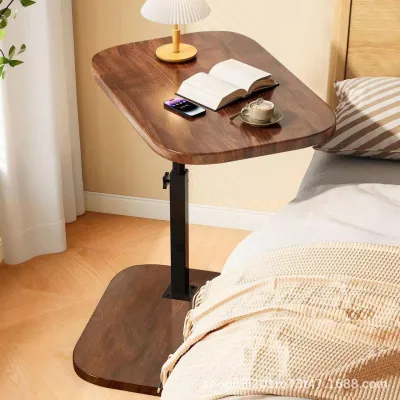
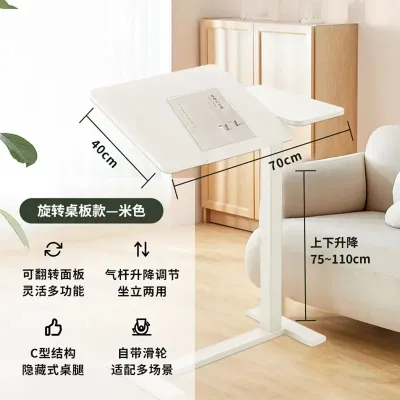
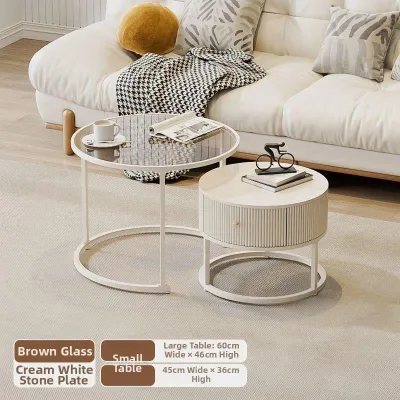
Prices are valid at publication and may change. Please refer to the product page for the latest price.
Begin by identifying the dominant materials and textures in the room. Take note of whether your space features warm, natural wood grains, sleek metallic surfaces, polished stone, or soft, plush fabrics like velvet and bouclé. The existing textures establish a baseline for your new table; for instance, a room dominated by soft textiles might benefit from the grounding presence of a solid wood or metal-framed table.
Next, observe the silhouettes of your larger furniture pieces, particularly your sofa and entertainment unit. Are the lines sharp, geometric, and low-profile, or do they feature rounded edges, ornate carvings, and traditional turned legs? Matching the structural lines of your coffee table to these existing shapes helps maintain a cohesive flow throughout the room.
Finally, determine the overarching color palette and design philosophy of your space. A minimalist room relies on a neutral, restrained color scheme and plenty of open space, whereas an eclectic room embraces contrasting patterns and curated decor. Traditional spaces often favor symmetrical layouts and rich, deep wood tones. Identifying where your room falls on this spectrum will guide you toward the right table finish and structure.
Matching Adjustable Coffee Table Designs to Common Themes
Once you have diagnosed your living room’s aesthetic, you can begin matching it with specific adjustable coffee table designs. Different design movements utilize distinct materials and finishes, which can either seamlessly blend into your room or serve as an intentional accent piece.

For modern and contemporary spaces, look for tables with clean lines and concealed lifting mechanisms. These designs often feature high-gloss or matte lacquer finishes, tempered glass elements, or geometric metal bases that hide the internal hardware. When closed, a contemporary lift-top table should look like a sleek, solid block or a minimalist slab, keeping the mechanical components entirely out of sight to preserve the clean aesthetic.
If your home follows a Scandinavian design philosophy, prioritize light-toned wood veneers such as oak, ash, or beech. Scandinavian style emphasizes simplicity, functionality, and a connection to nature. Look for tables with tapered legs, rounded corners, and simple, unornamented lift-top surfaces. The adjustment hardware should be lightweight and unobtrusive, ensuring the table retains its airy, organic feel even when fully deployed.
Industrial interiors call for a more rugged, utilitarian approach to furniture. For this aesthetic, focus on tables that showcase visible metal hardware, matte black iron frames, and textured wood or concrete-look surfaces. Instead of hiding the lifting or winding mechanisms, industrial designs often celebrate them, featuring exposed rivets, heavy-duty steel brackets, or manual crank handles that add to the raw, workshop-inspired character of the room.
For transitional and traditional homes, seek out classic wood grain patterns, such as walnut or cherry, paired with softer, more classic silhouettes. These tables often incorporate traditional design details like bevelled edges, framed side panels, or subtle brass and bronze-toned hardware accents. A traditional adjustable table should look like a timeless piece of living room furniture first, with its modern lifting or expanding capabilities subtly integrated so as not to disrupt the classic ambiance.
Choosing the Right Adjustability Mechanism for Your Lifestyle
An adjustable coffee table’s mechanism determines how you will interact with the piece daily. Choosing the right mechanism is not just about aesthetics; it is about supporting your lifestyle habits, whether you use your living room for remote work, casual dining, or hosting social gatherings.
Lift-top mechanisms are highly popular for those who frequently work or dine from the sofa. These tables feature a top surface that lifts upward and forward on a mechanical arm, bringing the tabletop closer to your seated position. When selecting a lift-top model, ensure the mechanism operates smoothly and features a soft-close function to prevent fingers from getting pinched and to protect the table frame from impact.
Nesting or expandable tables offer excellent flexibility for hosting guests without permanently occupying valuable floor space. These designs allow you to slide out secondary surfaces or unfold hidden leaves when you need extra room for drinks and snacks. When the gathering is over, the table tucks back into a compact footprint, making it an ideal choice for maintaining open walking paths in cozy living areas.
Height-adjustable pedestal bases utilize gas-lift or manual winding systems to transition the entire tabletop vertically. This mechanism allows you to convert a standard-height coffee table into a full-height dining or laptop table. If you live in a studio apartment or a home without a dedicated dining room, a pedestal-style adjustable table can easily bridge the gap between a relaxed lounge setup and a formal dining arrangement.
Verifying Dimensions, Clearance, and Stability Before Purchase
Before finalizing your purchase, you must verify that the table physically fits your space in all of its operational states. An adjustable table changes its footprint and height, meaning standard static measurements are not sufficient to guarantee a proper fit.
Always measure the table’s dimensions in both its fully collapsed and fully expanded or lifted states. When a lift-top table is deployed, the top moves not only upward but also outward, often extending by 20 to 30 centimeters toward your seating. Use painter’s tape on your living room floor to map out these dual footprints, ensuring you still have comfortable legroom and clearance when the table is fully extended.
Next, check the clearance around your surrounding furniture. Ensure there is a comfortable walking path of at least 30 to 45 centimeters between the coffee table and your sofa or television console when the table is closed. Additionally, consider the height of your sofa cushions; a lift-top surface should ideally sit at a comfortable height relative to your chest when you are seated, allowing you to work or eat without straining your shoulders.
Finally, review the manufacturer’s specifications regarding weight limits, base stability, and assembly conditions. Lift-top and expandable tables experience a shift in their center of gravity when extended, making base weight and construction quality crucial for safety. Look for tables with sturdy, weighted bases or wide leg spans to prevent tipping, especially if you plan to place laptops, heavy serving dishes, or decorative items on the extended surface.
Frequently Asked Questions (FAQ)
Can I mix an industrial adjustable table with a modern sofa?
Yes, you can successfully pair an industrial adjustable table with a modern sofa by focusing on shared design elements. To bridge the two styles, look for a table that features clean, geometric lines alongside its industrial metal frame, or choose a sofa with metal legs that match the finish of the table hardware. Keeping the color palette cohesive—such as pairing a charcoal grey modern sofa with a dark wood and black iron table—helps unify the pieces and balances the visual weight of the room.
Do lift-top coffee tables require special rug considerations?
Yes, lift-top coffee tables require careful rug selection to ensure smooth operation and safety. Because these tables shift their center of gravity when extended, they must sit on a stable, level surface. Avoid high-pile or shag rugs that can cause the table legs to sink unevenly or interfere with low-clearance bases. Additionally, always use a high-quality, non-slip rug pad underneath your area rug to prevent the entire setup from sliding or shifting when you pull the tabletop upward.
Community discussion
Share your experience or ask a question. Comments are reviewed before publication.