
Choosing the right wooden clothes rack for a compact Singapore apartment requires balancing physical dimensions, storage capacity, and visual weight. In HDB flats and condominiums where floor area is at a premium, an oversized or poorly positioned rack can quickly make a room feel cramped and disrupt daily foot traffic. By focusing on precise measurements, selecting the appropriate structural design, and verifying material stability, you can find a functional piece that complements your interior without overwhelming your living space.
Measure Your Available Space Before Buying
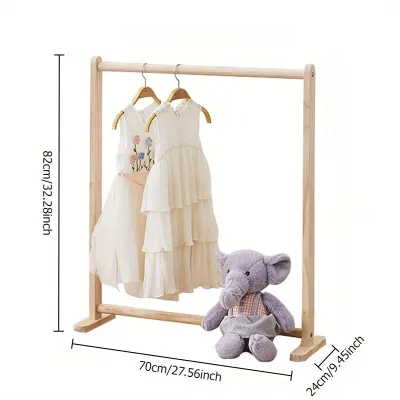
Before browsing online marketplaces or visiting local showrooms, you must establish the exact physical boundaries of your intended placement area. Start by measuring the maximum floor footprint you can allocate to the rack, keeping in mind that the base of freestanding models often extends wider than the hanging rail itself. Additionally, measure the vertical clearance from the floor to the ceiling or any low-hanging fixtures, ensuring there is enough overhead space to hang longer garments like dresses or coats without them dragging on the floor.
Equally important is verifying the delivery pathway from the building entrance to your apartment door. Measure the width and height of your estate’s elevator doors, any tight turns in the common corridor, and your front entryway to ensure the packaged or pre-assembled furniture can physically enter your home. If you live in a walk-up apartment, assess the stairwell clearance and landing angles to prevent delivery complications.
Products mentioned in this guide

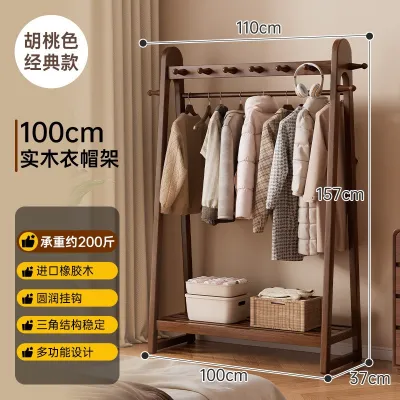
![[✅SG Ready Stock] 100% solid wood Wooden Clothes Hanger Rack Nordic Style Clothes Hanger Hook Bedroom Coat Stand Rack](https://img.lazcdn.com/g/p/bbece1e2bb0c1ed5d9639694a9d061dd.png_400x400q80.png_.webp)
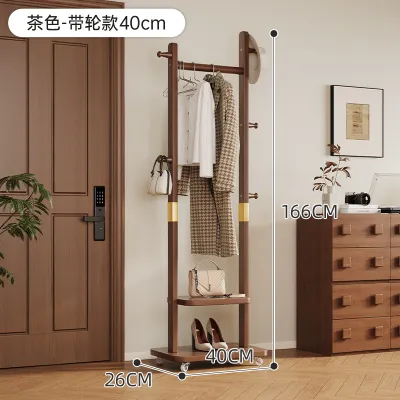
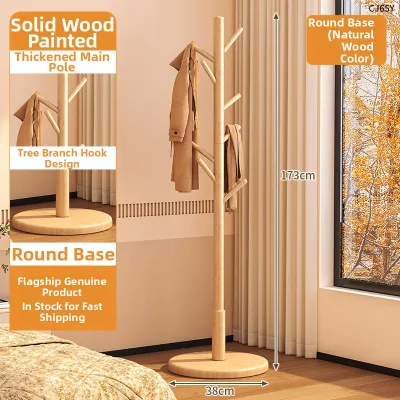
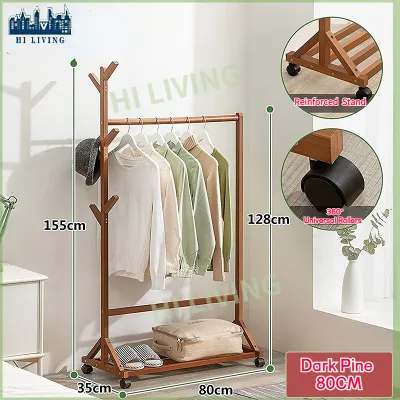
![[SG Stock]Solid wood floor to ceiling coat rack Solid wood floor hanger Bedroom floor rack Coat hanger hook Hat rack](https://img.lazcdn.com/g/p/3ec41db01f259c42b47876ebb62f36d3.jpg_400x400q80.jpg_.webp)
Prices are valid at publication and may change. Please refer to the product page for the latest price.
Finally, account for the functional clearance required for daily living around the rack. Ensure there is sufficient walking space—ideally at least 60 to 90 centimeters of clear pathway—so you do not have to squeeze past the rack. Check that the rack does not obstruct the swing path of bedroom doors, wardrobe doors, or nearby cabinet drawers, allowing all furniture in the room to open fully and safely.
Compare Freestanding, Wall-Mounted, and Corner Designs
The structural layout of your apartment will largely dictate which style of wooden clothes rack is most practical for your home. Freestanding wooden clothes racks offer the highest level of flexibility, allowing you to rearrange your room layout or move the rack to another area whenever your needs change. This design is particularly advantageous for renters who want to avoid drilling into walls or those who prefer a non-permanent storage solution that can be easily packed up during a move.

For homes with extremely limited floor space, wall-mounted wooden racks provide an excellent alternative by keeping the floor completely clear. This setup creates a more open, spacious feel and makes floor cleaning much easier, but it requires careful preparation before installation. You must verify your wall material—such as concrete, brick, or drywall—and use the appropriate anchors and screws recommended by the manufacturer to ensure the rack remains securely attached under load. Additionally, if you are renting, you must check your tenancy agreement to confirm whether drilling into the walls is permitted.
Corner wooden clothes racks are specifically engineered to utilize the often-underused angular spaces in compact bedrooms or entryways. By fitting snugly into a 90-degree corner, these racks maximize storage capacity without encroaching on the main walking paths of the room. They are highly efficient for small layouts, though they may limit your placement options to specific corners of the apartment and require precise corner measurements to ensure a flush fit.
Balance Hanging Capacity with Visual Weight
To prevent your small apartment from feeling cluttered, you must balance your actual wardrobe storage needs with the visual impact of the furniture. Begin by estimating your required hanging capacity based on your current garment volume, keeping in mind that standard hangers typically require about 3 to 5 centimeters of rod space each to prevent clothes from becoming crushed. Avoid purchasing a rack with a rod that is too short for your daily essentials, as overcrowding the rail can strain the joints and make it difficult to find items.
A highly efficient way to maximize utility without increasing the rack’s footprint is to choose a design that combines a hanging rod with integrated open shelving. Lower shelves can hold storage boxes, shoes, or folded items, while upper shelves can accommodate less frequently used accessories. This multi-functional approach reduces the need for separate storage units, keeping your floor plan clean and organized.
The visual weight of the wooden frame also plays a significant role in how spacious your room feels. Opt for racks with slender, clean-lined wooden frames and open structures rather than bulky, solid-sided designs. Light-colored woods, such as rubberwood, light oak, or beech, reflect more light and help maintain an airy, open atmosphere in compact rooms, whereas dark, heavy frames can make a small space feel instantly smaller and more enclosed.
Check Wood Materials, Finishes, and Stability
Evaluating the materials and construction of a wooden clothes rack is essential for ensuring long-term durability and safety. When choosing between solid wood and engineered wood, consider the trade-offs in weight, cost, and structural integrity. Solid wood options generally offer superior strength and longevity, making them less prone to bending under heavy loads, though they are often heavier to move and carry a higher price point. Engineered wood, such as medium-density fiberboard (MDF) with a wood veneer, can be a budget-friendly and lightweight alternative, but you must check the manufacturer’s specifications to ensure the joints are reinforced and capable of supporting your clothes.
Given Singapore’s humid tropical climate, the surface finish of the wood is a critical factor in preventing moisture damage. Look for racks treated with a protective water-resistant sealant, lacquer, or polyurethane coating that shields the wood from ambient humidity and makes cleaning simple. A well-finished surface can be easily wiped down with a dry or slightly damp microfiber cloth, preventing dust buildup and protecting the wood fibers from swelling or warping over time.
Stability is paramount to prevent accidental tipping, especially when the rack is fully loaded with garments. Examine the base design of freestanding models; a wider, heavier base or an A-frame structure generally provides a lower center of gravity and better resistance to tipping. If you select a tall or top-heavy rack, check if the manufacturer includes anti-tip hardware or wall-anchoring straps, which allow you to secure the unit to the wall for added safety and peace of mind.
Common Sizing and Placement Mistakes to Avoid
Avoiding common placement errors can save you from daily frustration and potential safety hazards. One frequent mistake is positioning the clothes rack directly in front of air conditioning units, windows, or ventilation grilles. Blocking these areas can restrict airflow, reduce the cooling efficiency of your air conditioner, and expose your hanging clothes to direct sunlight or condensation, which may cause fabric fading or moisture issues.
Another critical error is overloading the rack beyond the manufacturer’s stated weight limits. Distributing weight unevenly or hanging heavy bags on one side can compromise the structural integrity of the wood and cause the rack to lean or collapse. Always check the load capacity guidelines provided by the manufacturer and distribute your garments evenly across the entire length of the rod.
Lastly, many buyers forget to account for the physical space required to assemble the rack inside the room. If the rack arrives flat-packed, you will need a clear floor area that is larger than the finished dimensions of the rack to safely lay out the parts and use assembly tools. Ensure you have enough room to maneuver during assembly, or check if the retailer offers professional installation services to avoid damaging your walls or floors during the setup process.
Frequently Asked Questions (FAQ)
Can a wooden clothes rack support heavy winter coats?
Yes, a well-constructed wooden clothes rack can support heavy winter coats, provided you verify the manufacturer’s maximum load capacity before hanging them. Solid wood frames and thicker hanging rods are generally better suited for heavy garments than thin engineered wood alternatives. To maintain stability and prevent the rod from bowing, distribute the weight evenly by placing heavier coats closer to the vertical support posts rather than clustering them all in the center of the rail.
How do I protect a wooden rack from humidity?
To protect your wooden clothes rack from Singapore’s high humidity, place it in a well-ventilated area away from direct moisture sources, such as bathroom doors or open windows during rainstorms. Ensure your room has adequate airflow, and consider using a dehumidifier if the space tends to trap moisture. For maintenance, follow the manufacturer’s care instructions, which typically recommend wiping the wood with a dry cloth and avoiding harsh chemical cleaners that could strip away the protective water-resistant finish.
Community discussion
Share your experience or ask a question. Comments are reviewed before publication.