
Managing wet footwear in a tropical, high-humidity climate like Singapore requires a deliberate approach to material selection, ventilation, and moisture management. Sudden afternoon downpours and humid outdoor conditions mean shoes frequently return home soaked, muddy, or damp. Storing these wet items in standard household furniture often leads to a cascade of problems, including warped materials, persistent musty odors, and destructive mold growth. To maintain a clean, hygienic, and organized entryway, homeowners must transition to specialized waterproof shoe cabinets designed to handle constant moisture.
Choosing the right waterproof shoe cabinet involves evaluating specific material properties, structural designs, and ventilation mechanisms. Non-porous materials such as high-density plastics, powder-coated metals, and treated composites form the foundation of a durable wet-storage solution. When paired with active or passive airflow features and integrated drainage systems, these cabinets protect both your footwear collection and your home’s flooring. This comprehensive guide outlines the critical factors to evaluate, from material durability and structural styles to installation clearances and maintenance routines, helping you select a cabinet that keeps your entryway dry and odor-free.
Why Standard Cabinets Fail with Wet Footwear
Standard household furniture is typically designed for dry storage, relying on materials like medium-density fibreboard (MDF), particleboard, or untreated softwoods. These engineered wood products are composed of compressed wood fibers held together by synthetic resins and adhesives. When wet shoes are placed inside these enclosed spaces, the porous wood fibers rapidly absorb moisture through capillary action. This absorption causes the core material to swell, warp, and lose its structural integrity, leading to bubbling laminates and crumbling joints that cannot be repaired.
Products mentioned in this guide
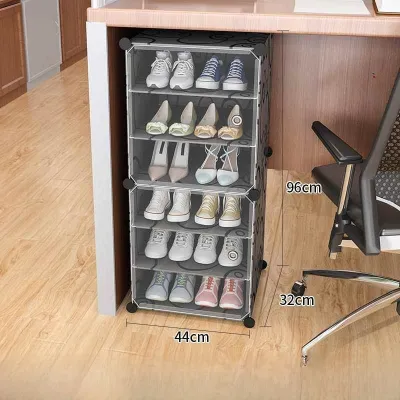
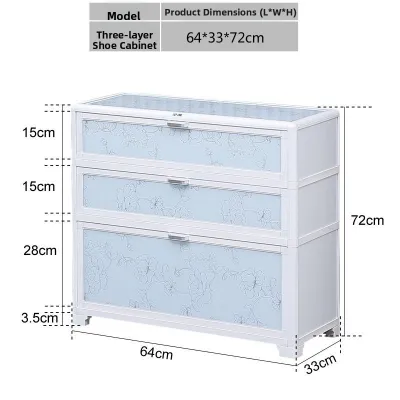
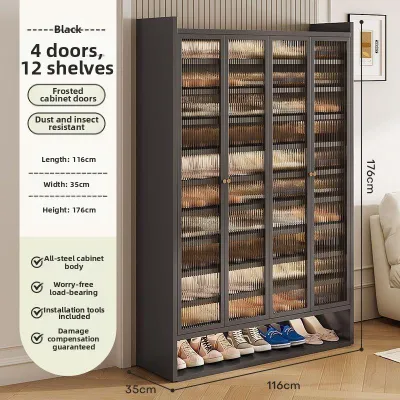
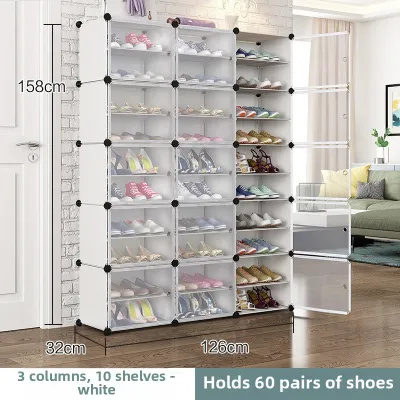
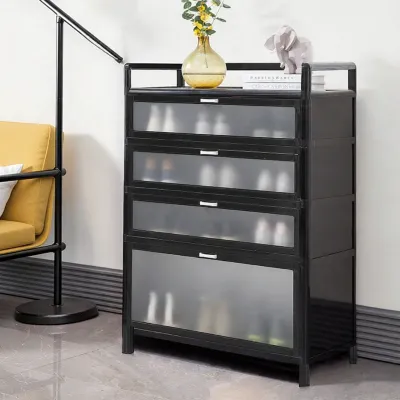
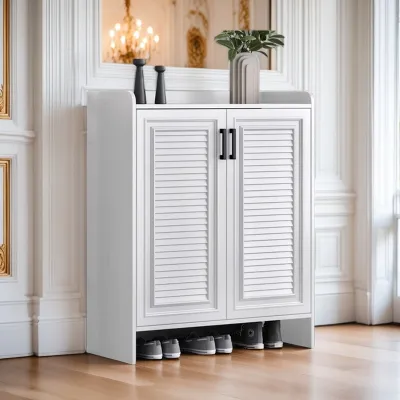
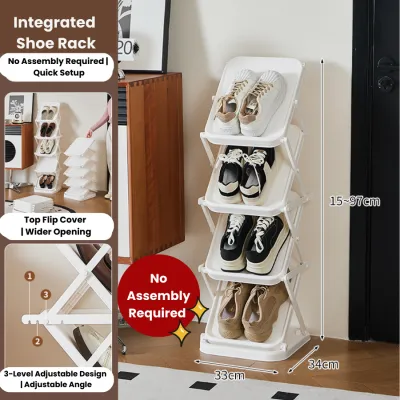
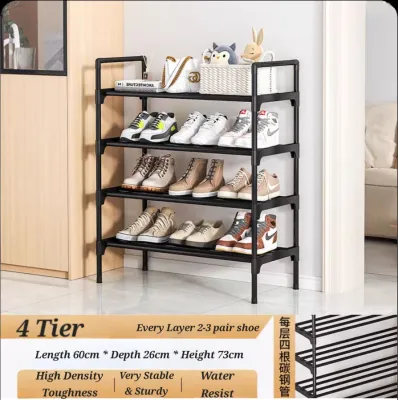
Prices are valid at publication and may change. Please refer to the product page for the latest price.
Beyond material degradation, enclosed and unventilated spaces create a high-humidity microclimate that is highly conducive to mold and mildew growth. Wet shoes carry organic matter, dirt, and sweat, which serve as nutrients for fungal spores. When locked in a dark, damp environment, these spores multiply rapidly, spreading from the cabinet walls to your footwear collection. This microbial activity not only ruins expensive leather and canvas shoes but also releases musty odors and airborne allergens directly into your living space.
Standard metal hardware components, such as hinges, screws, and shelf brackets, are also highly susceptible to rust when exposed to persistent moisture. As these hardware pieces corrode, doors may sag, shelves can lose their structural support, and rust stains can permanently transfer onto your shoes. The combination of structural warping, fungal growth, and hardware corrosion highlights why standard indoor cabinets are fundamentally unsuited for managing wet footwear, necessitating a dedicated waterproof solution.
Core Features to Evaluate in a Waterproof Shoe Cabinet
When searching for a reliable waterproof shoe cabinet, the material composition is your first line of defense against moisture damage. High-density polyethylene (HDPE) and polypropylene (PP) plastics are inherently waterproof, chemically inert, and highly resistant to rot, making them excellent choices for wet environments. Alternatively, powder-coated steel or stainless steel units offer exceptional structural strength and rust resistance. If you prefer a wood-like aesthetic, wood-plastic composites (WPC) combine the natural look of wood with the water-resistant properties of synthetic polymers.

Ventilation is equally critical to prevent humidity buildup and facilitate the natural drying process of your footwear. Look for cabinets featuring louvered doors, mesh panels, or open-back designs that encourage continuous, passive airflow. Louvered doors utilize angled slats to allow air to circulate freely while blocking direct sight and dust from entering the cabinet. Mesh panels or wire backings maximize air exchange, ensuring that damp air is constantly replaced with dry ambient air, which significantly reduces the risk of stagnant moisture and odor accumulation.
Effective moisture management features help contain water, mud, and debris brought in from the outdoors, protecting your home’s flooring. Removable drip trays placed at the bottom of the cabinet catch runoff from wet soles, preventing water from pooling on your tiles or seeping into floor joints. Slatted or mesh shelves are also highly beneficial, as they allow water to drain downward toward the drip tray while maximizing air circulation around the entire shoe, including the sole. Some advanced designs even feature sloped bottoms that channel water directly toward a front-facing drainage point for easy cleaning.
Cabinet Styles Suited for Wet and Muddy Shoes
Open or semi-open shoe racks are highly effective for immediate air drying and high-traffic entryways where shoes are constantly in use. These designs prioritize maximum airflow, allowing wet shoes to dry naturally without trapping moisture or odors. Many open racks feature integrated, slide-out drip trays at the base, making it simple to collect and discard rainwater or mud without staining your entryway tiles. While open racks keep your footwear visible, their drying efficiency and ease of access make them an incredibly practical choice for active households.
For shared corridors, apartment hallways, or main entryways where you prefer to keep footwear out of sight, enclosed cabinets with passive ventilation offer a clean, uncluttered aesthetic. These units feature solid doors with integrated ventilation slots, breathable mesh backings, or perforated side panels. This design conceals your shoes while still allowing sufficient air exchange to prevent mold growth and musty smells. When selecting an enclosed cabinet, ensure it has multiple ventilation points to prevent stagnant air pockets from forming in the upper corners.
If you plan to store footwear on an open balcony, patio, or outdoor corridor, look for outdoor-grade storage units. These cabinets are constructed from UV-stabilized plastics or heavy-duty powder-coated metals designed to withstand direct weather exposure, high humidity, and temperature fluctuations. They typically feature sloped tops to shed rainwater and tightly sealed joints to prevent external water from entering, while still incorporating protected ventilation paths to let internal moisture escape. These units are ideal for keeping muddy boots and wet outdoor gear completely outside the main living areas.
Space, Clearance, and Installation Checks Before Buying
Before purchasing a waterproof shoe cabinet, carefully measure your intended installation space, taking into account the door swing radius and walkway clearance. In tight entryways or shared apartment corridors, a cabinet door that opens outward can obstruct foot traffic or violate local fire safety guidelines regarding clear passage. Consider sliding doors, open-shelf designs, or tilt-out shoe drawers as excellent space-saving alternatives that do not compromise on storage capacity or ventilation.
Verify the manufacturer’s specified weight capacity per shelf and for the overall unit, especially if you store heavy work boots, wet leather shoes, or have a large family collection. Wet footwear is significantly heavier than dry shoes, and overloading shelves can lead to bowing, joint separation, or tipping hazards. Tall, narrow shoe cabinets can become top-heavy when loaded with heavy wet shoes on the upper shelves, making wall anchoring a crucial safety step, particularly in homes with children or pets.
Ensure the cabinet is installed on a level surface to maintain stability and prevent water from pooling unevenly in the drip trays. If placing the unit on a balcony or outdoor area, check that the feet are adjustable to compensate for sloped drainage floors. Additionally, consider using protective floor mats beneath the cabinet to shield your flooring from any accidental moisture overflow during heavy rain, and ensure there is a small gap between the cabinet and the wall to allow air to circulate behind the unit.
Maintenance and Mold Prevention Routines
Maintaining a hygienic shoe cabinet requires a regular cleaning routine to prevent mold, mildew, and bacteria from taking hold. Wipe down the interior shelves, corners, and doors weekly with a damp cloth and a mild, non-abrasive disinfectant or a mixture of water and white vinegar, which naturally kills mold spores. Ensure the cabinet is completely dry before restocking it with shoes, leaving the doors open for a few hours to facilitate drying.
Empty and sanitize the removable drip trays regularly to prevent standing water from becoming a breeding ground for mosquitoes or mold. You can place commercial moisture absorbers, silica gel packs, or activated charcoal bags inside enclosed units to help manage humidity, ensuring they are positioned where they do not block the built-in ventilation vents. These absorbers should be replaced or refreshed according to the manufacturer’s instructions to maintain their effectiveness.
Periodically inspect the cabinet for early signs of wear, such as peeling powder coatings, hairline cracks in plastic panels, or stubborn mold spots. If you notice rust forming on metal components or structural bowing in the shelves, consult the manufacturer’s care instructions or warranty guidelines to determine if parts need replacement. Addressing these minor issues early prevents structural failure and ensures your cabinet remains a safe, hygienic storage solution for years to come.
Frequently Asked Questions (FAQ)
Can I use a wooden shoe cabinet if I apply a waterproof sealant?
While applying a waterproof sealant, varnish, or polyurethane coating to a wooden shoe cabinet can provide temporary surface resistance, it is generally not a reliable long-term solution for frequent wet shoe storage. Moisture can still penetrate through joints, screw holes, and raw edges where the sealant may not have adhered perfectly, leading to internal wood rot, swelling, and structural failure.
Additionally, DIY modifications often void the manufacturer’s warranty and may not withstand the constant friction of sliding shoes and abrasive dirt. For households with high moisture storage needs, investing in a cabinet constructed from inherently waterproof materials like high-density plastics or powder-coated metals is a safer, more durable, and maintenance-free choice.
How do I dry wet shoes quickly before putting them in the cabinet?
To minimize the moisture load and humidity inside your cabinet, it is best to pre-dry extremely wet shoes before storing them. Stuffing the interiors with crumpled newspaper or using cedar shoe trees helps absorb internal moisture quickly while maintaining the shoe’s shape. You can also place the shoes on an open-air drying rack outside the cabinet for a few hours to remove the bulk of the moisture.
Avoid placing wet shoes near direct heat sources like radiators or using high-heat hair dryers, as extreme heat can degrade shoe adhesives, warp synthetic materials, and crack leather. Allow shoes to air-dry in a well-ventilated, shaded area before transferring them to an enclosed cabinet, ensuring they are reasonably dry to prevent mold growth.
Are plastic shoe cabinets durable enough for heavy outdoor boots?
High-quality plastic shoe cabinets made from thick-gauge polypropylene or reinforced resins are highly durable and capable of supporting heavy outdoor boots. When shopping, look for units that feature reinforced internal ribs, metal-reinforced shelving, or a modular interlocking design that distributes weight evenly across the structure.
Always check the manufacturer’s rated weight capacity per shelf to ensure it matches your storage needs, as cheaper, thin-walled plastic units may bow or crack under heavy loads. If you notice signs of structural stress, such as bowing shelves, cracking joints, or doors that no longer align properly, reduce the load immediately to prevent the unit from collapsing or tipping.
Community discussion
Share your experience or ask a question. Comments are reviewed before publication.