
Choosing a wall display cabinet style that complements your home interior requires balancing your room’s existing design language, the physical limitations of your walls, and the practical storage or display needs of your household. In compact living environments, such as apartments or HDB flats in Singapore, a wall cabinet is not merely decorative; it is a vital space-saving tool that draws the eye upward and frees up valuable floor area. To find the right match, you must evaluate your current interior theme—whether it is sleek and modern, warm and Scandinavian, or richly traditional—and cross-reference these aesthetics with structural realities like wall load capacity and moisture resistance.
Assess Your Room's Existing Decor and Spatial Layout
Before browsing designs, analyze the dominant visual elements already present in your room. Look at your primary color palette, the undertones of your existing wooden furniture, and the metal finishes on light fixtures or door handles. A new wall cabinet should either harmonize with these elements or serve as a deliberate, well-curated accent piece.
Consider the visual weight of the room. Visual weight refers to how much attention an object attracts based on its size, color, and texture. If your room is already filled with dark, heavy furniture, a bulky, dark-stained wooden wall cabinet might make the space feel cramped and closed-in. Conversely, in a bright, airy room, an ultra-minimalist glass cabinet might get lost unless it is framed by a contrasting wall color.
Products mentioned in this guide
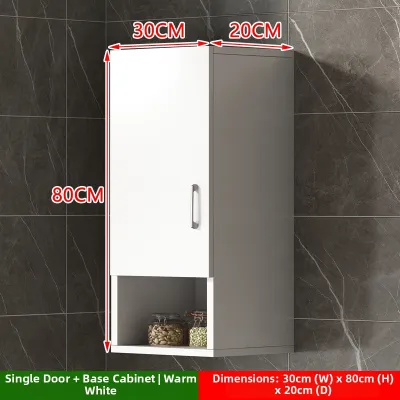
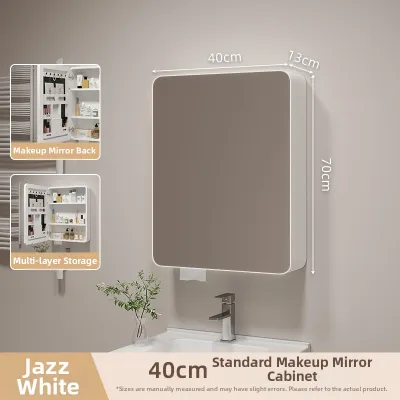
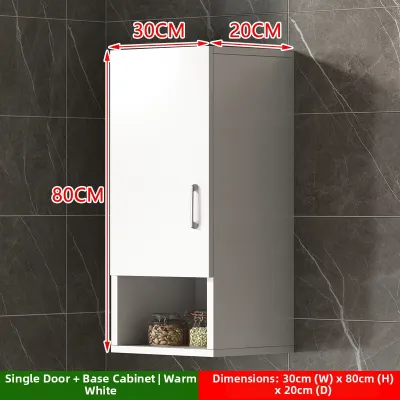
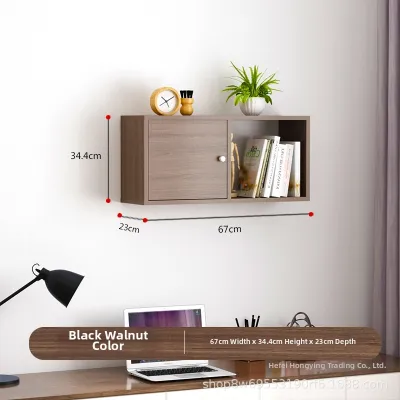

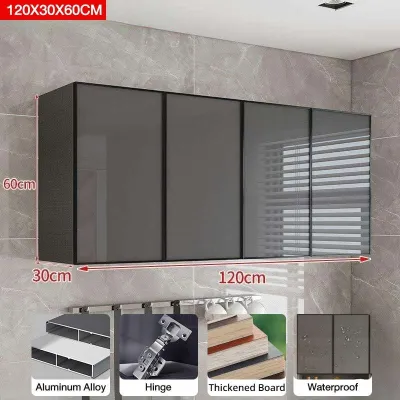
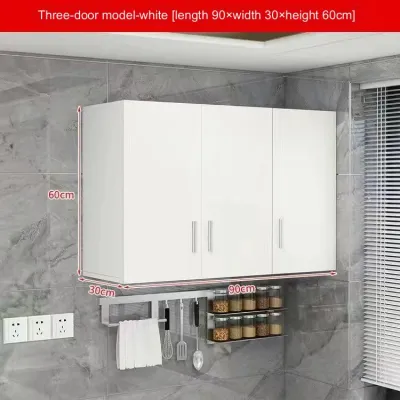
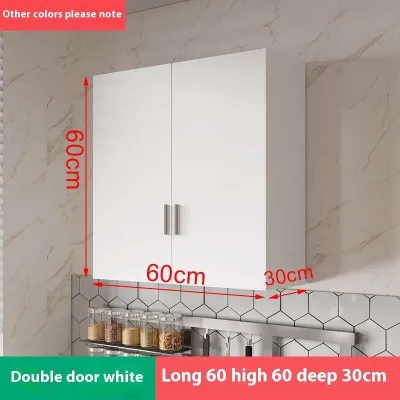
Prices are valid at publication and may change. Please refer to the product page for the latest price.
Evaluate the room’s primary function and layout. In a dining area, the cabinet might hold heavy dinnerware, requiring robust shelving and a design that complements your dining table. In a living room, it might display delicate collectibles or books, where integrated lighting and glass doors become more important.
Take note of architectural features and environmental conditions. High ceilings allow for taller, more vertical cabinet profiles, while standard or lower ceilings benefit from horizontal, floating designs that stretch the room visually. Additionally, observe the natural light in the room; glossy finishes can create distracting glare near large windows, while matte surfaces absorb light and offer a softer appearance.
Furthermore, consider the traffic flow around the proposed installation site. A wall cabinet that protrudes too far into a narrow hallway or dining area can disrupt movement and make the room feel congested. Mapping out the cabinet’s footprint on the wall using painter’s tape can help you visualize its physical presence before committing to a purchase.
Match Wall Cabinet Styles to Your Interior Theme
Selecting the right design language ensures your wall cabinet feels like an organic extension of your home rather than an afterthought. The goal is to identify the core visual traits of your preferred interior theme and match them to corresponding cabinet materials, hardware, and silhouettes.

While matching is the safest route, introducing a contrasting style can create a striking focal point. For example, placing a rustic, textured wooden cabinet in an otherwise clean, contemporary room adds instant character, provided there is a unifying element like color or scale to anchor it.
Let us explore the most prominent interior design styles and how wall cabinets can be selected to complement each unique aesthetic.
Modern and Minimalist Designs
Modern and minimalist interiors prioritize clean lines, uncluttered surfaces, and functional simplicity. If your home features handleless kitchen cabinets, neutral color schemes, and low-profile furniture, a minimalist wall cabinet is a practical choice.
Look for cabinets with flat-panel doors, integrated push-to-open mechanisms, or concealed hinges. These features eliminate visual clutter, allowing the cabinet’s silhouette to blend seamlessly into the wall. Frameless glass doors are also excellent for this style, offering an unobstructed view of the items inside.
Material selection should lean toward smooth, uniform finishes. Matte laminates, high-gloss acrylics, or satin-painted surfaces work exceptionally well. If you prefer wood, choose engineered wood with a highly consistent veneer pattern rather than highly figured, rustic grains.
Inside the cabinet, focus on structured shelving and integrated LED strip lighting. Thin, adjustable glass shelves enhance the floating, weightless feel of a modern display, while recessed lighting highlights your items without exposing bulky light fixtures.
Industrial and Rustic Aesthetics
Industrial and rustic styles celebrate raw, unrefined materials, structural honesty, and historical character. This aesthetic is common in loft-style apartments, creative workspaces, or homes that embrace a warm, eclectic feel.
When shopping for an industrial wall cabinet, seek out combinations of dark metal frames and textured wood. Matte black powder-coated steel, exposed rivets, and wire-mesh door inserts are classic industrial markers. For a rustic touch, look for distressed wood finishes, visible wood grains, or reclaimed timber textures.
Hardware plays a significant role in this style. Instead of hidden hinges, look for prominent latch mechanisms, sliding barn-door hardware, or heavy-duty iron pulls. These tactile details add a sense of craftsmanship and durability to the piece.
Because industrial materials carry significant visual weight, balance is crucial. A heavy iron and dark oak cabinet can dominate a small room. To prevent this, pair the cabinet with neutral wall colors, soft textiles, or open shelving sections that allow the wall behind to show through, softening the overall impact.
Scandinavian and Japandi Influences
Scandinavian and Japandi (a fusion of Japanese minimalism and Scandinavian warmth) styles focus on comfort, natural light, organic materials, and functional simplicity. These designs are highly popular in modern urban homes due to their ability to make spaces feel bright, calm, and spacious.
Prioritize light-toned woods such as oak, ash, beech, or high-quality birch veneers. The natural wood grain should remain visible, celebrating minor imperfections rather than hiding them under heavy stains or glossy lacquers.
Look for simple, tapered profiles, rounded edges, or floating designs that keep the floor underneath clear. Hardware should be subtle and organic—think small wooden knobs, recessed finger pulls, or slim leather tabs that add warmth without introducing cold metal textures.
Finishes should remain matte, oiled, or lightly whitewashed. These low-sheen surfaces interact beautifully with natural light, diffusing it gently throughout the room rather than reflecting harsh glare, which helps maintain a serene, cozy atmosphere.
Traditional and Classic Profiles
Traditional and classic interiors emphasize symmetry, refined elegance, and historical architectural details. If your home features crown molding, classic paneling, or antique furniture, a traditional wall cabinet will complete the look.
Key features to look for include raised-panel doors, decorative crown molding at the top, and elegant base details. Hardware should be classic and ornamental, such as antique brass, brushed bronze, or detailed ceramic knobs and pulls.
Richer, deeper wood stains like walnut, cherry, or dark mahogany are staples of traditional design, though painted finishes in soft cream, olive, or navy also work beautifully. Glass-front doors often feature classic mullions or leaded glass details, adding a layer of architectural interest.
Because traditional cabinets tend to have deeper profiles and more ornate details, they can easily overwhelm smaller rooms or spaces with low ceilings. To avoid this, ensure the cabinet is scaled appropriately to the wall, leaving ample breathing room on either side, or opt for a semi-recessed installation if structural conditions allow.
Verify Dimensions, Wall Conditions, and Installation Needs
A beautiful wall cabinet is only successful if it fits your physical space and can be safely mounted. Measuring your room and understanding your wall structure are critical steps that must occur before making a purchase.
Begin by measuring the available wall width, height, and depth. Do not rely on visual estimation. Account for existing architectural features such as baseboards, crown molding, light switches, electrical outlets, and the swing radius of nearby doors or windows. Ensure that when the cabinet doors are fully open, they do not obstruct walkways or collide with other furniture.
Next, identify your wall type, as this dictates the mounting hardware and weight capacity. In Singapore, most apartment walls are made of solid concrete or structural brick, which offer excellent load-bearing capacity but require a hammer drill and masonry anchors for installation. If you are mounting onto drywalls (common in partitioned rooms or newer developments), you must locate the vertical wooden or metal studs behind the plasterboard. Mounting a heavy cabinet directly into drywall without stud support or specialized heavy-duty hollow-wall anchors can lead to catastrophic structural failure.
Consult the manufacturer’s specifications for the cabinet’s dry weight and maximum load capacity. Remember that the total weight includes both the cabinet itself and the items you plan to store inside. If you intend to display heavy books, ceramic plates, or glassware, a floor-supported cabinet with wall-anchoring brackets is often safer than a purely floating design.
For floating cabinets, pay close attention to the mounting bracket system. High-quality floating units typically use adjustable suspension brackets that hook onto a metal rail secured to the wall. This system allows for minor leveling adjustments after mounting and distributes the weight more evenly across the wall structure.
When preparing for installation, gather the necessary tools beforehand. A reliable stud finder is essential for drywall installations, while a high-quality spirit level ensures the cabinet hangs straight. If you are uncertain about your wall’s load capacity or lack the specialized tools required for concrete drilling, hiring a professional installation service is a highly recommended step to prevent damage to your walls and ensure long-term stability.
Build Your Shortlist and Finalize the Selection
With your aesthetic preferences and physical measurements documented, you can now narrow down your options to a practical shortlist. Start by filtering out any designs that exceed your wall’s structural limits or fail to fit within your measured clearance zones.
Consider the maintenance and care requirements of the materials. In humid climates like Singapore’s, high humidity can cause solid wood to expand or contract, and low-grade MDF (medium-density fibreboard) to swell if exposed to moisture. If you are placing the cabinet near a kitchen, bathroom, or balcony, verify that the finishes are moisture-resistant. Check the manufacturer’s care instructions: some natural wood finishes require periodic oiling, while high-gloss acrylics and glass require frequent wiping to remove fingerprints.
Evaluate the assembly and delivery logistics. Many wall cabinets are delivered flat-packed, requiring self-assembly or professional installation services. Ensure you have the necessary tools, or budget for professional assembly if the mounting process is complex.
Finally, verify the delivery dimensions. Measure your building’s lift doors, stairwells, corridors, and your home’s main entryway. A fully assembled large cabinet must be able to navigate these tight spaces safely.
When comparing your final candidates, weigh the aesthetic appeal against the practical maintenance requirements. A high-gloss minimalist cabinet may look stunning in photos, but if you have young children or pets, the constant need to wipe away fingerprints might become a daily chore. Choosing a finish that aligns with your daily lifestyle ensures that your wall cabinet remains a source of joy rather than a source of maintenance stress.
Frequently Asked Questions (FAQ)
Can I mix two different cabinet styles in the same room?
Yes, mixing styles can create a dynamic, curated look, but it requires careful planning to avoid visual chaos. The key is to establish a unifying element that ties the disparate pieces together. This could be a shared color palette, matching metal hardware, or complementary wood undertones. For instance, you can pair a sleek, modern floating cabinet with a rustic wooden sideboard if both feature matte black metal accents. Additionally, maintain visual balance by keeping one style dominant (representing about 70% of the room’s furniture) and using the second style as a deliberate accent to prevent the space from feeling disjointed.
How high should I mount a floating wall cabinet?
The ideal mounting height depends on eye level, ceiling height, and surrounding furniture. As a general rule, the center of the display area should sit at average eye level, which is approximately 140 to 150 centimeters from the floor for standing viewing. If the cabinet is positioned above another piece of furniture, such as a sideboard or sofa, leave a clearance of at least 25 to 30 centimeters between the top of the lower furniture and the bottom of the wall cabinet. This prevents the arrangement from looking cramped. Always use a spirit level during installation, locate wall studs, and strictly follow the manufacturer’s mounting instructions to ensure a secure, level fit.
Community discussion
Share your experience or ask a question. Comments are reviewed before publication.