
Finding the perfect tv console and coffee table set for your Singapore home is a balancing act between space optimization, style integration, and material durability. In compact urban layouts, these two pieces of furniture anchor your living room, serving as the visual focal points and primary storage hubs. Selecting them as a coordinated set ensures a unified design language, but you must evaluate how their physical dimensions, structural materials, and functional features align with your specific household needs and the local tropical climate.
Measuring Your Space and Planning the Layout
Before browsing showroom floors or online catalogs, you must establish the physical boundaries of your living room. Begin by measuring the exact wall width and height available for your TV console. Do not rely on floor plans alone; use a physical measuring tape to map out the target wall, taking careful note of any skirting boards, protruding power outlets, fiber termination points, and light switches. You must also account for adjacent doorways or the swing paths of windows to ensure the console does not obstruct any physical movement or entryways once placed.
Next, calculate the necessary clearance zones around your coffee table to maintain a comfortable traffic flow. In typical HDB and condominium layouts, space is at a premium, making precise spatial planning crucial. You should maintain a walkway clearance of at least 60 to 80 cm between the edge of the coffee table and the front of your sofa. This gap provides enough legroom for sitting and rising comfortably while leaving a clear path for walking through the room. Additionally, ensure there is a clear path of at least 80 cm between the coffee table and the TV console to allow drawers or cabinet doors to open fully without obstruction.
Products mentioned in this guide
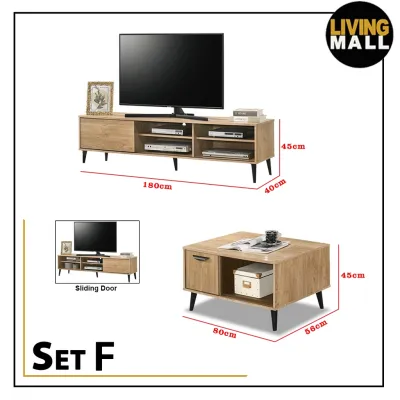
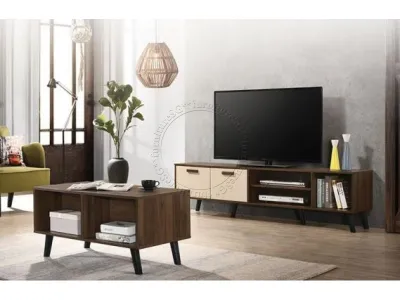
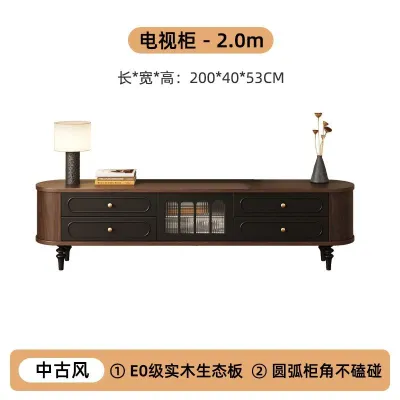
![[CozyNest ]2026 New Solid Wood TV Cabinet And Coffee Table Set Floor-standing Living Room TV Cabinet TV Consoles](https://img.lazcdn.com/g/p/42cddc8f06cbf90a63b998956aa20de3.jpg_webp_400x400q80.jpg_.webp)
![[CozyNest ]2026 New Solid Wood TV Cabinet And Coffee Table Set Floor-standing Living Room TV Cabinet TV Consoles](https://img.lazcdn.com/g/p/b369d1255a4ca428706fadf4babf40f4.jpg_webp_400x400q80.jpg_.webp)
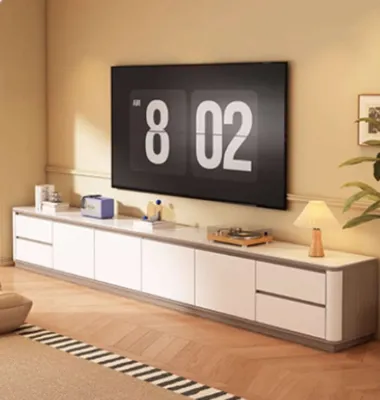
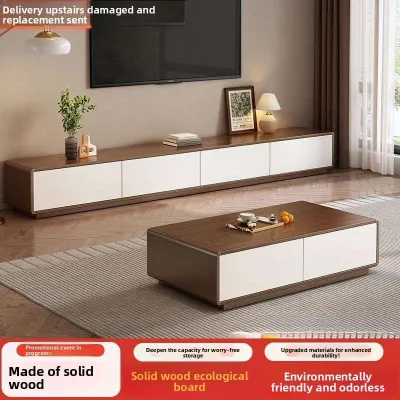
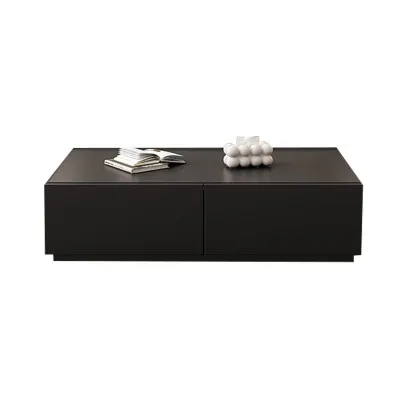
Prices are valid at publication and may change. Please refer to the product page for the latest price.
Delivery access is another critical, yet frequently overlooked, variable in the purchasing process. Before placing an order, measure the height, width, and diagonal clearance of your building’s elevator doors and cabin interior. You must also measure any tight stairwell turns, corridors, and the main entry door frame of your home. If you are purchasing a pre-assembled or long, single-piece TV console, verifying these dimensions ensures the delivery team can safely transport the furniture into your living room without causing structural damage to your walls or the piece itself.
Finally, consider the concept of “visual weight” when planning your layout. In smaller living rooms, bulky, solid-base furniture can make the space feel cramped and dark. To counteract this, look for a TV console and coffee table set designed with slender, exposed legs or floating wall-mounted profiles. Raising the furniture off the floor exposes more of the ground surface, tricking the eye into perceiving the room as larger and more open.
Choosing a TV Console and Coffee Table Set to Match Your Style
Investing in a pre-matched tv console and coffee table set offers several distinct advantages over purchasing individual pieces independently. A curated set guarantees perfect color consistency, which is notoriously difficult to achieve when trying to match wood grains or paint finishes from different manufacturers. Furthermore, designers scale these sets proportionally, ensuring that the coffee table does not visually overpower the TV console or vice versa. This built-in harmony establishes a cohesive design language that instantly makes your living space look polished and professionally styled.

To select the right set, you must first identify the dominant interior design theme of your home. If your space leans toward Scandinavian or Japandi aesthetics, look for sets featuring light-toned woods like oak or ash, clean lines, and soft, rounded corners. For a Modern Contemporary look, prioritize sleek surfaces, high-gloss finishes, or dark wood veneers paired with geometric metal bases. If your home features an Industrial theme, look for sets that combine rough-hewn wood textures with matte black iron or steel frames. Aligning the structural elements of your furniture set with these established themes prevents visual clutter and anchors the room’s atmosphere.
Pay close attention to the smaller design details that tie the set together. Look for matching leg profiles, such as tapered wooden legs for a mid-century modern vibe, or sleek metal hairpin legs for a minimalist look. Hardware finishes should also align; for instance, if the TV console features brushed brass drawer pulls, the coffee table’s frame or trim should feature a matching or highly compatible metallic accent. Consistent hardware and leg designs create a subtle visual thread that connects the two pieces across the room.
However, a matching set does not mean the two pieces must be identical carbon copies of each other. You can use the coffee table to introduce subtle textural contrast while still echoing the console’s primary material palette. For example, if your TV console is made of solid walnut with a fluted wood detail, a matching coffee table might feature a smooth walnut frame paired with a tinted glass or sintered stone top. This approach maintains the overall design harmony while adding visual depth and preventing the living room from looking overly flat or clinical.
Inspecting Materials and Finishes for Humid Climates
Singapore’s high relative humidity and tropical climate present unique challenges for household furniture. Excess moisture in the air can cause wood to warp, engineered panels to swell, and unprotected metals to corrode over time. Therefore, you must carefully inspect the materials, construction methods, and surface finishes of any set before buying.
Checking Wood and Engineered Wood Options
When evaluating wood-based furniture, do not make assumptions based solely on the wood species name listed on the product tag. Instead, inspect the product specifications or consult the manufacturer to verify if the wood has been treated with moisture-resistant coatings, such as polyurethane, lacquer, or specialized sealants. These protective topcoats act as a barrier against atmospheric humidity, spills, and condensation from cold drinks.
If you are considering engineered wood options, such as Medium-Density Fibreboard (MDF) or particleboard, you must closely examine the quality of the edge banding. Run your fingers along the edges and corners of the panels to ensure the laminate or veneer banding is completely sealed with no visible gaps, peeling, or glue lines. Unsealed or poorly banded edges allow moisture to penetrate the inner core of the engineered wood, leading to irreversible swelling, bubbling, and structural degradation.
Lastly, always review the manufacturer’s care and maintenance instructions before finalizing your purchase. Look for specific guidance regarding humidity control, protection from direct sunlight—which can fade natural wood finishes—and the types of cleaning agents recommended. Avoid pieces that require highly specialized or high-maintenance care routines if you prefer a low-effort cleaning schedule.
Inspecting Metal, Glass, and Stone Elements
If your chosen furniture set incorporates metal components, you must verify that these parts are treated to resist rust and corrosion. Look for specifications indicating the use of powder-coated steel, anodized aluminum, or high-grade stainless steel. These surface treatments prevent the metal from oxidizing when exposed to humid air or damp cleaning cloths, ensuring the structural joints and legs remain stable and visually pristine for years.
For sets featuring glass elements, safety must be your primary concern. Ensure that any glass tabletops or cabinet doors are explicitly labeled as tempered or safety glass by the manufacturer. Tempered glass is processed to be significantly stronger than standard glass and is designed to fracture into small, blunt pieces rather than sharp shards if broken. You should also check the specified thickness of the glass; a tabletop should ideally be at least 8 mm to 10 mm thick to withstand daily use safely.
When opting for natural stone, such as marble, or engineered alternatives like sintered stone, check the material’s porosity and sealing specifications. Natural stone is highly porous and susceptible to staining from spilled liquids unless it is regularly sealed with a protective impregnator. Sintered stone, on the other hand, is non-porous and highly resistant to scratches and moisture, making it an excellent low-maintenance alternative for busy households. Verify these details to understand the long-term maintenance commitment required to keep the surfaces looking pristine.
Maximizing Storage and Everyday Functionality
A great furniture set should do more than look attractive; it must actively support your daily lifestyle and keep living room clutter at bay. The TV console serves as the media hub of your home, making integrated cable management a non-negotiable feature. Look for consoles equipped with pre-drilled rear access panels, built-in routing channels, or metal grommets. These features allow you to run power cords, HDMI cables, and optical wires directly from your media devices to the wall outlets behind the console, keeping unsightly cables completely hidden from view.
Beyond cable management, inspect the drawer and cabinet mechanisms of the TV console. If shopping in a physical showroom, test the drawers to ensure they glide smoothly along their tracks without sticking or wobbling. Look for high-quality hardware specifications, such as soft-close drawer slides and hinges, which prevent slamming and extend the lifespan of the furniture. Verify the internal depth and height of the drawers to ensure they can comfortably accommodate your specific storage items, such as gaming controllers, media players, documents, or spare cables.
Consider the internal layout of the console’s shelving units as well. Look for models featuring adjustable or removable shelves. This flexibility is essential for accommodating media equipment of varying heights, such as taller gaming consoles, bulky audio receivers, soundbars, or Wi-Fi routers. Proper ventilation is also key; ensure that enclosed cabinets housing electronic devices have adequate rear ventilation gaps to prevent overheating during extended use.
The coffee table should also contribute to your storage strategy. Multi-functional coffee tables are highly beneficial for maximizing usability in compact homes. Consider designs featuring hydraulic lift-tops, which smoothly raise the table surface to a comfortable height for working on a laptop or enjoying a casual meal on the sofa. Additionally, look for coffee tables with hidden storage compartments beneath the tabletop or integrated lower shelves, which provide a convenient place to tuck away blankets, magazines, board games, and remote controls when they are not in use.
Recommended Set Configurations Based on Room Size
Different housing types and living room dimensions require tailored furniture configurations to optimize both traffic flow and functionality. Choosing the right scale and structural type ensures your set complements your floor plan perfectly.
Compact and Floating Sets for HDB Living Rooms
For smaller floor plans, such as standard 3-room or 4-room HDB flats, maximizing visible floor space is key to creating an airy atmosphere. A highly effective configuration is a wall-mounted (floating) TV console paired with a nesting or small rectangular coffee table. Floating consoles free up valuable floor space directly beneath the unit, making it significantly easier to run a robotic vacuum or mop the floor. Pair this with a set of nesting coffee tables that can be stacked together when extra floor space is needed and separated when hosting guests.
When choosing a floating console, look for slim-profile designs that project no more than 30 to 35 cm from the wall. This depth is sufficient to hold essential media boxes and streaming devices without encroaching on your primary walking path.
However, you must consider the structural limitations of floating units. They require secure anchoring into a solid concrete or structural wall; always check your wall type and consult a professional installer to verify load capacity before mounting. Additionally, floating consoles naturally offer less concealed storage volume compared to heavy, floor-standing models.
Modular and Extendable Sets for Condos and Larger Spaces
If you have a larger living area, such as a spacious condominium or a landed property, you have the flexibility to choose modular and extendable furniture configurations. Look for modular TV consoles that feature add-on shelving units, side towers, or extendable base panels. These systems allow you to adjust the overall width of the console to match larger television screens or reconfigure the layout if you decide to rearrange your living room in the future.
To anchor a larger seating arrangement, pair your modular console with a substantial oval, round, or square coffee table. A larger, centrally positioned coffee table acts as a visual anchor for sectional sofas and creates a natural gathering point for family and guests. Rounded shapes are particularly effective in larger rooms as they facilitate smooth traffic flow around deep seating configurations.
Keep in mind that these large-scale and modular sets require significant floor plan flexibility to look their best. If you downsize or move to a home with a different layout in the future, these larger pieces may prove difficult to integrate and can easily overwhelm a smaller room if the dimensions are reduced.
Multi-Functional Storage Sets for High-Density Living
For households that require maximum storage capacity due to limited built-in cabinetry, prioritizing hidden storage is essential. Look for a heavy-duty, floor-standing TV console designed with deep, full-extension drawers and closed cabinet doors. Pair this with a storage-focused coffee table, such as a lift-top model or a solid trunk design with a hollow interior.
These configurations are incredibly useful for stowing away bulky household items, seasonal decor, board games, and extra electronic accessories completely out of sight. By keeping these items organized within your primary living room furniture, you reduce the need for additional freestanding storage units that would otherwise clutter your floor plan.
The primary trade-off with these storage-heavy sets is their physical weight and bulk. Because they are constructed to maximize internal volume, they are significantly heavier than minimalist or floating alternatives. This makes them difficult to move for deep cleaning or room re-layout. Additionally, lift-top coffee tables rely on mechanical hinges and hydraulic struts that require periodic inspection and light maintenance to ensure safe, smooth operation over time.
Frequently Asked Questions (FAQ)
Can I mix and match a TV console and coffee table instead of buying a set?
Yes, mixing and matching individual pieces is an excellent way to inject personal character and vintage charm into your living room. To make this approach work successfully, ensure the two pieces share at least one unifying design element, such as a similar wood species, matching metal hardware finishes, or a shared design era. You must also avoid clashing visual weights; for example, pairing a very heavy, rustic solid-oak TV console with a delicate, ultra-thin glass and chrome coffee table can make the room look unbalanced and disjointed.
How do I manage cables effectively with a new TV console?
Effective cable management starts with utilizing your TV console’s built-in features, such as rear cable cutouts and internal routing trays, to channel cords directly to the wall outlets. For any remaining exposed wires, use supplementary organization tools like under-desk cable management boxes to house power strips. You can also bundle multiple cords together using reusable Velcro ties or neoprene sleeves, and run them along the back edges of the console’s legs using adhesive cable clips to keep them completely hidden from view.
What is the ideal height for a TV console relative to the sofa?
The general ergonomic rule for comfortable viewing is that the center of your television screen should sit at eye level when you are seated comfortably on your sofa. To calculate the ideal height for your TV console, measure the distance from the floor to your eyes while sitting on your sofa, then subtract half of your TV’s overall height. For most standard sofa designs and television sizes, this calculation results in an optimal TV console height ranging between 40 cm and 60 cm from the floor.
Community discussion
Share your experience or ask a question. Comments are reviewed before publication.