
Evaluating the right dust cover requires looking beyond marketing terms to understand how material structure and actual thickness impact long-term protection. The effectiveness of a cover depends on balancing dust blockage with breathability, ensuring the material resists tearing without trapping moisture that could damage the furniture underneath. To protect your investment, you must evaluate the specific structural properties of the cover material and verify its actual thickness specifications rather than relying solely on vague retail labels.
Evaluating Dust Cover Materials: PEVA, Oxford Cloth, and Non-Woven Fabric
Selecting the right material requires understanding how different fabrics perform under varying environmental conditions. The three most common options for furniture covers are polyethylene vinyl acetate (PEVA), Oxford cloth, and non-woven fabric, each offering distinct structural characteristics.
PEVA is a non-chlorinated vinyl material that is completely waterproof and highly effective at blocking external dust and moisture. Because it forms a solid, non-porous barrier, it is excellent for preventing liquid spills or heavy dust settling on furniture. However, this complete barrier also means PEVA lacks breathability. In humid tropical climates, such as Singapore, trapping air underneath a non-porous cover can lead to condensation, which may damage sensitive wood finishes or promote mold growth on upholstered items.
Products mentioned in this guide
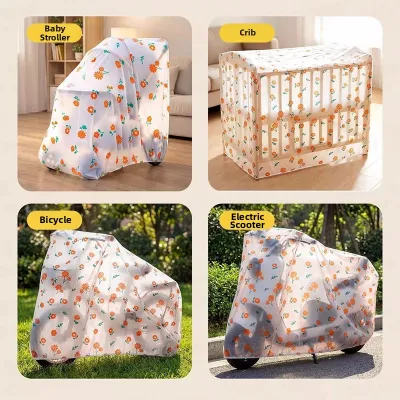
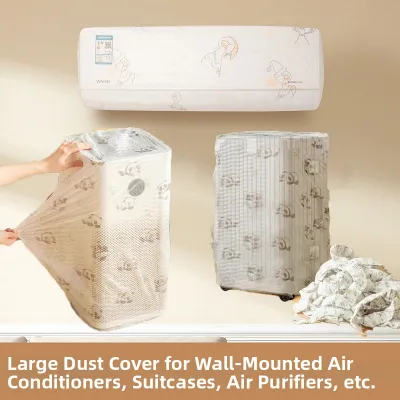
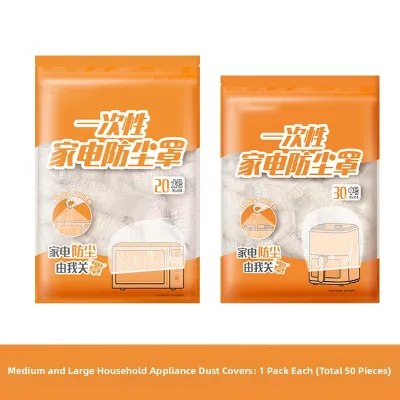
Prices are valid at publication and may change. Please refer to the product page for the latest price.
Oxford cloth is a woven polyester fabric known for its exceptional durability, tear resistance, and flexibility. It is often treated with polyurethane (PU) or polyvinyl chloride (PVC) backing to enhance water resistance. Unbacked or lightly coated Oxford cloth offers a practical middle ground, providing robust dust protection while allowing some air circulation. When evaluating Oxford cloth on online marketplaces, check the product specifications to see if the fabric has a breathable water-resistant coating rather than a completely sealed backing, especially if you plan to cover natural wood or leather.
Non-woven fabric is a lightweight, highly breathable material made by bonding fibers together mechanically, thermally, or chemically. It is highly breathable and cost-effective, making it suitable for short-term indoor storage or frequently used items. However, non-woven fabrics are generally less durable, prone to tearing under tension, and offer minimal resistance to moisture.
When reviewing product labels, look for explicit mentions of water-repellent treatments, UV stabilizers, and breathability ratings. For indoor storage in air-conditioned spaces, a breathable non-woven or light Oxford cloth is often sufficient. For high-humidity environments, semi-sheltered balconies, or long-term storage without climate control, a high-density Oxford cloth with ventilation flaps or a breathable membrane is necessary to prevent moisture buildup while keeping dust out.
How to Verify Thickness and Durability Claims
Many manufacturers label their products as “heavy-duty” or “thick” without providing measurable specifications. To ensure you are purchasing a genuinely durable dust cover, you must look for standardized units of measurement on the product packaging or specification sheets.

For woven fabrics like Oxford cloth, thickness and density are typically measured in denier (D). Denier indicates the linear mass density of the fibers; a higher denier rating, such as 210D, 420D, or 600D, signifies thicker, stronger threads and greater tear resistance. For non-woven fabrics, weight is measured in grams per square meter (GSM), where a higher GSM indicates a denser, more protective layer. Plastic or vinyl materials like PEVA are measured in mils (one-thousandth of an inch) or millimeters, where thicker gauges offer better puncture resistance.
While a very thick, high-denier cover provides excellent protection against physical abrasions and outdoor elements, it is not always the best choice for delicate indoor furniture. Heavy, stiff fabrics can be difficult to drape, fold, and store. More importantly, rough or abrasive backings on heavy-duty covers can scratch polished wooden surfaces or snag delicate upholstery fabrics during installation and removal.
To verify the physical quality of a dust cover, examine the construction details beyond the fabric itself. Look for double-stitched seams, which prevent the fabric from pulling apart under tension. High-quality covers often feature reinforced corners to distribute stress and edge binding to prevent fraying. If the cover has a waterproof coating, check if the seams are taped or heat-sealed to prevent dust and moisture from seeping through the needle holes.
Matching Covers to Your Furniture and Environment
A successful protection strategy requires matching the cover’s material and thickness to the specific type of furniture and the environment where it is stored.
Upholstered indoor furniture, such as fabric sofas and armchairs, requires a cover that prioritizes breathability. Trapped humidity can quickly ruin fabric fibers and foam cushions, so a breathable non-woven fabric or a light, uncoated Oxford cloth is ideal. For wooden furniture, especially pieces with delicate veneers, French polish, or wax finishes, avoid direct contact with heavy plastic covers like PEVA. Instead, use a soft, breathable cover, or place a soft cotton sheet underneath a thicker cover to prevent finish clouding or scratching. Patio furniture exposed to wind, rain, and intense sunlight requires heavy-duty, UV-resistant Oxford cloth with a high denier rating to withstand the elements.
A dust cover can only protect your furniture if it stays securely in place. Look for covers equipped with functional fit features such as elasticized hems, adjustable drawstrings, tie-down straps, or buckle straps that secure around the furniture legs. These features prevent the cover from shifting, sliding off, or blowing away, while also sealing the bottom edge against dust ingress and pests.
Before purchasing, measure your furniture carefully to ensure a proper fit. Compare the finished dimensions of the cover with your furniture’s actual measurements, taking into account any protruding armrests, high backrests, or decorative legs. Ensure there is adequate clearance at the bottom; a cover should not drag on the floor, as this can trap dirt and moisture, but it should hang low enough to protect the main body of the furniture. Always check the furniture manufacturer’s care instructions, as some finishes may have specific recommendations regarding long-term covering.
Caring for Your Dust Covers to Prevent Degradation
Proper maintenance of your dust covers is essential to preserve their protective qualities and extend their lifespan. Over time, accumulated dust, oils, and environmental moisture can degrade the material or its protective coatings.
Always refer to the manufacturer’s care label for specific cleaning instructions. For PEVA and heavily coated Oxford cloth covers, a simple wipe-down with a damp cloth and mild soap is usually sufficient to remove surface dust and grime. Avoid using harsh chemical detergents, abrasive scrubbers, or hot water, which can strip away water-resistant coatings or weaken the material. For machine-washable fabrics, use a gentle cycle with cold water and a mild detergent, and avoid fabric softeners that can clog breathable pores.
Never fold or store a dust cover while it is damp. In Singapore’s humid climate, storing a wet or moist cover can rapidly lead to mold and mildew growth, which can transfer to your furniture upon the next use. Hang the cover in a well-ventilated, shaded area to dry completely before folding it for storage or draping it back over your furniture.
Regularly inspect your covers for signs of wear and degradation. If you notice thinning fabric, peeling inner coatings, brittle plastic, or persistent mold that cannot be cleaned, the cover has reached the end of its useful life. Using a degraded cover can expose your furniture to dust and moisture damage, so consult the manufacturer for replacement options or transition to a new, high-quality cover to maintain continuous protection.
Frequently Asked Questions (FAQ)
Is a thicker dust cover always better for indoor sofas?
No, a thicker cover is not always better for indoor sofas. While a thick, heavy-duty cover provides excellent physical protection, it often lacks the breathability required for indoor upholstered furniture. In humid environments, thick, non-porous materials can trap ambient moisture inside the sofa cushions, leading to mold, mildew, and unpleasant odors. For indoor sofas, it is better to choose a moderately thick, highly breathable fabric, such as a high-GSM non-woven fabric or a light Oxford cloth, and verify that the material allows adequate air circulation.
How should I measure my furniture to ensure a proper fit?
To ensure a proper fit, measure the maximum width, depth, and height of your furniture using a standard measuring tape. For sofas and chairs, measure from the outermost edge of one armrest to the other for the width, and from the front of the seat to the back of the frame for the depth. When measuring height, measure from the floor to the highest point of the backrest. Choose a cover that is slightly larger than these dimensions—typically allowing a 2 to 5-centimeter clearance—to ensure the cover can be easily draped and secured without stretching or tearing the seams.
Community discussion
Share your experience or ask a question. Comments are reviewed before publication.