
Choosing a tempered glass tabletop coffee table can instantly elevate your living room, offering a sophisticated blend of functional surface area and modern design. In compact urban homes, a glass table acts as a visual chameleon, allowing light to pass through unobstructed and creating the illusion of a larger, more open floor plan. While the glass itself provides a clean, neutral surface, the table’s base material, frame finish, and silhouette do the heavy lifting of defining its style. By understanding how these elements interact, you can select a piece that harmonizes beautifully with your existing decor.
To help you quickly align your design preferences with the right materials, consider this style-matching matrix:
- Minimalist & Contemporary: Framed with slim, matte black metal or supported by clear acrylic legs, paired with ultra-clear low-iron glass.
- Industrial & Urban Loft: Constructed with robust, dark iron or steel frames, reclaimed wood accent shelves, and smoked or tinted glass.
- Scandinavian & Japandi: Built with light-toned wood bases like white oak or ash, featuring soft, rounded organic shapes and clear glass.
- Modern Glam & Luxe: Finished with polished brass, gold, or chrome sculptural bases, paired with tinted bronze glass or elegant beveled edges.
Key Dimensions and Features of a Tempered Glass Tabletop
Before focusing purely on aesthetics, it is essential to evaluate the physical specifications of a coffee table to ensure it meets your functional, safety, and structural needs.
Products mentioned in this guide
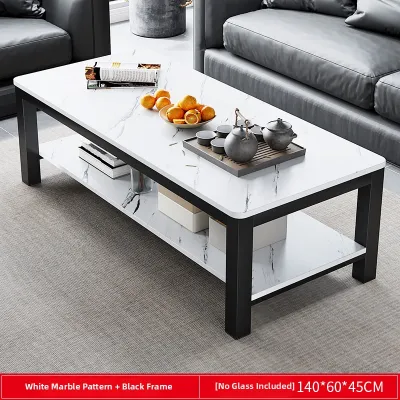
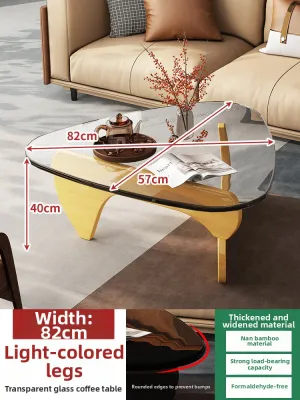
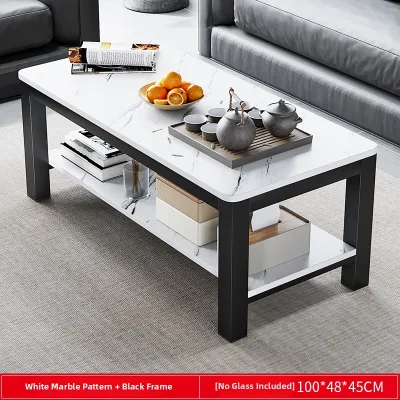
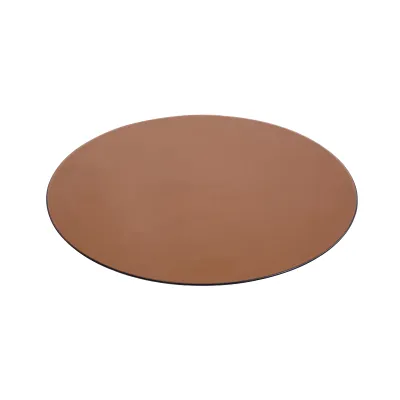
Prices are valid at publication and may change. Please refer to the product page for the latest price.
Tabletop Thickness and Edge Profiles
The thickness of a tempered glass tabletop directly influences both its visual weight and its physical durability. Standard glass coffee tables typically feature glass thicknesses ranging from 8mm to 12mm.
- 8mm Glass: This thickness is lightweight and highly suitable for tables where the glass is fully supported by a continuous metal or wooden perimeter frame. It offers a delicate, airy look but has a lower load capacity if unsupported.
- 10mm to 12mm Glass: This is the preferred choice for frameless designs or tables where the glass rests on a few isolated support points. It provides a substantial, premium feel, excellent stability, and higher resistance to daily impacts.
The treatment of the glass edges also plays a major role in the table’s overall aesthetic and safety. A pencil-polished edge is rounded and smooth, offering a clean, contemporary look that is highly safe for high-traffic areas. A beveled edge features an angled, sloping cut along the perimeter, which catches and refracts light, adding a traditional, formal, or luxurious touch to the room.
Base Materials and Structural Roles
The base of your coffee table provides the necessary structural support while anchoring the piece stylistically.
- Solid Wood: Bases made of oak, walnut, or ash offer natural warmth and excellent stability. When choosing solid wood, verify that the joints are reinforced and that the wood has been treated with a high-quality sealant to withstand environmental changes.
- Engineered Wood: MDF or particleboard with high-quality wood veneers can offer the look of solid wood at a more accessible price point. Check the edge banding to ensure there are no gaps where moisture could penetrate.
- Powder-Coated Metal: Steel or iron frames finished with a powder coating are incredibly durable, resistant to scratches, and highly stable. They allow for incredibly slim profiles without sacrificing load-bearing capacity.
- Acrylic: Clear acrylic or lucite bases offer a completely transparent look, making the glass top appear as if it is floating. While highly modern and space-saving, acrylic requires careful cleaning to prevent surface scratches.
Shape Selection and Room Flow
The shape of your coffee table should complement your sofa configuration and preserve comfortable walkways.
- Rectangular and Oval Tables: These shapes work best with standard three-seater sofas or long linear seating arrangements, providing easy access to the tabletop from every seat.
- Round and Square Tables: These are ideal for L-shaped sectional sofas or conversational groupings of armchairs. Round tables are particularly effective at softening rigid, angular rooms and improving traffic flow in tight spaces.
- Organic and Freeform Shapes: Asymmetrical or kidney-shaped glass tables serve as artistic statement pieces, breaking up the straight lines of modern architecture and adding a sense of fluid movement.
Safety and Quality Verification
When shopping, always verify that the product features genuine tempered glass. Look for a small, permanent safety certification mark (such as BS 6206, EN 12150, or SGCC) etched into a corner of the glass. Tempered glass is thermally treated to be up to four to five times stronger than standard annealed glass. Additionally, inspect the connection points: high-quality glass tables should always include clear silicone bumpers or secure metal pucks fused directly to the glass to prevent the tabletop from sliding or shifting on its base.
Best Tempered Glass Coffee Table Styles for Your Living Room
Once you understand the technical specifications, you can focus on matching the design details of the table to your specific interior design style.

Minimalist and Contemporary Spaces
Minimalist design relies on the philosophy of subtraction, making a transparent glass coffee table an ideal centerpiece. To maintain an uncluttered, spacious atmosphere, look for tables characterized by geometric simplicity and clean, uninterrupted lines.
Opt for bases made of slim, matte-finished metals, such as brushed stainless steel, chrome, or matte black powder-coated iron. Alternatively, clear acrylic legs can create a striking “floating” illusion that keeps the floor completely visible.
For the ultimate minimalist look, select a tabletop made of low-iron glass. Standard clear glass naturally contains iron oxide, which gives the edges a distinct green tint. Low-iron glass undergoes a specialized manufacturing process that removes these impurities, resulting in an ultra-clear, color-neutral pane. This transparency ensures that your flooring or statement area rug is displayed with perfect color accuracy underneath.
Industrial and Urban Lofts
Industrial style celebrates raw materials, exposed architectural elements, and utilitarian design. A glass coffee table can soften the heavy, rugged nature of an industrial space while still honoring its edgy aesthetic.
Look for tables featuring dark, robust metal frames made of distressed iron, blackened steel, or oil-rubbed bronze. Design details like exposed rivets, visible welding joints, or functional metal casters add to the authentic, workshop-inspired feel. Pairing the cold metal frame with a lower shelf made of reclaimed wood or distressed timber introduces warmth, texture, and practical storage.
To enhance the moody, grounded atmosphere of an industrial living room, consider a tinted or smoked glass tabletop. Grey- or bronze-tinted glass reduces light transmission slightly, giving the table a heavier visual weight that complements dark leather sofas, exposed brick walls, and concrete floors.
Scandinavian and Japandi Interiors
Both Scandinavian and Japandi design styles emphasize natural light, organic warmth, simplicity, and functional comfort. In these spaces, a glass coffee table should feel soft, inviting, and deeply connected to nature.
Choose bases crafted from light-toned woods with visible, natural grain patterns, such as white oak, ash, beech, or warm walnut. The base should feature rounded legs, tapered dowels, or curved trestles rather than sharp, industrial angles. A low-profile design—where the table sits closer to the floor (around 30cm to 38cm in height)—aligns perfectly with the grounded, calming principles of Japandi interiors.
Pair these wooden bases with clear glass tops featuring soft, rounded edges, such as oval, circle, or gentle capsule shapes. The combination of warm, organic wood and reflective, clear glass allows natural sunlight to bounce deeper into the room, maintaining a bright, breezy, and serene environment.
Modern Glam and Luxe Settings
If your style leans toward high-end sophistication, dramatic contrasts, and elegant materials, a glass coffee table can serve as a dazzling focal point that elevates the entire room.
Look for bases finished in reflective, high-shine metallic coatings, such as polished gold, brushed brass, or mirror-finished chrome. Sculptural base designs—such as interlocking geometric rings, delicate wireframe pedestals, or architectural metal lattices—add an artistic, high-fashion element beneath the glass.
For a truly luxurious finish, opt for a bronze-tinted glass tabletop. The warm, amber undertone of bronze glass pairs beautifully with brass hardware and rich velvet upholstery. Additionally, select a table with a wide, beveled edge profile; the angled perimeter acts as a prism, catching ambient light from your chandeliers or pendant lamps and adding a sophisticated sparkle to your living space.
Practical Checks Before Buying in Singapore
Buying furniture in Singapore requires careful consideration of local housing layouts, tropical climate conditions, and apartment building logistics.
Space Planning in HDB and Condo Layouts
With space at a premium in typical Singapore BTO flats, executive condominiums, and apartments, precise measurements are critical.
- Walkway Clearance: Maintain a clearance of 45cm to 50cm between the front edge of your sofa and the edge of the coffee table. This provides comfortable legroom while keeping drinks within easy reach.
- Traffic Pathways: Ensure there is at least 60cm to 75cm of clear walkway space between the outer edges of the coffee table and adjacent furniture, such as the TV console or armchair. This prevents the table from obstructing pathways to balcony doors, household shelters, or corridors.
- Proportions: The length of your coffee table should ideally be between one-half and two-thirds of your sofa's total seating length. The height of the table should sit within 2cm to 5cm of your sofa's seat cushion height for optimal ergonomics.
Climate and Maintenance Realities
Singapore’s high year-round humidity and warm tropical climate present unique maintenance considerations for home furniture.
- Moisture Management: If you select a table with a wooden base, ensure the wood is treated with a moisture-resistant polyurethane or lacquer finish. High humidity can cause untreated wood to warp, expand, or develop mold over time.
- Thermal Shock Prevention: Avoid placing hot teapots, coffee mugs, or hot food plates directly onto a tempered glass tabletop. While tempered glass is highly heat-resistant, extreme temperature differentials (thermal shock) can cause internal stress in the glass. Always use cork, silicone, or felt trivets and coasters.
- Daily Cleaning: Condensation from iced drinks can leave unsightly water rings, and natural skin oils will cause fingerprints to show clearly on glass. Keep a microfiber cloth handy for quick daily touch-ups to maintain the table's pristine, transparent look.
Delivery and Access Logistics
Before finalizing your purchase, confirm the delivery logistics with your retailer. Large, heavy, single-piece glass coffee tables cannot be disassembled.
Measure your apartment building’s lift door width, lift interior height, and depth, as well as your home’s main entryway and corridor widths. If a large glass tabletop cannot fit into the elevator, delivery teams may have to carry it up the stairwell, which often incurs steep manual handling surcharges and increases the risk of accidental damage during transport.
Rug Pairing and Anchoring
Because a glass tabletop is completely transparent, the area rug underneath becomes a major design element.
Choose a rug that is large enough to anchor the entire seating arrangement; ideally, the front legs of your sofa and any accent chairs should rest on the outer edges of the rug, with the glass coffee table centered on top. This prevents the glass table from looking like it is “floating” aimlessly in the room. Select a rug with a texture or pattern that complements your chosen style, as the glass top will act as a display window for the textile beneath it.
Frequently Asked Questions (FAQ)
Is a tempered glass tabletop safe for homes with young children?
Yes, tempered glass is significantly safer than standard glass. If subjected to an impact strong enough to cause breakage, tempered glass is engineered to crumble into thousands of small, blunt, relatively harmless granules rather than fracturing into sharp, jagged shards.
To maximize safety in a household with active children, select a coffee table with a round or oval shape to eliminate sharp 90-degree corners. Look for a minimum glass thickness of 10mm to 12mm for added structural strength, and ensure the table features a heavy, stable base that cannot be easily tipped over. If you already own a rectangular glass table, you can temporarily apply clear, soft silicone corner guards to protect toddlers.
How do I keep a glass coffee table free of smudges and water spots?
To keep your glass tabletop looking pristine and streak-free, clean it regularly using a high-quality microfiber cloth and a dedicated glass cleaner, or a simple DIY mixture of equal parts white vinegar and distilled water.
Avoid using paper towels, which tend to leave behind lint and static-charged dust particles. Never use abrasive scrubbing sponges, steel wool, or harsh alkaline chemical cleaners, as these can create micro-scratches on the glass surface over time. To prevent smudges, water rings, and scratches from decorative objects, establish a household rule of using felt-bottomed coasters, placemats, or decorative trays for all cups, vases, and remote controls.
Community discussion
Share your experience or ask a question. Comments are reviewed before publication.