
Selecting the perfect standing stool chair for your home is more than just finding a place to sit; it is about creating a seamless visual flow between your kitchen, dining, and living areas. Because these elevated seats are highly visible, they naturally draw the eye and can either anchor your interior design or disrupt its harmony. Achieving a cohesive look requires a thoughtful evaluation of your existing decor, a clear understanding of material characteristics, and precise spatial measurements. By focusing on how the stool’s silhouette, materials, and proportions interact with your room’s architecture, you can select a style that feels both intentional and highly functional.
Define Your Room's Interior Design Theme
Before browsing online marketplaces or visiting local showrooms, take a step back to analyze the architectural and decorative DNA of your room. In modern open-concept layouts, the kitchen island or bar counter serves as a bridge between different functional zones. This means your seating choices must harmonize with both the culinary workspace and the adjacent living or dining area. Start by identifying the dominant color palette of these surrounding spaces. Note whether your home leans toward cool undertones like slate grays and crisp whites, or warm undertones like oak, beige, and terracotta. Your new standing stool chair should either complement these tones or serve as a deliberate, well-curated accent that breaks up the monotony.
Next, examine the structural lines and shapes that define your current furniture. If your cabinetry, dining table, and light fixtures feature sharp, geometric angles, introducing stools with rigid, square frames will reinforce a highly structured, modern aesthetic. On the other hand, if you wish to soften the hard edges of a kitchen dominated by stone countertops and flat-panel cabinets, choosing stools with rounded backrests or curved seats can introduce a welcoming sense of balance. It is also essential to distinguish between a pure, single-style interior and a transitional space. Many homes beautifully blend multiple design eras, such as pairing mid-century modern dining chairs with a contemporary kitchen island. If your home features a transitional mix, identify which style is dominant and use your stools to bridge the gap, perhaps by selecting a modern silhouette upholstered in a classic, textured fabric.
Products mentioned in this guide
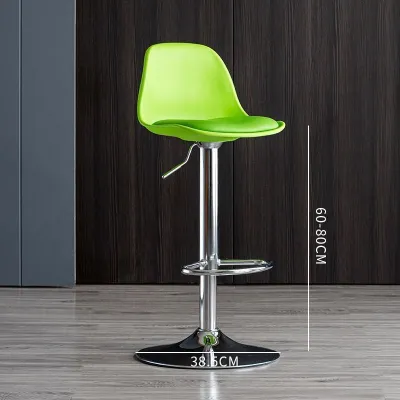
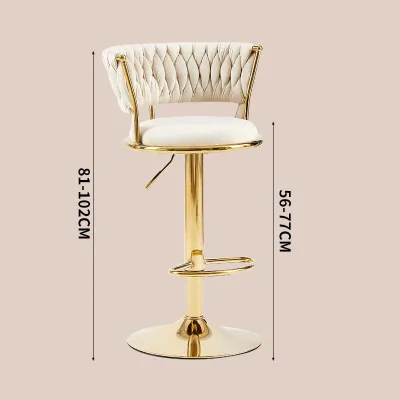
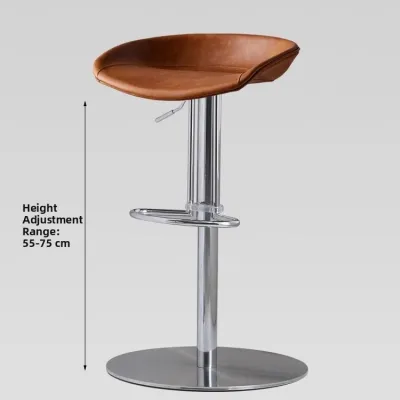
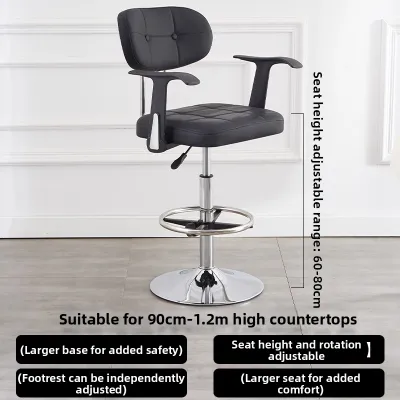
Prices are valid at publication and may change. Please refer to the product page for the latest price.
Finally, determine the visual weight you want the seating to carry within the room. Visual weight refers to how much attention an object demands based on its size, color, and material density. A heavy, fully upholstered stool with a high backrest and dark wood legs has high visual weight, making it a prominent focal point that can make a spacious kitchen feel cozy. Conversely, a backless stool with a slender metal frame has low visual weight, allowing the eye to pass through it. This low-profile option is ideal for smaller spaces or when you want to highlight a beautiful marble countertop or custom island cabinetry without visual obstruction.
Match Standing Stool Chair Aesthetics to Your Decor
Once you have established your room’s design baseline, you can begin matching specific stool aesthetics to your established theme. Different design movements utilize distinct materials, finishes, and shapes to convey their unique character.

Modern and Minimalist
For homes that embrace modern and minimalist design, simplicity is the guiding principle. Look for a standing stool chair that features clean, unornamented lines and a highly streamlined silhouette. Monochromatic color schemes, such as matte black, stark white, or muted grays, work exceptionally well in these environments. Upholstery should be kept simple, utilizing flat-weave fabrics, smooth leather, or integrated molded seats without tufting or decorative stitching. Frames made of slim, powder-coated steel or molded plywood provide the necessary structural support while maintaining an incredibly light profile. To preserve the clean sightlines of a minimalist kitchen, consider backless designs that can slide completely underneath the counter when not in use, keeping the walkways entirely clear.
Industrial
Industrial design celebrates raw, utilitarian elements and exposed structural components. If your home features concrete screed floors, exposed brick walls, or matte black track lighting, look for stools that showcase mixed-material contrasts. The classic industrial stool often pairs a rugged metal frame with a solid wood or distressed leather seat. Look for visible hardware details, such as exposed rivets, heavy-duty bolts, or threaded metal rods that allow for manual height adjustment. The finishes in this category should feel authentic and slightly weathered; think brushed steel, gunmetal, or reclaimed timber with visible grain variations. These stools are highly durable in appearance and bring a sense of casual, loft-style living to any counter space.
Rustic and Farmhouse
To complement a rustic or farmhouse aesthetic, prioritize warmth, natural textures, and traditional craftsmanship. This style relies heavily on the beauty of natural wood grains, such as oak, ash, or rubberwood, often finished with a clear protective coat or a gentle whitewash to highlight the organic patterns. Look for design details that evoke a sense of heritage, such as classic Windsor spindle backrests, saddle-shaped wooden seats, or traditional mortise-and-tenon joinery. If you prefer upholstered options, look for natural fibers like linen, cotton canvas, or gently distressed brown leather. The overall feel should be incredibly inviting and comfortable, encouraging family and guests to linger over long meals.
Glam and Contemporary
If your interior design leans toward a glam, art deco, or high-end contemporary aesthetic, your seating should reflect a sense of luxury and sophistication. This style is characterized by rich, tactile textures and reflective surfaces that catch the light. Look for stools upholstered in plush velvet, textured bouclé, or high-grade leather, featuring elegant details like channel tufting, button detailing, or brass nailhead trim. The frames often showcase metallic finishes, such as brushed gold, polished chrome, or warm bronze. Sculptural bases, such as single-pedestal trumpet stands or geometric wireframes, add an artistic element to the room. When selecting metallic finishes, ensure they are treated to resist fingerprints and tarnishing, allowing the stools to maintain their lustrous appearance over time.
Inspect Materials, Finishes, and Structural Details
While finding the right style is crucial, a standing stool chair must also withstand the rigors of daily use. Before making a purchase, it is essential to inspect the materials, finishes, and structural details to ensure they align with your household’s lifestyle and maintenance expectations.
Do not rely solely on the visual appearance of a material to judge its durability. Instead, carefully review the manufacturer’s specifications and care labels. For upholstered stools, check the fabric’s rub count, which indicates how much wear the material can handle before showing signs of deterioration. A rub count of 15,000 or higher is generally recommended for residential dining spaces. If you have young children or pets, look for performance fabrics that have been treated for stain resistance, or opt for non-porous materials like molded plastic or sealed wood that can be easily wiped clean with a damp cloth.
Next, examine the protective finishes applied to the stool’s surfaces. Wooden components should be sealed with a high-quality polyurethane, lacquer, or oil finish to protect the timber from liquid spills, food stains, and humidity. For metal frames, powder coating is highly preferred over standard wet paint, as it provides a much tougher barrier against scratches, chipping, and rust. If the stool features leather upholstery, verify whether it is full-grain, top-grain, or bonded leather, as each type requires different cleaning routines and offers varying levels of long-term resistance to cracking.
Finally, evaluate the physical construction and stability of the stool. Inspect the joints where the legs meet the seat frame; high-quality stools often feature reinforced corner blocks, dowels, or heavy-duty metal brackets rather than simple wood screws. Sit on the stool if possible, or check user reviews to verify that the base feels stable and does not wobble when weight is shifted. The footrest is another critical structural component; because users naturally apply significant downward pressure when climbing onto or sitting on a high stool, the footrest must be securely welded or bolted directly to the frame. Ensure the feet of the stool are equipped with non-marking rubber or felt glides to protect your flooring from unsightly scratches.
Measure Your Space and Verify Ergonomic Fit
A beautiful stool is of little use if it does not fit your counter or causes physical discomfort during use. Precise measurements are the foundation of a successful furniture purchase, ensuring both spatial harmony and ergonomic comfort.
Begin by measuring the exact height of your counter or bar. Measure from the floor to the underside of the counter surface, not the top of the counter, to account for any support beams or aprons that might restrict legroom. Standard kitchen counters typically measure around 90 cm high, which pairs best with counter stools that have a seat height of 60 to 65 cm. Bar counters, often found in commercial spaces or custom home bars, stand around 100 to 105 cm high and require bar stools with a seat height of 75 to 80 cm. Maintaining a seat-to-counter clearance of 25 to 30 cm ensures that users have ample room to cross their legs and sit comfortably without feeling cramped.
Next, calculate the available floor footprint to determine how many stools can comfortably fit along your counter. Measure the total length of the usable counter space. As a general rule, allow at least 60 to 75 cm of horizontal space for each stool. This measurement, taken from the center of one seat to the center of the next, ensures that guests have enough elbow room to eat and converse without bumping into one another. If you select stools with wide bases, armrests, or swivel mechanisms, increase this spacing to 75 to 80 cm to accommodate the wider physical footprint and the rotation radius.
Do not forget to account for walkway clearance behind the seating area. When stools are occupied, they extend outward from the counter. To maintain a comfortable flow of traffic through your kitchen or dining room, ensure there is at least 90 cm of open floor space behind the stools when they are pulled out. This allows family members to walk past easily without forcing the seated person to tuck themselves in. Finally, consider the ergonomic features of the stool based on how you plan to use it. If the counter is your primary spot for working from home or enjoying long family dinners, prioritize stools with supportive backrests, contoured seats, and well-positioned footrests that help distribute body weight evenly.
Build a Condition-Based Shopping Shortlist
With a clear understanding of your design theme, material requirements, and spatial dimensions, you can now synthesize this information into a practical, condition-based shopping shortlist. This systematic approach prevents impulse purchases and ensures that your final selection meets all aesthetic and functional criteria.
Start by creating a simple decision matrix that pits your must-have design features against potential functional compromises. For instance, if your heart is set on a minimalist aesthetic, you might decide to compromise on having a high backrest in exchange for a stool that slides completely under the counter to save space. However, some factors should remain non-negotiable. Establish clear stop-conditions that will immediately disqualify a stool from your list. These stop-conditions should include a lack of verified weight capacity specifications, dimensions that do not provide the necessary 25 to 30 cm of leg clearance, or materials that do not match your household’s maintenance capabilities.
Additionally, pay close attention to the compatibility of the stool’s feet with your specific flooring material. If you have delicate hardwood, engineered timber, or polished marble floors, reject any stool that features hard plastic or bare metal feet without protective glides. Look for manufacturers that include high-density felt pads or soft rubber caps, or be prepared to purchase compatible aftermarket floor protectors before assembling the furniture.
Before finalizing your purchase and proceeding to checkout, complete a thorough verification of the retailer’s terms and logistics. Confirm the delivery conditions; because bar stools can be bulky, verify if the delivery service includes transport up to your apartment level, especially if your building lacks a spacious lift. Check the assembly requirements to see if the stools arrive fully constructed or if you will need to dedicate time and tools to assemble them yourself. Finally, carefully review the warranty terms and return policy. A flexible return window is incredibly valuable, as it allows you to test the stool’s comfort, height, and color accuracy in your actual home environment before making a permanent commitment.
Frequently Asked Questions (FAQ)
How many standing stool chairs should I place along my kitchen island?
To determine the ideal number of stools for your kitchen island, measure the total length of the counter and divide it by the recommended spacing interval. For standard backless stools, allocate 60 to 65 cm of counter width per seat. For example, a 180 cm island can comfortably accommodate three standard stools. If your chosen stools feature wide armrests, heavy upholstery, or swivel bases, increase the allocation to 75 cm per stool to ensure users can turn and exit the seats without colliding.
Can I mix different stool styles in the same room?
Yes, mixing different stool styles can add visual interest and a curated feel to an open-plan living space. To make this design choice look intentional rather than chaotic, establish at least one unifying element across all the stools. This could be a matching metal finish on the frames, a consistent seat height, or upholstery fabrics from the same color family. Additionally, ensure the different styles share a similar visual weight so that one design does not completely overwhelm the other.
Community discussion
Share your experience or ask a question. Comments are reviewed before publication.