
Finding the right shoe shelf for a compact HDB entryway requires balancing storage capacity with strict spatial limits. The ideal solution must keep your footwear organized while ensuring that the main door opens fully and the adjacent corridor remains completely unobstructed. By focusing on slim profiles, vertical configurations, and precise physical measurements, you can maximize your entryway’s utility without compromising safety or violating local housing guidelines.
A cluttered entryway creates a chaotic first impression and poses a physical hazard. In Singapore’s high-density housing, every square centimeter of floor space counts, making the choice of entryway furniture a strategic decision. Selecting a shoe shelf is about understanding the physical boundaries of your home and how your household moves through the front door daily.
Measure Your Entryway and Corridor Clearance
Before browsing online marketplaces or visiting showrooms, you must obtain precise measurements of your entryway. Measure the available floor depth, width, and ceiling height. Account for the swing arc of your main door and security gates, as a shelf that is too deep can prevent the door from opening fully. Remember to subtract the thickness of skirting boards, which can prevent a flat-backed shelf from sitting flush against the wall.
Products mentioned in this guide
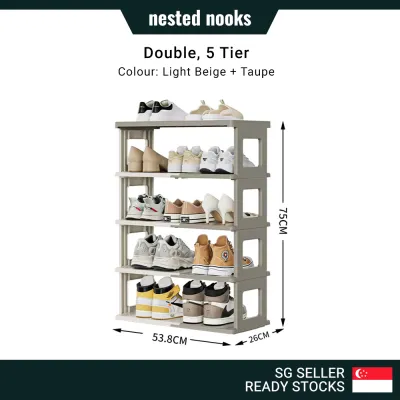
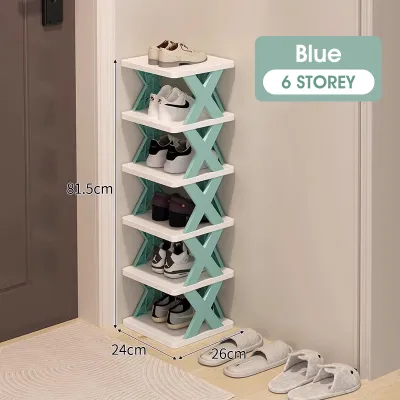
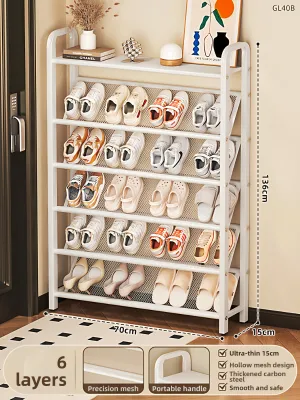
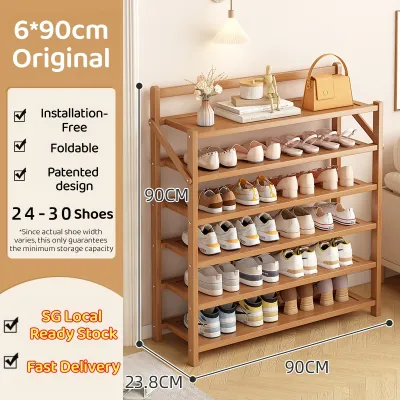
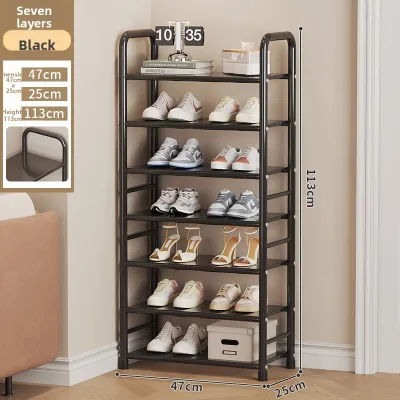
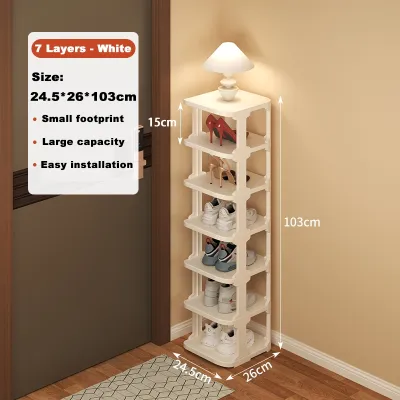
Prices are valid at publication and may change. Please refer to the product page for the latest price.
Look out for physical constraints common in HDB flats, such as wall-mounted electrical distribution boards, fiber termination points, light switches, and protruding pipes. If your shoe shelf is too tall or wide, it might block access to these utilities. Additionally, check for uneven flooring near the entrance, which can cause tall, narrow furniture to wobble dangerously.
If you plan to place any storage unit near the entrance, you must adhere to the fire safety guidelines set by the Housing & Development Board and the Singapore Civil Defence Force. For flats along common corridors, a minimum clear escape passage of 1.2 meters must be maintained at all times. If your corridor is narrow, placing furniture outside is not permitted, and your shoe storage must reside entirely within your flat. Keeping the immediate foyer clear ensures a safe evacuation during emergencies.
Select the Right Shoe Shelf Configuration
When floor space is tight, the configuration of your shoe shelf determines its overall footprint. Slim tilt-out shoe cabinets are popular for narrow entryways because they utilize a tipping mechanism rather than flat shelves. These units often feature a depth of just 15 to 24 centimeters, allowing them to sit comfortably behind doors or in tight passages where a standard cabinet would block the walkway. Shoes are stored vertically inside the compartments, which swing open smoothly.

Wall-mounted floating shelves offer another excellent space-saving alternative. Lifting the storage unit off the floor creates an open gap underneath where you can slide everyday slippers. This visual trick makes a small foyer feel larger while simplifying floor cleaning. However, floating shelves require sturdy wall mounting, so you must verify that your entryway walls can support the weight of the shelf and the footwear.
Stackable modular units provide flexibility for households with changing storage needs. These lightweight shelves can be stacked vertically as your collection grows, allowing you to utilize vertical wall space rather than floor area. When choosing modular designs, look for secure interlocking mechanisms to ensure the stacked units do not slide when bumped.
You must also evaluate the trade-offs between enclosed cabinets and open shoe racks. Enclosed cabinets hide visual clutter and protect footwear from dust, creating a clean look. However, they require extra clearance for doors to swing open, unless you opt for sliding doors or tilt-out compartments. Open shoe racks offer instant access and require zero door-clearance space, but they expose your shoes to view, which can look untidy if disorganized.
To accommodate a diverse shoe collection, prioritize shelves with adjustable heights or removable partitions. Flat sandals and sneakers require very little vertical clearance, whereas ankle boots or high heels need taller compartments. Adjustable shelving ensures you do not waste vertical space, allowing you to customize the interior layout to match your specific footwear mix.
Calculate Required Storage Capacity
To choose a shelf that fits your lifestyle, calculate your storage requirements before making a purchase. Begin by conducting an audit of your household’s footwear. Count the number of pairs that must be stored at the entryway, separating daily-wear shoes from occasional or formal footwear. Occasional shoes are better kept in bedroom wardrobes or storage boxes, leaving the entryway shelf dedicated solely to active pairs.
When evaluating a shoe shelf’s specifications, look at the usable shelf width per tier rather than just the external cabinet width. A standard pair of adult shoes typically requires about 20 to 25 centimeters of horizontal space. Therefore, a shelf with an internal width of 60 centimeters comfortably holds about two to three pairs of adult shoes per tier. If you have larger shoe sizes, you may need to budget more horizontal space per pair.
Be aware that angled shelves or tilt-out designs can sometimes reduce the effective horizontal capacity. For instance, bulky running shoes, thick-soled sneakers, or high heels may not fit easily into ultra-slim tilt-out compartments. Always check the maximum shoe size and height recommended by the manufacturer for tilt-out models to avoid buying a cabinet that cannot close properly when loaded.
Verify Stability, Ventilation, and Maintenance
Safety and durability are paramount when installing furniture in a high-traffic zone like an entryway. Tall, slim shoe shelves have a high center of gravity and a narrow base, making them prone to tipping over if bumped. This risk is especially high when drawers or tilt-out compartments are fully extended. To prevent accidents, look for units that include wall-anchoring hardware. Securing the cabinet to the wall ensures it remains stable, even when fully loaded.
Proper ventilation is essential for maintaining a fresh entryway and preserving your footwear. Enclosed shoe cabinets can trap moisture, leading to unpleasant odors and mold growth on leather or canvas shoes. To prevent this, choose cabinets with built-in ventilation features, such as louvered doors, open back panels, or ventilation cutouts. If you prefer a completely closed look, consider placing moisture-absorbing sachets inside the compartments.
The choice of material also affects the maintenance and longevity of your shoe shelf. Entryway furniture is exposed to dirt, mud, and rainwater carried in from the outdoors. Materials like water-resistant engineered wood, powder-coated metal, or durable plastics are easier to wipe clean and resist warping. Check the manufacturer’s care instructions and weight limits per shelf to ensure the structure can support heavy footwear without sagging over time.
Frequently Asked Questions (FAQ)
Can I place a shoe shelf outside my HDB flat door?
Placing a shoe shelf in the common corridor outside your HDB flat door is subject to strict regulations. According to fire safety guidelines, you must maintain a clear, unobstructed walkway of at least 1.2 meters along the corridor to ensure safe evacuation during an emergency. If your corridor is too narrow to accommodate this clearance, you cannot place any furniture outside your unit. Additionally, placing items in common areas can lead to neighbor disputes, so it is recommended to keep all shoe storage inside your flat.
How do I prevent a tall, slim shoe shelf from tipping over?
To prevent a tall, slim shoe shelf from tipping over, you should secure it directly to the wall using the manufacturer-provided wall anchors. If your rental agreement or wall type prevents drilling, you can improve stability by placing your heaviest footwear on the bottom tiers to lower the overall center of gravity. Avoid overloading the top shelves or extending multiple compartments simultaneously. Additionally, ensure the unit is placed on a completely level floor, using adjustable leveling feet if necessary.
Community discussion
Share your experience or ask a question. Comments are reviewed before publication.