
Finding the right shoe organizer for a compact Singapore apartment closet requires shifting your focus from horizontal floor space to underutilized vertical zones. In typical HDB flats and modern condominiums, bedroom floor space is at a premium, making traditional wide shoe cabinets impractical inside a wardrobe. The most effective approach is to identify dead zones—such as the space beneath hanging clothes, the back of closet doors, or the gaps between existing shelves—and select organizers that maximize these areas without obstructing daily movement.
Before purchasing any storage system, you must assess your current shoe collection against the physical limits of your wardrobe. Count your shoes and group them by height, as high heels, boots, and bulky sneakers require significantly more vertical clearance than flat sandals or slip-ons. This inventory prevents you from buying a rigid organizer that cannot accommodate your specific footwear mix.
Additionally, you must establish a baseline for door swing clearance and walkway safety. A shoe organizer should never impede the smooth operation of your closet doors or restrict the narrow pathways around your bed. By planning for these spatial dynamics early, you can ensure your storage solution remains highly functional and visually unobtrusive.
Products mentioned in this guide
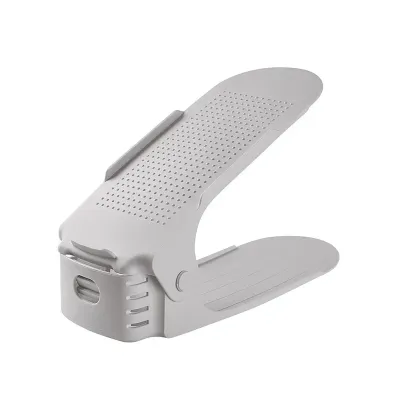
![[SG Stock] Adjustable Shoes Rack Shoe Stacker Shoe Slots Shoe Storage Rack Anti Slip Footwear Holder Space Saving Shoe Box Shoe Organiser](https://img.lazcdn.com/g/p/fc7a332836062dc07720aa078b592af6.jpg_400x400q80.jpg_.webp)
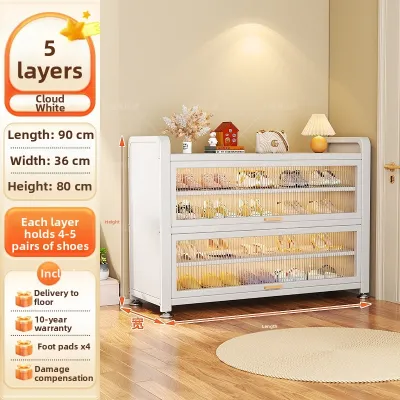
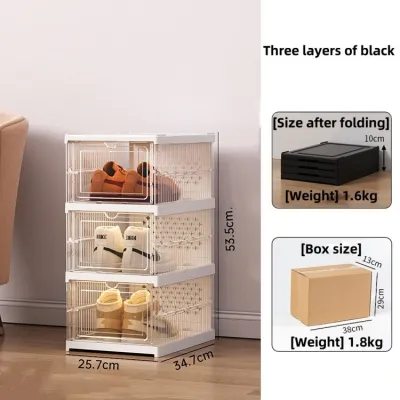
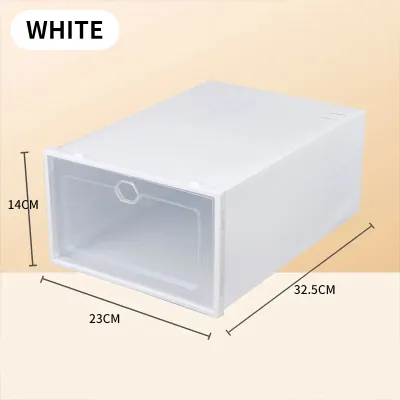
Prices are valid at publication and may change. Please refer to the product page for the latest price.
How to Measure Your Closet for a Shoe Organizer
Accurate measurements are the foundation of a successful closet organization project. Because built-in wardrobes in Singapore apartments can sometimes feature minor structural variations, you should measure the interior width, depth, and height at three different points: the top, middle, and bottom. This practice accounts for any uneven walls or internal partitions that could prevent a tight-fitting organizer from sliding into place.
Next, look closely at the hardware and architectural details inside and around your wardrobe. Measure the depth of the baseboards and check the placement of door hinges, as these components can reduce your usable width by several centimeters. If your closet has hinged doors, calculate the exact clearance needed for the doors to swing open fully without hitting the organizer. For sliding doors, measure the overlap zone to ensure you can actually access the shelves when the door is pushed to one side.
Finally, evaluate the vertical gaps within your existing layout. Measure the distance from the closet floor to the bottom of your lowest hanging clothes to determine how much height you have for floor-based racks. If you plan to place inserts on existing shelves, measure the exact height and depth of each individual compartment. Knowing these precise dimensions ensures that your new organizer will sit flush and allow the wardrobe doors to close completely.
Space-Saving Shoe Organizer Types for Compact Closets
Selecting the right style of shoe organizer depends on how your closet is configured and how much weight its structure can safely support. Different designs offer distinct trade-offs between storage capacity, ease of installation, and daily accessibility. Whether you are budgeting S$15 for basic inserts or S$50 for a heavy-duty rack, understanding these structural differences helps you choose a system that fits your lifestyle and preserves your cabinetry.

Over-the-Door and Wall-Mounted Racks
Over-the-door and wall-mounted racks are excellent for utilizing vertical surfaces that would otherwise go to waste. Before purchasing an over-the-door model, measure your closet door’s thickness and check the gap at the top of the frame to ensure the mounting hooks will not prevent the door from closing. You must also verify that the door hinges can handle the additional weight of the rack and your shoes without sagging over time.
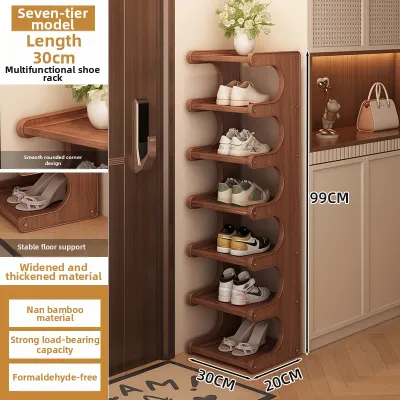
If you are considering a wall-mounted option inside your closet, check your lease agreement if you rent, as drilling into wardrobe panels or masonry walls may be restricted. Always verify the manufacturer’s stated weight limits and ensure the mounting hardware is compatible with your wall material. For safety, heavier footwear should always be placed on the lowest tiers of the rack to keep the center of gravity low.
Stackable and Adjustable Shelf Inserts
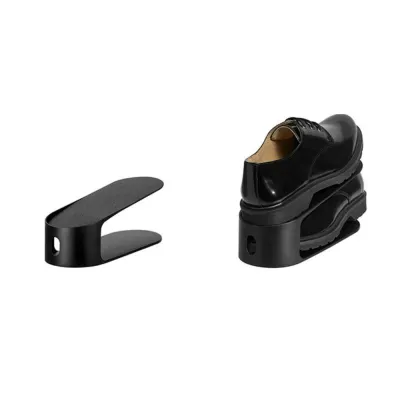
Stackable and adjustable shelf inserts allow you to double your storage capacity by utilizing the empty vertical space on your existing wardrobe shelves. When choosing these inserts, compare their depth to your shelf depth to ensure they do not protrude and block the closet doors. Look for models with secure interlocking mechanisms or non-slip feet to prevent the units from shifting when you retrieve your shoes.
Adjustability is a key feature to look for, especially if your footwear collection includes a mix of flat shoes and high heels. Some inserts feature adjustable heights or tilting shelves, allowing you to customize the clearance for each row. Before loading the inserts, verify their structural stability under load to ensure the plastic or metal frames do not bow or collapse.
Hanging and Suspended Organizers
Hanging organizers suspend directly from your closet rod, making them ideal for lightweight footwear like flats, sandals, and canvas sneakers. Before installing one, check your closet rod’s weight capacity and ensure its diameter is compatible with the organizer’s hooks or loop fasteners. A heavily loaded hanging organizer can put significant stress on a closet rod, so it is crucial to distribute the weight evenly.
When evaluating these fabric-based systems, look for durable materials with reinforced stitching around the hanging straps and shelf bases. Breathable fabrics or mesh side panels are highly beneficial, as they allow air to circulate around your shoes. Keep in mind that hanging organizers can add visual bulk to your closet, so position them where they will not block access to your hanging garments.
Material and Feature Checks for Singapore's Climate
Singapore’s tropical climate, characterized by high humidity and warmth, requires careful consideration of materials to prevent mold, mildew, and unpleasant odors. When selecting a shoe organizer, prioritize designs that maximize airflow around your footwear. Open-wire racks, slatted wooden shelves, and breathable mesh pockets are excellent choices because they allow air to circulate freely, helping damp shoes dry more quickly.
If you prefer metal organizers, check the manufacturer’s product specifications for rust-resistant coatings, such as powder coating or chrome plating. The high moisture levels in the air can cause untreated metal to corrode rapidly, which may stain your shoes or damage your wardrobe interior. For wooden organizers, look for sealed finishes that resist moisture absorption, and avoid untreated softwoods that can harbor mold.
Avoid storing daily-wear shoes in fully enclosed, non-ventilated plastic boxes or bins. These airtight containers trap moisture and sweat inside, creating an ideal environment for bacteria and mold to thrive. If you must use plastic containers for seasonal storage, ensure they feature built-in ventilation holes, and verify that your shoes are completely dry before placing them inside.
Common Sizing and Installation Mistakes to Avoid
One of the most common mistakes when setting up a closet shoe organizer is ignoring the door swing radius and the depth of internal baseboards. A rack that fits perfectly on paper may prevent your wardrobe doors from closing if you fail to account for the protruding heels of your shoes. Always add a few centimeters of clearance to your measurements to accommodate the actual physical depth of your footwear when stored.
Another frequent error is overloading temporary or non-permanent installation fixtures. Tension rods, adhesive hooks, and over-the-door hangers all have strict weight limits specified by the manufacturer. Exceeding these limits can lead to sudden structural failures, potentially damaging your closet doors, walls, or the shoes themselves. Always calculate the combined weight of your shoes before choosing a non-drilled mounting method.
Finally, avoid purchasing fixed-size modular units without verifying the exact internal dimensions of your specific wardrobe shelves. Standard modular organizers are designed for generic dimensions and may leave awkward, unusable gaps on the sides or top of your shelves. Opting for adjustable or expandable organizers allows you to customize the fit to your unique closet layout, ensuring no valuable space is wasted.
Frequently Asked Questions (FAQ)
Can I use adhesive shoe racks on rented apartment walls?
Before installing adhesive shoe racks in a rented apartment, review your tenancy agreement regarding wall modifications and damage penalties. While some high-quality adhesive strips are designed for clean removal, they can still peel paint or damage wallpaper upon removal, especially in humid conditions. Always check the manufacturer’s weight limits and surface compatibility, and consider freestanding or tension-based organizers as safer, damage-free alternatives.
How do I store tall boots in a small closet?
Storing tall boots in a compact closet requires flexible storage solutions that accommodate their height without bending the shafts. Look for shoe organizers with adjustable dividers or removable shelves that allow you to create taller vertical compartments. Alternatively, you can use boot shapers to keep them upright on a closet shelf, or utilize hanging boot clips suspended from your closet rod to keep them off the floor entirely.
Community discussion
Share your experience or ask a question. Comments are reviewed before publication.