
Choosing a shoe rack organizer that fits your closet requires balancing your physical closet dimensions with your specific shoe collection and daily access needs. To find the perfect fit, you must measure the exact floor or shelf footprint, account for door clearances, evaluate hanging clothes, and match the organizer style to your space constraints. Taking these steps ensures your shoes remain organized and accessible without overcrowding your wardrobe or blocking entryways.
By treating your closet as a three-dimensional puzzle, you can select an organizer that maximizes vertical and horizontal space. Whether you have a spacious walk-in wardrobe or a compact built-in closet typical of modern apartments, a systematic approach to measurement and style selection will help you avoid common purchasing mistakes.
Measure Your Closet Dimensions and Door Clearances
Before browsing online marketplaces or visiting furniture showrooms, you must establish the physical boundaries of your storage area. Use a metal measuring tape rather than a flexible fabric one to record the exact width, depth, and height of the designated floor or shelf space. Measure at multiple points, as closet walls and floors are rarely perfectly square, and a slight slope can cause a tight-fitting organizer to wedge or wobble.
Products mentioned in this guide
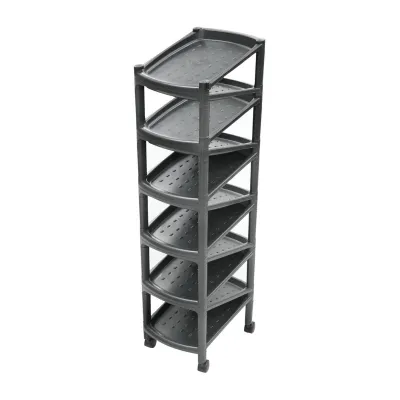
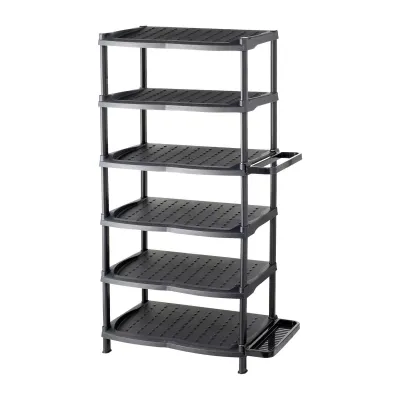
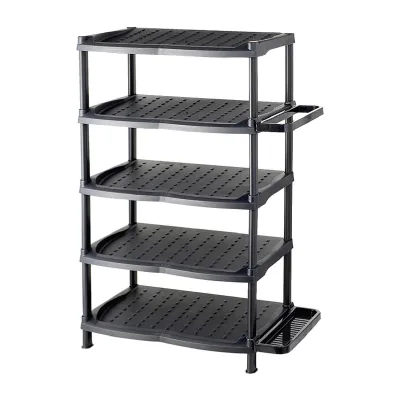
Prices are valid at publication and may change. Please refer to the product page for the latest price.
Do not assume the entire floor area is usable for storage. Take note of baseboards, wall moldings, and sliding door tracks, which often protrude into the space and reduce the actual usable depth. If a shoe rack is designed to sit flush against the wall, a thick baseboard can push the entire unit forward by one to two centimeters, potentially preventing your closet doors from closing properly.
Door clearance is another critical factor that is easily overlooked. For hinged closet doors, measure the swing radius to ensure the door can open fully without striking the front of the shoe organizer. For sliding wardrobe doors, remember that only one side of the closet is accessible at a time; the organizer must fit comfortably within the active opening width so you can reach your shoes without struggling against the door panel.
Evaluate Hanging Clothes and Internal Obstacles
Your closet is a multi-functional space, and a shoe rack must coexist with your existing wardrobe layout. Begin by evaluating the vertical clearance beneath your hanging garments. Measure the distance from the bottom hem of your longest hanging items, such as maxi dresses, long coats, or trousers, to the closet floor to determine the maximum height for a floor-standing rack.

Placing a tall shoe organizer directly beneath low-hanging clothes will crush the fabric, leading to wrinkles and restricting your ability to slide hangers along the rod. If your hanging space is limited, you may need to opt for a low-profile two-tier rack or reallocate some hanging garments to another section of the wardrobe to free up vertical space.
Beyond clothing, identify any permanent internal obstacles within the closet. Look out for built-in drawers, low-mounted shelving brackets, light switches, internal lighting fixtures, or ventilation grilles. A shoe rack placed too close to built-in drawers can block them from opening fully, while covering a ventilation grille can lead to moisture buildup and musty odors on your footwear.
Finally, consider the traffic flow and standing space immediately outside or inside the closet. You need enough room to comfortably bend down, select a pair of shoes, and stand back up. If the shoe organizer protrudes too far into a narrow walk-in closet aisle or a bedroom corridor, it quickly becomes a frustrating tripping hazard during busy mornings.
Match Shoe Rack Styles to Your Space Constraints
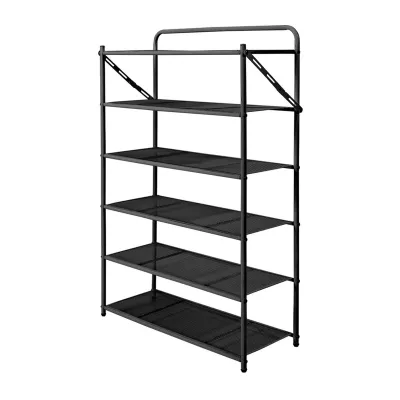
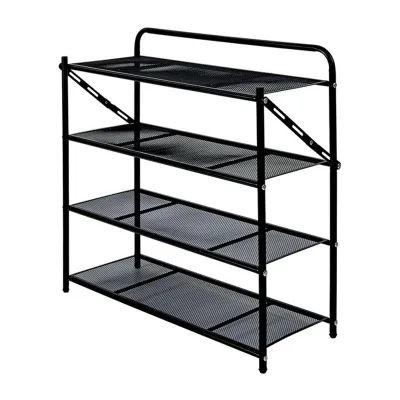
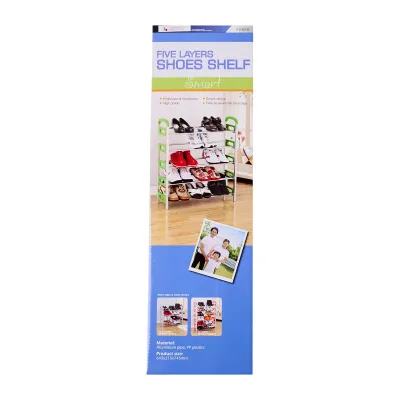
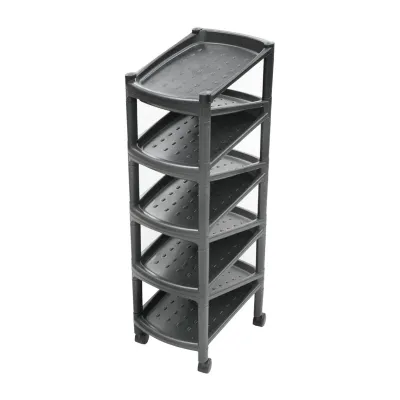
Once you have your precise measurements, you can match them to a shoe rack style that optimizes your specific layout. Floor-standing and stackable shoe racks are excellent options if you have a wide, deep closet floor with ample vertical clearance beneath short-hanging shirts and jackets. Stackable units offer the flexibility to start with a low profile and add vertical tiers later as your storage needs grow.
For narrow closets with minimal floor depth, over-the-door and hanging fabric organizers are highly efficient alternatives. Over-the-door organizers utilize the vertical space on the back of hinged doors, but you must verify that the gap between the top of the door and the frame is wide enough to accommodate the hanging hooks without scraping. Hanging organizers attach directly to your closet rod, making them ideal for utilizing vertical space, though they will reduce the horizontal width available for hanging clothes.
If your closet features an irregular layout, sloped floors, or shared zones, adjustable and expandable shoe racks provide a customized fit. These units typically feature telescoping metal bars that slide outward to match the exact width of your closet floor. When using expandable models, check the stability of the joints when fully extended to ensure the bars do not sag under the weight of heavier footwear.
To make use of vertical dead space without consuming any floor area, look for under-shelf or drop-down organizers. These compact units slide onto existing closet shelves, allowing you to store flat shoes, sandals, or slippers in the empty space directly beneath a shelf. This approach keeps your floor clear and utilizes space that would otherwise go completely wasted.
Calculate Shoe Capacity and Avoid Sizing Mistakes
To choose the right organizer, you must calculate your required capacity based on your actual shoe collection. Count the number of pairs you plan to store in the closet, keeping in mind seasonal rotations and potential future purchases. If you share the closet with a partner, ensure the organizer accommodates both of your collections without overcrowding.
Different types of footwear require different amounts of physical space. Standard shoe racks are often designed around flat shoes or low-profile sneakers, but high heels, ankle boots, and bulky athletic shoes require significantly more vertical clearance and wider slots. Measure the height and width of your tallest and widest shoes to ensure the shelf spacing on your chosen organizer can accommodate them without bending or crushing the uppers.
Avoid the common mistake of measuring only the static exterior dimensions of the shoe rack. You must also account for the dynamic space required to use the organizer daily. For example, retrieving a pair of shoes from a cubby or a tilted shelf requires several centimeters of clearance in front of the rack so you can slide the shoes out smoothly.
Lastly, consider the assembly process and structural stability of the organizer. Some flat-pack shoe racks require assembly inside the closet if the fully assembled unit is too large to fit through the wardrobe doors. Ensure you have enough physical space to maneuver tools and assemble the unit safely, or choose a pre-assembled, foldable, or modular system that can be easily placed inside your closet without hassle.
Community discussion
Share your experience or ask a question. Comments are reviewed before publication.