
Selecting the perfect round table is more than finding an attractive surface; it is about creating visual harmony and seamless physical flow in your central living space. A round coffee table naturally softens the rigid, linear lines common in modern apartments, making it an excellent choice for balancing blocky sofas and rectangular media consoles. To find a style that integrates beautifully, you must look at your existing layout, furniture silhouettes, and material palette. By matching the table’s design language to your interior theme, you can elevate the entire room from a collection of random items into a cohesive, intentional space.
Assess Your Living Room's Existing Design Style
Before browsing showroom galleries or online marketplaces, look closely at your current living room setup. The largest furniture piece in the room—typically your sofa—serves as the primary style anchor. Observe its silhouette: is it a structured, low-profile leather sectional with sharp metal legs, or a plush, deep-seated fabric sofa with soft curves and turned wooden feet? The visual weight and leg style of your sofa will dictate what kind of coffee table base will look balanced next to it.
Next, evaluate the room’s color palette, lighting, and dominant textures. A sun-drenched living room featuring light oak flooring and linen curtains has a breezy, open baseline mood. In contrast, a cozy, dimly lit space with dark charcoal walls, velvet cushions, and heavy drapes demands a table that can hold its own against those rich textures. Take note of other wood tones or metallic finishes present in your media console, side tables, or shelving units. You do not need to match every finish exactly, but identifying these dominant elements helps you establish a clear design baseline. This assessment ensures your new round table complements, rather than competes with, the existing atmosphere.
Products mentioned in this guide
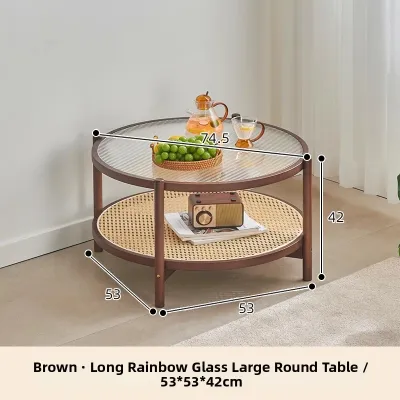
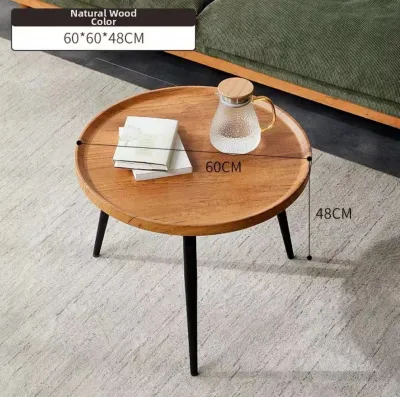
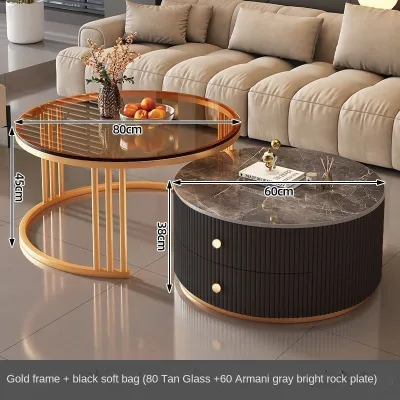

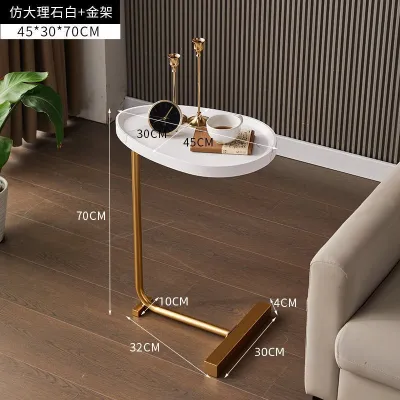
Prices are valid at publication and may change. Please refer to the product page for the latest price.
Matching Round Coffee Table Styles to Popular Interior Themes
Modern and Contemporary Spaces
In modern and contemporary living rooms, the design philosophy centers on clean lines, geometric forms, and uncluttered silhouettes. A round table in this setting should feel sleek and almost sculptural. Look for materials that reflect light and keep the visual weight light, such as tempered glass, polished chrome, brushed brass, or high-gloss lacquered finishes. A glass-topped round table with a slender metal frame is particularly effective in compact modern apartments, as it allows the eye to travel straight through, making the floor area appear larger.

Architectural or sculptural bases work exceptionally well in contemporary spaces. Instead of traditional four legs, consider a table with a geometric tripod base, an asymmetric metal frame, or a cantilevered design. These forms act as subtle artistic focal points without cluttering the room. When choosing a contemporary round table, ensure the metal finishes or glossy surfaces coordinate with other accents in your room, such as light fixtures or cabinet hardware, to maintain a polished, unified look.
Scandinavian and Minimalist Interiors
Scandinavian and minimalist designs are celebrated for their warmth, functionality, and deep connection to nature. For these spaces, a round table crafted from light-toned woods—such as white oak, ash, beech, or birch—is the ideal choice. Focus on natural, matte, or satin finishes that showcase the organic grain of the wood rather than masking it under a thick, shiny lacquer.
Look for low-profile, highly functional designs that emphasize simplicity. Tables with slender, tapered wooden legs, soft rounded edges, or minimalist hairpin wire bases fit this aesthetic perfectly. Multi-functional options, such as nesting round tables, are also highly popular in Scandinavian design; they offer flexible surface area when hosting guests but slide neatly together to save space day-to-day. Avoid heavy ornamentation, dark stains, or bulky silhouettes, as these can disrupt the airy, serene, and uncluttered atmosphere characteristic of Nordic interiors.
Industrial and Urban Lofts
Industrial and urban loft styles embrace raw, edgy, and exposed architectural elements. To complement this rugged aesthetic, choose a round table constructed from utilitarian, hard-wearing materials. Reclaimed wood tops with prominent knots and grain variations, distressed metal frames, concrete, or high-quality faux-concrete finishes are excellent candidates.
Look for designs that feature visible hardware, such as exposed rivets, heavy-duty casters, or pipe-style iron legs. A round table with a thick, rustic wooden top paired with a matte black steel frame provides the perfect balance of warmth and industrial grit. Because industrial spaces often feature high ceilings, exposed brick, or open-plan layouts, choosing a table with a slightly heavier visual weight can help ground the seating arrangement. The circular shape of the table is also highly effective at softening the many hard, angular lines inherent in industrial architecture, such as exposed ductwork, metal window frames, and structural beams.
Traditional and Transitional Rooms
Traditional and transitional spaces call for a sense of classic elegance, symmetry, and refined craftsmanship. In a traditional living room, a round coffee table made from rich, dark woods like walnut, mahogany, or cherry adds warmth and a sense of history. Look for classic, substantial proportions and details that showcase traditional furniture-making techniques, such as turned legs, fluted columns, or a classic central pedestal base.
Transitional style, which bridges the gap between traditional charm and modern simplicity, offers a bit more flexibility. For a transitional room, look for a round table that pairs a classic material—like a polished white marble top or a rich oak frame—with a cleaner, more simplified circular silhouette. A simple wooden pedestal table with a smooth, unadorned surface works beautifully here. It honors the warmth and quality of classic materials while keeping the lines clean enough to feel fresh and relevant in a modern home.
Key Design Elements to Evaluate Beyond the Style Label
While identifying a style theme is a great starting point, you must also evaluate the physical attributes of the round table to ensure true visual harmony.
Material Contrast vs. Coordination
When pairing your round table with your seating, aim for a balance of textures. If you have a plush, heavily textured fabric or velvet sofa, a smooth wooden or stone-topped table provides a pleasing tactile contrast. Conversely, if your sofa is sleek leather, a wooden coffee table can introduce much-needed warmth and organic softness. For smaller spaces, a glass-topped table is invaluable; it maintains clear sightlines across the floor, preventing a compact seating area from feeling visually crowded. While solid wood and natural stone are highly sought after, their long-term durability in humid climates depends heavily on the protective finish applied. Always check the manufacturer’s care instructions to verify if the surface has been sealed against moisture and scratches, and inspect the joints for robust construction before making a purchase.
Base Design and Visual Weight
The design of the table’s base dramatically affects how heavy or light the piece feels in the room. A solid, cylindrical concrete or wood pedestal base has a strong grounding effect, drawing the eye down and anchoring the seating arrangement. This works well in large, open-plan rooms. On the other hand, a table with slender, open metal legs or an airy wireframe base feels light and spacious, making it ideal for smaller rooms where you want to maximize the perception of open floor space.
Color and Finish Strategy
Decide whether you want your coffee table to blend in or stand out. If your goal is a serene, cohesive look, match the wood species or color tone of the table to other major wooden elements in the room, such as your flooring or media unit. If you want to create a striking focal point, opt for high contrast—such as a matte black round table in a predominantly white and light grey room, or a white marble-topped table against dark wood floors. If you are shopping within broad price bands—from entry-level options under S$300 to premium designer pieces above S$1,000—focusing on the quality of the finish rather than the price tag alone will ensure the piece looks elegant in your space.
Practical Sizing and Placement Tips for Round Tables
Even the most beautiful coffee table will feel out of place if its dimensions do not match the scale of your room and seating.
Proportion to Seating
As a general rule, the diameter of your round coffee table should be between one-half and two-thirds the length of your sofa. For example, if you have a 200 cm sofa, a round table with a diameter of 100 cm to 130 cm will look balanced and remain easily reachable from all seats. If you have a large L-shaped sectional, a round table fits beautifully into the “L” nook, but ensure it is large enough to serve both sides of the sectional without looking lost in the empty space.
Clearance and Traffic Flow
To ensure comfortable legroom and easy movement around the living room, leave a clearance gap of 40 cm to 45 cm between the edge of the coffee table and the front of your sofa. This distance is wide enough to walk through comfortably but close enough to easily set down a cup or book. Additionally, ensure there is at least 75 cm to 90 cm of clearance between the table and other major pieces of furniture, like a TV console or armchair, to maintain a clear walkway. When ordering a round coffee table, especially a heavy solid wood or stone pedestal design, always verify the finished dimensions against your home’s doorway and lift access. Many round tables feature solid, non-detachable bases that cannot be easily tilted or disassembled, making lift clearance a critical delivery check.
Height Alignment
The height of your round coffee table is crucial for both ergonomics and visual balance. The table surface should sit level with, or slightly below (by about 2 cm to 5 cm), the top of your sofa’s seat cushions. A table that is too tall will disrupt sightlines and feel awkward to reach up to, while a table that is too low can be uncomfortable to use and look disproportionately small.
Frequently Asked Questions (FAQ)
Can a round coffee table work in a small living room?
Yes, a round coffee table is often the ideal choice for compact living rooms, such as those found in typical Singapore apartments. Because they lack sharp corners, round tables improve traffic flow and significantly reduce the risk of painful bumps in tight spaces. Their curved silhouette also takes up less physical and visual floor area than a rectangular or square table of similar dimensions, helping a small room feel more open and airy.
How do I mix a round coffee table with rectangular furniture?
Mixing a round coffee table with rectangular furniture is an excellent way to create a dynamic and balanced visual composition. The soft, organic curves of a round table break up the rigid, linear lines of rectangular sofas, area rugs, and media consoles. This contrast prevents the room from feeling overly clinical or boxy, adding visual interest and making the entire seating arrangement feel more inviting and comfortable.
Community discussion
Share your experience or ask a question. Comments are reviewed before publication.