
Selecting the perfect seating for your dining room is more than a matter of utility; it is an exercise in visual harmony. While once relegated to outdoor patios, the modern plastic chair has evolved into a sophisticated interior design staple. Today, these versatile pieces offer an array of forms, finishes, and structural configurations that can either seamlessly blend into your existing decor or serve as a striking focal point. Achieving the right balance requires a thoughtful evaluation of your home’s architectural style, spatial constraints, and daily functional needs. By understanding how different molds, colors, and leg materials interact with your surroundings, you can select a design that elevates your dining space while providing lasting comfort and utility.
Evaluate Your Current Dining Space and Décor Theme
Before browsing specific chair models, take a step back to analyze the existing aesthetic of your home. In many modern layouts, particularly open-concept apartments, the dining area shares a visual boundary with the living room or kitchen. Your new seating must respect this flow; a mismatch here can make the entire communal space feel disjointed. Identify the dominant design language of these adjacent spaces—whether it is clean-lined minimalism, warm rustic charm, or sleek contemporary design—to establish a clear stylistic direction.
Next, examine the existing color palette and materials in the room. Take note of the wall paint, flooring material (such as warm teak parquet, cool porcelain tiles, or textured vinyl), and the dining table itself. A solid wood table demands a different chair style than a table made of sintered stone, glass, or powder-coated metal. The goal is to choose a plastic finish and hue that complements these textures rather than competing with them.
Products mentioned in this guide
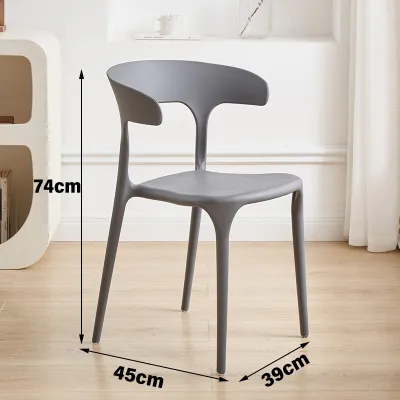
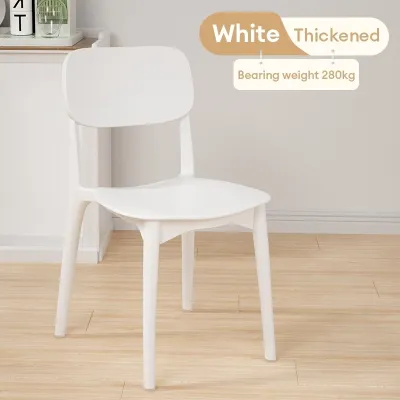
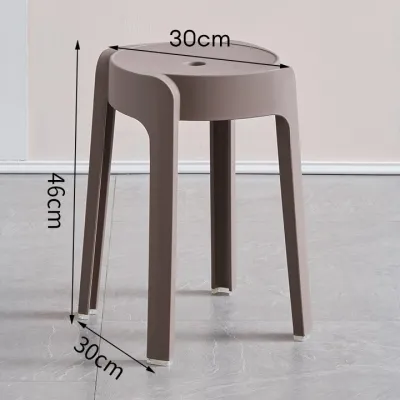
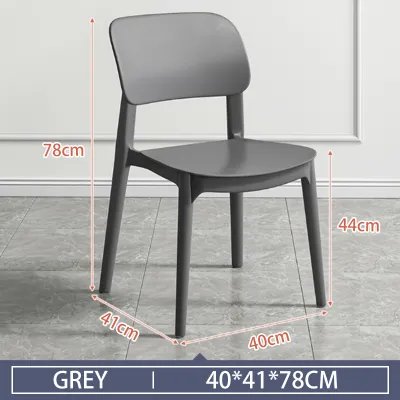
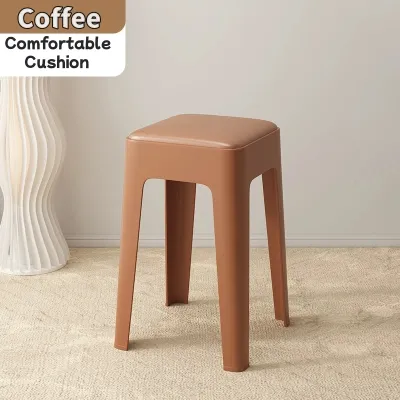
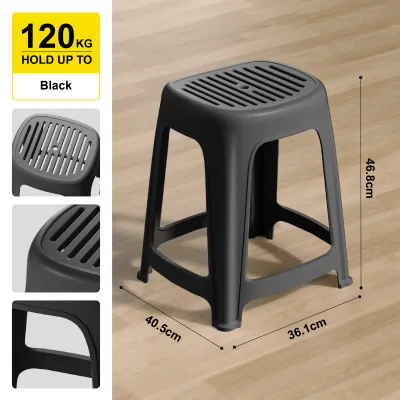
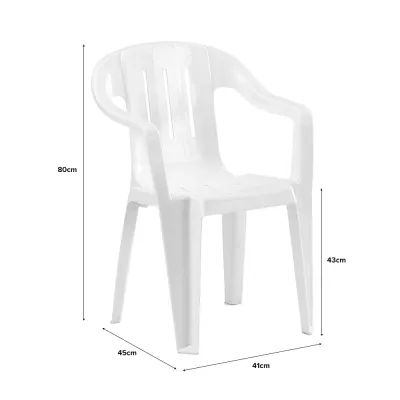
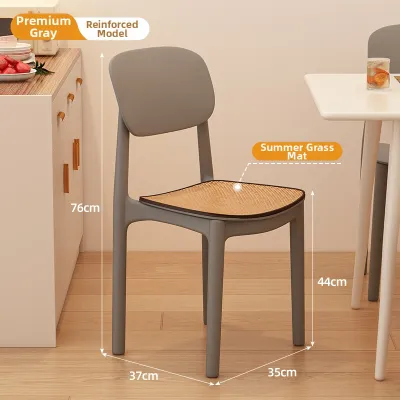
Prices are valid at publication and may change. Please refer to the product page for the latest price.
Lighting is another critical, yet often overlooked, factor in how furniture looks in a home. Natural light streaming through large balcony windows will highlight the subtle textures and curves of a matte-finished shell. Conversely, warm artificial downlights or low-hanging pendant lamps can create sharp reflections on high-gloss plastic surfaces. Observe how light moves through your dining space during the hours you use it most to determine which surface finishes will look best.
Finally, take precise measurements of your dining area and existing table. You must calculate the available clearance space around the table, ensuring there is enough room for people to pull chairs out and walk behind them comfortably. Note the distance between the table legs to understand how many chairs can realistically fit along each side without crowding. If your home has tight spatial constraints, these dimensions will directly influence whether you should look for slim, armless profiles or wider, armchair-style designs.
Decode the Design Elements of Plastic Chairs
To choose a style that complements your interior, you must first understand the visual vocabulary of modern plastic seating. The shell shape of a plastic chair is its most defining physical characteristic. Organic, curved molds feature soft, flowing lines that mimic natural forms, creating an inviting and relaxed atmosphere. These rounded shapes are highly effective at softening rooms with lots of hard angles. On the other hand, geometric and angular silhouettes offer a highly structured, architectural look that feels bold, deliberate, and undeniably modern.

Surface finishes also play a major role in defining a chair’s character and durability. Matte finishes are understated and sophisticated, diffusing light gently to create a velvety, high-end appearance. They are also excellent at hiding minor surface oils and dust. Glossy finishes are highly reflective and sleek, injecting a sense of retro-futuristic energy or high-contrast drama into a space. Textured finishes offer a tactile quality that mimics fabric or natural grain, which has the added practical benefit of concealing micro-scratches from daily use.
Color selection is a powerful tool for establishing the mood of your dining room. If your goal is a serene, cohesive space where the architecture takes center stage, opt for neutral tones like off-white, warm taupe, charcoal, or soft grey. These shades allow the chairs to blend quietly into the background. If you prefer to make a design statement, choose bold, saturated colors such as terracotta, forest green, or deep navy. A set of vibrantly colored chairs can instantly energize a neutral room, turning the dining set into a captivating focal point.
The material used for the chair’s base or legs can completely transform its stylistic category. A plastic shell paired with tapered wooden legs introduces organic warmth, instantly shifting the design toward a cozy, natural aesthetic. Swapping those wooden legs for slender chrome or black powder-coated metal legs immediately gives the chair a sleeker, more industrial or contemporary edge. For the ultimate minimalist statement, a monobloc chair made entirely of a single molded plastic material offers clean, uninterrupted lines that feel light and unobtrusive.
Pairing the Right Plastic Chair with Popular Interior Styles
Matching a plastic chair to your interior style is about identifying common design threads and repeating them thoughtfully. By aligning the shell shape, finish, and leg materials of your chairs with the core principles of your favorite decor theme, you can create a space that feels curated and intentional.
Scandinavian and Minimalist Interiors
Scandinavian and minimalist homes prioritize light, functionality, and a deep connection to nature. To complement this aesthetic, look for plastic chairs that feature gentle, organic curves and soft, matte finishes. The color palette should remain restrained and peaceful; pastel tones, sage green, soft grey, and warm off-white work beautifully in these airy spaces.
To maintain the cozy warmth characteristic of Scandinavian design, select plastic shells paired with light wood legs made of ash, oak, or beech. This combination of synthetic and natural materials creates a balanced, grounded look. Avoid high-gloss surfaces, harsh primary colors, or overly intricate metal bases, as these elements can disrupt the quiet, calming atmosphere of a minimalist dining room.
Modern and Contemporary Interiors
Modern and contemporary spaces thrive on sleek lines, sophisticated contrasts, and bold architectural statements. For these interiors, high-gloss finishes and sharp, geometric silhouettes are highly effective. You can experiment with bold monochromatic schemes, such as stark black or pristine white shells, or introduce deep, luxurious colors like emerald green or rich navy to create visual drama.
These chairs pair exceptionally well with high-end table materials such as polished marble, sintered stone, glass, or dark-stained wood. To enhance the streamlined, luxurious feel of a contemporary dining area, choose chairs with polished chrome, brushed brass, or ultra-slim black metal legs. The reflective metal surfaces will catch the light beautifully, adding a touch of sophistication to the room.
Industrial and Eclectic Interiors
Industrial and eclectic styles embrace raw textures, mixed materials, and highly personalized decor choices. In an industrial setting, look for textured or matte molded plastic shells paired with rugged bases made of black steel, wire frames, or distressed wood. The contrast between the smooth, manufactured plastic shell and the rough, weathered elements of the base creates a compelling visual tension.
For eclectic spaces, the dining table is an excellent place to showcase your personality. You can opt for vintage-inspired plastic molds—such as classic mid-century bucket seats—in vibrant, unexpected colors. Placed against raw materials like exposed brick walls, concrete screed flooring, or a rustic wooden dining table, these expressive chairs break up visual monotony and add a playful, artistic character to the home.
Balance Style with Practical Needs for Singapore Homes
While aesthetics are essential, your dining chairs must also perform well under the unique living conditions of Singapore. Many local homes, particularly HDB flats and condominiums, feature compact dining layouts that require smart space-saving solutions. To maximize your floor area, consider armless plastic chairs with slim profiles, which can be tucked completely under the table when not in use. Stackable designs are also highly practical, allowing you to keep extra seating on hand for guests without permanently sacrificing precious floor space.
The tropical climate of Singapore is another important factor to keep in mind. High humidity levels can cause wood to warp and low-grade metals to rust over time, but high-quality plastic is naturally resilient against moisture. However, if your dining area is situated near a balcony or large window that receives intense afternoon sun, check the manufacturer’s product specifications for UV resistance or UV stabilizers. Prolonged exposure to direct sunlight can cause non-UV-treated plastics to fade or become brittle over time.
Maintenance is where plastic chairs truly excel, making them a popular choice for busy households, families with young children, or pet owners. Spills, food crumbs, and sticky handprints can be wiped away easily with a damp cloth. To keep your chairs looking pristine, always consult the manufacturer’s care instructions before using cleaning agents. Harsh chemical solvents or abrasive scrubbing pads can permanently scratch or dull matte and textured finishes, so sticking to mild soapy water is usually the safest approach.
Additionally, consider the logistics of delivery and installation. If you are purchasing fully assembled chairs, measure your HDB lift dimensions and front doorway clearance to ensure the delivery team can transport them easily. For self-assembly models, verify that all necessary hardware and floor protectors are included in the package to prevent scratching your parquet or vinyl flooring during daily use.
A Step-by-Step Checklist to Finalize Your Selection
To ensure your chosen plastic chairs are a perfect fit both visually and physically, follow this structured verification checklist before making your purchase:
- Step 1: Verify seat height and apron clearance. Measure the distance from the floor to the top of the chair seat, and compare it to the height of your dining table. For comfortable seating, you need a gap of approximately 25 to 30 centimeters between the seat and the underside of the table (the apron) so that your legs have plenty of room to move.
- Step 2: Calculate total width and spacing. Measure the distance between the legs of your dining table. Multiply the width of your chosen chair by the number of chairs you plan to place on one side, and add at least 15 centimeters of breathing room between each chair and from the table legs. This ensures your guests can sit comfortably without bumping elbows.
- Step 3: Evaluate physical samples in your home's lighting. If possible, visit a showroom to view physical color swatches or request high-resolution photos of the chairs in real-world settings. Observe how the color and finish look under lighting that matches your home's color temperature (such as warm white 3000K or cool white 4000K) to avoid any unexpected color clashes.
- Step 4: Review manufacturer specifications and floor protection. Check the product's maximum load capacity to ensure long-term structural stability. Additionally, inspect the bottom of the chair legs; ensure they are equipped with high-quality rubber glides or felt pads that are compatible with your flooring material to prevent unsightly scratches and scuffs.
Frequently Asked Questions (FAQ)
Can I mix different plastic chair styles around the same dining table?
Yes, mixing different chair styles is an excellent way to create a dynamic, personalized look, provided you follow a unifying design principle. To keep the arrangement from looking chaotic, try keeping one design element constant. For example, you can choose the exact same chair model but select three or four different complementary colors. Alternatively, you can choose different chair shapes and leg styles but keep them all in a single, uniform color like matte black or off-white. This creates a sense of deliberate cohesion while still celebrating visual variety.
How do I prevent plastic dining chairs from looking cheap?
To ensure your plastic chairs look premium and sophisticated, focus on the quality of the manufacturing. Look for chairs made from high-quality, solid-colored polypropylene or polycarbonate with smooth, seamless edges and no visible molding lines. Opting for matte or finely textured finishes rather than high-gloss surfaces instantly elevates the look. Finally, pair your plastic chairs with high-quality natural materials, such as a solid oak or sintered stone dining table, and consider adding tailored, textured seat cushions in linen or wool blends to add physical warmth and depth.
Community discussion
Share your experience or ask a question. Comments are reviewed before publication.