
Choosing the perfect Nordic coffee table for a Singapore home is a balancing act between Scandinavian minimalism—which values light, air, and natural elements—and the physical realities of compact HDB flats and condominium layouts. In smaller living rooms, every piece of furniture must justify its footprint. A well-chosen table acts as a functional anchor without disrupting the physical and visual flow of your home.
To make the right choice, you must look beyond mere aesthetics and evaluate the table’s footprint, visual weight, material durability in high humidity, and multi-functional utility. By understanding how to measure your space, match shapes to your layout, select climate-appropriate materials, and prioritize functional features, you can find a beautiful nordic table that elevates your living area while maintaining an airy, uncluttered feel.
Define Your Nordic Style Baseline
The foundational principles of Nordic design center on minimalism, functionality, light color palettes, and natural textures. Originating in countries with long, dark winters, this design movement prioritizes maximizing natural light and creating warm, inviting interiors. In a compact Singaporean living room, these principles are incredibly practical, helping to combat the closed-in feeling that can occur in dense urban housing.
Products mentioned in this guide
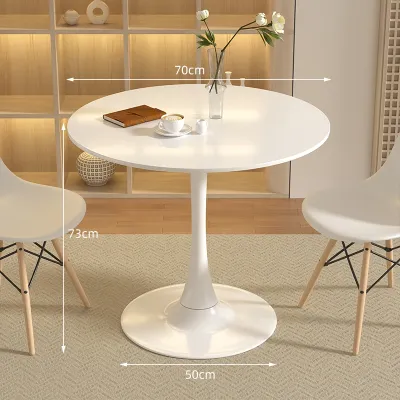

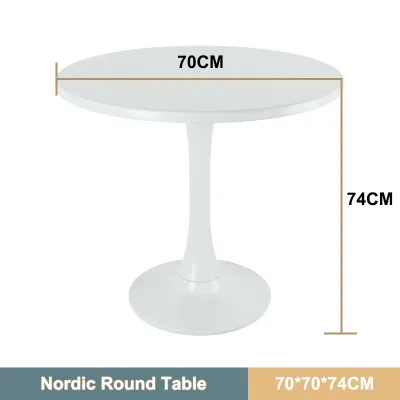
Prices are valid at publication and may change. Please refer to the product page for the latest price.
Visual lightness is a crucial concept in Scandinavian interiors. Rather than choosing heavy, blocky furniture that dominates a room, Nordic design utilizes clean lines, open frames, and slender silhouettes. This approach allows light and air to circulate freely around and under the furniture, which visually expands the floor area and makes the entire room feel more spacious.
A true Nordic table prioritizes purposeful utility over ornamental excess. Every curve, joint, and surface serves a clear function, completely free of unnecessary embellishments or heavy carvings. By focusing on clean lines and organic simplicity, you can easily filter out bulky, incompatible furniture styles early in your search, ensuring your living room remains a serene and orderly retreat.
Measure Your Space for HDB and Condo Layouts
Before browsing online marketplaces or visiting local showrooms, you must take precise measurements of your living room. HDB BTO flats and modern condominiums often feature tight, open-plan layouts where the living zone merges with the dining area or entryway. Accurate spatial planning is the only way to prevent your coffee table from becoming a constant physical obstacle.

To begin, measure the available floor area between the front edge of your sofa and your TV console or opposite wall. Use a metal measuring tape for accuracy, and sketch a quick floor plan of the seating area. Note any fixed architectural features, such as structural pillars, low windows, or nearby electrical outlets that might influence where your furniture sits.
Next, apply the standard proportion rule to determine the ideal length of your coffee table. As a general guideline, the table’s length should be approximately one-half to two-thirds the total length of your sofa. For example, if you have a standard three-seater sofa measuring 180 cm in length, your coffee table should ideally measure between 90 cm and 120 cm. This proportion ensures the table is easily reachable from all seats without looking awkwardly small or overwhelmingly large.
Clearance distances are equally vital for daily comfort and safety. You should maintain a clearance of 30 cm to 45 cm between the front edge of the sofa cushions and the edge of the coffee table. This distance provides ample legroom to sit and stand comfortably, while still keeping drinks, books, or remotes within easy arm’s reach.
You must also ensure that the main walkways around the seating area remain completely unblocked. Leave a minimum of 60 cm—though 75 cm to 90 cm is highly preferred—of clear walkway space between the outer edge of the coffee table and any opposing furniture, such as a TV console or sideboard. This allows family members to walk through the living room without having to squeeze past or turn sideways.
Finally, account for the swing radius of nearby doors, balcony sliding glass doors, and lower drawers. In compact Singaporean layouts, a drawer in your TV console that cannot open fully because it hits the coffee table is a major daily frustration. Open all nearby drawers, cabinets, and doors completely during your measuring process to ensure they have clear clearance.
Match the Table Shape to Your Sofa and Flow
The shape of your coffee table directly impacts how easily you can move through your living room and how well the piece complements your existing seating arrangement. Different shapes solve different spatial challenges, so you should choose one that aligns with your household’s daily habits and traffic patterns.
Round and Oval Tables
Round and oval coffee tables are exceptionally well-suited for tight spaces, L-shaped sectional sofas, and homes with young children or pets. Because they lack sharp corners, these shapes naturally soften the visual lines of a room and allow for smoother, safer traffic flow. Family members can easily navigate around a round table without the risk of bumping into sharp edges in a narrow walkway. Furthermore, round tables offer flexible seating angles, making it easier to gather extra floor cushions or stools around the table when hosting guests.
Rectangular and Square Tables
Rectangular and square tables work best in larger, more traditional living room setups featuring standard linear sofas. A rectangular table mirrors the long, straight lines of a multi-seater sofa, providing a balanced look and a generous surface area that is easily accessible to everyone seated. However, because they have defined corners, rectangular and square tables require larger clearance zones. You must ensure your living room has sufficient width to accommodate these corners without restricting movement along the main walkways.
The Impact of the Table Base
The design of the table’s base plays a significant role in how large the piece feels in your room. Solid pedestal bases or thick, blocky legs block sightlines and create a heavy visual anchor, which can make a small room feel crowded. In contrast, tables with raised, slender, or tapered legs—typical of classic mid-century Nordic design—create a sense of airiness. Elevating the table body allows you to see more of the floor underneath, tricking the eye into perceiving the room as larger and more open than it actually is.
Select Materials Suited for Tropical Climates
Authentic Nordic design relies heavily on natural materials, but Singapore’s tropical climate presents unique challenges. High relative humidity, consistent warmth, and intense sunlight can affect the durability and appearance of certain materials over time, making careful selection essential.
Light-colored woods such as ash, oak, and birch are hallmark materials of Scandinavian furniture, bringing organic warmth and beautiful grain patterns into the home. However, solid wood is naturally porous and can warp, swell, or crack when exposed to extreme humidity fluctuations or direct sunlight near balcony doors. When shopping, always prioritize pieces that have been treated with high-quality, moisture-resistant protective coatings, such as polyurethane or specialized hardwax oils, which seal the wood fibers.
Before making a purchase, read the manufacturer’s care instructions and product specifications carefully to verify the table’s suitability for humid environments. It is also wise to check the warranty conditions to see if damage caused by humidity, moisture, or heat is covered, as some premium solid wood imports are designed primarily for drier, temperate climates.
If you love the look of natural wood but worry about maintenance, consider high-quality engineered wood with a natural wood veneer. Veneered tables offer the authentic appearance and texture of solid wood but are generally more stable and less prone to warping or cracking in humid conditions. Alternatively, look for tables that pair a sturdy solid wood frame with a tempered glass or powder-coated metal top.
Tempered glass or acrylic tops are excellent choices for enhancing visual lightness in compact living rooms. Because they are transparent, they allow light to pass through completely, making the table almost invisible from certain angles. While glass is highly resistant to humidity and spills, it does require regular wiping to remove fingerprints, dust, and smudges, which tend to show up clearly in bright, natural light.
Powder-coated metal bases or accents offer outstanding structural stability and a clean, modern aesthetic. The powder-coated finish protects the metal from rust and corrosion in Singapore’s humid air, making it a highly durable and low-maintenance option that beautifully contrasts with warm wood elements.
Prioritize Multifunctional Features for Small Spaces
In a compact HDB or condo living room, a coffee table that serves only one purpose can feel like a missed opportunity. Prioritizing multifunctional, space-saving designs allows you to enjoy the clean, minimalist aesthetic of Nordic style while gaining valuable practical utility.
Nesting Tables
Nesting tables are an incredibly versatile solution for small spaces. These sets typically feature two or three tables of graduating sizes that slide neatly underneath one another when not in use, keeping your floor area clear. When you have guests over or need extra space for drinks, snacks, or a laptop, you can easily pull the smaller tables out to expand your surface area, arranging them in a stepped configuration that adds visual interest to the room.
Built-in Hidden Storage
To maintain the clean, clutter-free surfaces essential to Scandinavian design, look for tables with clever built-in storage. Options with lower open shelves, sliding slatted panels, or discreet drawers allow you to tuck away remote controls, reading materials, chargers, and tissue boxes. This keeps your main tabletop completely clear, preserving the calm, orderly atmosphere of your living space.
Lift-Top Mechanisms
For those who frequently work from home or enjoy dining while watching television, a lift-top coffee table is a highly practical choice. These tables feature a mechanical top that lifts upward and forward, bringing the surface closer to you at a comfortable desk or dining height. When choosing a lift-top table, always inspect the stability, weight capacity, and hardware quality of the lifting mechanism to ensure it operates smoothly and safely without wobbling.
While these functional features are incredibly useful, you must balance them with the clean, uncluttered lines typical of Scandinavian design. Avoid overly bulky, heavy storage chests that mimic rustic or industrial styles, as these can overwhelm a small room. Instead, look for smart storage solutions integrated into slim, elegant silhouettes that preserve the visual lightness of your space.
Verify Fit and Visual Balance Before Buying
Once you have selected a specific Nordic coffee table style and size, you should perform a few quick visual and physical checks in your living room before finalizing your purchase. Taking these extra steps helps prevent the hassle and expense of returns or exchange fees.
Start by creating a physical mockup of the table’s footprint on your living room floor. You can use painter’s tape or lay down sheets of newspaper cut to the exact dimensions of the table. Leave this mockup on the floor for a full day, walking around it during your normal daily routines to ensure it does not block walkways, restrict access to cabinets, or interfere with your comfort.
Next, stand at the main entrance of your home or the entrance of the living room to check the sightlines. Ensure the table does not visually block the space or make the entryway feel closed off. If the mockup feels too dominant, you may want to opt for a smaller size, a rounder shape, or a design with more slender, elevated legs to restore visual balance.
You should also verify that the height of the coffee table aligns properly with your sofa’s seat cushions. Ideally, the table surface should be level with or up to 5 cm lower than the top of your sofa cushions. A table that is too high can block your view of the television and feel awkward to use, while a table that is too low can make reaching for items uncomfortable.
Finally, do not forget to check your home’s delivery access. Measure the width and height of your front door, entryway corridors, and the interior dimensions of your HDB or condominium lift. Ensuring the packaged table can easily fit through these spaces on delivery day will save you from unexpected delivery complications and ensure a smooth, stress-free setup.
Frequently Asked Questions (FAQ)
Should I place a rug under my Nordic coffee table?
Yes, placing a rug under your Nordic coffee table is an excellent way to anchor your seating area and define the living zone, especially in open-concept HDB or condo layouts. A well-chosen rug ties the sofa and coffee table together, creating a cohesive, cozy island within a larger room.
To achieve the best visual balance, ensure the rug is large enough that at least the front legs of your sofa and the entire coffee table rest comfortably on it. If the rug is too small, it can make your seating area look disjointed and actually make the room feel smaller.
For a classic Nordic aesthetic, opt for low-pile, natural-texture rugs made from materials like flat-woven wool or jute blends. These textures complement the organic warmth of wood tables while being highly practical, easy to vacuum, and durable enough to withstand daily foot traffic in Singapore’s tropical environment. Avoid high-pile or deep-shag rugs, as they tend to trap dust, pet hair, and moisture, making them more difficult to keep clean and fresh in humid weather.
Community discussion
Share your experience or ask a question. Comments are reviewed before publication.