
Choosing the right coffee table is a pivotal decision in living room design, as this central piece anchors your seating arrangement and serves as a functional hub. A nesting coffee table offers a highly versatile alternative to traditional, static coffee tables, allowing you to expand your surface area when hosting guests and slide the pieces together to reclaim floor space afterward. To choose a nesting coffee table style that seamlessly matches your living room decor, you must evaluate the dominant design lines of your existing furniture, align the material finishes with your room’s hardware, and select a geometric shape that optimizes your floor plan and pedestrian traffic.
By understanding how different nesting designs interact with your space, you can select a set that is both visually cohesive and highly practical. Whether you are furnishing a compact apartment or a spacious open-plan home, matching your nesting tables to your interior aesthetic requires a balance of style, scale, and material coordination.
Identify Your Dominant Living Room Style
Before browsing through nesting table designs, take a step back to analyze the existing design elements in your living room. Your coffee table should not exist in isolation; it must converse with your sofa, media console, accent chairs, and wall decor. Begin by observing the dominant lines and shapes of your current furniture. If your sofa features clean, straight lines with square track arms and blocky legs, your room already leans toward a structured, modern, or contemporary aesthetic. Conversely, if your seating has rolled arms, tufted upholstery, or curved silhouettes, your space carries a more traditional or transitional visual language.
Products mentioned in this guide
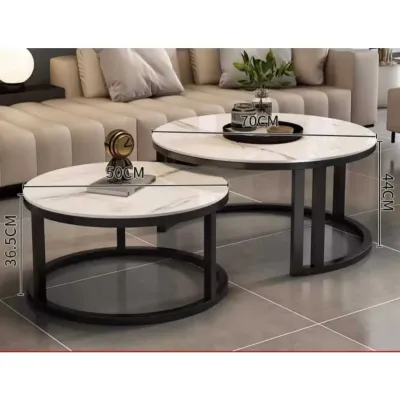
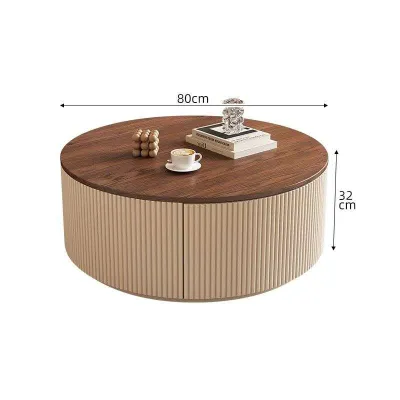
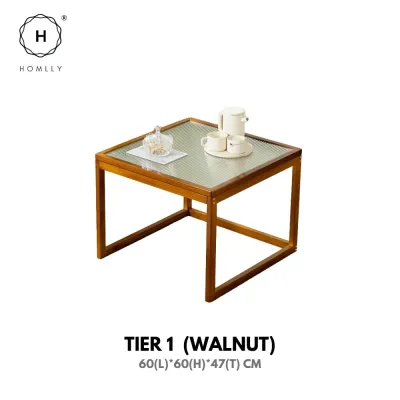
Prices are valid at publication and may change. Please refer to the product page for the latest price.
Next, assess the overall visual weight of your room. Visual weight refers to how heavy or light a piece of furniture looks based on its size, material, and construction. A bulky, deep-seated leather sofa paired with a solid wood sideboard creates a heavily grounded room. Introducing an equally heavy, solid-box nesting table set might make the space feel cramped and over-furnished. On the other hand, if your sofa is elevated on tall, slender legs and your room features light fabric textures like linen or bouclé, your space has a light, airy quality. Identifying these characteristics allows you to categorize your room into a broad aesthetic bucket—such as minimalist, industrial, or modern glam—ensuring your nesting table purchase reinforces rather than disrupts this balance.
Match Nesting Table Designs to Your Aesthetic
Nesting coffee tables are highly sculptural elements. Because they stack, slide, and layer, their silhouettes and material combinations have a pronounced impact on your room’s visual flow. Selecting the right design language is the first step in ensuring your tables look like an intentional extension of your decor.

Mid-Century Modern and Scandinavian Minimalism
Mid-century modern and Scandinavian designs are celebrated for their clean lines, functional simplicity, and organic warmth. If your living room features low-profile seating, tapered furniture legs, and a neutral or earth-toned color palette, a wooden nesting coffee table set is an ideal match. Look for tables featuring organic shapes, such as pebble-like contours, soft triangles, or classic rounds, supported by slender, tapered dowel legs.
These styles typically showcase natural wood grains in warm tones like teak, walnut, or white oak. The beauty of Scandinavian minimalism lies in its unadorned surfaces and emphasis on natural light, making these tables perfect for creating a warm, inviting, and uncluttered atmosphere. They offer excellent functionality without overwhelming the visual field, making them a staple for cozy, nature-inspired interiors.
Industrial and Raw Textures
If your living room embraces architectural elements like exposed brick, concrete screed walls, track lighting, or matte black metal accents, an industrial-style nesting table set will ground the space beautifully. Industrial nesting tables thrive on raw, high-contrast material pairings. Typically, they feature robust, dark metal frames—often made of black iron or distressed steel—paired with textured tops made of reclaimed timber, concrete, or even deep-toned leather inserts.
These designs add immediate texture and physical presence to a room. The ruggedness of the materials makes them highly practical for active households, as minor wear and tear often enhances their rustic character. To prevent the industrial aesthetic from feeling too cold or harsh, choose a nesting set that pairs a dark metal frame with a warm-toned wood top, creating a balanced contrast that complements eclectic, vintage, or modern loft decors.
Contemporary Glam and Sleek Surfaces
For living rooms designed with a polished, luxurious, or highly curated aesthetic, contemporary glam nesting tables offer a sophisticated focal point. This style emphasizes sleek, reflective surfaces that bounce light around the room, making it feel brighter and more expansive. Look for nesting sets featuring tempered glass, sintered stone, or faux-marble tops paired with geometric metal bases in polished finishes like brushed brass, gold, or chrome.
These tables work exceptionally well in modern, monochromatic, or minimalist spaces where you want to introduce a touch of luxury. The open-frame geometric bases common in glam designs provide structural stability while maintaining an incredibly light visual footprint. This allows the beauty of an underlying area rug to show through, adding a layer of elegance without cluttering the center of your seating arrangement.
Coordinate Materials, Finishes, and Visual Weight
Harmonizing the physical attributes of your nesting tables with your existing room elements is crucial for creating a cohesive design. You do not need to match every wood tone or metal finish in your living room perfectly; in fact, doing so can make a room look flat and overly clinical. Instead, focus on coordinating undertones and balancing textures.
When working with wood, aim to keep the undertones consistent. Warm wood species, such as cherry, teak, and walnut, feature yellow, orange, or red undertones, while cool woods like ash, maple, or gray-washed pine have cool, blue-gray undertones. If your flooring is a warm oak, choosing a nesting table set with warm walnut tops will look harmonious, even if the table is slightly darker than the floor. Alternatively, you can use high contrast intentionally: pairing a very light ash floor with a charcoal-black stained wood nesting table creates a striking, modern focal point.
Metal finishes should also echo other hardware in the room. If your ceiling fan, wall sconces, or cabinet pulls feature matte black metal, selecting a nesting table with a matte black steel frame will instantly tie the room together. If your room features warm brass or gold accents, look for a nesting set with brushed brass legs. Mixing metals is acceptable, but try to limit the room to one dominant metal and one accent metal to maintain visual order.
Finally, consider the visual weight of the materials relative to your room size. In compact living rooms, transparent materials like tempered glass or clear acrylic keep the floor plan visually open, preventing the coffee table from feeling like an obstacle. In contrast, if you have a sprawling living area with high ceilings, solid stone, concrete, or heavy hardwood nesting tables help ground the seating arrangement and prevent the room from looking sparse.
Always verify the durability and care instructions of your chosen materials. If you select solid wood, ensure it has been treated with a moisture-resistant sealant to protect against humidity and condensation from cold drinks. For metal bases, check that they feature powder-coated or rust-resistant finishes to maintain their appearance over time.
Plan the Scale, Shape, and Floor Layout
Because nesting tables expand and contract, planning their scale and layout requires a different approach than styling a standard, single-piece coffee table. You must account for both the fully nested (stacked) configuration and the fully expanded footprint to ensure the tables fit your living room comfortably.
Start by measuring your available floor space. When positioned in front of your sofa, your coffee table should ideally measure between one-half and two-thirds of the sofa’s total length. For the depth, ensure there is a clear walking path of 30cm to 45cm between the edge of the tables and the sofa. This provides comfortable legroom while keeping the table surfaces within easy reach. When the nesting tables are fully expanded, ensure they do not encroach on main walkways or block access to balcony doors, television console drawers, or nearby walkways. A minimum clearance of 60cm is recommended for major pedestrian pathways.
Before purchasing, also verify the delivery requirements. Many high-quality nesting tables are delivered fully assembled. Check the finished dimensions of the largest table in the set against your doorway, hallway, and lift clearance to ensure the delivery team can safely transport the pieces into your home.
| Table Shape | Best Sofa Configurations | Traffic Flow Impact | Ideal Room Size |
|---|---|---|---|
| Round / Oval | L-shaped sectionals, standard 3-seaters | Low impact; easy to navigate around | Compact to medium rooms |
| Square / Rectangular | Large parallel sofas, long sectionals | Moderate impact; requires wider pathways | Medium to spacious rooms |
| Geometric / Hexagonal | Modular sofas, asymmetrical seating | Low to moderate; highly adaptable layouts | Versatile / open-concept |
Round or oval nesting tables are incredibly popular for compact homes because their lack of sharp corners facilitates smooth traffic flow and softens the rigid lines of standard rectangular rooms. They are highly compatible with L-shaped sectionals, as they nestle neatly into the corner nook. Rectangular or square nesting tables align beautifully with long, formal sofas, offering structured, parallel surfaces that can be pulled out along the length of the seating when entertaining.
Arrange and Style Your Nesting Tables for Daily Use
Once your nesting tables are delivered, styling them correctly ensures they remain highly functional while elevating your room’s aesthetic. Follow these three steps to arrange and decorate your tables for daily use.
Step 1: Determine the primary configuration. Decide how much floor space you want to dedicate to your coffee table on a daily basis. For a clean, space-saving look in a smaller room, keep the tables tightly nested, leaving only a small portion of the lower table exposed to create a subtle tiered effect. If you have a larger room or require more surface area for daily activities, slide the smaller tables out in a staggered, overlapping cascade. This staggered layout creates a dynamic, architectural look that instantly adds visual depth to the center of your seating area.
Step 2: Balance visual weight across levels. Styling tiered tables requires a thoughtful distribution of decor items to prevent the arrangement from looking cluttered or lopsided. Avoid placing heavy, bulky items on both tables. Instead, use the height difference to your advantage. Place a taller, singular item—such as a structural ceramic vase with a few dried branches—on the tallest table to draw the eye upward. On the lower table, place a flat, low-profile item, such as a decorative wooden tray holding a candle and a small stack of art books. This distribution guides the eye naturally down the tiered levels and keeps both surfaces functional.
Step 3: Ensure functional clearance. Always prioritize utility over pure decoration. Leave at least half of the surface area on each table completely free of decor so you have ample space to set down coffee cups, remote controls, or laptops. If you frequently pull the smaller table out to use as a temporary side table next to an armchair, ensure its path is clear of rugs that bunch up easily. Position the tables close enough to your seating for easy reach, but far enough from high-traffic zones to prevent accidental bumps.
Frequently Asked Questions (FAQ)
How much extra space do nesting coffee tables need when separated?
The amount of extra space required depends on the specific dimensions of your nesting set and how far you choose to slide the smaller tables out. On average, a standard two-piece nesting set requires an additional 30cm to 60cm of width when partially staggered. If you plan to separate them completely—using the smaller table as a standalone side table next to an armchair—ensure you have a clear 50cm walkway around both pieces. Always measure your rug size to ensure both tables can sit comfortably on the textile without spilling over the edges unevenly.
Can I mix two completely different styles in one nesting table set?
While most nesting coffee tables are purchased as matching sets with a unified design language, you can absolutely mix styles in eclectic or transitional spaces. The key is maintaining at least one unifying element to prevent the arrangement from looking chaotic. For example, you can pair a rustic solid wood main table with a sleek black metal and glass secondary table, provided both feature similar geometric lines or share a matching height ratio. Keeping the color palette of the accessories or the undertones of the materials consistent will tie the two distinct pieces together beautifully.
Community discussion
Share your experience or ask a question. Comments are reviewed before publication.