
Finding the right multi-functional shoe changing bench in Singapore requires balancing compact space constraints with high daily utility. In typical Singaporean homes, such as HDB flats and condominiums, the entryway is a high-traffic zone where space is at a premium. A worthy purchase must not only fit within these tight physical boundaries but also withstand the local tropical humidity while providing stable seating and efficient storage. To determine which model is worth your investment, you must evaluate how well its dimensions, materials, and storage configurations align with your household’s specific routines and space limitations.
How to Evaluate Build Quality and Safety Features
A shoe changing bench is primarily a piece of seating furniture, meaning it must safely support the weight of an adult. When browsing online marketplaces or local showrooms, always verify the manufacturer’s stated weight capacity. A sturdy bench typically features reinforced joints and solid framing, whether constructed from engineered wood, solid timber, or metal. Look for models that explicitly state their load limits, and treat any lack of structural specifications as a prompt to inspect the item in person or contact the seller.
Material durability is another critical factor, especially in Singapore’s humid climate. High humidity can cause low-grade particleboard to swell, warp, or degrade rapidly. Check the product specifications for moisture-resistant finishes, such as melamine coatings, water-resistant laminates, or treated solid woods. Inspect the edge banding on engineered wood panels; loose or poorly sealed edges allow moisture to penetrate, leading to premature peeling and structural weakening. Metal frames should feature powder-coated or rust-resistant finishes to prevent corrosion from humid air and wet footwear.
Products mentioned in this guide
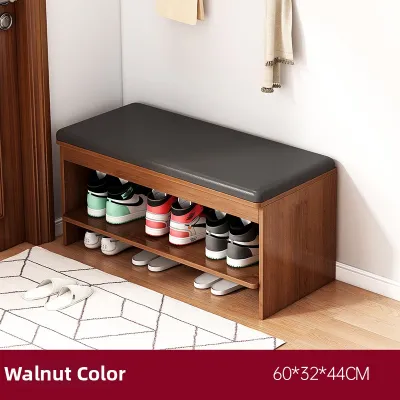
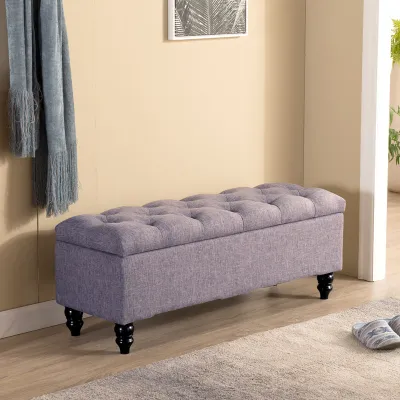
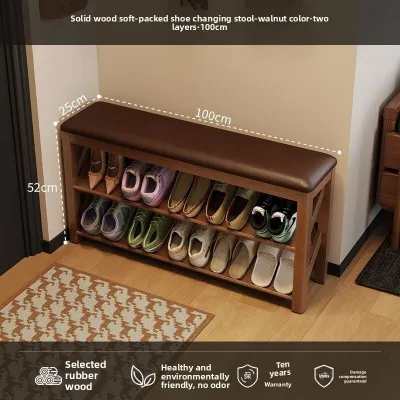
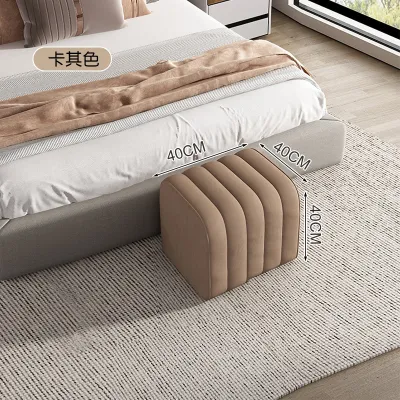
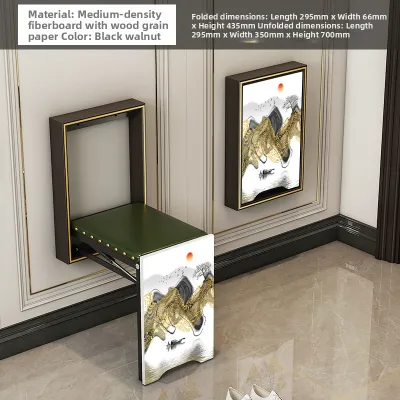
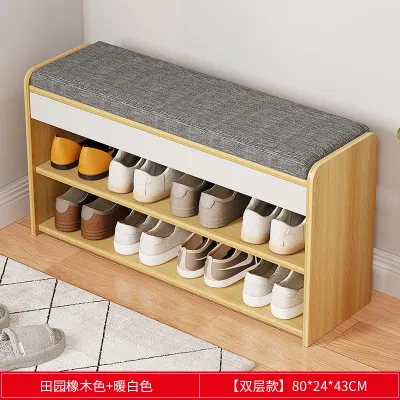
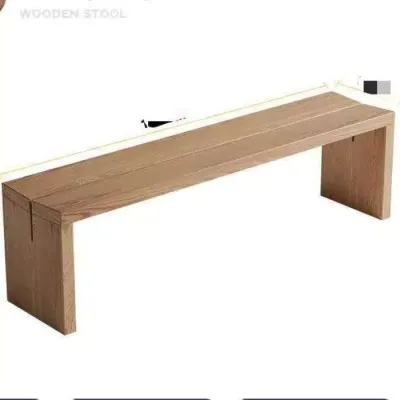
![[Cozy ]Nordic Solid Wood Shoe Changing Stools Simple Living Room Sofa Storage Bench Creative Ottomans Bed End Stool](https://img.lazcdn.com/g/p/8451fcc327e46d623c69ab36fab32dc3.jpg_webp_400x400q80.jpg_.webp)
Prices are valid at publication and may change. Please refer to the product page for the latest price.
Assembly and stability are vital for long-term safety. Many multi-functional benches require self-assembly, which means the quality of the included hardware directly impacts the final stability. Look for heavy-duty steel screws, dowels, and cam-lock systems rather than flimsy plastic connectors. If the bench features an integrated tall element like a coat rack, evaluate its center of gravity. Top-heavy designs pose a significant tip-over risk, particularly when loaded with heavy bags or coats. Check if the manufacturer includes wall-anchoring hardware, and prepare to secure the unit to your entryway wall to ensure stability.
Matching Storage Configurations to Your Entryway Needs
Selecting the right storage configuration involves balancing aesthetic preferences with practical daily usage. The ideal bench should accommodate your household’s footwear collection while keeping the entryway organized and free of clutter. By understanding the trade-offs between different storage mechanisms and vertical additions, you can choose a design that matches your lifestyle.

Enclosed Flip-Down Cabinets vs. Open Shelving
Enclosed flip-down cabinets offer a clean, minimalist look by hiding shoes behind sleek doors. This design is highly effective for maintaining a tidy entryway, but it requires careful measurement of the internal compartment depth. Ensure the flip-down shelves can accommodate your largest shoe sizes, as bulky sneakers or high heels may prevent the doors from closing fully. Additionally, enclosed spaces restrict airflow, which can trap moisture and lead to unpleasant odors in Singapore’s warm climate.
Open shelving, on the other hand, provides immediate access and excellent ventilation, allowing damp shoes to dry quickly. The trade-off is visual clutter, as all footwear remains on display. For households with active lifestyles or school-going children, open shelves facilitate quick transitions. If you prefer a neat aesthetic but require ventilation, look for hybrid designs that combine open slatted shelves for daily wear with enclosed compartments for seasonal or less-frequently worn shoes.
Integrated Coat Racks and Hanging Storage
Benches with integrated coat racks and hanging hooks maximize vertical space, making them highly practical for storing bags, umbrellas, and light outerwear. However, this vertical extension increases the risk of instability. Before purchasing, check the manufacturer’s instructions regarding weight distribution and structural reinforcement. Heavy items should always be hung closer to the support posts rather than the center of a long hanging rail to prevent bending or tipping.
Spatial clearance is equally important when installing a tall, multi-functional unit. Measure the height of your entryway to ensure the top of the rack does not obstruct wall-mounted light switches, intercom systems, or distribution board (DB) box doors commonly found in Singaporean homes. Additionally, ensure the hanging depth of coats or bags does not protrude into the main walkway, which could restrict movement or interfere with the opening swing of your front door.
Seating Options: Cushioned vs. Solid Surfaces
The choice between a cushioned seat and a solid surface affects both comfort and maintenance. Upholstered seats, often covered in fabric, faux leather, or PU leather, provide a soft and comfortable place to sit while putting on shoes. However, fabric upholstery is susceptible to staining from dirty hands, wet umbrellas, or spilled liquids. If you choose a cushioned model, look for removable, washable covers or water-resistant synthetic leathers that can be easily wiped clean with a damp cloth.
Solid surfaces, such as polished wood or metal, offer superior durability and are incredibly easy to clean. They do not trap dust, pet hair, or odors, making them a highly hygienic choice for entryways. While a solid surface is firmer, you can easily customize the comfort level by adding a separate, removable seat pad. This hybrid approach allows you to wash the cushion cover regularly while enjoying the long-lasting structural integrity of a solid wood or metal bench top.
Space Planning and Clearance Checks Before You Buy
Before finalizing your purchase, precise space planning is essential to ensure the shoe changing bench fits harmoniously into your entryway. Begin by measuring the available floor area, paying close attention to the width of the walkway. In many Singaporean apartments, entryways are narrow corridors. A bench that is too deep will restrict movement, making it difficult for family members to pass comfortably. Ensure there is at least 90 to 100 centimeters of clear walkway space remaining after the bench is placed.
Next, analyze the swing path of your main entrance door and any adjacent security gates. The bench must not obstruct the door from opening fully to a 90-degree angle or wider. This is particularly critical for HDB flats, where heavy fire-rated doors and metal gates operate in close proximity. A poorly positioned bench can lead to constant collisions, damaging both the furniture and the door finish. Furthermore, consult the Singapore Civil Defence Force (SCDF) guidelines regarding common corridor clearances if your entryway extends outside your unit; emergency exit routes must remain completely unobstructed at all times.
Finally, account for environmental factors unique to Singapore’s tropical climate. Entryways are often exposed to sudden downpours when main doors are opened, or when family members return with wet umbrellas and shoes. Avoid placing the bench directly where rain can splash onto it. If the bench is positioned near a window or a semi-outdoor area, ensure the material is rated for high moisture exposure. Plan for adequate ventilation around the bench by leaving a small gap of two to three centimeters between the back of the unit and the wall to prevent stagnant air from fostering mold growth.
Maintenance Routines for Long-Term Durability
Establishing a consistent maintenance routine is key to preserving the appearance and structural integrity of your shoe changing bench. For wooden components, wipe the surfaces weekly with a dry or slightly damp microfiber cloth to remove dust and grit, which can scratch the finish over time. Avoid using harsh chemical cleaners or abrasive pads that can strip away protective sealants. For metal frames, a quick wipe with a dry cloth is usually sufficient to prevent dust buildup and spot any early signs of surface oxidation.
Hardware maintenance is often overlooked but crucial for multi-functional furniture. The moving parts of flip-down cabinets, drawer slides, and hinges experience repetitive stress during daily use. Every six months, perform a quick inspection of all joints and fasteners. Use a screwdriver to tighten any screws or cam-locks that may have loosened due to the vibrations of people sitting down and standing up. If the hinges on your flip-down compartments begin to squeak or feel stiff, apply a small amount of silicone-based lubricant to ensure smooth operation.
Moisture and odor control are vital for maintaining hygiene in enclosed shoe compartments. Because Singapore’s high humidity can quickly turn enclosed spaces into breeding grounds for mold and mildew, place disposable moisture absorbers or charcoal deodorizing bags inside the cabinets. Never store wet or damp shoes immediately; allow them to air-dry completely on an open rack or tiled floor before placing them inside an enclosed bench. Regularly open the cabinet doors during dry days to facilitate airflow and keep the interior fresh.
Frequently Asked Questions (FAQ)
Do shoe changing benches need to be anchored to the wall?
Whether a shoe changing bench requires wall anchoring depends on its height, design, and weight distribution. Low-profile benches with a wide base and no vertical extensions are generally stable on their own and do not require anchoring. However, tall multi-functional units that feature integrated coat racks, hanging shelves, or high-level storage have a much higher center of gravity. These designs pose a significant tip-over risk when heavy items are hung or when someone leans against them. To ensure safety, check the manufacturer’s installation manual for specific anchoring instructions. If anchoring is recommended, use appropriate wall plugs and screws suitable for your wall type—such as concrete expansion plugs for solid HDB walls or toggle bolts for drywall partitions.
How do I manage shoe odors in an enclosed flip-down bench?
Managing odors in an enclosed flip-down bench requires a combination of preventive habits and active moisture control. Because enclosed compartments lack natural airflow, moisture from sweat or rain can quickly lead to bacterial growth and unpleasant smells. To prevent this, always ensure your shoes are completely dry before storing them inside the bench. You can place activated charcoal sachets, cedar blocks, or commercial moisture-absorbing tubs inside the compartments to absorb excess humidity and neutralize odors. Additionally, make it a habit to leave the cabinet doors open for a few hours every week to allow fresh air to circulate through the storage spaces.
Community discussion
Share your experience or ask a question. Comments are reviewed before publication.