
Maximizing square footage is a primary goal for many homeowners in Singapore, where modern residential layouts demand smart, space-saving furniture. A multi-functional storage bench serves as an excellent solution, seamlessly combining comfortable seating with hidden organizational space. Whether you are searching for a versatile bench with storage atep or a sleek entryway shoe cabinet, finding the right piece requires looking beyond aesthetics to evaluate structural integrity, mechanism safety, and spatial compatibility. By focusing on how a bench is constructed and how its moving parts operate, you can secure a durable addition that enhances both the utility and style of your home.
Core Features to Evaluate in a Multi-Functional Storage Bench
To identify a high-quality storage bench, you must first examine the specific storage mechanisms integrated into the design. Benches with top-opening lids frequently utilize hydraulic lifts or gas struts, which are essential for holding the heavy seat open while you retrieve items. These mechanisms prevent the lid from slamming shut unexpectedly, protecting your hands and ensuring smooth, controlled movement during daily use. If you prefer front-facing access, pull-out drawers or sliding compartments allow you to reach stored items without requiring anyone to stand up from the bench, making them highly practical for active living rooms.
Seating comfort and upholstery durability are equally critical when a bench serves a dual purpose. High-density polyurethane foam is the preferred choice for cushioning, as it retains its shape and support over years of regular use without sagging. For the outer cover, look for performance fabrics, synthetic leathers, or tightly woven linens that can withstand frequent friction and are easy to spot-clean. In Singapore’s humid climate, choosing materials treated for moisture resistance or opting for removable, washable covers can significantly extend the lifespan of your furniture by preventing mold and odor buildup.
Products mentioned in this guide
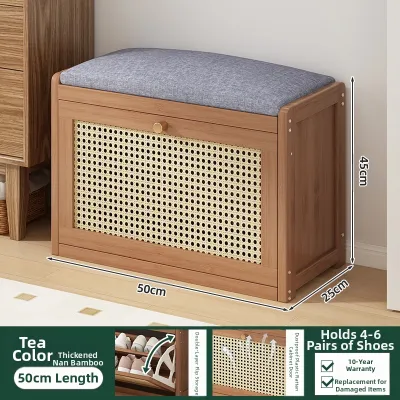
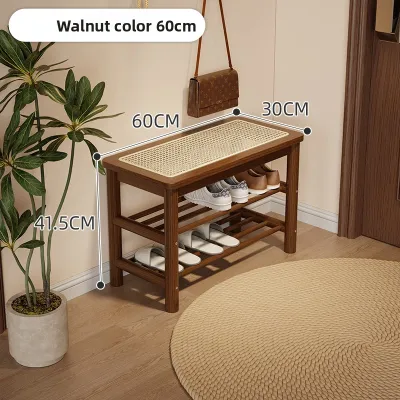
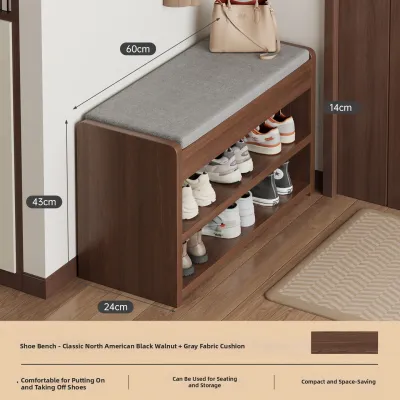
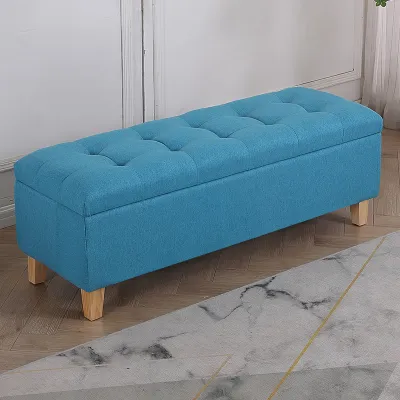
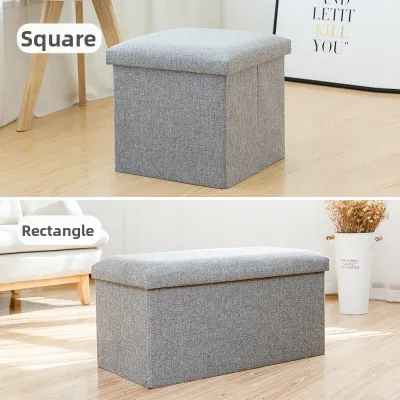
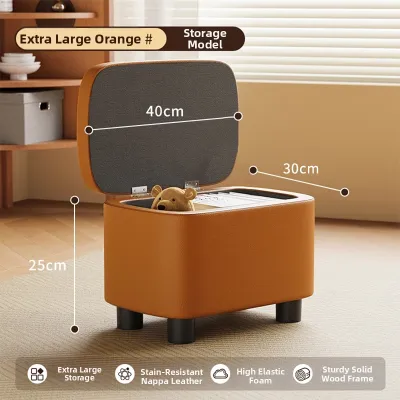
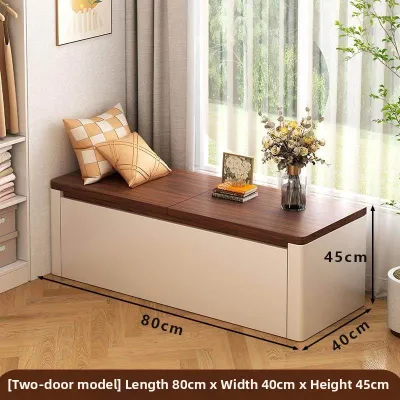
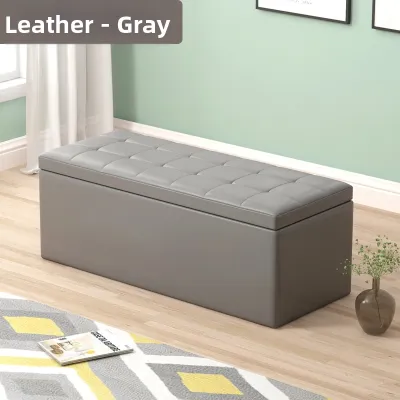
Prices are valid at publication and may change. Please refer to the product page for the latest price.
The structural stability of the frame determines how safely the bench can support both the weight of seated users and the load of stored items. Solid wood frames, such as oak or rubberwood, offer exceptional durability and natural resistance to warping, provided they are properly sealed against humidity. Engineered woods like high-density fiberboard (HDF) or marine plywood are also reliable, cost-effective alternatives, especially when reinforced with metal corner brackets. Always inspect the joints of the bench; mortise-and-tenon joinery or heavy-duty steel screws indicate a much sturdier build than simple glued or stapled connections.
Common Multi-Functional Designs and Their Ideal Spaces
Different areas of a Singaporean home require distinct bench configurations to optimize daily routines and spatial flow. Convertible or fold-out designs are exceptionally well-suited for compact living areas or study rooms that occasionally double as guest spaces. These innovative benches can transform from a streamlined seating option into a small desk, a step-up platform, or even an extended daybed. By serving multiple roles on demand, convertible benches eliminate the need for separate, bulky furniture pieces that would otherwise clutter your living space.

For entryways and foyers, a storage bench with integrated shoe compartments is highly effective at maintaining an organized, welcoming home. These designs typically feature open slatted shelves, drop-down cabinets, or tipping shoe buckets beneath the seat, allowing family members to sit comfortably while putting on or removing footwear. Tipping buckets are particularly useful in narrow corridors, as they open downward at an angle, requiring less depth than traditional pull-out drawers. Keeping shoes off the floor and neatly tucked inside the bench prevents tripping hazards and protects your flooring from dirt and moisture tracked in from outside.
Modular or expandable benches offer the ultimate flexibility for dynamic households with changing spatial needs. These systems often consist of nesting stools that slide completely underneath the main bench frame, or sectional pieces that can be rearranged to form an L-shaped corner seat. This adaptability is perfect for hosting guests in a condominium or HDB flat, allowing you to expand your seating capacity instantly and tuck the extra components away when the gathering ends.
How to Assess Storage Bench Brands and Retailers
When shopping for furniture in Singapore, evaluating the credibility and transparency of brands is essential for making a secure investment. Reliable retailers provide clear material specifications, detailing the exact types of wood, metal, and upholstery fabrics used in their products. Look for brands that display safety certifications, such as low-formaldehyde emission ratings (E0 or E1 standards) for engineered wood, which ensure better indoor air quality for your household. Avoid brands that use vague descriptions like “hardwood solids” without specifying the actual wood species or manufacturing origin.
The warranty terms offered by a brand are a strong indicator of product quality and long-term reliability. A comprehensive warranty should explicitly cover moving parts, including hydraulic hinges, drawer runners, magnetic latches, and pull-out mechanisms, rather than just the wooden frame. Because these mechanical components experience the most wear and tear, a warranty of at least one to three years on hardware provides peace of mind. Always read the fine print to understand what constitutes normal wear and tear versus a manufacturing defect.
Before finalizing your purchase, thoroughly assess the retailer’s customer service policies, delivery options, and assembly support. Many multi-functional benches arrive flat-packed and require precise assembly to ensure the storage mechanisms align correctly and operate safely. Opting for a retailer that offers professional delivery and on-site assembly services can save you time and prevent structural issues caused by improper DIY installation. Additionally, verify the return and exchange policies, ensuring you have a clear recourse if the bench arrives with cosmetic blemishes or mechanical faults.
Pre-Purchase Checklist: Dimensions, Clearance, and Safety
Before committing to a specific storage bench, precise spatial planning is required to ensure the piece functions harmoniously within your home. Begin by measuring the designated floor area, keeping in mind that you need more than just the footprint of the bench itself. You must account for the clearance space required to fully open drawers, slide out baskets, or swing open cabinet doors without hitting nearby walls, coffee tables, or doors. For top-opening benches, ensure there is sufficient vertical clearance so the lid does not strike low-hanging wall art, light fixtures, or shelving when fully extended.
Navigating the logistics of delivery is another crucial step that is easily overlooked. Measure the width and height of your home’s entryway, interior doorways, hallways, and any tight corners the delivery team must navigate. If you live in a high-rise condominium or HDB apartment, check the dimensions of the elevator cabin and the height of the communal stairwells to guarantee the delivery box can reach your front door. Knowing these measurements beforehand prevents the frustration of receiving a bulky item that cannot physically enter your home.
Safety considerations should guide your final selection, particularly in households with young children, elderly family members, or pets. Benches with top-opening lids must feature soft-close hinges or safety dampeners to prevent the heavy seat from slamming down on fingers. Check the overall base stability of the bench; a wider footprint or a lower center of gravity reduces the risk of the unit tipping over when someone sits on the edge or pulls out a heavy drawer. If the bench is tall or exceptionally lightweight, look for integrated anchoring hardware that allows you to secure the frame directly to the wall for maximum stability.
Frequently Asked Questions (FAQ)
How do I maintain the moving parts of a storage bench?
To keep the mechanical components of your storage bench operating smoothly, establish a routine of regular visual inspections. Dust, pet hair, and debris can easily accumulate in drawer tracks and hinge joints, causing friction, squeaking, or misalignment over time. Use a soft brush or a vacuum attachment to clear away particles from these moving parts every few months. If you notice resistance when opening the lid or drawers, consult the manufacturer’s care guidelines to identify the recommended lubricant, as using the wrong oil can attract more dust and damage the mechanism. Periodically check and tighten any loose screws or brackets to maintain structural alignment.
How can I verify the weight capacity of a storage bench?
Verifying the weight capacity of a storage bench requires consulting the official product specification sheet provided by the manufacturer or retailer. Do not rely on visual assumptions, as a bulky appearance does not guarantee a high load capacity. It is important to distinguish between the static weight capacity, which is the maximum load the bench can support when a person is sitting still, and the dynamic weight capacity, which accounts for movement. Additionally, note the internal storage weight limit separately from the seating limit; overloading the interior compartment can strain the bottom panel, warp the frame, or cause the entire unit to sag over time.
Community discussion
Share your experience or ask a question. Comments are reviewed before publication.