
Selecting a coffee table marble centerpiece is one of the most impactful design decisions you can make for your living room. As a natural material, marble brings a unique sense of organic luxury, with no two slabs sharing the exact same veining pattern. However, because marble carries significant visual and physical weight, selecting the wrong style can easily disrupt the balance of your living room. The key to a successful integration lies in understanding how the stone’s color, veining pattern, and supporting base interact with your overall interior theme.
Rather than viewing a marble coffee table as an isolated statement piece, you should evaluate it as a functional element that must coordinate with your existing sofa, flooring, and lighting. Whether your home leans toward the clean lines of Scandinavian minimalism, the rugged textures of industrial design, the polished elegance of luxury contemporary, or the organic warmth of mid-century modern, there is a specific marble profile tailored to your space. By analyzing the physical properties of the stone and matching them with the design rules of your chosen theme, you can select a table that feels both intentional and timeless.
Core Principles for Matching Marble to Interior Themes
When matching a marble coffee table to your interior theme, three primary variables dictate the table’s aesthetic impact: marble color, veining density, and the material of the supporting base. Light-colored marbles with sparse veining tend to reflect light and create an airy, spacious feel, making them ideal for minimalist or compact spaces. Conversely, darker or highly figured marbles absorb light and draw the eye downward, acting as strong anchor pieces that command attention. The density and contrast of the veining also play a crucial role; subtle, flowing veins offer a serene, organic look, while sharp, high-contrast veins introduce dramatic energy and architectural tension.
Products mentioned in this guide

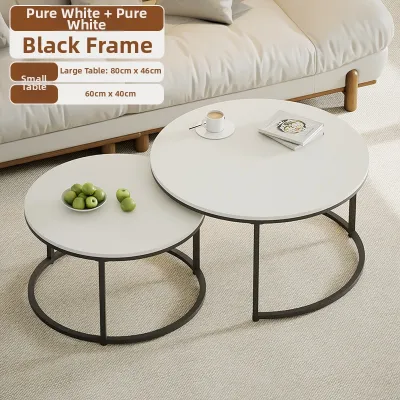
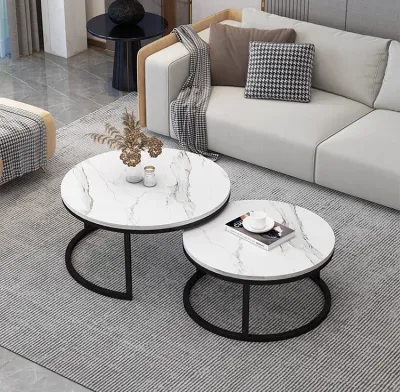
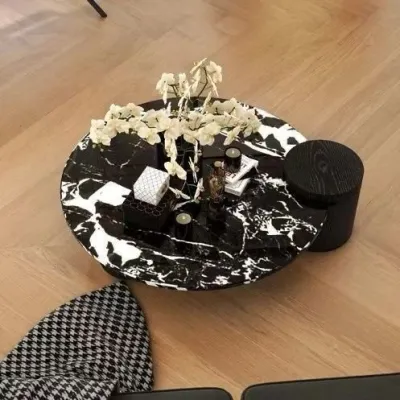
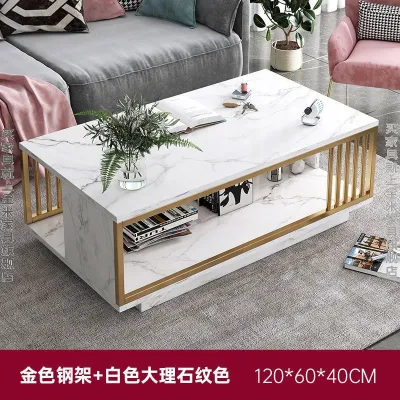

Prices are valid at publication and may change. Please refer to the product page for the latest price.
The base material of the table serves as the bridge between the heavy stone top and the rest of your furniture. Wooden bases introduce natural warmth and texture, softening the coldness of the stone, while metal bases can either elevate the table into high-end luxury or ground it in raw, industrial aesthetics. Achieving a balanced look requires matching the visual weight of the table with your room’s seating and layout. A bulky, solid-block marble table can overwhelm a room filled with delicate, leggy furniture, while a thin marble top on slender legs might get lost next to a massive, deep-seated sectional sofa.
To help you quickly identify the right direction for your home, consider this general mapping of interior styles to marble characteristics:
| Interior Theme | Recommended Marble Color | Veining Style | Preferred Base Material | Visual Impact |
|---|---|---|---|---|
| Scandinavian / Minimalist | White, light grey, soft cream | Subtle, sparse, low-contrast | Light oak, ash wood, thin matte metal | Bright, airy, and unobtrusive |
| Industrial / Urban | Black, dark grey, high-contrast white | Bold, sharp, dramatic | Blackened steel, distressed iron, reclaimed wood | Raw, architectural, and grounded |
| Luxury Contemporary | Deep green, rich brown, dramatic white | Heavy, expressive, book-matched | Polished brass, gold, chrome, mitered marble | Opulent, sculptural, and bold |
| Mid-Century Modern | Cream, warm beige, forest green | Soft, organic, flowing | Tapered walnut, warm metallic hairpin legs | Retro, organic, and inviting |
Scandinavian and Minimalist: Light Tones and Clean Lines
Scandinavian and minimalist interiors prioritize light, simplicity, and functionality. To maintain the serene and open atmosphere of these styles, your coffee table marble selection should feature light tones that maximize natural light reflection. White marbles such as Carrara or subtle varieties of Calacatta, characterized by soft, misty grey veining rather than sharp lines, are excellent choices. These stones provide just enough natural texture to prevent the room from looking sterile, without introducing visual clutter that disrupts the minimalist aesthetic.

The base of the table should emphasize lightness and clean geometry. Slender wooden frames made of light oak, ash, or beech complement the Scandinavian preference for natural, light-toned timber. Alternatively, a thin, powder-coated matte metal frame in white or light grey can offer a sleek, architectural support that keeps the floor space beneath the table visible. This visibility is crucial in minimalist design, as seeing more floor area creates the illusion of a larger, more breathable room.
In terms of shape, geometric simplicity is paramount. Round or oval marble tables work exceptionally well in minimalist spaces because their curved edges soften the straight lines of modular sofas and built-in cabinetry. A thin-profile, round marble top on a tripod wooden base or a delicate wireframe metal base ensures the table remains a quiet, elegant companion to your seating area rather than an overbearing focal point.
Industrial and Urban: Raw Bases and High-Contrast Veining
Industrial and urban loft styles thrive on the contrast between raw, unfinished materials and refined elements. To complement exposed brick walls, concrete screed flooring, and visible ductwork, a marble coffee table must possess a rugged, architectural presence. Instead of soft, delicate stones, look for dark marbles like Nero Marquina, or white marbles featuring aggressive, high-contrast black or charcoal veining. The sharp contrast in these stones mirrors the graphic, structural lines found in industrial architecture.
The base material is where you can truly ground the table in the industrial aesthetic. Blackened steel, distressed iron, or dark, weathered reclaimed wood bases provide the necessary textural contrast to the smooth, polished surface of the marble. A heavy iron frame with visible rivets or a welded steel box frame highlights the beauty of construction, aligning perfectly with the utilitarian ethos of urban design. The juxtaposition of cold, smooth stone against rough, matte metal creates a compelling tactile experience.
Silhouettes in industrial spaces should be bold and substantial. Blocky, rectangular shapes or thick, chunky slabs anchor the seating area, providing a strong visual center that can hold its own against heavy leather chesterfield sofas or oversized fabric sectionals. An industrial marble coffee table should feel like a permanent, structural fixture of the room, celebrating raw weight and unrefined strength.
Luxury Contemporary: Bold Slabs and Metallic Accents
For living rooms designed around high-end contemporary luxury, the coffee table is often treated as a masterpiece or a sculptural focal point. In these environments, subtle stones take a backseat to dramatic, highly expressive marbles. Richly colored stones, such as deep forest greens (Verde Alpi), intense burgundy, or warm, chocolatey browns (Emperador), instantly elevate the room’s sophistication. If you prefer white marble, select slabs with dense, dramatic gold or grey veining, such as premium Calacatta Oro, and consider book-matched designs where the veining patterns are mirrored across the surface.
To enhance the opulent feel of a luxury contemporary space, pair these dramatic marble slabs with high-shine metallic bases. Polished brass, brushed gold, or mirror-finished chrome frames reflect light beautifully and contrast elegantly with the organic patterns of the stone. The metalwork should feature clean but sophisticated shapes, such as geometric frames, intersecting rings, or solid, sculptural plinths that elevate the table into a work of art.
Design details play a significant role in conveying luxury. Look for tables with thick, mitered edges that give the illusion of a massive, solid block of stone, or choose custom-cut slabs with chamfered edges that showcase the precision of the craftsmanship. A heavy, solid-marble plinth base or a sculptural pedestal design ensures that the table commands attention, serving as a conversation starter that defines the entire layout of your living space.
Mid-Century Modern: Curved Shapes and Warm Hues
Mid-century modern design is celebrated for its integration of organic forms, warm wood tones, and a seamless connection to nature. To match this retro-inspired aesthetic, steer away from cold, stark white marbles and opt instead for warm-toned stones. Creams, soft beige, warm travertines, or subtle, earthy green marbles harmonize beautifully with the rich teak, walnut, and rosewood furniture typical of mid-century interiors. These warmer stones bridge the gap between the natural warmth of wood and the cool elegance of polished stone.
The defining characteristic of a mid-century modern marble coffee table is its silhouette. Organic, asymmetrical, or kidney-bean shapes are highly recommended, as they break up the rigid geometry of standard apartment layouts and encourage natural traffic flow. A gently curved triangular or surfboard-shaped marble top softens the room’s overall look, making the seating area feel more inviting and less formal.
To complete the retro look, the table’s base should feature classic mid-century structural elements. Tapered wooden legs angled slightly outward, or warm-toned metallic hairpin legs, provide the iconic retro silhouette while keeping the piece visually light. The combination of a warm, organic marble top and slender, angled legs creates a sense of playful sophistication that perfectly captures the optimistic, design-forward spirit of the mid-century era.
Sizing and Maintenance for Marble Tables in Singapore Homes
Integrating a marble coffee table into a Singaporean home requires careful consideration of local spatial constraints and environmental factors. Given that many residents live in HDB flats or condominiums where space can be limited, accurate measurement is the first and most critical step. Before purchasing, verify the finished dimensions of the table and ensure you maintain a walkway clearance of at least 30 to 45 cm between the edge of the coffee table and your sofa. This clearance allows for comfortable movement without bumping into the stone. Furthermore, because natural marble is exceptionally heavy, you must check your building’s lift dimensions, doorway clearances, and staircase widths prior to delivery to ensure the delivery team can safely transport the table into your unit.
Beyond physical space, Singapore’s tropical climate presents unique challenges for natural stone maintenance. Marble is a highly porous metamorphic rock, meaning it easily absorbs liquids if left unprotected. In Singapore, high ambient humidity combined with the frequent use of air-conditioning can cause condensation to form on cold marble surfaces. This moisture can seep into the stone over time, leading to discoloration or dullness. To prevent this, it is essential to verify that the table has been treated with a high-quality, penetrating sealer before delivery, and to reapply sealer periodically according to the manufacturer’s care instructions.
Daily maintenance is key to preserving the pristine finish of your marble table. Always use coasters under glasses and trivets under hot items to protect the stone from thermal shock and moisture rings. Acidic substances—such as citrus juices, coffee, tea, wine, and vinegar—will chemically react with the calcium carbonate in the marble, causing permanent dull spots known as etching. If a spill occurs, blot it immediately with a soft, clean cloth rather than wiping, which can spread the liquid. For routine cleaning, avoid harsh chemical sprays, abrasive scouring pads, or acidic cleaners. Instead, use a soft microfiber cloth dampened with warm water and a pH-neutral stone cleaner specifically formulated for natural marble.
When purchasing, always check the manufacturer’s assembly conditions and load capacity ratings. Ensure the table base is highly stable and properly anchored to the heavy marble top, as an unstable base poses a significant tipping hazard. If you are assembling the table yourself, follow the manufacturer’s step-by-step instructions precisely, ensuring all joints and fasteners are securely tightened to support the substantial weight of the stone slab.
Frequently Asked Questions (FAQ)
Is faux marble a good alternative for high-traffic households?
Faux marble, typically made from engineered quartz, sintered stone, or high-quality porcelain, offers several practical advantages for busy households, though it comes with trade-offs. Engineered alternatives are non-porous, making them highly resistant to staining, scratching, and acidic etching, which are common issues with natural marble. They are also significantly lighter, easier to move, and require virtually no ongoing sealing maintenance. However, while modern manufacturing can replicate the look of marble remarkably well, faux alternatives lack the unique, deep visual texture and prestige of authentic natural stone. For households with young children, frequent guests, or those seeking a low-maintenance lifestyle, engineered stone provides excellent durability, while natural marble remains the choice for those prioritizing authentic luxury and one-of-a-kind natural patterns.
How do I remove water rings from a natural marble coffee table?
For light, superficial water rings or minor dull spots on a polished marble surface, you can attempt safe, reversible cleaning steps. First, clean the area with a pH-neutral marble cleaner and a soft microfiber cloth to ensure no surface dirt remains. If the mark is a simple mineral deposit from condensation, gently buffing the dry surface with a dry, clean microfiber cloth or a specialized marble polishing powder can often restore the shine. However, if the water ring has actually etched the stone—meaning the acid or moisture has chemically eaten away the top layer of polish—standard cleaning will not resolve it. If the etching is deep, rough to the touch, or covers a large area, stop immediately and consult a professional stone restoration specialist. Attempting to use abrasive household scrubs, vinegar, or DIY baking soda pastes can easily worsen the damage, scratching the surrounding polished stone and requiring costly professional grinding to repair.
Community discussion
Share your experience or ask a question. Comments are reviewed before publication.