
Choosing the right low table is more than a functional decision; it is the ultimate design anchor that brings your entire living room together. Positioned at the physical center of your seating arrangement, this piece of furniture bridges the gap between your sofa, lighting, and floor coverings, establishing a cohesive visual flow. Whether you want to achieve a serene, zen-like retreat, a bright Nordic sanctuary, or a raw urban loft, selecting a style that complements your existing interior elements is essential. By understanding how to balance scale, material properties, and design languages, you can transform a simple low table into a functional masterpiece that enhances both the utility and the beauty of your home.
Assess Your Living Room Aesthetic and Physical Space
Before browsing through digital catalogs or visiting showrooms, you must establish a clear baseline of your current room design and physical boundaries. A common mistake is selecting a table based solely on its individual visual appeal, only to find it clashes with existing furnishings or disrupts the flow of the room. Begin by conducting an aesthetic audit of your living room. Look closely at your dominant furniture pieces, particularly your sofa, rugs, and light fixtures. Note whether your space leans toward a warm aesthetic (characterized by plush fabrics, earth tones, and soft ambient lighting) or a cool, structured feel (defined by clean lines, leather, metal accents, and bright, functional illumination). Your new table should either reinforce this existing mood or serve as an intentional, balanced contrast.
Next, transition from visual style to physical dimensions. Grab a tape measure and map out the available floor space in front of your seating. A low table must have a footprint that allows for comfortable movement without turning your living room into an obstacle course. Mark the potential boundaries on your floor using masking tape to help visualize how the piece will occupy the space. This exercise helps you determine the maximum length, width, and shape that will sit comfortably within your layout.
Products mentioned in this guide
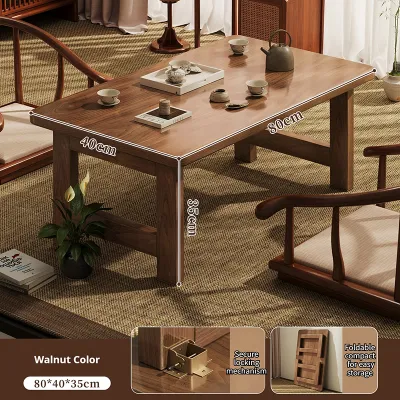
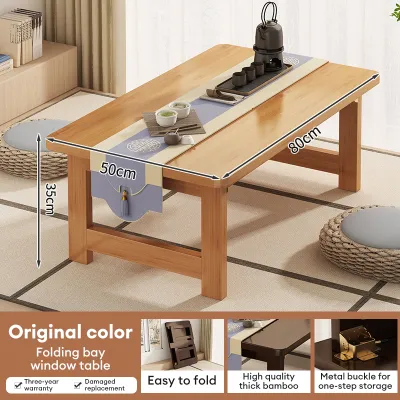
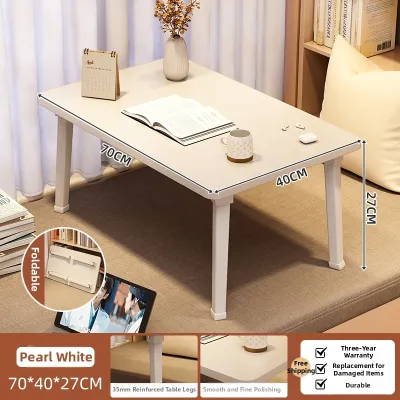
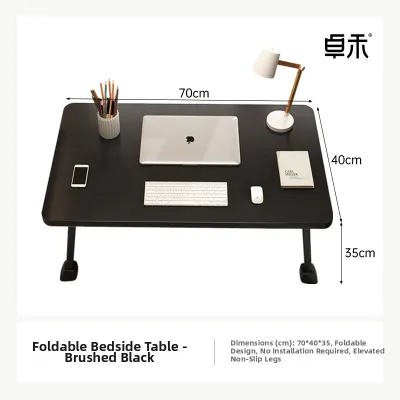
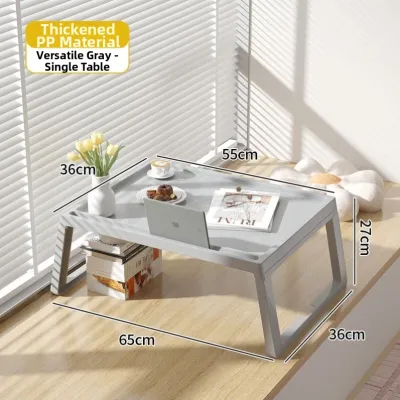
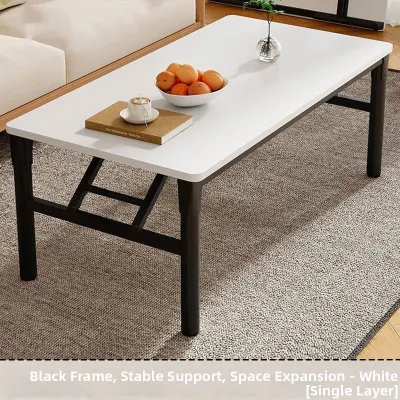
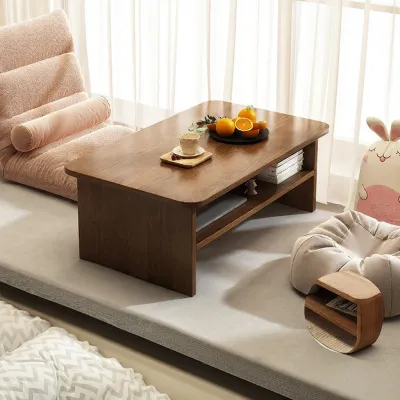
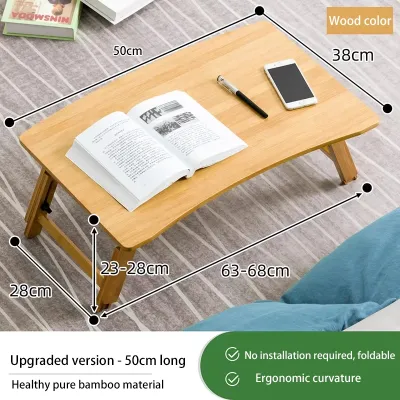
Prices are valid at publication and may change. Please refer to the product page for the latest price.
Finally, you must verify the logistical journey of the furniture from the delivery truck to its final spot. In Singapore, where high-rise living in HDB flats and condominiums is the norm, delivery access is a critical gatekeeper. Measure your lift car doors, the height and depth of the lift interior, narrow corridor turns, and the clearance of your main entrance door. Large, heavy, or pre-assembled solid wood and stone tables can easily become wedged in tight stairwells or lift lobbies. Confirming these dimensions beforehand ensures a smooth delivery day and prevents the disappointment of a returned order.
Popular Low Table Styles and How to Match Them
Scandinavian and Japandi
Scandinavian and Japandi styles are highly favored for their ability to create bright, airy, and deeply comforting living environments. While Scandinavian design focuses on cozy functionalism, Japandi introduces the rustic elegance of Japanese minimalism, resulting in a harmonious hybrid. These styles rely heavily on light wood tones—such as oak, ash, or beech—alongside clean, organic lines and a complete lack of unnecessary ornamentation. The goal is to maximize natural light and foster a sense of calm simplicity.

To successfully pair a Scandinavian or Japandi low table, look to your surrounding textiles and seating. These tables coordinate beautifully with sofas upholstered in neutral, textured fabrics like boucle, linen, or light gray tweed. Ground the arrangement with a high-pile textured rug in cream, beige, or soft charcoal to add warmth underfoot. Keep decorative items on the table sparse; a single ceramic vase with a dry branch or a small stack of art books is sufficient to maintain the uncluttered look.
When searching for the perfect piece, focus on specific design keywords and structural details in product descriptions. Look for terms like “tapered dowel legs,” “slatted shelves,” “chamfered edges,” and “matte polyurethane finishes.” Round, oval, or soft triangular shapes (often referred to as organic or pebble shapes) work exceptionally well here, as they soften the linear structure of standard rectangular sofas and encourage smooth movement in compact living rooms.
Japanese Minimalist
For those who prefer a grounded, serene atmosphere, Japanese minimalist tables offer an ultra-low profile that emphasizes floor-level living. This design style is rooted in the concept of ma (negative space) and wabi-sabi (finding beauty in imperfection). These tables sit much closer to the ground than standard coffee tables, often measuring between 20 to 30 centimeters in height. They feature heavy, solid silhouettes, dark or natural timber finishes, and a strong sense of architectural stability.
To integrate a Japanese minimalist low table, your seating arrangement must adapt to the lower sightlines. This style pairs perfectly with low-slung, modular sofas that have minimal or no visible legs, or with dedicated floor-cushion seating zones. In Singapore homes, creating a tatami-inspired corner with woven rush mats or low-profile platform seating provides an ideal structural backdrop for this style of table, making the room feel incredibly spacious and calm.
Maintaining visual balance in a room with standard-height ceilings is the primary challenge when introducing ultra-low furniture. If the table is too low and the surrounding walls are bare, the room can feel empty and disjointed. To counteract this, use low-hanging pendant lights directly over the table to draw the eye downward and create an intimate focal point. Alternatively, place low-profile horizontal artwork or low shelving nearby to align the entire room’s visual weight closer to the floor.
Mid-Century Modern
Mid-century modern design brings retro charm, organic geometry, and rich wood tones into the contemporary home. Originating in the mid-20th century, this style celebrates the marriage of natural materials with manufactured forms. Low tables in this category are easily recognizable by their warm wood finishes—typically walnut, teak, or rosewood—and their iconic structural elements, such as splayed legs, brass hardware caps, and gently curved, surfboard-like tabletops.
The key to integrating a mid-century modern table is achieving a curated, transitional look rather than making your living room look like a historical movie set. Pair a rich walnut surfboard table with a clean, contemporary sofa in a solid jewel tone, such as forest green, navy, or mustard yellow, or stick to a sophisticated neutral gray. This contrast between the vintage warmth of the wood and the clean lines of modern upholstery creates a sophisticated, balanced space that feels timeless.
To complete the look, select complementary decor items that echo the geometric playfulness of the mid-century era. A sculptural brass floor lamp, a geometric-patterned throw pillow, or a piece of abstract expressionist art on an adjacent wall will tie the room together. Keep the tabletop styling clean but expressive, perhaps utilizing a small ceramic tray to hold daily essentials and a vintage glass bowl to catch the light.
Industrial
Industrial style celebrates raw, urban loft living, making it an excellent choice for those who appreciate structural honesty and bold, tactile surfaces. This aesthetic is defined by its use of rugged, unrefined materials that showcase their natural wear and construction. Industrial low tables frequently feature heavy metal frames—often finished in matte black, gunmetal, or distressed iron—paired with thick wooden tops made of reclaimed timber, mango wood, or concrete-look composites.
To match an industrial table, lean into rich, dark color palettes and substantial furniture pieces. A classic top-grain leather sofa in tan, cognac, or dark brown serves as the perfect companion, reinforcing the warm, worn-in feel of the metal and wood. If your home features exposed brick walls, concrete screed flooring, or visible ductwork, an industrial table will instantly feel right at home, bridging the gap between the building’s architecture and your soft furnishings.
Because industrial design relies heavily on hard, cold materials, there is a risk of the space feeling overly sterile or harsh. To soften the look, introduce plenty of plush textiles. Layer a thick, woven wool rug beneath the table, and drape soft knit throws or linen cushions over your leather seating. This contrast between rough metal, rugged wood, and soft fabrics creates a welcoming, multi-dimensional environment that feels cozy rather than industrial in a cold sense.
Evaluating Materials and Finishes for Your Chosen Style
Once you have selected a style direction, you must carefully evaluate the materials and finishes of your prospective low table. It is important to look beyond basic material names, as a wood type or metal label alone does not guarantee durability, scratch resistance, or ease of maintenance.
Wood and Veneers Solid wood tables offer beautiful natural grain patterns and a heavy, premium feel, while high-quality wood veneers provide a lightweight, cost-effective alternative with excellent structural stability. However, do not assume that a hardwood like oak or walnut is completely impervious to damage. Always check the product specifications for the type of surface sealant used, such as a water-resistant polyurethane or a natural oil finish. Verify if the table has durable edge banding to prevent the veneer from peeling over time, especially in Singapore’s humid climate. Always use coasters and trivets to protect the wood from water rings and heat damage, and follow the manufacturer’s specific care instructions for cleaning.
Metals and Glass Metal and glass tables are excellent for modern, industrial, and minimalist styles, offering a sleek look that reflects light and makes small rooms feel larger. When evaluating these materials, verify that any glass top is made of tempered safety glass and features polished, rounded edges to prevent injury. Inspect the metal frame joints for clean, stable welds without sharp protrusions. To minimize daily maintenance, look for metal finishes with powder coatings or fingerprint-resistant treatments, and check if the glass has an anti-glare or scratch-resistant coating to keep it looking pristine under direct lighting.
Stone and Sintered Tops Marble, granite, and sintered stone tabletops bring luxury and unique textures to mid-century or contemporary living rooms. However, natural stone is heavy and porous, meaning it can stain easily if not sealed correctly. Sintered stone offers a highly durable, non-porous alternative that resists scratches and heat, but you must still verify the manufacturer’s guidelines for stain prevention and daily cleaning. Additionally, consider the sheer weight of a solid stone table; ensure your flooring can support the concentrated load, and check if the table base features protective floor pads to prevent scratching your tiles or vinyl planks during positioning.
Final Sizing and Delivery Checklist Before You Order
Before finalizing your purchase, run through a final sizing and safety checklist to ensure your chosen low table fits your space proportionally and is safe for daily use.
Proportion Rules For the best visual and physical comfort, your low table’s height should be level with or up to 5 centimeters lower than your sofa’s seat cushions. In terms of length, the table should measure approximately one-half to two-thirds of the total width of your sofa. A table that is too short will look lost in front of a grand sofa, while one that is too long will restrict movement and make the seating area feel cramped.
Clearance and Flow To maintain comfortable walkways, aim for a clearance of 35 to 45 centimeters between the edge of the table and the front of your sofa. This distance provides enough legroom to sit comfortably while keeping the table surface within easy reach for drinks or remotes. Additionally, ensure there is at least 60 to 75 centimeters of clearance between the outer edges of the table and adjacent furniture pieces, walls, or television consoles to guarantee smooth, unobstructed foot traffic.
Stability and Safety If your household includes active children or pets, table stability is paramount. Look for tables with a wide, heavy base or legs that are set flush with the outer edges of the tabletop to prevent tipping if someone leans on the edge. Avoid sharp, angular corners in high-traffic zones; instead, opt for round, oval, or soft-edged designs. Check the manufacturer’s specified weight distribution limits to ensure the table can safely support heavy books, decorative objects, or a resting foot without compromising its structural integrity.
Frequently Asked Questions (FAQ)
How high should a low table be compared to the sofa?
The ideal height for a low table is level with or slightly below your sofa’s seat cushions, typically ranging between 35 to 45 centimeters from the floor. This height ensures that placing a cup, reaching for a book, or resting your feet remains comfortable and natural. If a table is too high, it blocks your line of sight to the television and interrupts the visual flow of the room. Conversely, a table that is excessively low forces you to bend forward uncomfortably, which can strain your back over time and make daily use impractical.
Can I mix two different interior styles with one low table?
Yes, you can successfully mix interior styles by choosing a low table with neutral shapes, simple silhouettes, or natural materials that act as a visual bridge. For example, a simple round oak table can easily connect a Scandinavian sofa with traditional mid-century armchairs. To make this transitional look feel intentional rather than cluttered, maintain a cohesive color palette across both styles. Repeat a specific wood finish, metal accent, or textile texture from the table in other areas of the room, such as through picture frames, side lighting, or decorative trays.
Community discussion
Share your experience or ask a question. Comments are reviewed before publication.