
Selecting the right low floor table style for a Singapore living room involves balancing visual scale, physical dimensions, and daily lifestyle habits. A low table floor setup redefines the traditional living room layout by lowering the visual plane, which instantly makes compact spaces feel more open and airy. Whether you are drawn to the organic simplicity of Japanese design, the bright functionality of Scandinavian interiors, the rugged textures of industrial spaces, or the sleek lines of minimalism, the table you choose must harmonize with your existing seating and flooring.
To make an informed decision, you must evaluate how different materials and structures interact with your room’s layout, humidity levels, and cleaning routines. By focusing on the structural details, material finishes, and spatial proportions of each style, you can select a low floor table that is both highly functional and visually cohesive.
Assessing Your Space and Seating Setup
Before committing to a specific aesthetic, you must evaluate the physical constraints and traffic patterns of your living room. In typical Singapore apartments, such as HDB flats and condominiums, floor space is at a premium. A low floor table requires a clear clearance zone of at least 60 to 75 centimeters on all sides to allow comfortable movement. Without this buffer, the room can quickly feel cramped, and navigating around the table becomes difficult. If you plan to sit directly on the floor, you must also factor in the physical footprint of your cushions or floor chairs when they are occupied, as these extend the functional boundary of the table setup.
Products mentioned in this guide
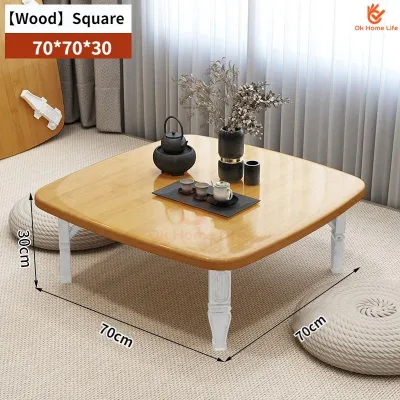
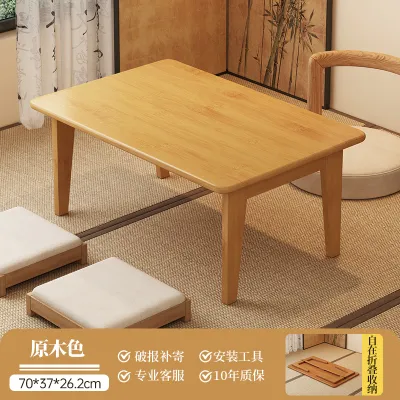
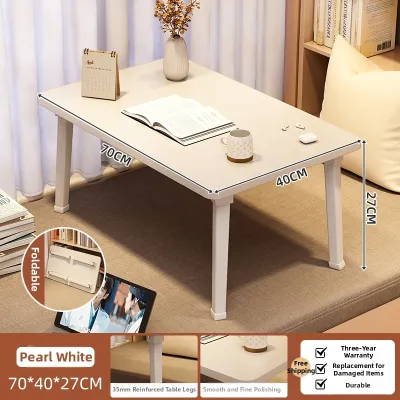
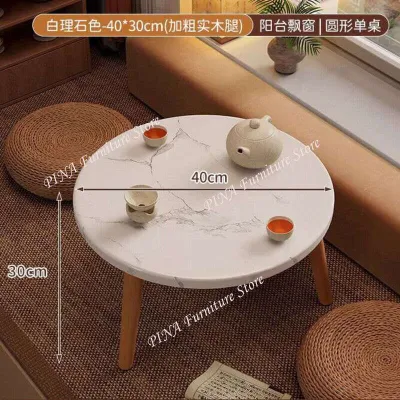
![[SG Stock]Rectangular Study Desk Foldable Table Tatami Tea Table Bay Window Small Tea Table Japanese-Style Tea Table](https://img.lazcdn.com/g/p/7cc083b1a3b9e064aa1ded7436cd65bf.jpg_400x400q80.jpg_.webp)
Prices are valid at publication and may change. Please refer to the product page for the latest price.
Seating pairings dictate the height and overall proportions of the table you should choose. Low floor tables pair naturally with floor cushions (such as Japanese zabuton), bean bags, poufs, or low-profile sofas that feature a seat height below 35 centimeters. If you attempt to pair a very low table with a standard-height sofa, the height discrepancy can make reaching for items awkward and physically uncomfortable. When planning your layout, ensure the height of the table surface is closely aligned with—or slightly below—the seat height of your primary seating options to maintain comfortable ergonomics.
Visual weight plays a critical role in how spacious your living room feels. Tables with open, slender, or tapered legs allow light to pass underneath, creating an illusion of spaciousness that benefits smaller rooms. Conversely, solid, blocky, or plinth-style tables have a high visual weight. While these solid designs work beautifully to anchor large, open-concept living areas, they can easily overwhelm a narrow or low-ceilinged space. Carefully consider whether your room needs a lightweight piece to preserve an open feel or a substantial piece to define a specific zone.
Finally, do not overlook the logistical challenges of delivery and installation. Large, solid-wood low tables or heavy stone pieces often arrive fully assembled. You must measure the precise dimensions of your home’s entryways, hallway corners, and elevator doors before purchasing. In many Singapore high-rise estates, narrow lift cabins and tight stairwells present significant access barriers for oversized, non-demountable furniture. Always confirm whether the table can be disassembled for transport or if its fully assembled dimensions fit within the lift access limits specified by your estate’s management.
Matching Low Floor Table Styles to Your Decor
Each interior design style carries distinct material cues and structural characteristics. To ensure your low floor table complements your existing decor, you must understand the specific design markers, ideal pairings, and practical material considerations associated with each major aesthetic.

Japanese and Zen Aesthetics
Japanese and Zen-inspired low tables focus on creating a grounded, serene atmosphere that emphasizes natural materials and organic textures. These tables typically feature solid wood construction—often using species like oak, walnut, or cedar—and may showcase raw or live edges that highlight the natural grain of the timber. They feature exceptionally low profiles, often sitting between 20 and 30 centimeters off the ground, which encourages a traditional floor-sitting lifestyle. The color palette is strictly warm, neutral, and earthy, avoiding artificial stains in favor of natural wood tones.
To complete this look, pair the table with traditional tatami mats, flat-weave natural fiber rugs (such as jute or sisal), and low-profile floor cushions. This combination establishes a dedicated, calming zone within the home that feels distinctly separate from high-traffic areas. The low height of the furniture draws the eye downward, making the vertical space of the room feel taller and more open.
When purchasing a Japanese-style solid wood table, you must verify the manufacturer’s specifications regarding wood treatment and joinery. In Singapore’s humid climate, untreated solid wood is highly susceptible to warping, cracking, and moisture damage. Look for tables treated with high-quality, moisture-resistant matte sealants or traditional oil finishes that protect the wood without masking its natural texture. Additionally, examine the joinery; traditional mortise-and-tenon joints offer excellent structural stability and accommodate the natural expansion and contraction of wood far better than cheap metal fasteners, which can rust over time.
Scandinavian and Light Wood Designs
Scandinavian low tables are defined by their bright, airy aesthetic, functional simplicity, and organic warmth. Key visual markers include the use of light-toned woods or finishes—such as oak, ash, beech, or birch—along with gently rounded edges, tapered legs, and clean, uncluttered surfaces. These design choices maximize the reflection of natural light, helping to make indoor spaces feel bright and cheerful even on overcast days.
This style pairs exceptionally well with neutral textiles, such as linen or wool-blend floor cushions, pastel-colored poufs, and light-colored low-profile sofas. Integrating indoor potted plants, such as a snake plant or monstera, complements the natural wood tones and enhances the fresh, organic feel of the space.
Because light-toned woods have a pale surface, they are particularly prone to showing dirt, water rings, and scratches. When evaluating a Scandinavian-style table, you must inspect the surface finish specifications. Ensure the table has a durable, protective topcoat—such as a water-based polyurethane or a high-pressure laminate finish—that resists stains and scratches from daily use. Avoid untreated or poorly sealed light woods if the table will be used frequently for dining, drinking coffee, or working, as these activities can quickly leave permanent marks on unprotected surfaces.
Industrial and Raw Urban Looks
Industrial low tables embrace a rugged, utilitarian aesthetic that celebrates raw, contrasting textures and sturdy construction. Visual markers include matte black metal frames (often made of powder-coated steel or iron), dark or reclaimed wood surfaces, exposed hardware, and blocky, geometric shapes. This style is highly suited for modern apartments with concrete screed flooring, exposed brickwork, or dark accent walls.
To balance the coldness of metal and dark wood, pair an industrial low table with warm, textured seating elements. Cognac leather floor cushions, heavy wool rugs, and dark-toned low sofas work beautifully to soften the raw edges of the table while maintaining the cohesive, urban loft feel of the room.
Due to the heavy materials used in industrial designs, these tables can be exceptionally heavy. You must check the total weight specification of the table before purchasing to ensure your flooring can handle the concentrated load. Metal legs or sharp metal corners can easily scratch or dent delicate flooring materials like vinyl, parquet, or polished marble. Always verify that the table legs are fitted with protective rubber, felt, or plastic glides, and consider placing a thick, durable rug underneath the table to distribute the weight and protect your floor’s surface.
Minimalist and Clean-Line Profiles
Minimalist low tables prioritize extreme functionality, seamless integration, and the complete elimination of visual clutter. These tables are characterized by sharp geometric shapes, monochrome color palettes (such as matte white, charcoal, or soft grey), and smooth, unornamented surfaces. To maintain a clean look, many minimalist designs incorporate hidden storage compartments, touch-to-open drawers, or lift-top mechanisms that conceal everyday items from view.
To preserve the clean lines of a minimalist living room, pair the table with modular, low-profile seating that can be easily rearranged. Incorporate hidden cable management systems if you plan to use electronic devices at the table, and use concealed LED strip lighting to illuminate the floor area around the table, creating a floating effect.
When choosing a minimalist table with integrated storage or moving parts, you must pay close attention to the quality of the hardware. Lift-top mechanisms, sliding panels, and hidden drawer runners are subject to constant physical stress. Inspect the manufacturer’s specifications for high-quality components, such as soft-close hydraulic hinges, gas struts, or heavy-duty steel runners. Poor-quality hardware can fail quickly, resulting in misaligned panels or drawers that stick, which immediately ruins the clean, seamless aesthetic of a minimalist piece.
Practical Buying Checks for Low Floor Tables
To ensure your low floor table is comfortable and practical for daily use, you should perform several hands-on checks and specification verifications before making your purchase.
- Ergonomics and Height: Measure the height of your current seating cushions or low sofa. For comfortable floor-sitting, look for a table height that leaves at least 20 centimeters of vertical clearance between the floor (or your cushion) and the underside of the table apron. This ensures you have enough room to tuck your legs underneath without feeling restricted. If you are pairing the table with a low-profile sofa, the table surface should ideally sit level with, or up to 5 centimeters below, the top of the sofa seat cushion.
- Surface Durability: Do not rely on material names alone to guarantee performance. Always read the manufacturer's care labels and material specifications. Look for explicit mentions of heat resistance, water resistance, and scratch resistance. If you plan to place hot cups or cold drinks directly on the surface, ensure the finish can withstand temperature changes without clouding, peeling, or forming permanent rings.
- Movability and Cleaning: Low tables sit close to the floor, making them magnets for dust, pet hair, and debris. If you select a heavy, solid-block table, moving it to sweep and mop can be physically demanding. If you prefer a heavy design, look for options with hidden, lockable casters that allow you to roll the table aside easily during cleaning. Alternatively, if you use a robot vacuum, ensure the table has at least 10 to 12 centimeters of leg clearance so the vacuum can pass underneath unobstructed.
- Safety Edges: Because low tables sit at knee and shin height, sharp corners present a constant bumping hazard for adults, children, and pets. Prioritize tables with rounded, bullnose, or beveled edge profiles rather than sharp 90-degree corners. If shopping online, request close-up photos or detailed engineering diagrams of the edge profile to verify its safety before ordering.
Frequently Asked Questions (FAQ)
Can I use a low floor table with a standard height sofa?
While you can physically place a low floor table in front of a standard-height sofa, doing so often creates ergonomic and visual issues. Standard sofas typically have a seat height of 45 to 50 centimeters, whereas low floor tables average 25 to 35 centimeters in height. This significant height gap requires you to bend forward awkwardly to reach items on the table, which can strain your back over time.
Visually, a very low table paired with a tall, bulky sofa can look disproportionate, making the table appear dwarfed and out of place. If your primary seating is a standard-height sofa, it is generally better to opt for a standard coffee table height of 40 to 45 centimeters. Alternatively, you can use the low floor table as a secondary accent piece in a dedicated corner of the room, paired with floor cushions or a low lounge chair to create a separate, cozy reading or tea nook.
How do I clean and maintain a low wooden table in a humid climate?
Maintaining a low wooden table in Singapore’s tropical climate requires consistent, low-risk care to prevent moisture damage and warping. Dust the surface regularly with a dry, clean microfiber cloth to remove abrasive dust particles. Avoid placing the table directly under air-conditioning vents, as the rapid temperature and humidity fluctuations can cause the wood to expand and contract unevenly, leading to structural cracks or warping. Similarly, keep the table away from direct sunlight streaming through balcony doors to prevent the finish from fading or drying out.
For daily cleaning, use a slightly damp cloth wrung out thoroughly so that no standing water is left on the wood surface. Wipe dry immediately with a separate dry cloth. Never use harsh chemical cleaners, abrasive scrubbing pads, or generic furniture polishes unless they are explicitly recommended by the manufacturer’s care instructions. Using unapproved cleaning products can strip away the protective topcoat, voiding your warranty and leaving the raw wood vulnerable to humidity and spills.
Community discussion
Share your experience or ask a question. Comments are reviewed before publication.