
Finding a balance between a child’s developmental needs and an adult’s design preferences in a shared living room is a common challenge for modern families. A dedicated kids table set provides a designated space for drawing, building, and snacking, but it must coexist harmoniously with your existing furniture, layout, and daily routine. To make an investment that serves your family for years, you must evaluate spatial footprint, aesthetic compatibility, practical features, and physical safety.
Choosing the right set involves looking beyond bright colors and toy-store displays. By focusing on how a kids table set integrates into your home’s physical space and visual style, you can create an inviting environment for your child that still feels like a sophisticated adult sanctuary.
Assessing Space and Layout in a Shared Living Room
In Singapore’s typical urban residences, such as high-rise HDB flats and condominiums, living room floor space is highly valuable. Before browsing designs online or visiting physical showrooms, you must map out the exact area where the table set will stand. Use masking tape on the floor to visualize the physical footprint of both the table and the chairs when they are pulled out for use. Ensure there is at least 60 to 80 centimeters of clearance around the set so family members can walk past without tripping or feeling cramped.
Products mentioned in this guide
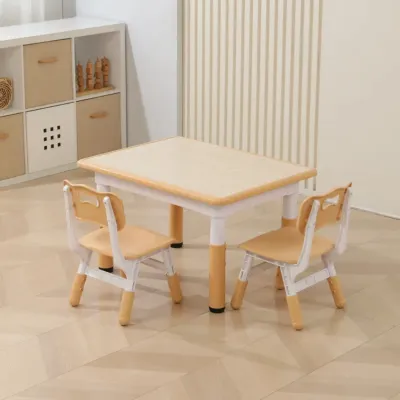
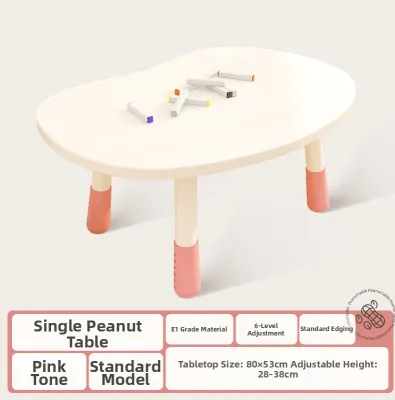
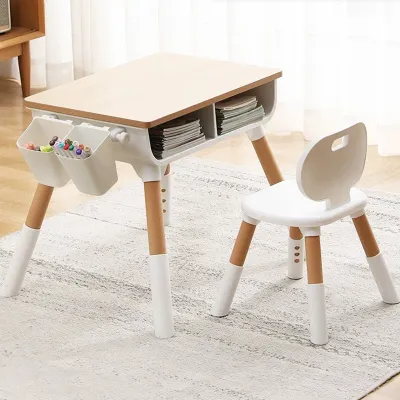
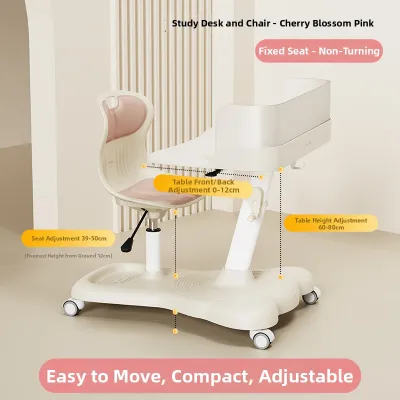
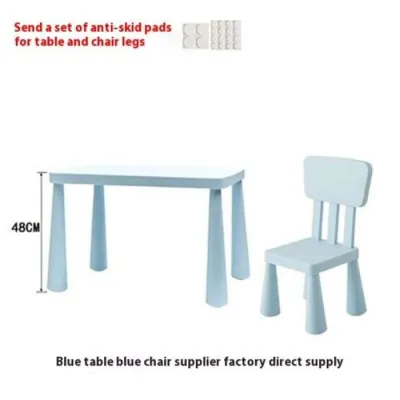
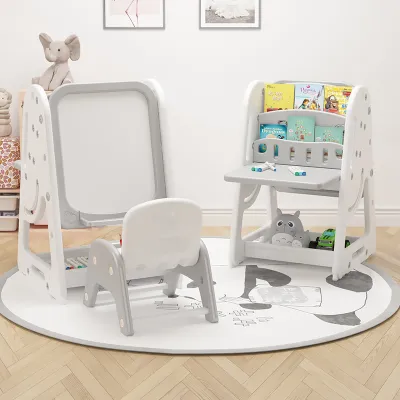
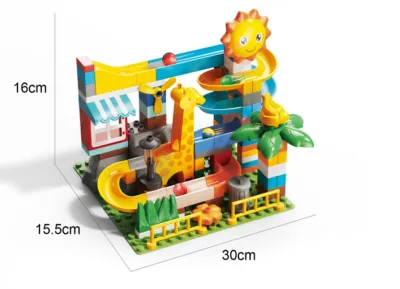
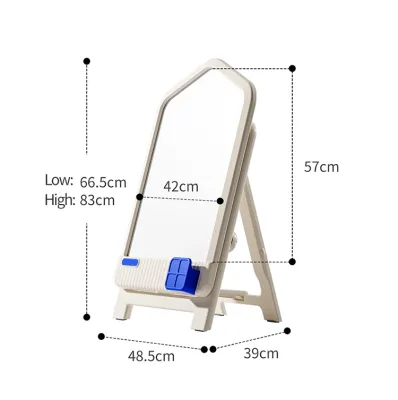
Prices are valid at publication and may change. Please refer to the product page for the latest price.
Consider the placement of the kids’ furniture relative to your main seating and high-traffic pathways. Placing the set in a quiet, dedicated corner away from the direct walkway to the balcony or kitchen reduces the risk of accidental collisions during active play. If your living room features an open-plan layout, a kids table set can actually serve as a subtle zone divider, defining a clear play area without the need for physical partitions or bulky toy organizers.
For smaller apartments, deciding between a permanent setup and a temporary, stowable option is a key step. A permanent corner allows your child to return to their ongoing projects, such as puzzles or clay modeling, without interruption. However, if your living room must quickly transition back to a formal hosting space, a foldable table or a set with nestable chairs that tuck completely underneath the tabletop is highly advantageous.
Finally, if you anticipate moving the table set between the living room, a bedroom, or a dedicated playroom, you must verify the clearances of your home’s doorways and hallways. Measure the narrowest points of your corridors and door frames before purchasing. If you live in a multi-story building, ensure the packaged or fully assembled furniture can easily fit inside your building’s lift and main entrance to avoid delivery day complications.
Blending the Table Set with Your Existing Decor
Integrating children’s furniture into an adult living space does not mean you have to sacrifice your home’s aesthetic. By selecting materials, finishes, and colors that mirror or complement your existing decor, you can make the kids’ set look like a deliberate, stylish extension of your living room rather than an out-of-place toy.

Wood Finishes and Neutral Tones for Minimalist Spaces
For homes designed around a Scandinavian, Japandi, or minimalist aesthetic, a wooden kids table set is an excellent choice. Rather than selecting mismatched pieces, look for wood species or finishes that complement your existing coffee table, TV console, or flooring. For example, if your living room features light oak or beech accents, selecting a kids’ set with a similar light wood grain maintains a clean, continuous visual flow across the room.
Keep in mind that a material name alone does not guarantee durability or scratch resistance. When choosing wood, check the manufacturer’s care instructions to see if the surfaces are treated with a matte, water-resistant protective sealant. Unfinished wood can easily absorb moisture and warp in humid tropical climates, or become permanently stained by spilled drinks and art supplies. To soften the look and match your adult sofas, consider adding neutral-colored seat cushions in beige, grey, or cream, opting for removable, machine-washable covers for easy maintenance.
Modern Materials and Accent Colors for Contemporary Rooms
If your living room features a contemporary, industrial, or eclectic design, you can explore materials beyond traditional wood. Modern options like powder-coated metals, high-pressure laminates, and molded plastics offer sleek lines and unique silhouettes that fit well in sophisticated spaces. To prevent the kids’ area from looking chaotic, avoid bright, high-saturation primary colors that clash with your overall palette.
Instead, select muted, sophisticated tones such as olive green, dusty blue, terracotta, or warm charcoal. These subtle shades can coordinate beautifully with your existing living room accents, such as throw cushions, area rugs, or curtains. When choosing synthetic materials or metals, inspect the surface texture; matte or satin finishes tend to look more premium and hide fingerprints better than high-gloss surfaces. Ensure that metal components have powder-coated finishes to prevent rust, particularly in humid environments, and check the manufacturer’s care instructions for the best cleaning agents to use.
Matching Features to Your Daily Family Lifestyle
A kids table set should actively support how your family uses the living room daily. By matching the set’s features to your household’s routine, you can maximize the utility of the furniture while keeping the shared space organized and functional.
Multi-Use Functionality for Shared Family Time
If you value collaborative activities, look for multi-functional designs that adapt to different tasks. Some tables feature reversible tabletops with a smooth, flat surface on one side for drawing or dining, and a specialized building-block baseplate on the reverse. This versatility keeps the living room organized while allowing quick transitions between structured learning and creative play.
Furthermore, a slightly larger table can serve as a collaborative station where parents and children can work on puzzles, board games, or craft projects together. If the table is sturdy enough and matches the height of your low sofa, it can even function as a secondary activity station during family gatherings. Always verify the physical dimensions and weight capacity of the table before using it for heavier shared items.
Easy-Clean Surfaces and Smart Storage
In a high-traffic shared living room, easy cleanup is essential for maintaining a tidy home. Children’s activities naturally involve markers, paint, clay, and snacks, which can quickly ruin delicate surfaces. Prioritize non-porous, wipeable materials that do not absorb liquids. High-pressure laminates, treated hardwoods, and high-density plastics are generally easier to wipe clean than unfinished or highly textured surfaces.
To keep visual clutter to a minimum when guests arrive, look for kids tables sets that incorporate smart storage solutions. Some designs feature built-in storage nets, pull-out bins beneath the tabletop, or hollow stools with removable lids. These compartments allow you to sweep toys, crayons, and books out of sight in seconds. Additionally, choosing stackable chairs or a design where the chairs slide completely underneath the table helps reclaim valuable floor space when the set is not in use.
Verifying Safety, Ergonomics, and Age Fit
Physical safety and ergonomic support are paramount when selecting furniture for growing children. A table or chair that is the wrong size can lead to poor posture and discomfort. To find the right fit, measure your child’s seated height and inseam. Ideally, when sitting on the chair, the child’s feet should rest flat on the floor, with their knees bent at a comfortable 90-degree angle. The tabletop should sit approximately 20 to 25 centimeters above the seat pan to allow comfortable arm placement without slouching.
Stability is another critical factor, especially for active toddlers who may lean on or climb the furniture. Look for tables and chairs with wide, splayed legs and a low center of gravity, which significantly reduce the risk of accidental tipping. Inspect the physical build of the set: check for rounded corners, smooth edges, and recessed hardware to prevent scratches or snags.
Before finalizing your purchase, do not rely on general assumptions about material strength. Always check the manufacturer’s product label or official specifications for the exact weight limits of both the table and the chairs. Verify that the finishes used are certified non-toxic and low-emission, ensuring a safe indoor environment for your family. If the manufacturer’s safety instructions or assembly guidelines are unclear, consult their customer support or a qualified professional before setting up the furniture.
Quick Evaluation Checklist for Your Purchase
Before making your final decision, use this practical checklist to evaluate your options in-store or online:
- Floor Space & Flow: Have you taped out the dimensions in your living room, leaving 60 to 80 cm of walking clearance around the set?
- Access Check: Will the packaged or assembled set fit through your doorways, hallways, and apartment lift?
- Aesthetic Match: Do the wood tones, metal finishes, or paint colors coordinate with your existing living room decor?
- Material Durability: Is the tabletop non-porous and treated with a protective, wipeable finish? Have you reviewed the manufacturer's cleaning guidelines?
- Smart Storage: Does the set feature built-in bins, drawer compartments, or space-saving stackable chairs?
- Ergonomic Fit: Do the chair and table heights match your child's current age, height, and seated posture?
- Stability & Safety: Does the furniture have a low center of gravity, wide legs, rounded edges, and certified non-toxic finishes?
- Weight Capacity: Have you verified the exact weight limits on the manufacturer's product label rather than guessing?
- Assembly Requirements: Have you confirmed if the set requires self-assembly, what tools are needed, or if professional installation is provided?
Frequently Asked Questions (FAQ)
Can a kids table set be used as a temporary coffee table?
While a kids’ table might look like a convenient height for a temporary coffee table, you must exercise caution. Kids’ furniture is engineered with specific weight limits and structural designs intended for children’s activities. Before placing heavy adult items, hot beverages, or sharp objects on a child-sized table, strictly check the manufacturer’s specifications. Placing hot items on a table without verifying its heat resistance can damage the finish, and exceeding the weight limit can cause the table to warp or collapse.
How do I protect my living room floor from scratches?
To prevent scratches and scuff marks on your living room floor, start by inspecting the bottom of the table and chair legs. Adding protective accessories is highly recommended. You can attach heavy-duty felt pads to the legs for smooth sliding on hardwood or parquet floors, or use flexible silicone leg caps for tiled or vinyl surfaces. Alternatively, placing the entire table set on a dedicated, low-pile play rug can protect your flooring while visually defining the play zone. Always verify that your chosen floor protectors are compatible with your specific flooring type to avoid discoloration or adhesive residue.
Community discussion
Share your experience or ask a question. Comments are reviewed before publication.