
Finding the right foldable single mattress in Singapore requires balancing space-saving convenience with proper spinal support. Because foldable mattresses rely on hinged foam segments, they behave differently than standard solid mattresses. To find the ideal firmness, you must look beyond generic marketing labels like “orthopaedic” or “extra firm” and instead evaluate physical specifications such as foam density, layer composition, and structural design. By matching these technical details to your sleeping posture and body weight, you can secure a comfortable, supportive sleep surface that fits seamlessly into a compact home.
Determine Your Required Firmness Level
Your primary sleeping position is the most critical factor in determining your ideal firmness level. Side sleepers generally require a medium-soft to medium surface that allows the shoulders and hips to sink slightly, maintaining a straight spine. Without this pressure relief, side sleepers often wake up with aching joints. Back sleepers, on the other hand, benefit from a medium-firm surface that supports the natural curve of the lower back without letting the pelvis sag. Stomach sleepers need a firm mattress to prevent the hips from sinking too deeply, which can arch the spine uncomfortably and lead to chronic lower back strain.
Body weight directly influences how you perceive mattress firmness. A lighter individual exerts less pressure and may find a medium mattress feels quite firm, whereas a heavier sleeper will compress the foam layers more deeply, making a medium mattress feel overly soft and unsupportive. When selecting a foldable mattress, consider how your weight interacts with the foam. If you fall into a heavier weight category, opting for a higher-density, firmer base is essential to prevent bottoming out against the hard floor or bed frame.
Products mentioned in this guide
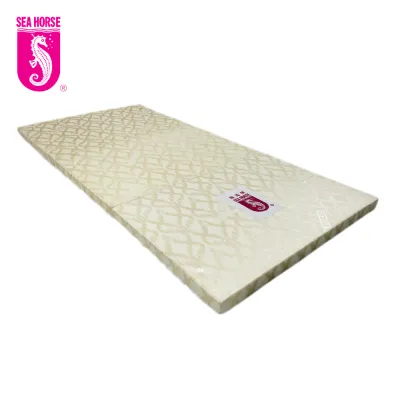
![[1-2 day delivery] Foldable Foam Mattress 3-Fold Mattress](https://img.lazcdn.com/g/ff/kf/Se38f308a460b4ba3aef73a3da6703c621.jpg_400x400q80.jpg_.webp)
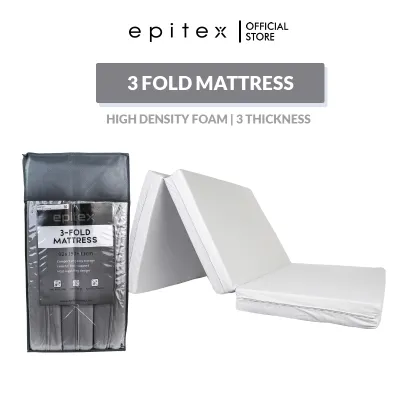
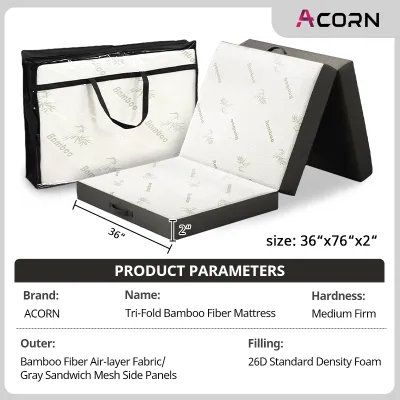
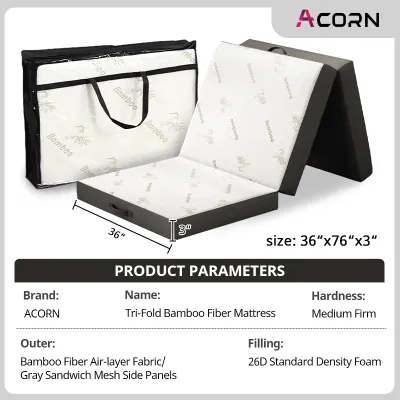
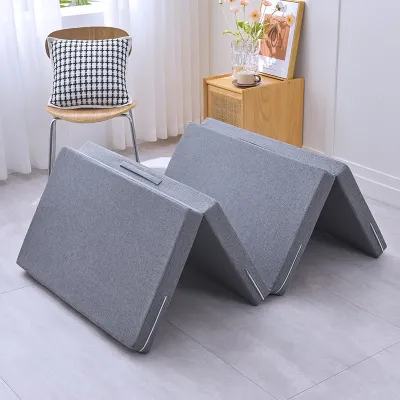
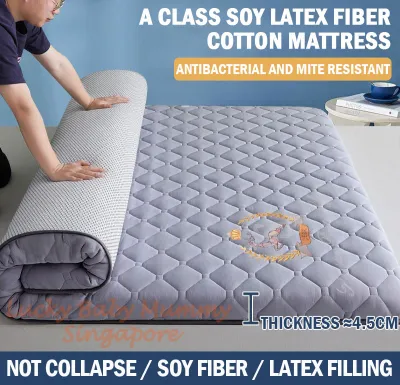
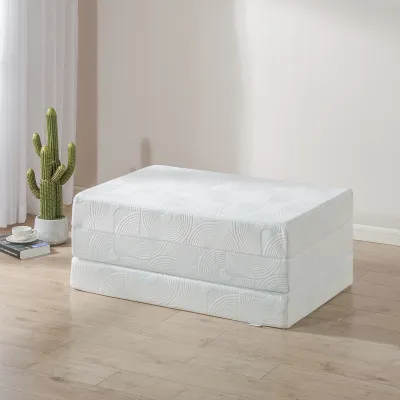
Prices are valid at publication and may change. Please refer to the product page for the latest price.
Paying attention to your body’s signals can help you identify whether your current sleeping surface is failing you. If you wake up with stiffness in your lower back, your mattress may be too soft, allowing your midsection to sag during the night. Conversely, if you experience numbness, tingling, or soreness in your shoulders and hips, the surface is likely too firm, creating harsh pressure points. Acknowledging these physical cues allows you to adjust your firmness target when shopping for a new foldable single mattress.
Match Internal Construction to Your Firmness Need
The internal construction of a foldable mattress determines its overall support and comfort profile. Most foldable designs utilize polyurethane foam, memory foam, latex, or a combination of these materials. High-density polyurethane foam serves as an excellent supportive base, offering a firm feel that prevents deep sinking. If you prefer a very firm sleeping surface, a single-layer, high-density foam mattress is often the most reliable choice, as it maintains its structural shape under pressure.

For those who prefer a softer or more contouring feel, multi-layered constructions are ideal. These mattresses typically feature a firm high-density foam base topped with a layer of memory foam or natural latex. The top layer cradles the body’s contours and relieves pressure points, while the dense base layer ensures you do not sink completely through the mattress. When evaluating multi-layer options, verify the thickness of each layer; a top comfort layer that is too thin may bottom out quickly, while one that is too thick might compromise the mattress’s ability to fold neatly.
The folding mechanism itself introduces seams and hinges that can alter the uniformity of the sleeping surface. A standard tri-fold mattress has two prominent seams where the segments meet. If these seams are poorly designed or if the foam segments are not cut precisely, you may feel gaps or hard edges beneath your body, particularly if you sleep near the joints. Look for brands that use tight-fitting fabric covers or recessed hinges that pull the foam segments closely together when unfolded, minimizing the tactile impact of the seams.
The outer cover plays a surprisingly significant role in the initial feel of the mattress. A thick, quilted cover adds a layer of plushness that can soften an otherwise firm foam core. Conversely, a thin, stretchy knit cover allows you to feel the direct support of the foam immediately. In Singapore’s warm and humid climate, the material of the cover is also crucial for temperature regulation. Covers made from breathable fabrics like bamboo fiber, tencel, or organic cotton help dissipate heat and moisture, preventing the clammy feeling often associated with synthetic foam materials.
Verify Dimensions, Weight Limits, and Storage Footprint
Before purchasing a foldable single mattress, it is essential to verify its exact dimensions against your available space. In Singapore, a standard single mattress typically measures 91 cm in width and 190 cm in length. However, because foldable mattresses are often designed for portability, some brands may use international sizing standards that differ slightly. Measure your bed frame or the floor area where you plan to place the mattress to ensure a perfect fit, avoiding overhangs or tight squeezes that could damage the mattress corners.
The folded footprint is a critical consideration, especially for residents of compact HDB flats where storage space is at a premium. When folded, a tri-fold mattress occupies roughly one-third of its fully extended length but triples in thickness. Measure your intended storage areas—such as wardrobes, utility closets, or the space beneath an existing bed frame—and compare these dimensions to the manufacturer’s folded specifications. Ensure there is sufficient clearance to slide the mattress in and out without forcing it, which could tear the cover or deform the foam.
Weight capacity limits are another vital specification that directly affects the longevity and support of the mattress. Foldable mattresses are generally thinner than standard mattresses, often ranging from 5 cm to 10 cm in thickness. Consequently, they have lower weight thresholds. Review the manufacturer’s guidelines to ensure the mattress can comfortably support the intended user. Exceeding the recommended weight limit can cause the foam to compress permanently, leading to premature sagging, loss of firmness, and a significant reduction in sleep comfort.
Portability features can make a substantial difference in how easily you can manage the mattress. Look for models equipped with built-in carry handles or those that come with a dedicated storage bag. A high-quality storage bag not only makes transport easier but also protects the mattress from dust, pests, and moisture while stored away. If you plan to move the mattress frequently between rooms or take it on trips, a lightweight design with robust handles will save you considerable physical effort.
Evaluate Brand Reliability and Purchase Protections
When shopping for a foldable mattress online or in local showrooms, evaluating the brand’s purchase protections is key to a risk-free buying experience. Sleep trials are highly beneficial, as they allow you to test the mattress’s firmness in your own home over several weeks. However, read the fine print carefully. Verify whether the brand offers a full refund or only store credit, who covers the return shipping costs, and what condition the mattress must be in to qualify for a return. Some brands require you to use a mattress protector during the trial period.
Warranty coverage is a strong indicator of a brand’s confidence in its product’s durability. A standard warranty for a quality foldable mattress should cover manufacturing defects, such as seam splitting, zipper failure, and abnormal foam sagging (typically defined as a permanent indentation of a certain depth, such as 2 cm or more). Be aware of what voids the warranty, such as using an improper bed base or failing to follow care instructions. A brand that offers a clear, multi-year warranty provides peace of mind that your investment is protected.
Transparency in material disclosures is another hallmark of a reliable brand. Look for manufacturers that openly state the density of the foam used and provide certifications from independent testing bodies, such as CertiPUR-US or OEKO-TEX. These certifications verify that the foam is free from harmful chemicals, heavy metals, and high levels of volatile organic compounds (VOCs), ensuring a safer sleeping environment. Avoid brands that use vague marketing terms without providing concrete technical specifications or safety certifications.
Maintain Hygiene and Structural Integrity
Proper maintenance is essential to preserve both the hygiene and the structural integrity of your foldable mattress, particularly in Singapore’s tropical climate. High humidity levels can easily lead to moisture buildup within the foam layers, creating an environment ripe for mold, mildew, and dust mites. To prevent this, avoid folding and storing the mattress immediately after use. Allow it to air out in a well-ventilated room, or stand it upright near an open window for a few hours to let any trapped body heat and moisture dissipate.
Keeping the mattress clean requires a combination of regular vacuuming and prompt spot-cleaning. If your mattress features a removable, machine-washable cover, launder it periodically according to the manufacturer’s instructions, using a gentle cycle and mild detergent. For the inner foam core, never submerge it in water or use harsh chemical cleaners, as moisture can degrade the foam structure and lead to permanent damage. Instead, spot-clean spills immediately with a damp cloth and a mild soap solution, ensuring the area is completely dry before putting the cover back on.
Regularly inspecting the folding joints, seams, and zippers will help you catch minor wear before it becomes a major issue. The fabric hinges on a foldable mattress experience significant stress every time the mattress is folded and unfolded. Check for loose threads, fraying fabric, or stiff zippers that might tear the surrounding material. Handling the folding mechanism gently and avoiding rough pulling will extend the lifespan of these high-stress areas, ensuring your mattress remains fully functional for years to come.
Frequently Asked Questions (FAQ)
Can I use a foldable single mattress directly on the floor?
Yes, you can use a foldable single mattress directly on the floor, but doing so requires extra care to maintain hygiene and comfort. Placing a mattress on the floor limits airflow beneath it, which can trap body heat and moisture, leading to mold growth on the underside. To mitigate this risk, place a breathable barrier, such as a thin tatami mat or a moisture-resistant underlay, between the mattress and the floor. Additionally, make it a habit to lift the mattress and prop it against a wall to air out regularly, and check your manufacturer’s guidelines, as some warranties may be voided by prolonged floor use.
How do I know if the folding seams will be uncomfortable?
To ensure the folding seams do not disrupt your sleep, look for mattresses designed with tight, flush joints and high-density foam that resists spreading at the hinges. High-quality models often feature a snug-fitting outer cover that holds the segments tightly together, effectively masking the gaps. When researching options, pay close attention to user feedback regarding the feel of the seams. If you are highly sensitive to surface irregularities, consider placing a thin, breathable mattress topper over the unfolded mattress to create a completely seamless, uniform sleeping surface.
Are foldable mattresses suitable for everyday use?
While foldable mattresses are highly convenient, most are designed for temporary or occasional use, such as for guests or travel. For everyday use, a standard non-folding mattress is generally recommended because the constant folding and unfolding can accelerate wear on the seams and foam joints. However, if you must use a foldable mattress daily due to space constraints, invest in a premium model featuring high-density polyurethane foam (at least 30 kg/m³) and a robust, heavy-duty cover. This ensures the mattress can withstand daily compression and frequent folding without sagging prematurely.

Community discussion
Share your experience or ask a question. Comments are reviewed before publication.