
Finding the right fabric single sofa bed with storage for a small HDB bedroom requires balancing space-saving efficiency with daily comfort. In Singapore’s compact apartments, where a typical common bedroom offers limited floor area, every square centimeter must be utilized intentionally. The ideal choice must serve as a comfortable seat by day, transition smoothly into a supportive single bed by night, and provide accessible storage without obstructing the room’s flow. By focusing on precise physical measurements, mechanism types, and fabric durability, you can select a multi-functional piece that enhances your living space without causing physical or visual clutter.
Assessing Spatial Constraints and Clearance in HDB Bedrooms
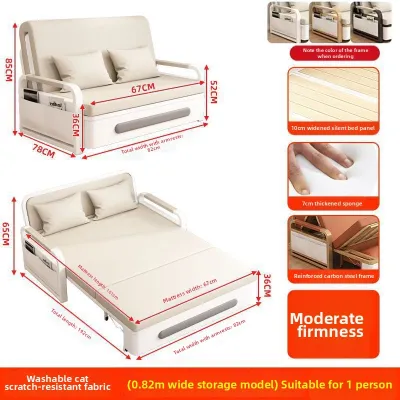
When introducing a dual-purpose furniture piece into an HDB bedroom, you must map out two distinct footprints: the closed seating footprint and the fully extended sleeping footprint. A standard HDB common bedroom is roughly 9 to 11 square meters, meaning that a single sofa bed can quickly dominate the room if not planned carefully. Before purchasing, use masking tape on the floor to visualize both states. This physical outline helps you see exactly how much floor space remains when the bed is fully deployed.
Ensure that when the bed is fully extended, there is still a clear walking path of at least 50 to 60 centimeters on at least one side. This prevents the room from feeling completely blocked and allows you to move comfortably at night without climbing over other furniture. If the bed extends directly toward a doorway or a built-in wardrobe, verify that it does not block these critical pathways or prevent doors from opening.
Products mentioned in this guide
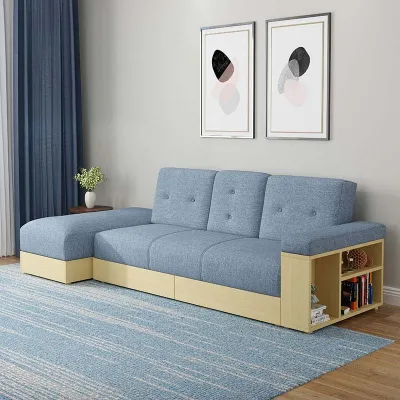
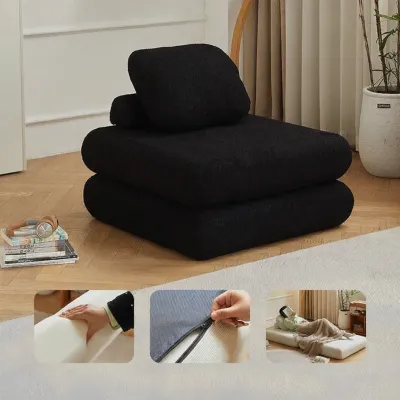


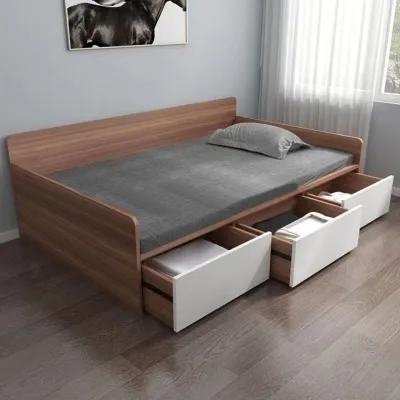
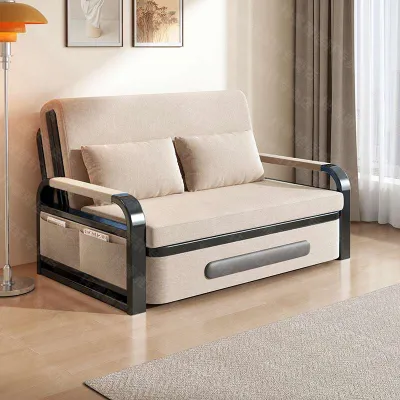
Prices are valid at publication and may change. Please refer to the product page for the latest price.
Built-in wardrobes with swing doors require specific clearance calculations. Measure the swing radius of your wardrobe doors to ensure they do not collide with the sofa bed in either its seated or extended form. If space is exceptionally tight, sliding wardrobe doors or a sofa bed that unfolds parallel to the wardrobe may be necessary to maintain access to your clothing.
A common oversight is assuming a sofa bed will fit through the door just because it fits in the room. You must verify the delivery path from the building entrance to the bedroom. Measure the height and width of your HDB apartment’s main door, the bedroom door frame, and any narrow corridors or tight corners within your home.
Additionally, check the dimensions of your HDB block’s passenger lift. If the packaged sofa bed is too long or bulky to fit into the lift, delivery teams may need to use the staircases, which often incurs additional manual handling fees. Confirm these dimensions with the retailer’s delivery specifications before finalizing your order to avoid unexpected delivery complications.
Evaluating Storage Mechanisms and Capacity
Storage sofa beds generally utilize two main designs: gas-lift (ottoman) bases or pull-out drawer bases. Each design serves a different storage habit and requires a different spatial layout to operate effectively within a small bedroom.

Gas-lift ottoman mechanisms use gas struts to lift the entire mattress platform, revealing a large, undivided storage compartment underneath. This style is highly efficient for storing bulky, lightweight, or seasonal items such as winter clothing, spare duvets, and extra pillows. Because you lift the bed vertically, you do not need extra floor clearance around the sides of the bed to access the storage, making it ideal for extremely narrow rooms.
Drawer-style storage features built-in drawers that slide out from the front or sides of the sofa base. This design is ideal for items you need to access daily or weekly, such as bed linens, towels, or study materials. However, drawers require significant clear floor space in front of or beside the unit to open fully. If your bedroom floor is carpeted or has limited clearance, drawers can be difficult to operate and may scrape against the floor.
When evaluating either mechanism, inspect the quality of the hardware. For gas-lift bases, check the manufacturer’s specified weight limit for the lifting mechanism to ensure it can support the weight of the mattress and bedding. Look for models that include safety locks or mechanical stop bars to prevent the platform from closing accidentally while you are reaching inside.
Test or verify the physical force required to operate the mechanism. High-quality gas struts should do most of the lifting work for you, requiring minimal effort. For drawers, look for smooth metal runners with ball bearings and safety stops that prevent the drawers from pulling completely out of their tracks, ensuring smooth operation over years of use.
Selecting Fabric Types and Maintenance for Daily Use
The tropical climate of Singapore, characterized by high humidity and warm temperatures, demands careful consideration of upholstery fabrics. Synthetic blends, such as polyester-nylon mixes, are highly popular for sofa beds because they offer excellent durability and resistance to stretching or sagging over time.
Look for fabrics with a tight, dense weave. A tight weave prevents dust, pet hair, and skin flakes from penetrating deep into the cushions, making the sofa bed easier to keep clean. At the same time, ensure the fabric remains breathable so that it does not trap body heat during warm nights, which is crucial for a comfortable sleeping experience.
Check the manufacturer’s specifications for abrasion resistance, often measured by the Martindale rub count. For a piece of furniture that doubles as a daily bed, a rub count of 15,000 to 20,000 or higher is recommended for domestic use. Many modern fabrics also come pre-treated with water-resistant or stain-resistant coatings, which help repel liquid spills before they sink into the fibers.
In a bedroom setting, hygiene is paramount. Prioritize sofa beds that feature fully removable and machine-washable fabric covers. This allows you to wash the upholstery regularly, just like standard bed sheets, keeping allergens and dust mites at bay. If the covers are not removable, verify whether the fabric can be safely spot-cleaned with mild upholstery cleaners.
Establish a simple maintenance routine to prolong the life of your fabric sofa bed. Regular vacuuming with an upholstery brush attachment removes surface dust and prevents dirt from grinding into the fabric fibers. Address spills immediately by blotting them with a clean, dry cloth rather than rubbing, which can spread the stain and damage the weave.
Checking Structural Stability and Assembly Requirements
The constant transition between a sofa and a bed puts significant stress on the furniture’s frame. Look for frames constructed from solid hardwood or reinforced metal. Avoid frames made entirely of low-density particleboard, as these can warp or crack under the repeated mechanical stress of unfolding and folding.
Inspect how the joints are secured. High-quality frames use heavy-duty screws, dowels, and corner blocks rather than simple staples or glue. The metal hinges and folding brackets that facilitate the transition should feel robust and operate without excessive play or wobbling, ensuring the bed remains level and supportive.
Always verify the manufacturer’s stated weight capacity for both configurations. A single sofa bed should comfortably support a seated adult and a sleeping adult, typically requiring a weight capacity of at least 100 to 120 kilograms. Ensure this capacity includes the weight of any stored items if the storage compartment is integrated into the load-bearing base.
Consider the assembly requirements of the unit. Many storage sofa beds are delivered flat-packed and require extensive assembly. Determine whether the retailer offers professional installation services, as incorrect assembly can compromise the structural integrity and safety of the folding mechanism. Additionally, check if the unit’s design requires anchoring to the wall to prevent tipping when the bed is fully extended or when the gas-lift storage is opened.
Building Your Conditional Shortlist
To build your shortlist, first match the unfolding mechanism to your room’s layout. A pull-out mechanism is excellent if you have ample length in front of the sofa but limited width. A click-clack or fold-down mechanism often unfolds sideways, requiring more lateral space but less forward clearance, making it suitable for wide, shallow rooms.
Next, align the storage type with your lifestyle. If you plan to use the sofa bed primarily for guests and need to store spare bedding, a deep gas-lift compartment is the most efficient choice. If you are using it daily in a study-bedroom and need quick access to books, files, or daily wear, a model with front-facing drawers is far more practical.
Before making a final purchase, compile a checklist of specifications to verify with the retailer. Confirm the exact outer dimensions in both seated and extended states, including any clearance needed behind the backrest. Ask about delivery fees in S$, including potential surcharges for walk-ups if your HDB block has lift maintenance or if the item cannot fit into the passenger lift.
Finally, inquire about the warranty terms. Because a storage sofa bed has multiple moving parts, ensure the warranty covers not just the frame and fabric, but also the mechanical hinges, gas struts, or drawer runners. A comprehensive warranty on these moving components provides peace of mind for a piece of furniture intended for daily, multi-functional use.
Frequently Asked Questions (FAQ)
Do I need to apply a fabric protector before using the sofa bed?
Before applying any aftermarket fabric protector or stain-repellent spray, always consult the manufacturer’s care guidelines. Some fabrics come pre-treated with proprietary protective coatings, and applying third-party chemicals can degrade these treatments or void your product warranty.
If the manufacturer permits the use of a fabric protector, always perform a patch test first. Apply a small amount of the spray to an inconspicuous area, such as the underside of a cushion or the back of the frame, and let it dry completely. Check for any discoloration, color bleeding, or changes in the fabric’s texture before treating the entire sofa bed.
How much clearance should I leave around the sofa bed for ventilation?
To prevent moisture buildup and mold, which are common concerns in Singapore’s humid climate, check the manufacturer’s recommendations for ventilation clearance. Generally, leaving a gap of 5 to 10 centimeters between the back of the sofa bed and the wall allows sufficient airflow to prevent stagnant air pockets.
Additionally, make it a habit to periodically air out both the storage compartment and the mattress surface. Leave the storage base open for a few hours on a dry day, and avoid storing damp items inside. This simple practice helps dissipate trapped humidity, keeping your bedding fresh and protecting the internal wooden frame from moisture damage.

Community discussion
Share your experience or ask a question. Comments are reviewed before publication.