
Finding the perfect coffee table is not about buying a matching set from a showroom catalog. Instead, it is an exercise in balancing visual weight, coordinating material undertones, and ensuring physical proportions align with your existing sofa and layout. By analyzing the design language of your current furniture, you can select a piece that feels intentional, functional, and beautifully integrated into your home.
Identify Your Current Living Room Style
Before browsing online marketplaces or local showrooms, take a step back to analyze the dominant design themes already present in your living room. Your existing furniture pieces—particularly your sofa, media console, and accent chairs—carry distinct style markers that establish a design baseline. Identifying these markers helps you choose a coffee table that complements, rather than clashes with, the room’s established aesthetic.
If your space features clean lines, tapered legs, and warm wood tones, your style leans toward mid-century modern. A minimalist room might showcase low-profile seating, neutral palettes, and sleek, unadorned surfaces, while industrial spaces often feature exposed metal frames, rustic wood, and utilitarian hardware. Traditional rooms typically display rolled arms, ornate wood carvings, and structured symmetry. Recognizing these elements prevents you from accidentally introducing a piece that feels entirely out of place.
Products mentioned in this guide
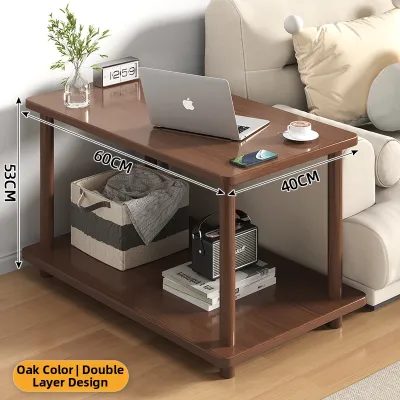
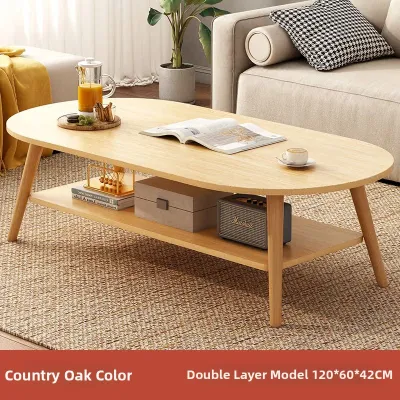
Prices are valid at publication and may change. Please refer to the product page for the latest price.
Next, evaluate the formality and daily use of the room. A formal living room designed primarily for hosting guests benefits from structured, elegant tables with refined surfaces like polished stone, marble, or brass-framed glass. Conversely, a casual, family-oriented room calls for a durable, lived-in table that can handle everyday activities, books, and feet-up relaxation. Matching the table’s vibe to the room’s primary function ensures it feels appropriate for your lifestyle.
Finally, note the recurring design motifs, leg styles, and hardware details in your current setup. Look at the legs of your sofa, the frame of your lounge chairs, and the handles on your media console. If your seating features thin, black powder-coated metal legs, choosing a coffee table with similar metal accents creates an instant visual connection. You do not need an exact match, but sharing a common design detail helps tie the entire room together.
Match Table Shapes to Your Sofa and Layout
The physical silhouette of your coffee table dictates how people move through your living room and how comfortable they feel while seated. The goal is to select a shape that complements the lines of your primary seating while supporting natural foot traffic. A mismatch here can make the room feel cramped or make it difficult to reach the table surface.

For a standard linear sofa, a rectangular or oval table is generally the most practical choice. These elongated shapes mirror the sofa’s length, ensuring that everyone sitting on the couch can easily reach the table surface to set down a drink or grab a book. Oval tables offer the added benefit of softening the room’s lines, making them excellent for narrow spaces where sharp corners might pose a bumping hazard.
If your living room features a bulky, deep-seated sectional or an L-shaped sofa, a round or square coffee table often works best. Round tables are particularly effective at softening the sharp angles of a sectional, and they allow for easy navigation in tight spaces. They encourage a circular conversation flow and are highly forgiving in high-traffic areas where people frequently pass by.
Square tables are ideal for symmetrical seating layouts, such as two facing sofas, or for rooms that are distinctly square. They provide a generous surface area that anchors the center of the conversation zone, making the entire arrangement feel cohesive and balanced. However, because they take up significant floor space, they are best reserved for larger rooms.
Before committing to any shape, map out your clearance pathways. In compact urban homes, maintaining a comfortable flow of traffic is essential. Aim for a clearance of 30 to 45 centimeters between the edge of the table and the sofa. This distance provides enough legroom to sit comfortably while keeping the table within easy reach. Additionally, ensure there is at least 60 to 75 centimeters of space between the table and other major furniture pieces, like a TV console, to prevent tight bottlenecks.
Coordinate Materials and Finishes
Coordinating materials is not about finding an exact match for every piece of wood in the room. In fact, trying to match a teak media console with an identical teak coffee table can make the space look flat and uninspired. Instead, focus on matching the underlying temperature of the wood tones. Warm undertones (like yellow, orange, or red found in cherry, warm oak, or teak) pair beautifully together, while cool undertones (like grey or ash found in weathered pine or charcoal finishes) should be grouped with similar cool tones.
To prevent your living room from looking like a single-brand showroom, introduce contrasting materials. If you have a plush fabric sofa and a wooden media console, a coffee table featuring a glass top and a metal frame can break up the heavy textures. Glass, stone, and metal elements reflect light differently, adding depth and visual interest to the room while complementing existing hardware, lighting fixtures, or shelving units.
When selecting materials, always verify the finish, joints, and care instructions rather than assuming a material is inherently durable. For instance, while solid wood is beautiful, its longevity in humid climates depends heavily on the protective sealant used. Check if the manufacturer specifies a moisture-resistant finish to prevent warping or water rings. If you have young children or pets, look for rounded edges and easy-to-clean surfaces, such as tempered glass or sealed stone, which resist scratches and spills better than untreated softwoods.
Examine the construction quality of the joints. High-quality tables often feature mortise-and-tenon joints or reinforced metal brackets rather than simple glue and staples. Ensuring the table has a stable, heavy base prevents it from tipping over if someone accidentally bumps into it. If you choose a stone or glass top, verify how it is anchored to the base to ensure long-term safety and stability.
Balance Colors and Visual Weight
Visual weight refers to how heavy an object looks, which is influenced by its color, material, and structure. Achieving a balanced look requires evaluating the table’s physical presence relative to the surrounding furniture. If your living room features a low-profile, light-colored fabric sofa, a heavy, dark wood block table can make the seating area feel bottom-heavy and cramped.
To balance a light or low-profile sofa, opt for a coffee table with a slender frame, open shelving, or a lighter color palette that complements the airy feel. Conversely, if you have a large, dark leather sofa, a tiny, delicate glass table will look lost and disproportionate. Anchor substantial upholstery with a table that has a more solid base, thicker legs, or a richer color tone to create a sense of stability.
In smaller or visually crowded living rooms, transparent materials are incredibly useful. A coffee table made of clear tempered glass or acrylic allows the pattern of your area rug to show through and keeps sightlines open. This optical illusion makes the entire room feel larger and less cluttered, which is particularly beneficial in compact apartment layouts.
You can also use the coffee table to tie together accent colors from around the room. If your throw pillows, artwork, or rug feature subtle brass or matte black accents, choosing a table with matching metal legs or hardware creates a unified look. The key is to distribute these colors evenly across the space so the eye moves naturally from one piece to another, creating a cohesive visual narrative.
Build Your Coffee Table Shortlist and Verify Fit
Once you have determined the ideal style, shape, and materials, create a practical checklist to evaluate specific products. Start with precise measurements. As a general rule, your coffee table should be approximately two-thirds the length of your sofa. The height of the table should be within 2 to 5 centimeters of your sofa’s seat cushion height to ensure comfortable ergonomics.
Next, define your functional requirements. If your household needs extra storage to keep remote controls, coasters, and magazines out of sight, look for tables with built-in drawers or a lower shelf. If you frequently eat or work from the sofa, a lift-top coffee table mechanism might be a highly practical addition to your shortlist. Make sure these functional features align with your daily habits.
Establish a realistic budget range. In Singapore, quality coffee tables can range from S$150 for simple, flat-packed designs to upwards of S$1,200 for solid hardwood or custom stone pieces. When browsing online marketplaces or local furniture showrooms, factor in delivery fees, assembly requirements, and whether the item can fit through your apartment’s doorway or lift access.
Before making a final purchase, perform a physical test in your living room. Use painter’s tape or lay down flattened cardboard boxes cut to the exact dimensions of the prospective table. Leave this mockup on the floor for a day or two. Walk around it, sit on the sofa, and test the clearance pathways. This simple step ensures you will not end up with a table that blocks your walkways or feels overwhelmingly large in your actual space.
Frequently Asked Questions (FAQ)
Should my coffee table match my TV stand or media console?
No, your coffee table does not need to match your TV stand or media console exactly. In fact, buying a matching set can make your living room look rigid and dated. Instead, aim for a coordinated look by sharing one or two design elements. For example, you can pair a wooden coffee table with a painted media console as long as they share similar leg styles or metal hardware. Another approach is to match the undertone of the wood finishes while choosing different structural designs, which creates a curated, designer-led aesthetic rather than a generic showroom feel.
How high should a coffee table be compared to the sofa?
Your coffee table should be roughly the same height as your sofa’s seat cushions, or about 2 to 5 centimeters lower. A table that is too high will disrupt the visual flow of the room and make it awkward to reach for items while seated. A table that is too low can feel uncomfortable to use and may require you to bend over excessively. To find the perfect height, measure from the floor to the top of your sofa’s seat cushion before you begin shopping, and use this measurement as your primary guide.
Community discussion
Share your experience or ask a question. Comments are reviewed before publication.