
Finding the perfect coffee table is more than just picking a surface to hold your drinks; it is about establishing a visual anchor that ties your entire living room together. To choose a coffee table style that matches your living room decor, you must first evaluate the design language of your existing furniture, measure your physical space, and select materials that balance the visual weight of the room. By understanding how shapes, textures, and design eras interact, you can select a piece that feels intentional, functional, and highly cohesive.
Diagnose Your Living Room's Dominant Design Style
Before browsing online catalogs or visiting furniture showrooms, you must evaluate the design elements already present in your home. Introducing a new coffee table without analyzing your current space often leads to a jarring visual mismatch. To prevent this, spend some time observing your living room and noting down its core characteristics.
Use this practical self-assessment checklist to identify your room’s current design elements:
Products mentioned in this guide
![[OKLIFE. SG]Round Coffee Table Home Small Apartment Round Combination Coffee Table Scandinavian Round Wooden Coffee Table](https://img.lazcdn.com/g/p/0207946615e582ee7b90fe6b86cd2c24.jpg_400x400q80.jpg_.webp)
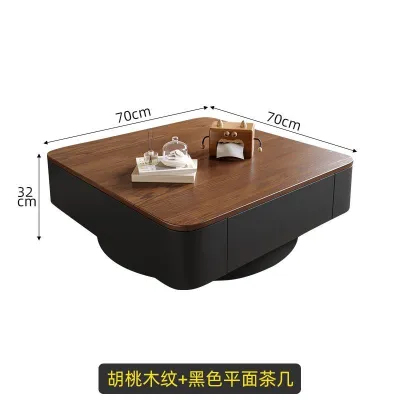
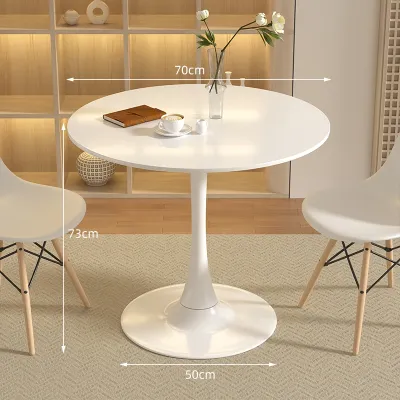
![[SG STOCK] Living room small table sofa small coffee table](https://img.lazcdn.com/g/p/43b765b3ecca59310d5c3459313063ee.png_400x400q80.png_.webp)
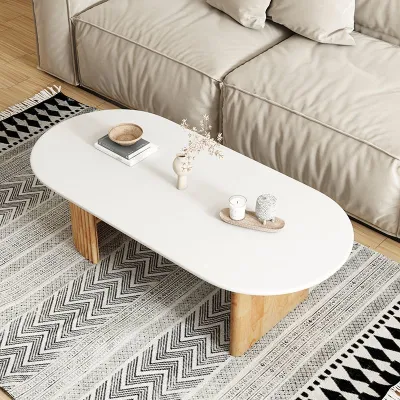
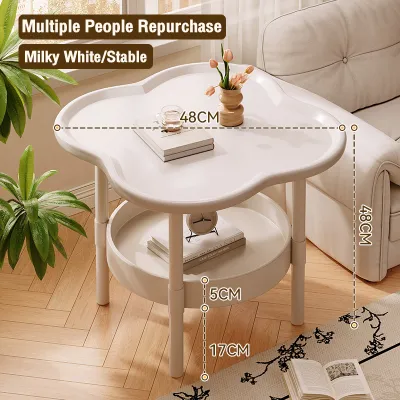
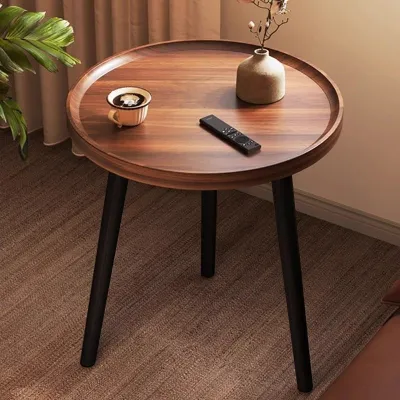
Prices are valid at publication and may change. Please refer to the product page for the latest price.
- Sofa Silhouette: Are the lines of your sofa clean, sharp, and blocky, or are they curved, soft, and rolled?
- Dominant Color Palette: Is your room filled with muted neutrals, warm earth tones, or high-contrast monochromatic shades?
- Flooring and Rugs: Do you have light oak vinyl flooring, dark polished marble, or a highly textured jute rug?
- Lighting Fixtures: Are your lights hidden architectural LEDs, black track lighting, or a brass statement chandelier?
Your sofa is the primary anchor piece in your living room. Because it occupies the most physical and visual space, its scale, fabric, and silhouette dictate the boundaries of your coffee table. A low-slung, deep modular sofa demands a different table height and style than a formal, high-backed tuxedo sofa. The coffee table should always serve to balance or complement this primary anchor.
Understanding whether your room follows a single cohesive style or an eclectic mix is crucial for the matching process. If your room strictly follows one aesthetic, your table should reinforce those specific design cues. However, if you prefer an eclectic mix, the coffee table acts as a bridge. For instance, a rustic wooden table can soften a modern sofa, provided they share a common element like height or leg finish.
Match Coffee Table Designs to Your Identified Style
Once you have diagnosed your living room’s dominant aesthetic, you can narrow down your search to specific coffee table design categories. Each style has distinct visual cues, material compositions, and structural features that harmonize with corresponding interior designs.

Scandinavian and Minimalist Interiors
Scandinavian and minimalist spaces are characterized by light woods, clean geometric shapes, matte protective finishes, and unornamented legs. These tables prioritize utility, simplicity, and natural beauty. Common material choices include light oak, ash, and birch, which bring warmth to a room without adding visual clutter.
To maintain an airy, uncluttered feel, look for tables with low visual weight. This means choosing designs with slender legs, open under-table space, or floating shelves rather than solid block bases. Because light, matte-finished woods can be prone to water rings and stains, always check the manufacturer’s care instructions regarding moisture resistance and protective sealants, especially in humid environments.
Industrial and Urban Spaces
Industrial style thrives on raw, structural elements and a utilitarian aesthetic. Look for coffee tables featuring matte black or gunmetal iron frames, reclaimed or distressed wood tops, and visible hardware like rivets, brackets, or caster wheels. These pieces celebrate the beauty of raw materials and construction.
To prevent an industrial space from feeling cold or overly harsh, balance these heavy materials with soft textiles nearby. Pair a steel-framed coffee table with a plush, high-pile rug or a soft upholstered armchair. This contrast ensures your living room remains warm and inviting while retaining its edgy, urban character.
Mid-Century Modern and Retro Vibes
Mid-century modern design is defined by organic curves, tapered dowel legs, and warm wood tones like walnut or teak. Kidney-bean, oval, or soft triangular shapes are hallmark silhouettes of this era, offering a nostalgic yet timeless appeal.
These tables naturally function as statement pieces. Their warm wood grains and sculptural legs add organic warmth to a room without overwhelming it. When choosing a mid-century piece, check the stability of the tapered legs. Ensure the leg joints are reinforced with sturdy metal plates or robust dowel joinery to handle daily use and prevent wobbling.
Traditional and Transitional Settings
Traditional spaces call for rich, dark woods like mahogany or cherry, classic rectangular or oval proportions, and subtle detailing such as turned legs, carved borders, or bevelled glass inserts. Transitional style, on the other hand, blends these classic elements with contemporary simplicity.
A transitional coffee table—such as one featuring a sleek brushed-brass frame with a classic marble or glass top—bridges the gap between heirloom furniture and modern decor. It allows you to introduce classic elegance without making your living room feel dated or overly formal. These designs are highly versatile and adapt well as your decor preferences evolve over time.
Fine-Tune the Fit: Shape, Size, and Material Harmony
Before purchasing a coffee table, you must measure your physical space and plan for delivery. Always verify the finished dimensions of the table against your doorway and lift access. In many compact apartments in Singapore, tight service lifts and narrow entryways can make delivering large, fully assembled stone or solid wood tables a challenge. Confirm whether the table arrives flat-packed or fully assembled before placing your order.
Standard Clearance Rules
- Legroom: Leave 14 to 18 inches (approximately 35 to 45 cm) of space between the edge of your sofa and the coffee table. This keeps drinks within arm's reach while allowing adequate legroom for comfortable movement.
- Height: The height of the coffee table should sit level with or up to 2 inches (5 cm) below your sofa's seat cushions. A table that is too tall disrupts sightlines, while one that is too low requires awkward bending.
- Length: The table should be roughly two-thirds the length of your sofa to maintain proper visual proportions.
Shape Selection Guide
- Rectangular: Best for standard three-seater sofas, providing a long, accessible surface for everyone sitting down.
- Oval: Offers the same elongated surface as a rectangular table but with rounded corners, making it safer for tight walkways.
- Round: Ideal for L-shaped sectionals and compact seating arrangements. Round tables eliminate sharp corners, facilitating smoother traffic flow.
- Square: Works exceptionally well with large sectional sofas, filling the deep seating cavity perfectly.
Material Mixing and Space Optimization
- Visual Weight Balance: To balance the visual weight of your living room, mix your materials intentionally. If you have a bulky, heavy fabric sofa, pair it with a glass-topped or open-frame metal coffee table to keep the room looking spacious.
- Nesting Tables: For compact HDB living rooms, nesting coffee tables offer excellent space-saving flexibility. You can slide them together to free up floor space for daily movement, and pull them apart when hosting guests.
- Stability and Load Capacity: When selecting glass or stone tops, check the manufacturer's specifications for load capacity and glass tempering to ensure long-term safety and stability, especially if you plan to style them with heavy decorative objects.
Avoid Common Visual and Functional Styling Mistakes
One of the most frequent mistakes is choosing a table that causes ergonomic frustration. A beautiful table is useless if it is too low to comfortably reach a cup of tea or so high that it blocks your view of the television. Always test your sofa’s seat height under compression—meaning when you are actually sitting in it—before finalizing your table height.
Another common pitfall is the “matchy-matchy” wood tone trap. Buying a coffee table in the exact same wood species, stain, and finish as your flooring and TV console creates a flat, uninspiring look. Instead, aim for contrast. If you have light oak flooring, opt for a darker walnut coffee table, or introduce a painted or metal base to break up the wood tones.
Finally, consider how the table interacts with your area rug. A coffee table should sit comfortably within the boundaries of your rug. Ideally, all front legs of your surrounding seating should rest on the rug, and the coffee table should be centered on it. If your rug is too small, the coffee table will look untethered, disrupting the visual harmony of the entire seating zone. Before committing to a purchase, map out the table’s footprint on your floor using masking tape or newspaper to visualize how it fits within your rug and seating arrangement.
Frequently Asked Questions (FAQ)
Should my coffee table match my TV stand?
No, your coffee table does not need to match your TV stand. Matching them too closely can make your living room look like a showroom catalog rather than a curated home. Instead, aim for coordination. You can tie the pieces together through shared design accents, such as using the same metal hardware, or by ensuring both pieces share a similar design era and wood undertone, even if the wood species and colors differ.
Can I mix different wood tones in the living room?
Yes, you can mix different wood tones, provided you follow a few simple rules. First, identify the dominant wood tone in your room (usually your flooring or large cabinets) and choose a secondary wood tone that offers clear contrast. Second, ensure the undertones match; do not mix cool, gray-toned woods with warm, red-toned cherry woods. Finally, use a neutral area rug or decorative accessories to act as a visual buffer between the different wood pieces.
What is the best coffee table style for a small living room?
For small living rooms, the best coffee table styles are those that maximize floor visibility and offer multi-functional flexibility. Look for tables with slender, exposed legs or transparent glass and acrylic tops, which allow light to pass through and keep sightlines open. Nesting tables are also highly recommended for compact spaces, as they can be stacked away when not in use, providing extra surface area only when you need it.
Community discussion
Share your experience or ask a question. Comments are reviewed before publication.