
Choosing a cocktail table that matches your existing sofa set requires balancing physical proportions, coordinating design styles, and ensuring functional clearance for daily movement. A cocktail table should serve as a functional anchor that complements the sofa’s scale, height, and upholstery texture rather than competing with it for visual dominance. By evaluating the dimensions of your seating area, the visual weight of your furniture, and the flow of traffic through your living room, you can select a piece that feels both intentional and highly practical.
Measure Your Space and Sofa Proportions
Before browsing online marketplaces or visiting local showrooms, establishing the physical boundaries of your living room is essential. Start by measuring the overall length of your sofa, the height of the seat cushions from the floor, and the total available floor space in front of the seating area. These measurements define the maximum footprint your new cocktail table can occupy without overcrowding the room. A table that is too large will restrict movement, while one that is too small will look swallowed by the surrounding furniture.
The height of your sofa seat serves as the primary baseline for determining the ideal height of your cocktail table. For comfortable reach and a balanced profile, look for a table that sits at approximately the same height as your sofa cushions, or up to two inches lower. A table that is significantly taller than the seat cushions disrupts the visual horizon of the room and makes placing items awkward. Conversely, an excessively low table requires deep bending, which can be uncomfortable for daily use.
Products mentioned in this guide
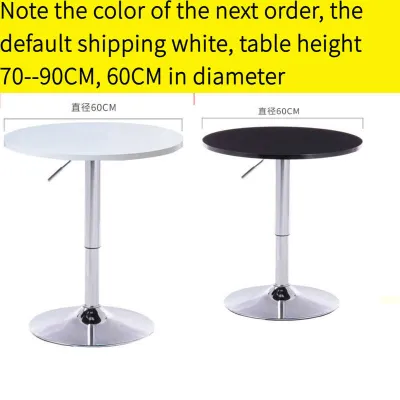
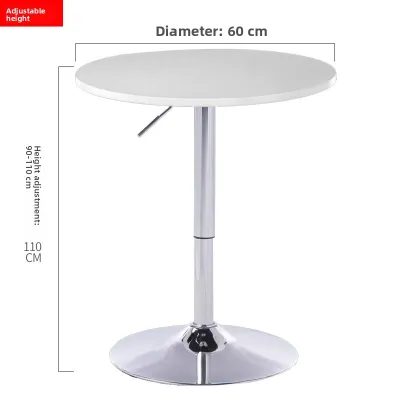
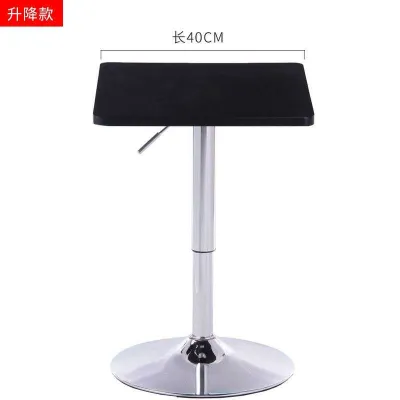
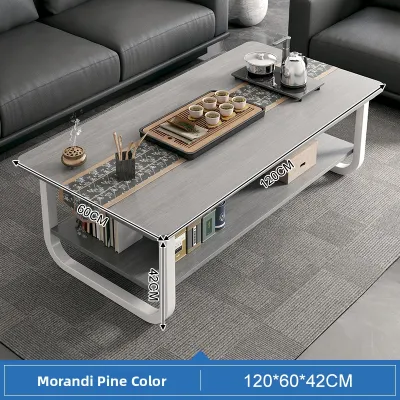
Prices are valid at publication and may change. Please refer to the product page for the latest price.
Beyond the immediate seating area, you must plan for the delivery and assembly process. Measure the width and height of your front door, hallways, stairwells, and any elevator cabs in your building. Many apartment buildings and condominiums in Singapore have tight corners or strict lift dimensions that can prevent fully assembled furniture from reaching your living room. Verifying these clearance paths beforehand helps you decide whether to purchase a flat-packed model that is assembled on-site or a pre-assembled piece that requires ample clearance.
Coordinate Styles, Textures, and Materials
Achieving visual harmony between your sofa and cocktail table involves balancing their visual weight and material textures. Visual weight refers to how heavy or substantial a piece of furniture appears to the eye. For instance, a deep, plush sectional upholstered in a dark, heavy fabric possesses significant visual weight. Pairing it with a bulky, solid wood block table can make the entire seating arrangement feel dense and oppressive. Instead, balancing a heavy sofa with a table featuring a slender metal frame or a clear glass top opens up the space and allows light to pass through.

Conversely, if your sofa has a minimalist design with exposed, tapered legs and a slim profile, a very delicate or fragile-looking table might get lost in the layout. In this scenario, a solid wood or stone-topped table can provide a grounding focal point. When coordinating materials, look for complementary finishes rather than exact matches. If your living room furniture set features warm oak accents, you do not need an identical oak table; instead, look for materials that share similar undertones or introduce a deliberate contrast, such as a matte black metal frame or a polished terrazzo top.
The choice of material also dictates the long-term durability and maintenance of the table in your specific living environment. In humid climates, solid wood tables require stable finishes to prevent warping, while metal components should be treated to resist corrosion. Review the manufacturer’s care instructions and material labels to ensure the surface treatment can withstand daily use, such as wet glasses, warm mugs, and frequent wiping. If you prefer a low-maintenance setup, tempered glass, engineered stone, or high-pressure laminates offer excellent resistance to spills and scratches without requiring specialized sealants.
Select the Right Shape and Layout Configuration
The shape of your cocktail table directly influences how people move around the living room and how easily they can access the surface. Rectangular and oval tables work exceptionally well with standard, long sofas because they mirror the linear shape of the seating, ensuring that everyone sitting on the couch can reach the table comfortably. Round and square tables, on the other hand, are highly suited for L-shaped sectionals or conversational groupings with multiple armchairs, as they fit neatly into the natural corner created by the seating arrangement.
For homes where the living room serves multiple functions—such as a play area, a home office, or an entertainment space—flexible layout configurations offer great utility. Nesting tables consist of two or three pieces of varying heights that slide underneath one another, allowing you to expand the surface area when hosting guests and tuck them away to reclaim floor space afterward. Modular tables can also be rearranged or moved to the side of the room when you need open space for exercise or children’s activities.
Before finalizing your choice, consult the product specifications to verify the structural stability, base design, and load limits of the table. A table with a single pedestal base offers more legroom but must be engineered to prevent tipping when weight is applied to the edges. Trestle or four-legged bases generally provide superior stability for heavier tabletop materials like marble or thick timber. Ensure the manufacturer’s rated load capacity aligns with how you plan to use the table, especially if it will occasionally support heavy books, decorative objects, or laptop setups.
Common Pairing Mistakes and Safety Checks
One of the most frequent mistakes in living room layouts is choosing a table that obstructs natural walking paths or blocks functional elements of other furniture. Ensure the table does not interfere with the swinging doors of nearby cabinets, the path of sliding balcony doors, or the footrests of reclining sofas. If your sofa features manual or power reclining mechanisms, test the clearance required for the footrest to extend fully without striking the edge of the cocktail table.
Another common error is selecting a table height that awkwardly exceeds the height of the sofa seat cushions. This mistake not only disrupts the clean sightlines of a modern living room but also increases the risk of knocking over items when reaching from a seated position. Keep the table surface level with or slightly below the cushions to maintain an ergonomic and visually pleasing alignment.
Safety considerations are paramount, particularly in households with young children, elderly family members, or active pets. Sharp, square corners on a low-profile table present a bumping hazard in high-traffic walkways; in these environments, round or oval tables with smooth, radiused edges are a much safer alternative. If you select a glass-topped table, verify that it uses tempered safety glass, which is designed to resist impacts and crumble into small, blunt fragments rather than sharp shards if broken. Additionally, check that top-heavy tables with narrow bases are sufficiently stable and cannot be easily overturned by a climbing child or a running pet.
Frequently Asked Questions (FAQ)
Can I mix different wood tones in the same living room?
Yes, mixing different wood tones is an excellent way to create a curated, lived-in aesthetic rather than a sterile showroom look. The key to successful mixing is identifying the undertone of each wood piece, which is typically warm, cool, or neutral. For example, you can pair a warm cherry wood sofa frame with a warm oak cocktail table, even if the grain patterns and darkness levels differ. Avoid mixing too many highly contrasting undertones, which can make the room feel chaotic and uncoordinated.
To tie different wood tones together, use unifying elements throughout the seating area. An area rug that incorporates colors from both wood tones can bridge the visual gap on the floor. You can also use decorative accessories, such as wooden trays, picture frames, or throw pillows with accent hardware, to repeat the various wood tones across the room, making the combination look intentional rather than accidental.
What is the ideal distance between a sofa and a cocktail table?
The standard ergonomic recommendation is to leave a clearance of 15 to 18 inches (approximately 38 to 45 centimeters) between the edge of the sofa seat and the edge of the cocktail table. This distance provides ample legroom for sitting comfortably and allows people to walk past the table without squeezing, while still keeping drinks, remote controls, and books within easy arm’s reach.
You can adjust this distance slightly based on the depth of your sofa cushions and the physical build of your household members. If your sofa has deep, plush cushions that cause you to sink back, you may want to place the table closer to the 15-inch mark to avoid overstretching. If you have a reclining sofa or use a separate footrest, you will need to increase the clearance to accommodate the movement of the footrest without hitting the table.
Community discussion
Share your experience or ask a question. Comments are reviewed before publication.