
When setting up a comfortable and functional living space for your domestic helper, selecting the right furniture is a key responsibility. In Singapore, where residential layouts are often compact, a bunk bed is a highly practical, space-saving solution. However, choosing a suitable bed for helper accommodation requires balancing space efficiency with adult-appropriate structural safety, comfort, and durability.
Unlike children’s furniture, a bunk bed intended for an adult must meet strict structural standards to ensure long-term safety. It must also withstand Singapore’s unique tropical climate, which can take a toll on low-quality materials. By focusing on precise room measurements, robust weight capacities, climate-resistant materials, and proper mattress clearances, you can provide a safe, restful personal space that supports your helper’s well-being.
Assessing Room Layout and Space Constraints
Before browsing furniture catalogs or visiting showrooms, you must obtain precise measurements of the room where the bunk bed will be placed. Helper rooms in Singapore, whether in Housing & Development Board (HDB) flats or private condominiums, typically have limited floor areas. A mismatch of even a few centimeters can make the room feel incredibly cramped or block essential fixtures.
Products mentioned in this guide
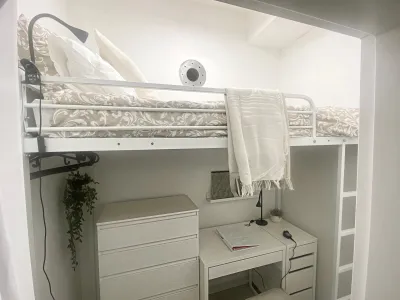
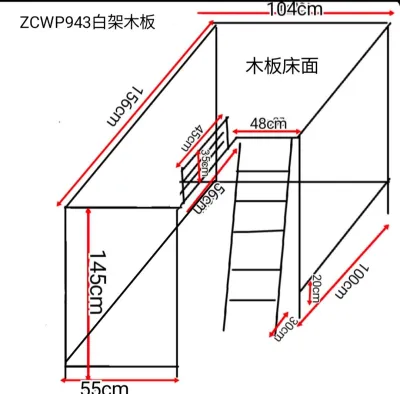

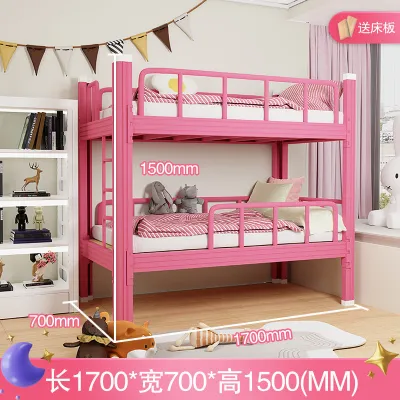
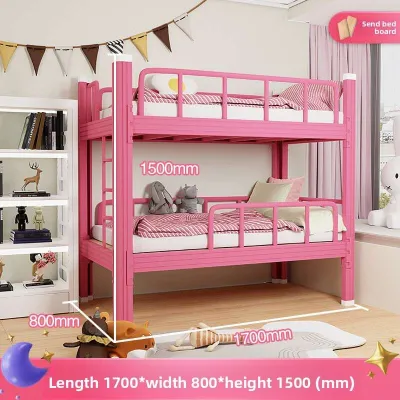
Prices are valid at publication and may change. Please refer to the product page for the latest price.
Start by mapping out the exact floor dimensions using a reliable measuring tape. Note the locations of built-in wardrobes, electrical outlets, and light switches. You must ensure that the bed frame does not block access to these features. Pay close attention to the swing radius of doors and windows. If the room has a hinged wardrobe door, verify that it can open fully without hitting the bed frame. If space is exceptionally tight, consider a bunk bed layout that allows for sliding wardrobe doors or integrated under-bed storage.
Vertical clearance is another critical factor that is frequently overlooked. Measure the distance from the floor to the ceiling. To ensure the user can sit up comfortably on the top bunk without bumping their head, there should be at least 75 to 90 centimeters of headroom between the top of the mattress and the ceiling. Crucially, map out the position of wall-mounted air conditioning units and ceiling fans. A bunk bed placed too close to a spinning ceiling fan poses a severe safety hazard, while proximity to an air conditioner can cause uncomfortable drafts or expose the bedding to potential condensation leaks.
Finally, plan the delivery and assembly path. Bunk beds are typically delivered flat-packed, but the individual components—such as long side rails and solid headboards—can still be bulky. Measure the height and width of your building’s elevator, the clearance of your stairwell corridors, and the entry door frames of your home. Ensuring that the delivery team can safely transport the parts into the room prevents unexpected delivery failures or damage to your walls.
Selecting a Safe Bed for Helper: Core Structural Criteria
When shopping for a bed for helper use, safety must be your absolute priority. Because bunk beds elevate the sleeper, any structural compromise can lead to serious injury. You must look past aesthetic appeal and evaluate the engineering behind the frame.

Weight Capacity and Structural Integrity
Many budget-friendly bunk beds available on the market are engineered specifically for children. These models have significantly lower weight limits and are not designed to support the weight distribution of an adult over extended periods. When evaluating a frame, always check the manufacturer’s official specifications for the maximum weight capacity per bunk. For adult use, a safe bunk bed should have a certified static weight rating of at least 100 to 120 kilograms per tier.
Examine the mattress support system closely. A sturdy base is essential for preventing mattress sagging and structural failure. Look for frames that utilize a high count of thick, solid wood slats or a reinforced metal mesh grid. If you choose a wooden slat system, the gaps between the slats should ideally be less than 7 centimeters to distribute weight evenly. A central support rail running lengthwise beneath the slats adds vital structural rigidity to the frame.
Do not rely on the visual thickness of the bedposts alone to judge stability. Instead, inspect the joint connections. High-quality adult bunk beds use heavy-duty steel bolts, barrel nuts, or robust metal brackets to lock the frame segments together. Avoid frames that rely solely on simple wood screws or friction-fit wooden dowels, as these connections tend to loosen, strip, and squeak over time under daily movement. The ladder must also be exceptionally secure, preferably bolted directly to the main frame rather than simply hooked over the side rail, and feature wide, flat steps that are comfortable for bare adult feet.
Material Durability for Tropical Climates
Singapore’s year-round high humidity and warm temperatures can accelerate the degradation of furniture materials. A material’s name alone does not guarantee its performance; you must look at how the material has been treated and finished to resist environmental wear.
If you prefer a metal bunk bed, ensure the steel or iron frame has been treated with a high-grade, anti-rust powder coating. Untreated metal frames will quickly succumb to oxidation in humid conditions, leading to rust spots, paint peeling, and weakened joints. Powder-coated finishes provide a thick, protective barrier that is highly resistant to moisture, scratches, and daily wear.
For those who prefer the warmth of wood, solid hardwoods such as rubberwood, oak, or beech are highly recommended. These woods are naturally denser and more stable than engineered woods. Avoid unsealed medium-density fibreboard (MDF) or cheap particle board, as these materials act like sponges in humid environments, absorbing airborne moisture and leading to swelling, warping, and mold growth. Ensure that any wooden frame is sealed with a moisture-resistant polyurethane or lacquer finish to protect the wood fibers.
Lastly, consider how easy the frame is to clean and maintain. Intricate carvings, hollow metal tubes with open ends, and complex joint designs can easily trap dust, sweat, and moisture, creating breeding grounds for allergens or pests. A streamlined, smooth frame design allows for quick weekly dusting and wiping down. Always refer to the manufacturer’s care instructions before using any chemical cleaning agents on the frame’s finish.
Mattress Sizing and Safety Clearances
Selecting the right mattress is just as important as choosing the bed frame itself. An improperly sized mattress can slide around, create dangerous gaps, or compromise the safety features of the top bunk.
Before purchasing a mattress, measure the inner dimensions of the bed frame’s mattress platform. Standard Singapore single mattresses measure 91 centimeters wide by 190 centimeters long. However, some imported frames follow European or custom sizing, which may require specific mattress dimensions. The mattress must fit snugly within the frame, leaving a gap of no more than 2 to 3 centimeters along the edges. Gaps larger than this can trap limbs or cause the mattress to shift abruptly when the sleeper rolls over.
For the top bunk, the height of the mattress is a critical safety factor. Bunk beds are equipped with safety guardrails to prevent the sleeper from rolling off. To perform their job effectively, these guardrails must extend at least 16 centimeters above the top surface of the mattress. Always check the manufacturer’s recommended maximum mattress thickness for the top bunk. If the guardrail is 30 centimeters tall, using a thick, plush 25-centimeter mattress leaves only 5 centimeters of clearance, rendering the safety rail virtually useless. Opt for a high-density foam or pocket-spring mattress that is thin enough (typically 10 to 15 centimeters) to maintain proper guardrail clearance while still offering excellent orthopaedic support.
In compact helper rooms, air circulation can sometimes be restricted. To enhance sleeping comfort, prioritize mattresses with high breathability. Look for models featuring open-cell foam structures, latex layers, or moisture-wicking bamboo-fiber covers. These materials help dissipate body heat and prevent moisture from building up between the mattress and the bed slats, reducing the risk of mold and mildew development.
Assembly, Maintenance, and Daily Use Guidelines
Even the highest-quality bunk bed can become hazardous if it is assembled incorrectly or neglected over time. Proper setup and regular maintenance are essential to preserving the bed’s structural integrity.
Always follow the manufacturer’s assembly instructions step-by-step. Never skip any components, such as support brackets, washers, or wall-anchoring straps. If the manufacturer recommends anchoring the bunk bed to the wall to prevent tipping, ensure this is done using the correct wall plugs and screws suitable for your room’s wall type (such as concrete or drywall). If you are unsure about your assembly skills, it is highly recommended to pay for professional installation services provided by the retailer.
Once assembled, place the bunk bed on a perfectly level floor. An uneven surface distributes weight unequally across the frame, putting excessive stress on specific joints and causing the bed to wobble. To protect your flooring and minimize noise, place heavy-duty anti-slip rubber pads under the bedposts. These pads also help absorb vibrations when someone climbs the ladder.
Establish a simple maintenance routine to keep the bed safe over years of use:
- Monthly Checks: Inspect the frame for any signs of swaying or wobbling. Gently shake the bed to verify its stability.
- Bi-Annual Hardware Tightening: Use the appropriate tools to check and tighten all bolts, screws, and joint connectors. Wood naturally expands and contracts with humidity changes, which can gradually loosen hardware.
- Slat Inspection: Periodically lift the mattress to check the wooden slats or metal mesh for any hairline cracks, bending, or signs of stress.
- Ladder Verification: Ensure the ladder remains tightly bolted to the frame and that the steps are free of grease, dust, or moisture.
For daily use, establish clear safety guidelines. Ensure the top bunk guardrails are never removed or modified. Instruct users to always face the ladder when climbing up or down, keeping both hands on the side rails for maximum stability. Keeping the area around the base of the ladder clear of bags, shoes, and other tripping hazards further ensures safe daily transitions.
Frequently Asked Questions (FAQ)
Can a standard children's bunk bed support an adult?
No, standard children’s bunk beds are not designed to safely support an adult. Children’s frames are engineered for lighter weight limits and different structural stress distributions. Using a children’s bunk bed for an adult can lead to rapid structural fatigue, joint failure, or complete collapse. Always verify that the manufacturer explicitly rates the frame for adult weight capacities before purchasing.
How do I ensure proper ventilation in a compact helper's room?
To ensure proper ventilation, position the bunk bed so that it does not block windows, doors, or air conditioning vents. Avoid placing the bed directly against external walls that receive intense afternoon sun, as these walls can radiate heat into the sleeping space. If natural airflow is limited, install a compact wall-mounted fan or a secure, clip-on fan on the bed frame to improve air circulation. Additionally, ensure the room’s exhaust fan or ventilation grilles are kept clean and functional to help manage humidity levels.
Community discussion
Share your experience or ask a question. Comments are reviewed before publication.