
Finding the perfect bar stool chair is more than just picking a seat that matches the height of your counter. In modern open-plan homes, the kitchen island or home bar serves as a natural transition zone between cooking, dining, and living areas. Because these spaces are highly visible, the seating you choose acts as a prominent design bridge that can either anchor your interior design or create visual friction.
Selecting the right style requires a thoughtful balance of form, scale, and material. A well-chosen stool harmonises with your cabinetry, flooring, and lighting, transforming a simple counter into an inviting social hub. By understanding the design markers of popular interior styles and matching them with practical spatial measurements, you can select seating that is both beautiful and highly functional.
To make an investment that elevates your space, you must first evaluate your existing decor, understand how different styles express themselves through furniture design, and verify crucial physical dimensions before making a purchase.
Products mentioned in this guide
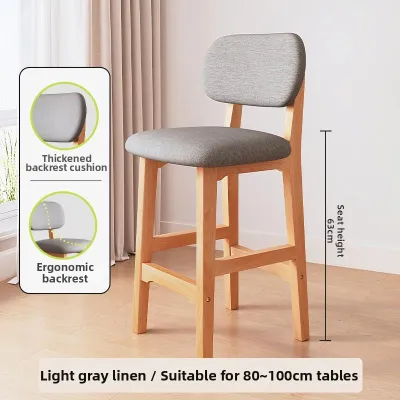
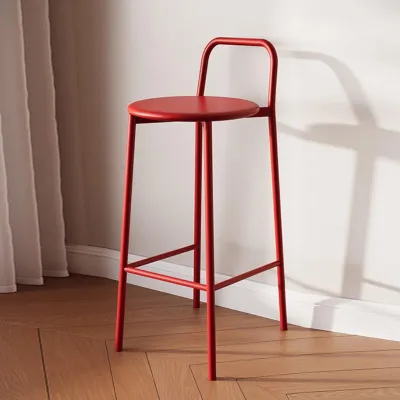
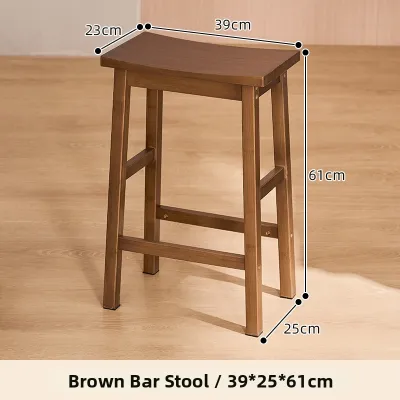
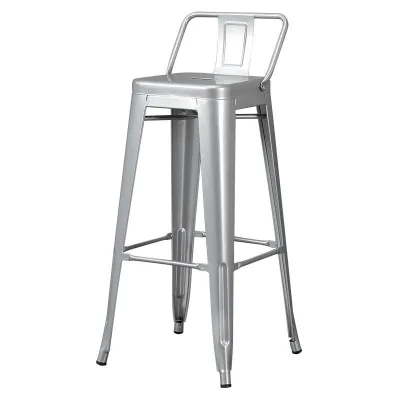
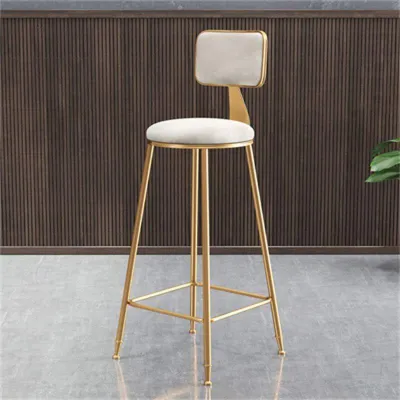
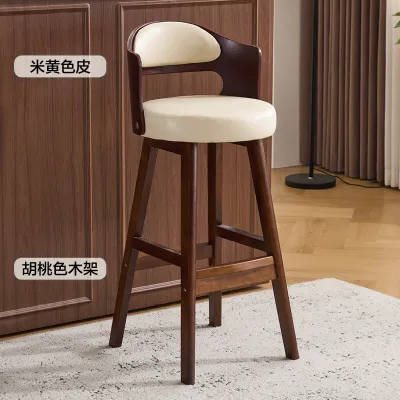
![[TheGoodFurniture] 纤维面 / 合木 椅头. 铁脚 Hardboard or Fibreglass seat with black metal frame stool. Chair. High chair. Bar stool. Wooden. Cheap but strong. Budget.合木椅头.纤维面椅头.](https://img.lazcdn.com/g/p/754a054813533f21abec1e4b60dc4dfb.jpg_400x400q80.jpg_.webp)
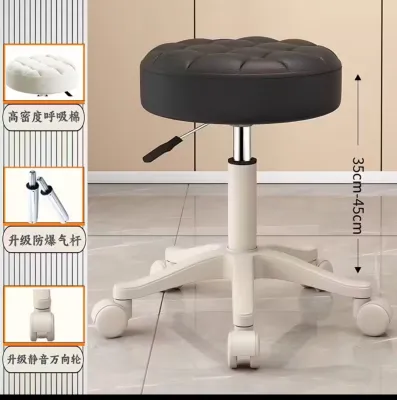
Prices are valid at publication and may change. Please refer to the product page for the latest price.
Identify Your Home's Core Interior Aesthetic First
Before browsing online marketplaces or visiting local furniture showrooms, take a step back to conduct a visual audit of your open-plan living area. Impulse buying based solely on an individual stool’s appeal often leads to a mismatched look. Instead, observe the permanent architectural features and dominant furniture pieces that already define your space.
Begin by identifying the dominant materials in your kitchen or dining zone. Look closely at your countertop surfaces—are they finished in a warm, veined marble, a cool white quartz, or a rustic wooden butcher block? Examine your cabinetry doors, noting whether they feature clean, handleless flat panels, traditional shaker-style profiling, or textured wood veneers. The finishes of your appliances, sink tapware, and pendant lights also contribute significantly to the room’s overall design direction.
Next, analyze your home’s color palette and visual weight. Determine if your space leans towards warm and textured tones, such as beige walls, oak flooring, and soft linen curtains, or if it feels sleek and cool, dominated by monochrome tones, polished concrete, and stainless steel. You should also note the prevailing lines of your existing furniture. Rounded dining tables, curved archways, and soft sofas suggest an organic silhouette, while sharp-edged dining tables, geometric shelving, and square cabinets point to a structured, linear environment.
Use this visual audit to establish a clear baseline. If your kitchen features handleless matte-black cabinets and grey quartz countertops, your space leans towards a sleek, contemporary aesthetic. Introducing ornate, rustic wooden stools here would create a jarring contrast. Conversely, a warm, wood-dominated kitchen would feel cold and uninviting if paired with clinical, high-gloss chrome stools. Categorizing your space into a broad style family early on allows you to filter out incompatible designs immediately, saving time and preventing costly styling mistakes.
Match Bar Stool Chair Styles to Popular Home Aesthetics
Once you have established your home’s design baseline, you can begin exploring specific bar stool categories. Each interior style relies on distinct design elements, materials, and shapes to convey its unique character. Matching these specific features to your established baseline ensures a cohesive and intentional look.

Scandinavian and Japandi
Scandinavian and Japandi styles prioritised simplicity, natural light, and organic warmth. If your home features light-toned wood flooring, neutral textiles, and an abundance of indoor green plants, look for bar stools that reflect these calming, nature-inspired principles.
To complement this look, search for stools crafted from light-toned woods such as ash, beech, white oak, or pale rubberwood. Minimalist silhouettes with clean, tapered legs and gently curved backrests work beautifully here. Woven textures, such as paper cord seats, light linen cushions, or subtle wool-blend upholstery in soft grey, beige, or sage green, add tactile warmth without cluttering the space visually.
Avoid heavy ornamentation, bulky metal frames, or high-gloss laminate finishes, as these elements disrupt the serene, organic atmosphere. Instead, focus on matte finishes and visible wood grains. When choosing wooden stools, verify with the retailer that the timber has been treated with a clear, matte protective lacquer to guard against kitchen spills while maintaining its natural appearance.
Industrial and Urban Loft
Industrial and urban loft aesthetics celebrate raw, utilitarian design and exposed structural elements. This style is characterized by concrete screed floors, exposed brick walls, matte black track lighting, and dark, moody color schemes.
To match this edgy environment, look for bar stools that combine metal and distressed natural materials. Stools featuring powder-coated steel frames in matte black, gunmetal, or distressed bronze provide the necessary structural weight. Pair these frames with dark solid wood seats, such as walnut or reclaimed pine, or opt for upholstery in distressed leather, tan suede, or heavy-duty canvas.
Exposed hardware, prominent rivets, and visible welds add authentic character to an industrial space. These structural details celebrate the manufacturing process rather than hiding it. To keep the look balanced, ensure the dark tones of the stools coordinate with other metal accents in your kitchen, such as your cabinet handles, pendant lights, or window frames.
Modern Minimalist and Contemporary
Modern minimalist and contemporary homes focus on the philosophy of “less is more.” These spaces are highly curated, featuring clean lines, hidden storage solutions, handleless cabinetry, and a strict monochrome or neutral color scheme.
For a seamless look, select stools with slim profiles and streamlined bases. Sled bases, thin wireframe legs, or single-pedestal designs in matte black, brushed steel, or polished chrome help maintain visual flow. Look for integrated, low-profile backrests or backless designs that can slide completely under the counter, keeping your sightlines entirely unobstructed.
Upholstery should be clean and seamless, avoiding deep tufting, buttons, or contrasting piping. Faux leather, smooth top-grain leather, or tightly woven performance fabrics in solid charcoal, deep black, or crisp white work exceptionally well. Hidden joinery and concealed fasteners are key indicators of high-quality contemporary design, ensuring that the stool looks like a single, sculpted piece.
Mid-Century Modern and Retro
Mid-century modern design blends nostalgic charm with functional, organic shapes. If your dining area features iconic tapered-leg furniture, brass accents, and rich wood tones, your kitchen island is the perfect place to introduce a statement retro stool.
Look for stools featuring warm, medium-to-dark wood finishes like walnut, teak, or cherry. Distinctive design markers include curved bentwood or molded plywood backrests, tapered dowel legs, and angled profiles. To add a splash of retro color, consider upholstery in textured fabrics like bouclé, tweed, or vinyl in classic mid-century hues such as mustard yellow, olive green, burnt orange, or petrol blue.
To balance these eye-catching statement pieces without overwhelming a modern kitchen layout, keep the surrounding elements simple. If your kitchen island is a neutral white or grey, mid-century stools with rich walnut legs and subtle charcoal upholstery can introduce a beautiful layer of history and warmth without clashing with your contemporary appliances.
Coastal and Tropical
Coastal and tropical interiors evoke a relaxed, resort-like atmosphere that is highly suited to bright, breezy spaces. These designs rely heavily on natural light, light-colored walls, and organic, breathable materials.
To bring this laid-back vibe to your kitchen island, seek out stools made from natural rattan, cane webbing, or woven seagrass. Airy silhouettes with open-weave backrests allow light to pass through, making your kitchen island feel spacious and uncrowded. Frame structures can be made of pale wood, bamboo, or even slender white-painted metal to maintain a light, floating appearance.
Pair these natural textures with light, breathable seat cushions in white linen, cotton duck, or outdoor-grade performance fabrics. These materials complement bright, open-plan layouts and transition beautifully to semi-outdoor spaces, such as balcony bars or covered patios. Ensure the natural fibers are kept away from direct water exposure to preserve their structural integrity over time.
Essential Fit, Height, and Comfort Checks Before You Buy
While finding the right design style is crucial for visual harmony, a bar stool must also meet practical spatial, ergonomic, and safety requirements. Buying the wrong size or a stool that is uncomfortable to sit on will quickly lead to buyer’s remorse.
Counter vs. Bar Height and Legroom
One of the most common mistakes when purchasing seating is confusing a counter stool with a bar stool. These terms are not interchangeable, and choosing the wrong height will result in a seat that is either too low to reach the surface comfortably or too high to fit your legs underneath.
- Counter Stools: Designed for standard kitchen islands and counters that stand between 85 to 90 cm high from the floor. The ideal seat height for a counter stool is 60 to 65 cm.
- Bar Stools: Designed for elevated home bars, commercial bar counters, or high pub tables that stand between 100 to 105 cm high. The ideal seat height for a bar stool is 70 to 75 cm.
To determine the correct height for your home, measure from the floor to the exact underside of your countertop. Subtract 25 to 30 cm from this measurement to find your target seat height. This gap provides comfortable legroom, allowing users to sit naturally, cross their legs, and move without hitting the underside of the counter. Additionally, check the placement of the footrest; a well-positioned footrest should sit roughly 40 to 45 cm below the seat to prevent legs from dangling uncomfortably.
Space Planning, Clearances, and Weight Limits
To ensure your kitchen island remains functional and easy to navigate, you must calculate how many stools can comfortably fit along your counter space. Crowding too many seats together makes the area difficult to use and disrupts the visual flow of the room.
As a general rule, allow 60 to 65 cm of width per stool, measured from the center of one seat to the center of the next. If you choose stools that swivel or have wide armrests, increase this spacing to 70 to 75 cm per stool. This extra clearance ensures that guests can turn, sit, and stand up easily without bumping elbows or hitting adjacent seats.
Consider the “visual weight” of the stool design in relation to your room’s physical size. In compact dining areas, backless stools are highly advantageous because they can be tucked completely underneath the counter when not in use, keeping walkways clear. Stools with tall, solid backs and armrests have a heavier visual presence; they act as a physical divider in the room and are better suited for spacious, open-plan layouts.
Finally, always verify safety and structural specifications. Check the manufacturer’s stated weight capacity, which typically ranges from 100 kg to 120 kg for residential use. Examine the stability of the base, looking for wide-set legs or heavy, domed pedestal bases that prevent tipping. This is particularly important for households with active children or older adults who may lean heavily on the seat when standing up.
Choose Materials for Durability and Easy Maintenance
Because bar stools are placed in high-traffic zones near food preparation and dining activities, they are highly susceptible to spills, stains, and daily wear. Selecting the right materials and verifying maintenance requirements beforehand will ensure your stools remain pristine for years to come.
Evaluate upholstery options based on your household’s daily habits. If you have young children, pets, or entertain frequently, prioritize highly durable, wipeable materials. Polyurethane (PU) leather, top-grain treated leather, and high-performance synthetic fabrics (such as stain-resistant polyester blends) can be easily cleaned with a damp cloth. Delicate fabrics like velvet, untreated cotton, or porous chenille are highly susceptible to staining and are best reserved for low-traffic, adult-only households.
Environmental factors also play a critical role in material longevity. In humid tropical climates, natural materials require careful consideration. Solid wood, rattan, and cane can expand, warp, or develop mold if they are exposed to high humidity without proper ventilation or surface protection. Rather than assuming a material is naturally moisture-resistant, check the manufacturer’s care instructions to verify if the wood has been sealed with a protective polyurethane coating or if the natural fibers have been treated with a moisture-repellent finish.
Before finalizing your purchase, verify the assembly and delivery conditions. Many bar stools are delivered flat-packed and require self-assembly. Ensure that the package dimensions can easily fit through your apartment’s doorways and lift access. Additionally, check for floor protection features; stools should come equipped with high-quality felt pads or rubber rings beneath the base to prevent scratching delicate vinyl, laminate, or marble floors. Lastly, review the manufacturer’s warranty terms, specifically checking for coverage on structural joints, frame stability, and gas-lift mechanisms for adjustable models.
Frequently Asked Questions (FAQ)
Should all bar stool chairs in a kitchen match exactly?
While matching stools create a clean, symmetrical, and highly cohesive look, they do not have to match exactly. If you want to introduce visual interest, you can mix and match your seating by keeping at least one design element consistent. For example, you can choose the exact same stool model but select two complementary upholstery colors, such as alternating charcoal and light grey. Alternatively, you can use stools with different seat designs as long as they share the exact same seat height, frame material, and metal finish, such as matte black steel legs. This keeps the arrangement looking intentional rather than accidental.
Do backless bar stools save more space than those with backrests?
Yes, backless bar stools are excellent space-savers because they can be pushed completely underneath the countertop when they are not in use. This physical clearance keeps high-traffic walkways around your kitchen island completely unobstructed, which is incredibly beneficial in compact apartments. Visually, backless stools also keep the space looking open and airy because they do not block sightlines across the counter. However, there is a comfort trade-off. Backless stools are perfect for quick breakfasts, casual coffee breaks, or short chats, but they do not offer the lumbar support needed for extended seating, working from home, or long dinner parties. If comfort is your priority, look for stools with low-profile, integrated backrests that offer a compromise between physical clearance and back support.
Community discussion
Share your experience or ask a question. Comments are reviewed before publication.