
Selecting a 100cm TV console is an excellent way to optimize space in smaller living rooms, cozy apartments, or secondary entertainment areas. While the 100cm width is a defined starting point, finding the right unit requires looking closely at depth, height, weight capacity, and storage configuration. A well-chosen console not only supports your television safely but also organizes your media devices and enhances the overall flow of your room.
To make an informed decision, you must balance the physical dimensions of your television with the layout of your living space. This guide outlines the essential steps to measure your room, verify TV compatibility, evaluate storage options, and check material durability so you can select a console that is both functional and visually balanced.
Measuring Your Space for a 100cm TV Console
Before purchasing a 100cm TV console, you must assess the designated wall space to ensure the unit fits harmoniously within your room layout. A 100cm console needs adequate visual breathing room on both sides; placing it flush against adjacent furniture or tight corners can make the room feel cramped. Aim to leave at least 10 to 15 centimeters of open wall space on either side of the console to create a balanced, intentional look.
Products mentioned in this guide
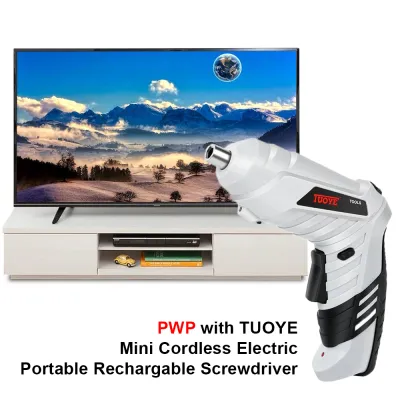
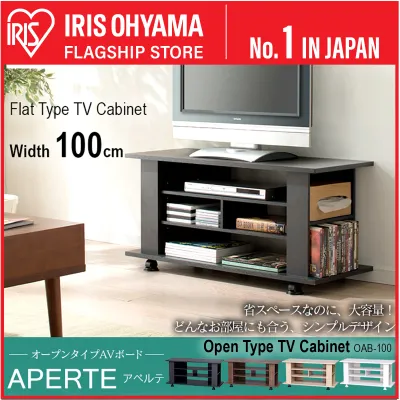
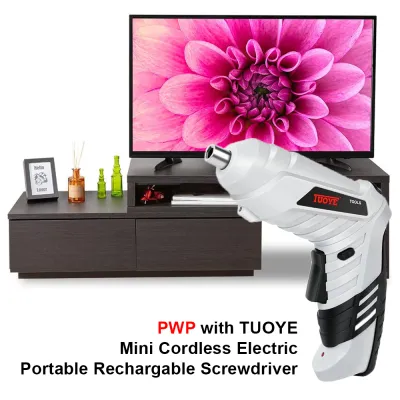
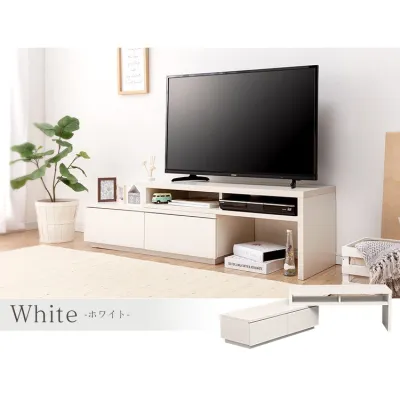
Prices are valid at publication and may change. Please refer to the product page for the latest price.
Console depth is equally critical, especially in narrow living rooms or high-traffic walkways. Most compact consoles range from 30cm to 45cm in depth. You should measure the remaining walkway space with the console in place, ensuring there is at least 60cm of clear path for comfortable movement. If the console features drawers or forward-opening cabinet doors, factor in the extra clearance needed to open them fully without blocking the traffic flow.
Finally, do not overlook the logistics of delivery and assembly. Measure your doorways, hallways, and elevator dimensions before ordering to confirm the packaged or fully assembled unit can easily pass through. In many apartment buildings, tight corridor turns or low elevator ceilings can present unexpected obstacles during delivery, making flat-packed units or compact pre-assembled designs a more practical choice.
Matching TV Size and Weight to a 100cm Console
Ensuring your television fits safely on a 100cm console requires checking both physical dimensions and weight distribution. Modern televisions often feature wide-set legs rather than a central pedestal stand. You must measure the distance between the outer edges of your TV’s legs and compare it to the usable surface area of the console, ensuring the stand sits fully and securely on the top panel without approaching the edges.

Weight limits vary significantly depending on the construction of the console. Always check the manufacturer’s specifications for the maximum load capacity of the top panel. Exceeding this limit can cause the top surface to sag over time, which compromises the structural integrity of the unit and poses a safety risk to your equipment. If you plan to place heavy media receivers or speakers alongside the TV, add their weights to your calculations.
Visual balance is another key consideration when pairing a TV with a compact console. A television that is significantly wider than 100cm will overhang the sides of the unit, creating a top-heavy aesthetic and increasing the risk of accidental bumps. For a balanced look, the console should ideally be wider than the television, keeping the screen’s edges within the physical footprint of the furniture below.
Evaluating Storage Needs and Internal Layout
An effective TV console must accommodate your media devices, accessories, and cable management needs while keeping clutter out of sight. When choosing a layout, consider the balance between open shelving and closed cabinetry. Open shelves are ideal for devices that generate heat, such as gaming consoles or streaming boxes, as they allow for continuous airflow and prevent overheating. They also ensure that infrared remote control signals can reach your devices without obstruction.
Closed doors and drawers are excellent for concealing items like remote controls, spare cables, and board games, maintaining a clean and tidy appearance. If you have bulky AV receivers or older media players, check the internal height and depth of the console’s shelves. Adjustable shelving is a highly valuable feature, allowing you to customize the internal compartments to fit your specific devices.
Cable management is essential for keeping your entertainment center organized and safe. Look for consoles equipped with pre-drilled cable routing holes in the back panel, which allow you to run power cords and HDMI cables directly to wall outlets. Some designs also feature dedicated space for power strips or removable rear panels, making it much easier to swap out components or adjust your wiring setup in the future.
Checking Material Durability and Structural Support
To ensure your TV console withstands daily use, you must evaluate its material quality and structural design. Rather than relying solely on material names, review the manufacturer’s care labels and product specifications for details on finish durability. Look for surfaces that offer specified resistance to moisture, heat, and scratches, especially if you plan to place drinks, keys, or decorative items on the console.
Structural support is vital for preventing sagging and maintaining stability over time. Inspect the joinery, shelf brackets, and leg design of the console. For a 100cm width, a solid frame with reinforced joints is essential. If the console features slim or tall legs, check if it includes a central support leg beneath the center point of the frame, which helps distribute weight evenly and prevents the middle of the unit from bowing under a heavy television.
Routine maintenance requirements should also influence your choice. Some surface treatments require specialized wood oils or gentle, dry-wipe cleaning to prevent damage, while other laminated or sealed finishes can be easily cleaned with a damp cloth. Choose a finish that aligns with your household’s maintenance preferences and avoid using harsh chemical cleaners that could strip or discolor the protective topcoat.
Common Sizing and Placement Mistakes to Avoid
One of the most common mistakes when installing a TV console is failing to account for skirting boards along the base of the wall. If the console’s back panel is completely flat and the legs do not clear the height of the skirting board, the unit will be pushed away from the wall, leaving an awkward gap. To avoid this, look for consoles with recessed back panels or legs that are inset from the rear edge, allowing the top surface to sit flush against the wall.
Another frequent oversight is blocking essential wall utilities. Before finalizing the placement of your console, locate your power outlets, internet ports, and light switches. A console that blocks these ports can make plugging in your devices incredibly difficult or force you to pull the unit far away from the wall. Measure the height of your wall outlets to ensure they align with the open back panels or cable management holes of the console.
Finally, consider the total weight of the assembled console and your equipment if you plan to rearrange your room or relocate in the future. Extremely heavy solid units can be difficult to move without assistance and may scratch delicate flooring. If flexibility is important to you, look for lightweight yet sturdy designs, or consider adding protective felt pads to the bottom of the console’s legs to safeguard your floors during minor adjustments.
Frequently Asked Questions (FAQ)
Can a 55-inch TV fit safely on a 100cm console?
A typical 55-inch television has a physical width of approximately 121cm to 123cm, meaning the screen will overhang a 100cm console by about 10cm to 12cm on each side. While a 55-inch TV with a central pedestal stand might physically sit on the console, you must verify that the stand’s depth fits within the console’s surface and that the TV’s weight does not exceed the manufacturer’s load limit. If the television uses wide-set legs, they will likely extend past the edges of a 100cm console, making wall-mounting the TV a much safer and more stable option.
How much clearance should I leave around the TV console?
For optimal traffic flow and visual balance, aim to leave at least 60cm of clear space in front of the console so drawers and cabinet doors can open fully without obstruction. On the sides, maintain a buffer of 10cm to 15cm of open wall space to prevent the area from looking overcrowded. Additionally, leave a gap of 2cm to 5cm between the back of the console and the wall to accommodate thick cables, plugs, and to allow proper heat dissipation for your electronic devices.
Community discussion
Share your experience or ask a question. Comments are reviewed before publication.