
To determine the right shoe storage capacity for your household, calculate a baseline of 4 to 6 pairs of frequently worn shoes per resident for your primary entryway, then add a 20% buffer for guests and future purchases. Occasional, seasonal, or specialty footwear should be stored in secondary locations, such as bedroom closets or under-bed organizers, to keep your main entryway functional and free of clutter.
By establishing this baseline and separating daily wear from long-term storage, you can select a furniture piece that fits both your collection and your home’s physical layout. This approach prevents the common frustration of purchasing a beautiful cabinet only to find half of your footwear left sitting on the floor.
Quick Answer: Estimating Your Shoe Storage Needs
For a fast and reliable estimate of your entryway storage needs, multiply the number of people in your household by 5, then add a buffer of 2 to 4 slots for guests or new acquisitions. This simple formula ensures that your daily-use footwear remains organized and accessible without overwhelming your entryway. For example, a household of three requires a primary storage capacity of approximately 17 to 19 shoe slots.
Products mentioned in this guide
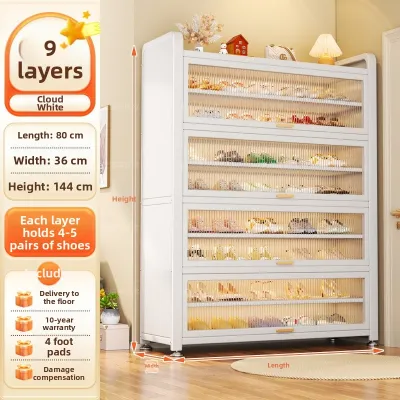
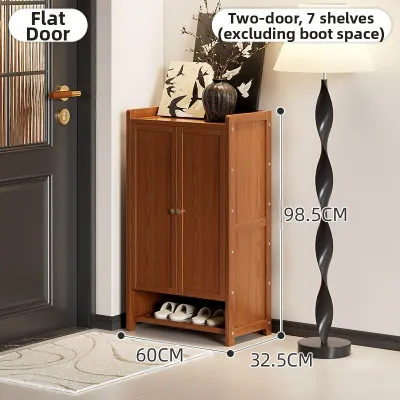
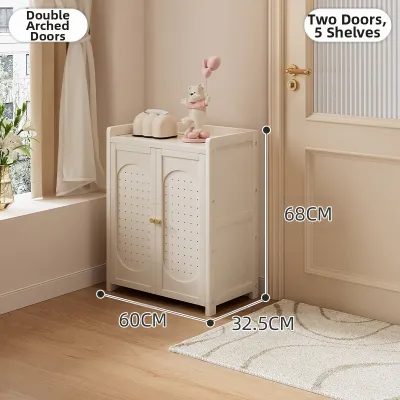
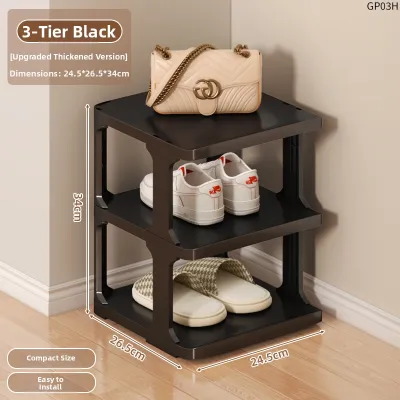
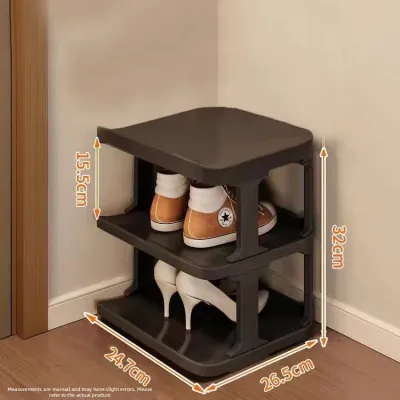
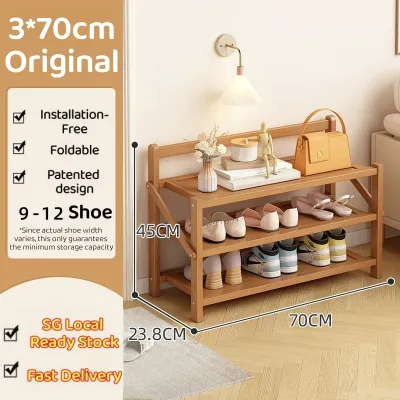
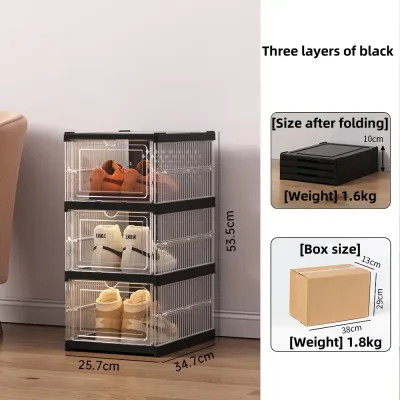
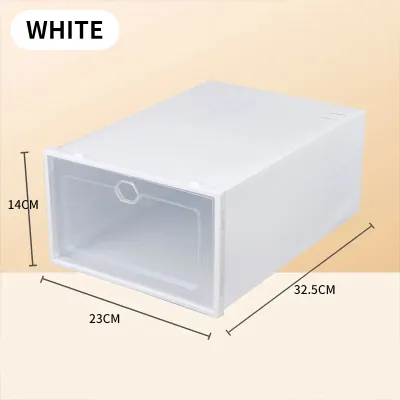
Prices are valid at publication and may change. Please refer to the product page for the latest price.
This baseline estimate assumes standard footwear, such as sneakers, flats, and sandals. If your household regularly wears bulky items, such as high-top sneakers, work boots, or high heels, you must adjust this calculation. These larger items often occupy the physical space of two standard pairs, meaning you will need to increase your target slot count or look for units with adjustable shelving.
Adding a small buffer is also essential for maintaining a tidy home. A buffer prevents overflow when hosting visitors and accommodates the natural growth of your collection over time. If space is exceptionally tight, consider a modular system that allows you to start with a compact unit and add matching tiers as your storage needs expand.
Step 1: Audit Your Current Shoe Collection
Before browsing online marketplaces or visiting furniture showrooms, you must conduct a thorough physical audit of your existing footwear. Gather every pair of shoes currently scattered throughout your home and lay them out in one well-lit area. This exercise provides an honest look at the volume and types of shoes you actually need to accommodate.

Sort your collection into two distinct categories: active rotation and secondary storage. Active rotation includes the shoes worn multiple times a week, such as work shoes, school shoes, daily sneakers, and casual slides. Secondary storage consists of formal dress shoes, specialized sports footwear, and seasonal items that are only worn occasionally. Your primary entryway storage should be reserved almost exclusively for the active rotation category.
Next, group your active shoes by their physical dimensions. Standard shoe racks are designed around the average dimensions of low-profile footwear. Take note of any items that deviate from this standard:
- High-top sneakers and ankle boots: These require greater vertical clearance and may not fit on standard shelves.
- Tall boots: These often need to be stored upright with boot shapers or laid flat, requiring dedicated tall compartments.
- Wide or oversized shoes: Men's shoes above a certain size may need wider individual slots or deeper shelves to prevent them from overlapping.
Finally, decide on your storage strategy for the secondary category. Keeping occasional-use shoes in your primary entryway cabinet wastes valuable space and contributes to visual clutter. Plan to store these items in bedroom wardrobes, under-bed storage boxes, or dedicated utility closets, leaving the entryway cabinet dedicated to daily convenience.
Step 2: Factor in Household Size and Lifestyle
Your household’s daily routines and lifestyle directly influence the type and volume of shoe storage required. A single professional living in a compact apartment has vastly different storage needs than a family of four with school-aged children, even if their total shoe counts are similar.
Calculate the baseline slots required for each family member based on their daily activities. An active individual who runs, plays tennis, and works in a corporate office may easily require 6 to 8 active slots for running shoes, court shoes, dress shoes, and casual sandals. Conversely, a family member with a more uniform routine might only need 3 or 4 slots. Sum these individual requirements to find your true household baseline.
Consider the specific demands of your lifestyle:
- Active and outdoor sports: Muddy running shoes, football boots, or hiking shoes require well-ventilated, easy-to-clean storage to prevent dirt and odors from entering the main living areas.
- Frequent hosting: If you regularly welcome guests, allocate a dedicated lower shelf or an open under-cabinet clearance space specifically for visitor footwear.
- Young children: Children's shoes are small, allowing you to fit multiple pairs into a single standard slot. However, children grow rapidly, and their shoe sizes will double within a few years. It is wise to plan your storage capacity around adult-sized shoes to ensure the furniture remains useful as your family grows.
Step 3: Measure Your Available Space and Clearances
Calculating your required shoe capacity is only half the battle; you must also ensure the physical furniture fits your home’s layout. Entryways, hallways, and foyers are high-traffic zones where poorly sized furniture can create safety hazards and restrict movement.
Begin by measuring the maximum width, height, and depth of the intended location. Use a high-quality measuring tape and record the dimensions carefully. Pay close attention to the depth of the space. Standard shoe cabinets typically range from 30cm to 35cm in depth. If your entryway is narrow, a cabinet that is too deep will protrude into the walkway, obstructing your path.
Verify all physical clearances and operational arcs in the immediate area:
- Door swing arcs: Ensure that opening the front door, nearby closet doors, or room doors will not cause them to collide with the shoe cabinet.
- Walkway clearances: Maintain a clear pathway of at least 90cm in hallways to allow residents to walk comfortably and carry groceries or bags without bumping into furniture.
- Baseboard skirting: Measure the height and depth of your baseboards. If a cabinet does not have a recessed back or adjustable legs, baseboard skirting will prevent it from sitting flush against the wall, creating a gap where dust accumulates and reducing stability.
- Delivery access: Check the dimensions of your doorways, hallways, and lift access. Ensure that a fully assembled cabinet or large flat-packs can be safely transported into your home.
In humid tropical climates, ventilation is a critical spatial consideration. Placing a solid, enclosed cabinet flush against a wall without adequate airflow can trap moisture, leading to mold growth on both your walls and your shoes. Leave a small gap of 1cm to 2cm between the back of the cabinet and the wall to promote air circulation.
Step 4: Select the Right Shoe Rack Configuration
Once you know your required capacity and spatial limits, you can select a configuration that balances storage efficiency with your home’s aesthetic. Different furniture designs offer distinct advantages depending on your collection’s makeup.
Open Tiered Racks
Open tiered racks are highly practical and cost-effective. They offer maximum ventilation, which helps damp shoes dry quickly and prevents odor buildup. Because there are no doors or side panels, they provide easy visual access to your footwear. However, open racks expose your shoes to dust and can look visually cluttered if the shoes are not kept perfectly organized.
Enclosed Shoe Cabinets
Enclosed cabinets feature doors that conceal your footwear, creating a clean, minimalist look in your entryway. They are excellent for protecting shoes from dust and sunlight. When selecting an enclosed cabinet, prioritize models with louvers, slatted doors, or ventilation holes in the back panel to ensure adequate airflow. Check the interior shelf depth to confirm your longest shoes will fit without preventing the doors from closing.
Cubby Organizers
Cubby systems provide individual compartments for each pair of shoes. This configuration prevents shoes from scuffing against one another and makes it incredibly easy to maintain order. The primary drawback of cubbies is their lack of flexibility; fixed-size cubbies cannot easily accommodate tall boots or bulky high-tops. Look for cubby systems with removable dividers if your collection includes varied shoe heights.
Modular and Stackable Units
Modular units offer the greatest long-term flexibility. These systems allow you to purchase a single low-profile rack or cabinet initially and stack additional matching units on top as your household size or shoe collection grows. This is an ideal solution for renters or growing families who want to avoid buying oversized furniture prematurely.
Common Sizing Mistakes to Avoid
One of the most frequent errors in planning shoe storage is forgetting to measure the actual depth of your shoes. Standard cabinet shelves are often designed for average shoe sizes. If a member of your household wears a larger shoe size, their shoes may not fit straight on a standard 30cm shelf. This forces you to place the shoes at an angle, which can cut your planned storage capacity in half. Always measure the physical length of your largest pair of shoes and compare it to the cabinet’s internal shelf depth before purchasing.
Another common mistake is ignoring the visual impact of open storage versus enclosed storage. While an open rack might physically hold 20 pairs of shoes, seeing 20 pairs of mismatched, worn footwear immediately upon entering your home can make the space feel chaotic. If you prefer a tidy, serene entryway, opt for an enclosed cabinet for the majority of your shoes, perhaps leaving a single open bottom shelf for daily-use slippers.
Finally, never overlook weight capacity and stability, especially with tall, narrow, or floating units. Shoe cabinets can become surprisingly heavy when fully loaded. If you select a tall cabinet or a wall-mounted floating unit, verify the manufacturer’s maximum load capacity and ensure the unit is securely anchored to the wall. Wall anchoring is a critical safety step to prevent tip-over accidents, particularly in households with active pets or young children.
Frequently Asked Questions (FAQ)
How many pairs of shoes does the average person own?
While individual collections vary widely based on personal style and lifestyle, the average person typically owns between 10 and 20 pairs of shoes in total. However, only a fraction of these are worn on a daily or weekly basis. Most people rely on a core rotation of 4 to 6 pairs of shoes for their regular routines, while the remainder consists of specialized sports gear, formal wear, or seasonal items. Using this core rotation of 4 to 6 pairs as your baseline for entryway storage is a highly effective way to plan your space without over-purchasing furniture.
Should I buy a shoe rack with exact capacity or extra room?
It is almost always better to purchase a shoe storage unit with extra room rather than exact capacity. A buffer of 20% accommodates new purchases, seasonal changes, and guest footwear without causing entryway overflow. If you are concerned about a larger cabinet overwhelming a small hallway, look for space-saving designs such as slim tipping-bucket cabinets, which store shoes vertically to minimize depth, or invest in a modular system that can expand only when your storage needs require it.
Community discussion
Share your experience or ask a question. Comments are reviewed before publication.