
Assembling and customizing a modular bookshelf with wheels is an excellent way to create versatile, space-saving storage that adapts to your changing needs. By combining the customizable nature of modular shelving with the mobility of castor wheels, you can easily reconfigure your room layout, slide your library out of the way for cleaning, or partition a multi-functional living space. Achieving a stable, safe, and smooth-rolling unit requires careful planning, precise assembly, and the correct hardware. This guide walks you through the entire process, from measuring your space to securing the wheels and organizing your items for maximum stability.
Planning Your Space and Modular Layout
Before purchasing any shelving units or hardware, you must carefully measure your intended space to ensure the completed bookshelf can move freely. Start by measuring the width, depth, and height of the area where the bookshelf will primarily sit. Do not forget to account for baseboard thickness, wall trim, and any light switches or power outlets that might be blocked or obstructed. Because this unit is mobile, you also need to measure the clearance of any doorways, narrow hallways, or tight corners it must pass through when moved. If you live in an apartment or high-rise building, verify that the fully assembled dimensions can easily fit through your front door and inside the passenger lift if you ever plan to relocate it.
Next, evaluate the floor surfaces along the intended movement path. Rolling a heavy bookshelf across thick carpets, rugs, or uneven floor transitions requires larger, more robust wheels than rolling it across smooth vinyl, tile, or polished concrete. You should also plan the height and width configuration of your modular cubes. For mobile furniture, a lower and wider configuration is always safer and more stable than a tall, narrow tower. A high center of gravity increases the risk of the unit tipping over when pushed, so aim for a balanced layout where the width of the base is generous relative to the overall height.
Products mentioned in this guide
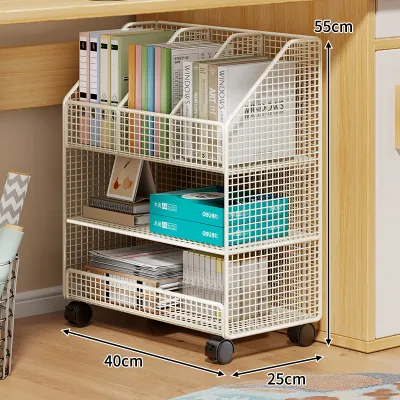
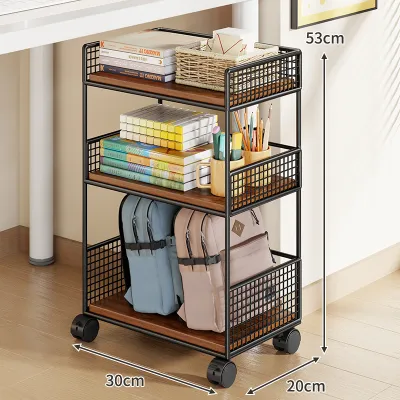
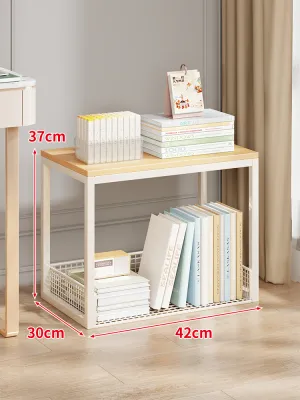
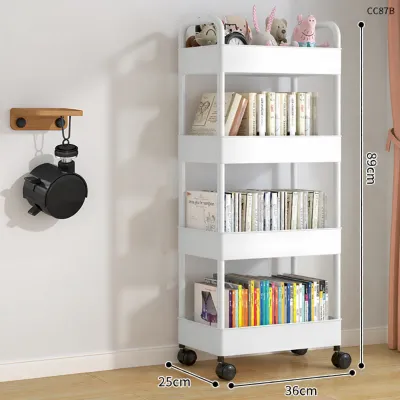
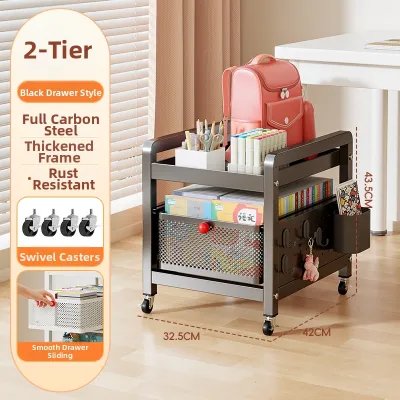

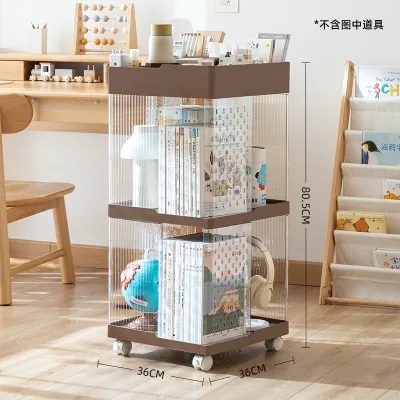
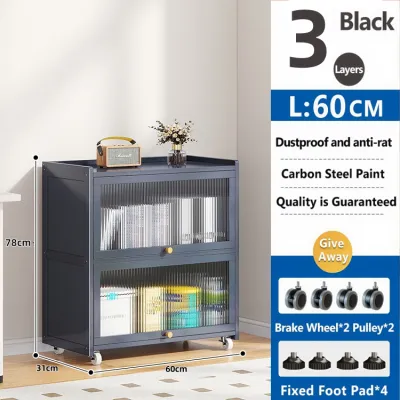
Prices are valid at publication and may change. Please refer to the product page for the latest price.
Tools and Materials Needed for Assembly
Having the right tools and materials ready before you begin will prevent interruptions and ensure a secure build. For the basic assembly of the modular panels, you will typically need standard hand tools such as a manual Phillips-head screwdriver, a flathead screwdriver, and an Allen key, which is often provided by the manufacturer. A rubber mallet is highly recommended for gently tapping panels and connectors into place without scratching the laminate, veneer, or paint finishes.

For attaching the castor wheels, you may need a power drill with a small drill bit to create pilot holes, especially if the bottom panel of your bookshelf does not come with pre-drilled holes. You will also need a tape measure, a pencil for marking screw locations, and a spirit level to check the alignment of the shelves. Before starting, unbox all components and verify them against the manufacturer’s packing list. Ensure you have all the modular panels, locking cams, wooden dowels, castor plates, and appropriate mounting screws. If any hardware is missing or damaged, contact the manufacturer for replacements before proceeding with the assembly.
Step-by-Step Assembly of the Modular Shelving Units
Begin the assembly process by clearing a large, flat work area, preferably on a clean rug or the cardboard packaging box to protect the panels from scratches. Always assemble the base frame or bottom modules first to establish a level and stable foundation. Lay out the bottom panel and attach the lower vertical dividers using the manufacturer’s specified locking mechanisms, such as cam locks, dowels, or tension screws. Ensure each joint is fully seated and tightened, but avoid over-tightening, which can strip the pre-drilled holes in engineered wood or composite materials.
Once the base is secure, systematically build upward by adding horizontal shelves and vertical dividers. If your modular system uses locking cams, ensure the arrow on the cam face points toward the incoming connecting pin before turning it clockwise to lock it in place. As you add each level, use a spirit level to check that the structure remains perfectly horizontal and vertical. You can also measure diagonally from corner to corner of each rectangular opening; if the two diagonal measurements are equal, your frame is square and properly aligned.
If you encounter a panel that does not align naturally with the pre-drilled holes or connectors, do not use excessive force or a heavy metal hammer. Forcing the pieces together can crack the wood, bend metal pins, or permanently damage the joints. Instead, loosen the adjacent connectors slightly, realign the stubborn panel, and then retighten all hardware gradually. Once the main frame is fully assembled, install any backing panels provided with the kit. Backing panels are crucial for structural integrity, as they prevent the bookshelf from swaying or racking side-to-side when lateral force is applied during movement.
Attaching Castor Wheels Safely and Securely
Attaching castor wheels requires careful consideration of weight distribution and material strength. First, inspect the bottom panel of your bookshelf to verify its thickness and material composition. Solid wood, plywood, and thick medium-density fibreboard (MDF) are generally strong enough to support direct screw mounting, whereas thin particleboard or hollow-core panels may crumble or fail under the concentrated stress of castor wheels. If the base material is thin or fragile, you must reinforce it by gluing and screwing a solid wood or plywood mounting plate to the underside of the bottom shelf before attaching the wheels.
When selecting screws for the castor plates, choose a length that provides maximum thread engagement without penetrating through the top surface of the bottom shelf. For example, if your bottom shelf is 18mm thick, use screws that penetrate approximately 12mm to 15mm into the wood, factoring in the thickness of the metal castor plate. Position the wheels near the outer corners of the base to maximize stability, but keep them slightly inset from the absolute edge to prevent the wood from splitting. Mark the screw holes with a pencil, drill shallow pilot holes using a drill bit slightly smaller than the screw shank, and then secure the castor plates tightly.
For safety and control, use castor wheels that feature independent locking brakes on at least two of the wheels. Install these locking castors on the front-facing side or diagonally opposite corners so you can easily access the brake levers when the bookshelf is parked. If you have any doubts about the load capacity of your base panel or the suitability of the screws, stop the installation and consult the manufacturer or a qualified professional to avoid structural failure.
Customizing and Organizing Your Movable Bookshelf
Once the structural assembly is complete, you can customize the bookshelf to match your aesthetic preferences and organizational needs. Many modular systems offer compatible accessories such as fabric storage bins, drawer inserts, cupboard doors, or decorative trim. Adding these elements can help conceal clutter and personalize the look of your unit. If your system supports backing panels, you can also customize them by applying peel-and-stick wallpaper or painting them in a contrasting color before installation to create a unique visual backdrop for your books.
When organizing your items, safety and balance must be your primary concerns. Always place your heaviest items, such as large encyclopedias, heavy textbooks, and storage boxes filled with dense objects, on the lowest shelves. This keeps the center of gravity as low as possible, which significantly reduces the risk of the bookshelf tipping over when you push or pull it. Lighter items, decorative objects, and paperback books should be placed on the upper shelves.
To prevent items from shifting, sliding, or falling off the shelves while the unit is in motion, utilize storage bins, baskets, or adjustable bookends. If your modular shelves do not have raised edges or back panels, consider adding small adhesive bumper guards or decorative rails to the back and sides of the shelves. When moving the bookshelf, always push from the lower middle section of the frame rather than pulling from the top, and move it slowly to maintain complete control over its momentum.
Maintenance and Safety Checks for Rolling Furniture
Movable furniture requires regular maintenance to ensure it remains safe, stable, and functional over time. Because rolling a loaded bookshelf subjects the joints and hardware to continuous vibrations, you should periodically inspect the entire unit. Every few months, use a screwdriver or Allen key to check and gently tighten all structural connectors, cam locks, and wheel mounting screws. If you notice any wobbling or swaying when the unit is stationary, stop using it immediately and inspect the frame for loose hardware or damaged joints.
Keep the castor wheels clean and free of debris. Over time, dust, hair, carpet fibers, and small particles can wrap around the wheel axles, hindering smooth rotation and causing the wheels to drag rather than roll. Clean the wheels regularly by wiping them with a damp cloth and removing any tangled debris with tweezers. Additionally, inspect your flooring surfaces for any signs of wear, scratches, or indentations. If you notice marks on delicate wood or vinyl floors, consider swapping hard nylon wheels for softer polyurethane or rubber-tired castors that distribute weight more gently.
Frequently Asked Questions (FAQ)
Can I add wheels to any type of modular bookshelf?
Not all modular bookshelves are suitable for castor wheel modification. The base panel must be thick and structurally sound enough to bear the concentrated weight of the entire loaded unit at just four or five contact points. Hollow-core shelves, which consist of thin fiberboard skins over a paper honeycomb core, will collapse under the pressure of castor screws. If your bookshelf is made of thin particleboard, you must reinforce the base with a solid wood or plywood plate before mounting castors, and always verify that the total weight of the shelf and its contents does not exceed the load rating of the wheels and the base material.
How do I prevent a tall rolling bookshelf from tipping over?
To prevent a tall rolling bookshelf from tipping, you must maintain a low center of gravity by placing all heavy items on the bottom shelves and keeping the upper shelves light. Avoid building mobile units that are excessively tall and narrow; a safe rule of thumb is to keep the height of a rolling unit under 1.2 meters unless it has an exceptionally wide base. Always lock the castor brakes when the unit is stationary, and when you do need to move it, push slowly from the lower half of the frame rather than pulling or pushing from the top. If a tall unit must be used, consider using heavy-duty, quick-release safety straps that anchor it to the wall when parked, allowing you to unclip them only when you need to roll the shelf away.
Community discussion
Share your experience or ask a question. Comments are reviewed before publication.