
Assembling and organizing a modular book rack shelf is one of the most effective ways to transform a cluttered room into a structured, visually appealing library. Unlike traditional, fixed-shelf bookcases, modular systems provide the flexibility to adapt your storage space as your reading habits and collection grow. By understanding the mechanics of proper assembly, structural stabilization, and shelf height configuration, you can create a personalized storage solution that keeps your books safe, accessible, and beautifully displayed.
Successfully setting up your shelving system requires a systematic approach that begins long before you unbox the parts. To ensure the unit functions safely and fits your home layout, you must carefully evaluate your space, prepare the correct tools, follow a logical assembly sequence, and configure the shelves to distribute weight evenly. Taking these steps prevents common issues such as sagging shelves, unstable frames, and inadequate clearance for larger volumes.
Measure Your Space and Check Clearance for Your Book Rack Shelf
Before purchasing or assembling a modular book rack shelf, you must take precise measurements of the designated room. Begin by measuring the available floor width, the depth of the space, and the total ceiling height. Do not rely on visual estimates, as even a discrepancy of a few millimeters can prevent a modular unit from fitting into a recessed wall or alcove. Keep in mind that baseboards, skirting boards, and wall trim often protrude from the wall, which will prevent the back of the shelving unit from sitting completely flush. You must also account for the location of power outlets, light switches, and air conditioning vents or trunking, ensuring the assembled unit does not block access to these essential features.
Products mentioned in this guide
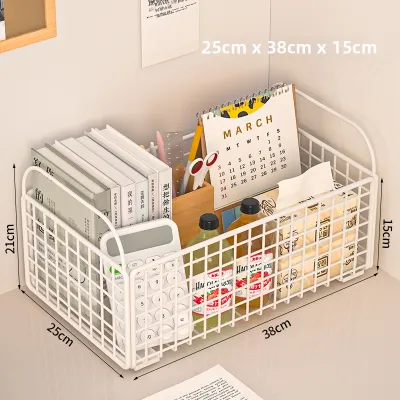
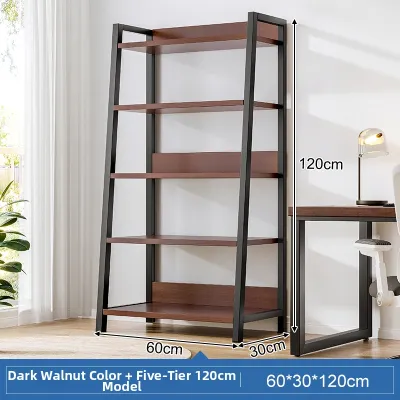
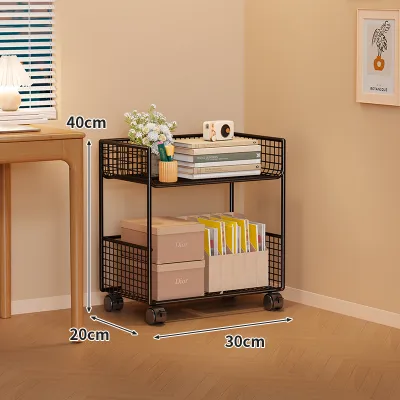
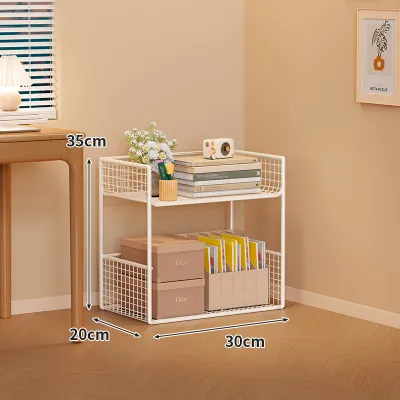
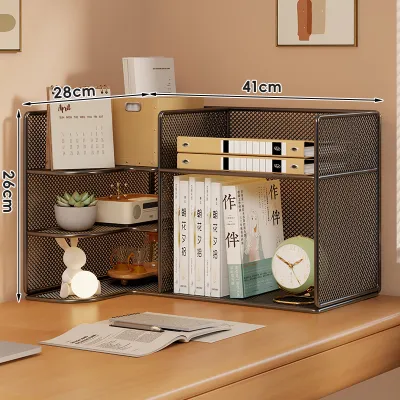
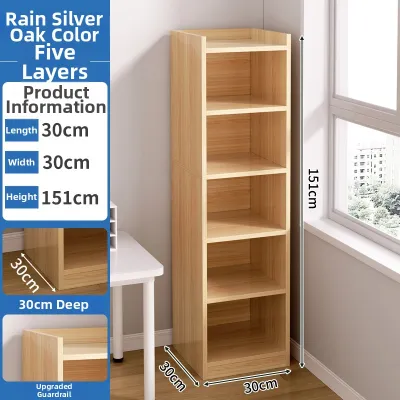

![[SG Stock] Bookcase Shelves Household Living Room Shelves Random Combination Of Storage /Complimentary Backplane](https://img.lazcdn.com/g/p/a63b6137d178423369e0951c109a7d58.jpg_webp_400x400q80.jpg_.webp)
Prices are valid at publication and may change. Please refer to the product page for the latest price.
In high-density residential environments, such as Singapore HDB apartments or condominiums, navigating the delivery of flat-pack furniture presents unique spatial challenges. You must verify that the packaged dimensions of the modular shelving unit can easily pass through the building’s lift doors, stairwells, and your apartment’s main entryway. If the packages are too long or heavy to maneuver around tight corridor corners, you may need to arrange for alternative delivery options or unbox the components in a communal area, provided it is safe and permitted to do so.
Identifying your wall type prior to assembly is another critical preparation step. Most residential walls in modern apartments are constructed from solid concrete, structural brick, or hollow drywall. The material of your wall dictates the specific type of anchors and fasteners required to secure the shelf. For instance, securing a heavy book rack shelf to concrete requires masonry wall plugs and a hammer drill, whereas drywall installations require specialized toggle bolts or self-drilling drywall anchors. Determining this early ensures you have the correct hardware on hand to prevent tipping hazards.
Gather the Right Tools and Hardware
Having the correct tools organized before you begin assembly will save time and prevent damage to the furniture components. While many flat-pack modular systems include basic tools like a small Allen key, these are rarely sufficient for a secure, robust build. You should gather a high-quality Phillips-head screwdriver, a flat-head screwdriver, a rubber mallet, a steel measuring tape, and a reliable spirit level. A rubber mallet is particularly useful for tapping wooden dowels and interlocking joints into place without marring or denting the finished surfaces of the shelving panels.

If your assembly requires wall anchoring—which is highly recommended for any unit over one meter in height—you will also need a power drill and the appropriate drill bits matching your wall type. Before opening any hardware packets, clear a spacious, clean area on the floor and lay down a soft blanket or the cardboard packaging box to protect both your flooring and the furniture panels from scratches.
Once your workspace is prepared, unbox all the panels and hardware kits. Group similar screws, wooden dowels, cam locks, and brackets into separate small containers. Cross-reference every item with the manufacturer’s parts inventory list in the instruction manual. If you discover any missing fasteners, damaged panels, or structural defects, stop immediately and contact the manufacturer or retailer for replacements rather than attempting to substitute mismatched hardware, which could compromise the structural integrity of the completed unit.
Step-by-Step Assembly of the Modular Frame
Assembling a modular book rack shelf requires patience and adherence to the manufacturer’s logical build sequence. Attempting to skip steps or rush the process can result in misaligned panels and a weakened structure.
Build the Base and Vertical Supports
The foundation of your modular shelving system determines its overall stability and alignment. Begin by constructing the bottom base plate or attaching the adjustable levelling feet to the bottom panels. If your modular unit features adjustable feet, screw them in fully before uprighting the frame, as this gives you the maximum range of adjustment later.
Next, connect the main vertical uprights to the base assembly. Depending on the design, this may involve inserting wooden dowels, tightening cam locks, or securing metal brackets. When installing these vertical supports, ensure they are oriented correctly, as many modular systems have specific front and back edges, as well as top and bottom configurations. Keep the connecting screws slightly loose—about a quarter-turn short of fully tight—during this initial phase. Leaving a small amount of play in the joints allows for minor adjustments and makes it much easier to align and insert the horizontal shelves in the next step.
Install Shelves and Connectors
With the vertical uprights standing, you can begin inserting the horizontal shelves and locking connectors. Slide or screw the shelves into place according to the specific design of your modular system. For units utilizing cam locks, ensure the arrow on the cam face points directly toward the connecting pin before inserting and turning it clockwise to lock it securely.
As you install the shelves, place a spirit level across multiple horizontal surfaces, checking both from left to right and from front to back. If the spirit level indicates that the shelves are uneven, use the adjustable feet at the base of the unit to compensate for any slopes in your flooring. Once you have confirmed that the entire frame is perfectly level, plumb, and square, go back and systematically tighten all the connector screws and fasteners that you previously left loose. Avoid over-tightening, especially when working with particleboard or medium-density fibreboard (MDF), as excessive force can strip the pre-drilled holes and weaken the joints.
Secure and Stabilize the Unit
Once the frame is fully assembled and leveled, you must focus on securing and stabilizing the structure. If your modular book rack shelf includes a thin back panel, do not skip installing it. Although back panels may seem flimsy, they provide essential lateral rigidity, preventing the entire unit from swaying or collapsing sideways under a heavy load. Secure the back panel using the provided nails or screws, ensuring they are spaced evenly along the perimeter as specified by the manufacturer.
For tall modular configurations, installing an anti-tip safety kit is a non-negotiable safety step. This kit typically consists of metal brackets, fabric straps, or steel cables that anchor the top of the shelf directly to the wall. Carefully mark the drilling points on the wall through the bracket holes, slide the shelf aside, drill the holes, insert the appropriate wall anchors, and then secure the brackets tightly.
If you encounter a wall material that is crumbly, extremely old, or if you are unsure of its structural capacity, stop the installation immediately. Do not attempt to force standard anchors into unstable walls. Instead, consult a qualified professional handyman or structural technician to assess the wall and install a safe, heavy-duty anchoring system.
Configure Shelf Heights for Your Book Collection
One of the greatest advantages of a modular book rack shelf is the ability to customize the vertical spacing to match the exact dimensions of your book collection. To maximize your storage efficiency, you should first categorize your books by height and depth before adjusting the shelves.
- Oversized Volumes and Portfolios: Art books, heavy design portfolios, and large encyclopedias typically require a shelf height of 35 to 45 centimeters. These deep, tall volumes are best placed on the lowest shelves.
- Standard Hardcovers and Textbooks: Most standard hardcovers and academic textbooks range from 24 to 30 centimeters in height, requiring a medium shelf spacing.
- Paperbacks and Novels: Standard fiction paperbacks are generally compact, measuring between 18 and 22 centimeters in height. You can compress the vertical spacing for these shelves to fit more tiers into your unit.
When positioning your shelf pins or brackets, always aim to leave at least 2.5 centimeters (1 inch) of clear headspace above the tallest book on that shelf. This gap allows you to easily reach in, tilt, and slide a book out without scraping the top edge of the pages or damaging the spine of adjacent books. Grouping books of similar heights on the same shelf tier eliminates wasted vertical space, allowing you to add extra shelves to your modular system and significantly increase your overall storage capacity.
For exceptionally large or heavy books that exceed the standard depth of your shelf, consider horizontal stacking. Stacking three to four large volumes flat on top of each other is an excellent way to store heavy items safely while breaking up the visual monotony of vertical rows. Additionally, leaving a few modular cubes or shelf sections partially empty creates visual breathing room. You can use these open spaces to display small decorative objects, framed photographs, or potted plants, which prevents the bookcase from looking overly dense and cluttered.
Distribute Weight Safely and Prevent Tipping
Loading a book rack shelf requires careful consideration of physics and structural limits. Books are deceptively heavy; a single shelf filled entirely with dense hardcovers can easily weigh 15 to 25 kilograms. To maintain the structural integrity of your modular system and prevent dangerous tipping hazards, you must distribute this weight strategically.
Always keep the center of gravity of the shelving unit as low as possible. This means the heaviest items—such as encyclopedias, massive art books, vinyl records, and thick binders—must be placed on the bottom shelves. As you move up the unit, the books should become progressively lighter, with lightweight paperbacks, paper documents, and small decorative items occupying the top shelves. This loading pattern ensures that the base of the unit remains firmly anchored to the floor.
Within each individual shelf, distribute the weight evenly from left to right. Avoid clustering all the heavy books in the center of a shelf, as this concentrated stress will cause the board to bow, sag, or slide off its support pins over time. Instead, place heavier books near the vertical upright supports where the shelf has the most structural reinforcement, and place lighter books in the middle.
Before loading your shelves, check the manufacturer’s product label or instruction manual to identify the maximum load capacity per shelf. Never exceed these limits. Overloaded shelves pose a severe safety risk and can lead to sudden structural failure. Finally, establish a routine to perform a quick maintenance check every six months. Inspect the shelf pins, check that the frame remains plumb, and tighten any screws or wall anchors that may have loosened slightly due to weight shifts, daily use, or minor home vibrations.
Maintain Your Shelf in a Humid Climate
In tropical environments like Singapore, high relative humidity and consistent warmth can take a toll on both your furniture and your book collection. Proper maintenance is essential to prevent mold growth, warping, and structural deterioration.
When positioning your assembled book rack shelf, always leave a small gap of at least 2 to 3 centimeters between the back of the unit and the wall. Pressing a bookcase directly against a concrete wall restricts airflow, trapping moisture in the narrow space behind it. This stagnant, humid microclimate encourages the growth of mold and mildew, which can quickly ruin book covers and cause wooden composite materials to swell or delaminate. Ensuring continuous air circulation behind the unit is one of the simplest ways to protect your investment.
Regular cleaning is equally vital for preserving your shelving unit. Dust acts as a magnet for moisture and organic matter, providing a food source for mold spores. Dust your shelves and the tops of your books at least once a week using a dry microfiber cloth or a static duster. Avoid using wet cloths or harsh chemical cleaners, as excess moisture can penetrate the seams of wood veneers or laminate edges, causing them to warp or peel.
If a liquid spill occurs, wipe it up immediately with a dry, absorbent cloth. Always check the manufacturer’s specific care instructions for your shelf’s material. For example, powder-coated metal frames should be checked periodically for scratches or paint chips that could expose the underlying metal to rust, while solid wood or wood veneer shelves may require specialized wood conditioners or wax to maintain their protective finish. By combining careful assembly, smart weight distribution, and consistent environmental care, your modular book rack shelf will remain a safe, sturdy, and elegant home for your collection for years to come.
Community discussion
Share your experience or ask a question. Comments are reviewed before publication.