
Setting up a modular bamboo rack in a compact Singapore home requires a blend of precise spatial planning, careful assembly, and strategic organization. Whether you are furnishing a cozy Housing & Development Board (HDB) flat or a modern condominium, maximizing every square centimeter is essential. Bamboo offers a lightweight, sustainable, and visually warm alternative to heavy wooden furniture, making it an excellent fit for minimalist interiors. By understanding how to measure your space, assemble the unit without damaging the natural fibers, and configure the shelves to eliminate dead vertical space, you can create a highly functional storage hub that feels integrated into your home.
Pre-Assembly Planning and Space Measurement
Before unboxing your new shelving unit, accurately assess the physical boundaries of your designated room. Start by measuring the exact floor footprint where the rack will stand. Use a metal measuring tape for accuracy, and account for protruding baseboards, wall skirting, or low-hanging light fixtures and overhead cabinets. A rack that seems to fit on paper might be blocked by a few millimeters of wooden skirting at the floor level, forcing the unit away from the wall and creating an awkward gap.
Next, consider the journey the packaged box must take from the delivery point to its final destination. In Singapore, residential layouts often feature tight corridor corners, compact passenger lifts, and narrow front doors. Check the packaged dimensions provided on the product label and compare them against your elevator door width, entryway clearance, and hallway turns. Ensuring the box can navigate these tight spots prevents frustrating delivery bottlenecks and potential damage to your walls or the product packaging itself.
Products mentioned in this guide
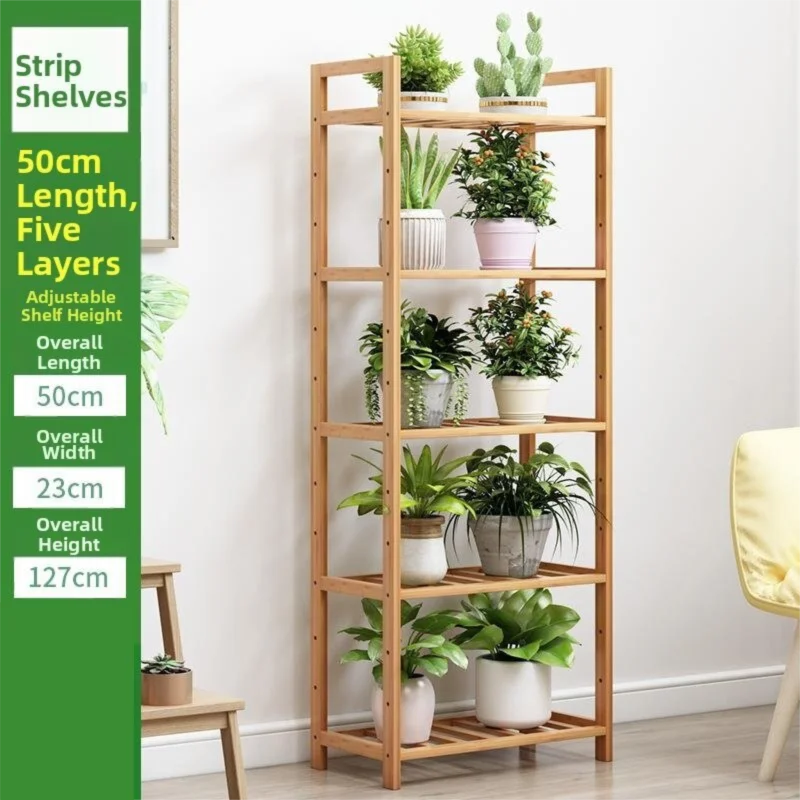
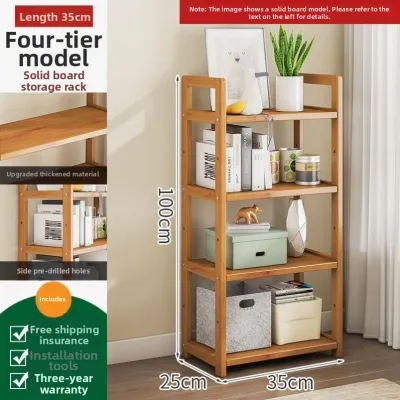
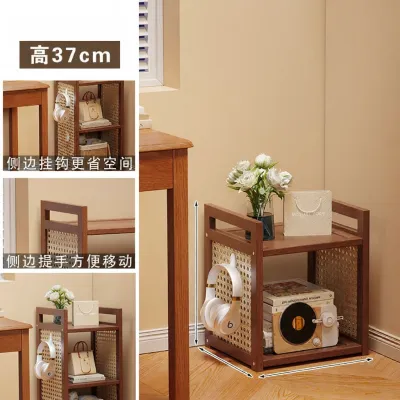
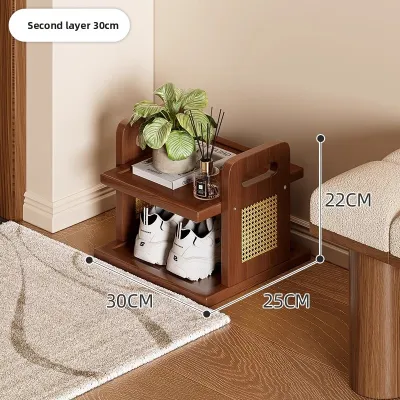
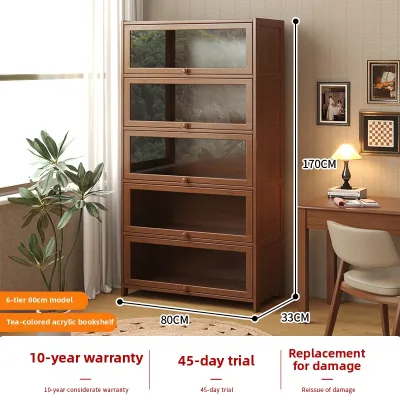
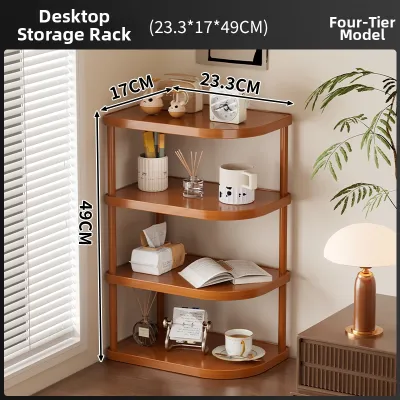
Prices are valid at publication and may change. Please refer to the product page for the latest price.
Finally, evaluate the surface condition of your floor. Many apartment floors, particularly in older estates or near balcony drainage slopes, are not perfectly level. Placing a rigid shelving unit on an uneven surface leads to persistent wobbling and structural strain over time. Use a spirit level or a mobile leveling application to check the floor’s slope. If you detect a noticeable slant, plan for floor protectors or adjustable leveling pads to stabilize the base before loading any items onto the shelves.
Step-by-Step Assembly Guide
Assembling bamboo furniture requires a gentle touch and systematic preparation. Begin by clearing a spacious, clean area on your floor, preferably laying down a soft blanket or the cardboard packaging itself to protect both your flooring and the bamboo panels from scratches. Unbox all components carefully and group them by type: side frames, horizontal shelves, wooden dowels, and metal fasteners. Cross-reference every item with the manufacturer’s parts list included in the manual to ensure you have all the necessary hardware before starting.

When you are ready to assemble, position the side panels parallel to each other. If the design uses wooden dowels for alignment, insert them into the pre-drilled holes first without forcing them. Align the first shelf with the corresponding holes on the side frames. Insert the screws or bolts by hand for the first few turns to ensure the threads align correctly. This manual start prevents cross-threading, which can permanently damage the internal metal inserts or strip the surrounding bamboo material.
The key to a square, stable rack is gradual, balanced tightening. Instead of fully tightening each screw one by one, tighten them in a progressive cross-pattern. Secure each fastener to about fifty percent tightness, move to the diagonally opposite corner, and repeat. Once all fasteners are loosely in place, gently shake the frame to let the joints settle naturally, then tighten each screw fully. This method ensures the frame remains perfectly square and prevents uneven stress on any single joint.
Bamboo is a natural composite material with excellent tensile strength, but it can split if subjected to excessive localized pressure. Avoid using high-powered electric screwdrivers or impact drivers for this assembly, as they can easily over-torque the fasteners. Stick to the hand tools provided in the kit or a manual screwdriver. Stop tightening the moment you feel firm resistance; over-tightening can strip the pre-drilled threads or cause the bamboo fibers around the joint to crack, permanently compromising the rack’s load capacity.
Configuring and Arranging for Maximum Storage
Once your rack is securely assembled, the next step is optimizing its layout to suit your specific storage needs. Compact Singapore apartments demand that we eliminate wasted vertical space, which often occurs when small items are placed on widely spaced shelves. If your bamboo rack features adjustable shelf heights, take the time to measure the tallest items you plan to store, such as books, kitchen appliances, or storage boxes. Position the shelves so there is only a small, functional clearance above these items, allowing you to fit more shelves into the same vertical footprint.
To maintain structural integrity and prevent the rack from becoming top-heavy, always place your heaviest items on the bottom shelves. Items like heavy kitchen mixers, stacks of ceramic dinnerware, or large storage bins filled with books should reside at the base of the unit. This configuration lowers the overall center of gravity, making the freestanding rack significantly more stable and less prone to tipping if accidentally bumped in a high-traffic hallway or living area.
Open shelving can quickly look cluttered, which visually shrinks a small room. To maintain a clean, minimalist aesthetic, integrate modular storage boxes or woven baskets that match the dimensions of your shelves. Using standardized containers allows you to hide loose items, cords, and daily clutter while presenting a uniform, tidy facade. Grouping smaller items inside these boxes also makes it easier to slide them out and access what you need without disrupting the organization of the entire shelf.
Maintenance and Safety Checks for Bamboo Shelving
Bamboo is highly durable but remains sensitive to environmental conditions. To keep the surface finish looking pristine, wipe up any liquid spills immediately with a dry, soft microfiber cloth. Avoid using harsh chemical cleaners, abrasive scrubbing pads, or bleach, which can strip the protective lacquer and expose the raw bamboo underneath. For routine cleaning, a slightly damp cloth followed immediately by a dry wipe is sufficient to remove dust and maintain the natural sheen.
Over time, natural wood and bamboo products expand and contract slightly in response to changes in indoor humidity and temperature. This natural movement, combined with daily use, can gradually loosen the assembly fasteners. Make it a habit to check the tightness of the screws every few months, especially after the initial settling period or if you have recently moved the rack to a new spot. A quick turn with a manual screwdriver will keep the joints rigid and prevent structural wobbling.
Regularly inspect your shelving unit for any signs of wear or structural distress. Look out for persistent wobbling that cannot be resolved by tightening the screws, visible hairline cracks along the support frames, or localized swelling caused by moisture exposure. If you observe any of these warning signs, remove the stored items immediately to reduce the load. Stop using the rack and consult the manufacturer’s guidelines or customer service to determine if the unit can be safely repaired or if parts need replacement.
Frequently Asked Questions (FAQ)
Can I use a bamboo rack in a bathroom or near a kitchen sink?
While bamboo is naturally more moisture-resistant than many hardwoods, prolonged exposure to high humidity or direct water contact can cause mold growth, warping, or finish degradation. In Singapore’s humid climate, placing a bamboo rack in a wet zone like a bathroom or right next to a kitchen sink requires caution. Before doing so, check the manufacturer’s specifications to verify if the unit has been treated with a water-resistant sealant. If you choose to use it in these areas, ensure the room is well-ventilated, wipe away standing water immediately, and inspect the joints regularly for any signs of moisture damage.
Do I need to anchor a freestanding bamboo rack to the wall?
Whether you need to anchor your bamboo rack depends on its height, depth, and how you distribute the weight of your items. Tall, narrow shelving units have a higher risk of tipping over, especially if they are loaded unevenly or placed in homes with active children or pets. Check your product manual for included anti-tip hardware or specific anchoring instructions. If the rack is tall or feels unstable when fully loaded, securing it to the wall with appropriate anchors is a highly recommended safety measure to prevent accidental tip-overs.
How do I remove sticky residue from bamboo shelves without damaging the finish?
Removing adhesive residue from price tags or tape requires a gentle approach to avoid scratching or stripping the bamboo’s protective finish. Avoid using harsh chemical solvents, acetone, or abrasive scrubbers. Instead, apply a tiny amount of mild vegetable oil or a specialized, finish-safe adhesive remover to a soft cloth. Gently rub the sticky area in circular motions. Always test any cleaning solution on a small, hidden part of the rack first, such as the underside of a shelf, and stop immediately if you notice any discoloration or softening of the finish.
Community discussion
Share your experience or ask a question. Comments are reviewed before publication.