
Arranging decorative accents in a compact home requires a deliberate balance between personal expression and spatial restraint. In a small apartment, every square centimeter of surface area must be treated as premium real estate. When styled thoughtlessly, even the most beautiful vases can quickly transform from elegant focal points into chaotic visual noise. To prevent your living space from feeling cramped, the key is to shift your focus from mere decoration to strategic spatial design. By selecting vessels with the right visual weight, placing them to guide the eye upward, and leaving intentional gaps of empty space, you can elevate your interior aesthetic while maintaining an open, airy atmosphere.
Assess Your Space and Choose Proportional Vases
Before placing any decorative vessel, conduct a thorough physical assessment of your apartment’s available surfaces. Use a measuring tape to determine the exact depth, width, and height of your shelves, console tables, and windowsills. This step is particularly critical for wall-mounted or floating shelves, which often have strict weight capacities specified by the manufacturer. Heavy ceramic, stoneware, or thick glass vases can easily exceed these limits once filled with water and floral arrangements. Verifying these structural constraints beforehand prevents sagging shelves, accidental damage, and potential safety hazards in high-traffic zones.
Once you have established the physical dimensions of your surfaces, match the scale and material of your vases to the furniture supporting them. Avoid placing a vase with an overly wide base on a narrow ledge or a delicate side table, which creates a tipping hazard and makes the furniture look crowded. Instead, opt for vessels with slender footprints or tapered bases that sit securely within the boundaries of the surface. Furthermore, prioritize materials that offer visual lightness, such as transparent glass, ribbed textures, or light-colored ceramics like cream and soft beige. These materials allow natural light to pass through or reflect off them, keeping your small apartment feeling bright and spacious rather than weighed down by heavy, dark, opaque objects.
Products mentioned in this guide
![[Local Stock] Elegant Transparent Glass Plant Flower Vase Pot](https://img.lazcdn.com/g/p/7bf4a85e45340c7fb55ec566cbed6128.jpg_400x400q80.jpg_.webp)
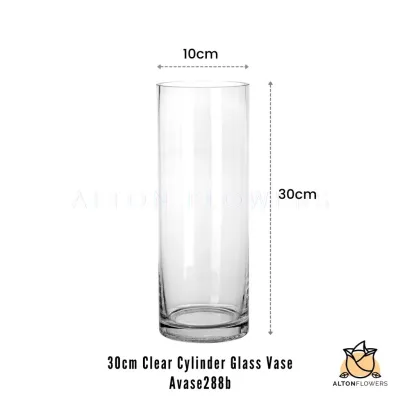
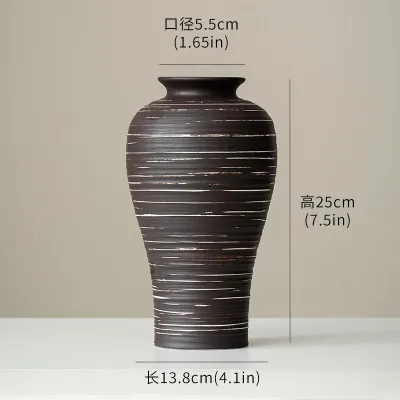
![[SG SELLER]Metal Gold Vase Flower Nordic Style Frame Iron Glass Tube Iron Pot Elegant Home Decoration Wedding Gift](https://img.lazcdn.com/g/p/689dbc8a278d4fdaf386ed4b2e02335c.jpg_400x400q80.jpg_.webp)
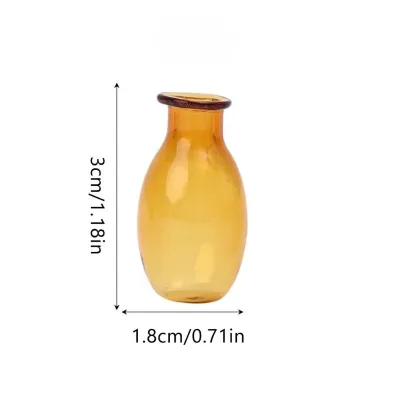
Prices are valid at publication and may change. Please refer to the product page for the latest price.
Core Placement Strategies for Compact Rooms
When floor and tabletop surfaces are limited, the smartest design direction is upward. Utilizing vertical space is a highly effective way to display decorative vases without sacrificing valuable functional areas like dining tables or kitchen counters. Consider placing lightweight, eye-catching vases on high bookshelves, floating shelves mounted near the ceiling, or within built-in wall niches. This placement strategy draws the viewer’s gaze upward, emphasizing the height of the room rather than its limited floor area. When styling these elevated zones, choose vases with distinct silhouettes or subtle textures that can be appreciated from a distance, ensuring they make an impact without cluttering your immediate living environment.

To prevent a scattered, disorganized look, avoid spreading individual vases randomly across every available surface. Instead, consolidate your decor by applying the classic design rule of odd numbers, grouping vases in clusters of three or five to create a natural visual rhythm. When forming these clusters, select vessels of varying heights, shapes, and textures to establish a clear hierarchy, such as pairing a tall, slender bottle vase with a medium-sized round vase and a small, low bud vase. Crucially, leave ample negative space—the unoccupied area surrounding an object—around each group. This deliberate contrast between filled and empty areas allows the eye to rest, making your apartment feel like a thoughtfully designed gallery rather than a crowded storage space.
Styling Techniques to Elevate Your Arrangements
The contents of your vases are just as influential as the vessels themselves when it comes to spatial perception. For small apartments, heavy, dense floral arrangements can block sightlines and make a room feel closed in. Instead, opt for minimalist botanical elements that emphasize line and form. For tall floor vases, select a few slender, architectural branches—such as eucalyptus or willow—that reach upward without spreading too wide horizontally. For smaller tabletop or shelf vases, a single delicate stem, such as a solitary monstera leaf or a sprig of lavender, provides a clean, modern look. These minimal arrangements maintain clear sightlines across the room while still introducing a touch of nature.
To elevate your arrangements, layer your vases with other carefully selected home accessories while maintaining strict restraint. Placing a vase on top of a small stack of horizontally laid hardcover books instantly adds height and structural interest, while grouping a couple of vases on a sleek decorative tray helps corral the items, defining their boundaries and making the arrangement feel intentional. To amplify this effect, place a large wall mirror directly behind the console table or shelf where your vases are displayed. The mirror reflects the shapes, colors, and textures of the vases, as well as any natural light filtering in from nearby windows, instantly doubling the visual depth of the room and making the entire space feel significantly larger and more open.
Common Mistakes That Create Visual Clutter
A frequent misstep in small-space decorating is the accumulation of numerous small, inexpensive trinkets and identical bud vases scattered across multiple surfaces. While a single small vase can be charming, a dozen of them spread throughout a room creates a fragmented, chaotic environment. This approach generates excessive visual noise, as the eye has no clear place to land and rest. Instead of collecting multiple small pieces, invest in a few high-quality, distinct vases that can be styled together or used as standalone statement pieces. This shift from quantity to quality instantly elevates the sophistication of your home and eliminates the micro-clutter that plagues compact living areas.
Another critical mistake is failing to consider the physical and visual flow of the room when placing larger vessels. Positioning a bulky, oversized floor vase in a narrow hallway, next to a doorway, or directly in front of a window can severely disrupt the functionality of your apartment by creating tripping hazards and blocking natural light pathways. Similarly, placing tall, dense, or opaque arrangements in the center of a small room—such as on a central coffee table or a dining table—acts as a physical and visual barrier that cuts off the view from one side of the room to the other. To maintain an open feel, keep central arrangements low and compact, and reserve tall, dramatic vase displays for perimeter surfaces like sideboards or corner shelves.
Maintenance and Safety Checks for Small Spaces
In a compact apartment, furniture is often placed closer together, and high-traffic pathways run right alongside display surfaces. This proximity increases the risk of accidentally bumping into shelves, side tables, or consoles, which can send delicate glass or ceramic vases crashing to the floor. To safeguard your decor and prevent messy accidents, secure your vases using museum wax, clear mounting putty, or adhesive non-slip silicone pads. Applying a small amount of museum wax to the base of a vase temporarily anchors it to the surface without damaging the furniture’s finish. This simple precaution is especially crucial in households with active pets or young children, providing peace of mind and structural stability.
Maintaining a clean home is also essential, as dust and grime settle quickly on exposed decorative surfaces in small apartments, making glass and ceramic vases look dull, cloudy, and neglected. Establish a simple, routine cleaning schedule, wiping down ceramic vases with a soft, dry microfiber cloth once a week and using a gentle glass cleaner on transparent vessels to keep them crystal clear. Additionally, proper water management is crucial if you style your vases with fresh floral arrangements. Change the water every two days to prevent unpleasant odors and cloudy bacteria, and place a discreet felt coaster or cork mat underneath your vases to act as a protective barrier against moisture, ensuring your furniture remains pristine.
Frequently Asked Questions (FAQ)
Can I use large floor vases in a small apartment?
Yes, you can absolutely use large floor vases in a compact apartment, provided you place them strategically. The key is to position them in underutilized areas, such as empty corners, alcoves, or the space directly behind a sofa, where they will not obstruct main walkways or create tripping hazards. Additionally, choose floor vases with slender, tall silhouettes rather than wide, bulbous shapes. A tall, narrow cylinder or a tapered bottle vase has a minimal floor footprint while still offering a dramatic, elegant vertical element that draws the eye upward and enhances the room’s height.
How do I style vases on a small dining table?
When styling a small dining table, functionality and comfort must remain the top priorities. Keep the overall height of your vase and floral arrangement below eye level when seated—typically under 30 centimeters—to ensure that guests can maintain clear sightlines and converse easily across the table. A highly effective approach is to use a single, low statement piece, such as a shallow ceramic bowl or a wide, low-profile vase. Alternatively, you can arrange a tight, neat cluster of small bud vases that can be easily picked up and moved to a sideboard or kitchen counter when it is time to serve food.
What is the best way to display a vase collection?
The most effective way to display a collection of vases without creating visual clutter is to practice curation and editing. Instead of displaying your entire collection all at once, select a few key pieces to showcase and store the rest, rotating them seasonally to keep your decor feeling fresh and dynamic. When arranging the selected pieces, group them by a unifying visual element, such as color palette, material, or design style. For example, grouping three matte white ceramic vases of different shapes creates a cohesive, intentional visual block that looks like a curated art installation, rather than a chaotic assortment of random objects.
Community discussion
Share your experience or ask a question. Comments are reviewed before publication.