
Sitting at a desk for long hours often leads to dangling feet, poor posture, and lower back strain, which can be resolved by setting your adjustable foot rest to a height and angle that keeps your knees slightly below hip level and your feet fully supported. Properly positioning this ergonomic accessory ensures even weight distribution across your lower body, reducing pressure on your thighs and lower spine. When your feet do not reach the floor comfortably, your body naturally compensates by slouching forward or sliding down the chair, which misaligns your pelvis and puts unnecessary stress on your lumbar discs. An adjustable foot rest acts as an artificial floor, allowing you to maintain an upright, ergonomically sound posture regardless of your height or the height of your desk. By customizing the height, tilt, and placement of your footrest, you can transform your workspace into a highly supportive environment that minimizes fatigue.
How can you tell if your adjustable foot rest needs adjusting?
You can tell your adjustable foot rest needs adjusting if your feet do not rest completely flat on its surface, or if you experience physical strain in your lower back, thighs, and calves while sitting. Persistent pressure on the back of your thighs or a constant urge to slide forward in your chair are clear indicators of an incorrect setup.
Recognizing Physical Discomfort Signals
If you notice a tingling sensation, numbness, or coldness in your feet, your chair seat may be cutting off circulation because your feet lack proper support. Another common sign is lower back stiffness. Without a solid foundation for your feet, your pelvis tends to tilt backward, flattening the natural curve of your lumbar spine and forcing your back muscles to work harder to keep you upright.
Products mentioned in this guide
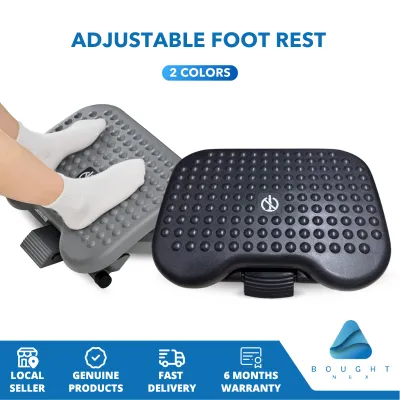
248 Lazada user ratings
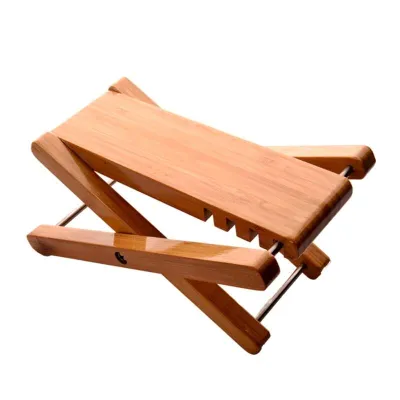
Adjustability: 3 different heights adjustments available, freely rotates to different angles. Good price. The only issue is that it is a lit…Read full reviewShow less
Adjustability: 3 different heights adjustments available, freely rotates to different angles. Good price. The only issue is that it is a little wobbly when shifting from side to side as the support is in the middle.
fast delivery so far trying out. hope could reduce some stress for long hours sitting.
Quite happy with this purchase. Item came well packaged and quality!
Satisfied order delivered quickly and liked the grey color.
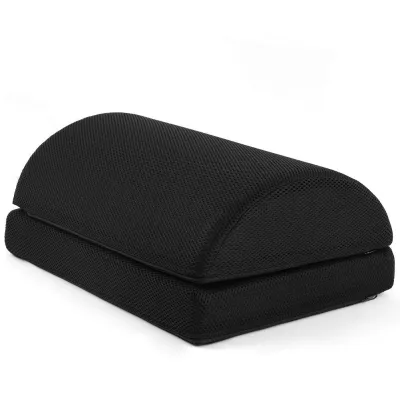
27 Lazada user ratings
No she says it was he going to show you tomorrow I hate this people the thing that you're strong but they want to bicep on me I will quit th…Read full reviewShow less
No she says it was he going to show you tomorrow I hate this people the thing that you're strong but they want to bicep on me I will quit them in my own
item received in good condition. Thanks seller for speedy action on my order as well as speedy delivery. Appreciated.
Delivery fast. Packaging looks okay. The footrest is nice and of quality. Feels comfortable when resting foot.
Item received in good condition, fast delivery, comfortable to use. Adjustable height is convenient
Perfect for office or home use, Adjustable height is convenient
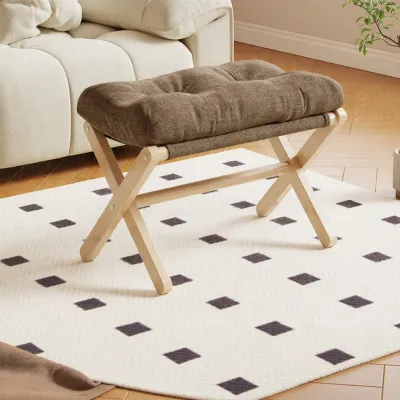
75 Lazada user ratings
It's pretty useful, sturdier than those that hang from the bottom of tables.
Pretty good, it's comfortable even though the woodwork is a bit rough.
The workmanship is really detailed, and the soft cushion is great!
I was relieved that there was no strange smell when I got it.
It's really comfortable to sit on, and it has good support.
Prices are valid at publication and may change. Please refer to the product page for the latest price.
Performing a Posture Check
To determine if your current setup is causing an imbalance, perform a quick posture check. If your knees are positioned significantly higher than your hips, your footrest may be set too high, which can compress your abdominal organs and strain your hip flexors. Conversely, if your heels are lifting off the platform or you find yourself stretching your toes to make contact, the footrest is too low or positioned too far forward.
Assessing Your Primary Furniture
Before adjusting the footrest, evaluate whether your chair and desk are set to their optimal heights. If your desk is fixed and too high, you must raise your chair to keep your wrists and elbows in a neutral typing position, making a footrest necessary to bridge the gap to the floor. However, if you have an adjustable-height desk, try lowering both first so your feet rest flat on the floor. A footrest should complement your furniture, not bypass proper chair adjustments.
What is the correct height and tilt angle for your adjustable foot rest?
The correct height for your adjustable foot rest should allow your knees to rest at or slightly below hip level, while the ideal tilt angle should match the natural flexion of your ankles, typically between 10 and 25 degrees. This configuration ensures your feet remain fully supported without tensing your calf muscles or straining your ankles.

Step-by-Step Height Adjustment
First, adjust your office chair so your forearms are parallel to your desk surface while typing. Next, observe the distance between the soles of your feet and the floor. Adjust the height of your footrest so that when you place your feet flat on the platform, your thighs run parallel to the floor or slope slightly downward toward your knees. Your knees should form an angle of approximately 90 to 110 degrees. If your knees are pushed up toward your chest, lower the footrest; if your thighs do not touch the seat cushion, raise the footrest.
Adjusting the Tilt Angle
The tilt angle of your footrest should support the natural, relaxed angle of your feet when you are seated. A flat platform forces your ankles into a 90-degree angle, which can become tiring over time. Adjust the tilt to a slight incline—usually between 10 and 20 degrees—which allows your ankles to rest in a slightly extended, neutral position. This angle reduces the tension in your Achilles tendon and calf muscles, making it easier to sit comfortably.
Verifying Your Settings
Verify the settings by checking your body’s alignment. Sit fully back in your chair with your spine supported by the backrest. Slide two fingers between the underside of your thigh and the front edge of your seat cushion. If you feel tight pressure against your fingers, your footrest may need to be raised. If there is a large gap and no contact at all, lower the footrest slightly to distribute your weight more evenly.
How should you position your feet and legs while using the footrest?
To maximize ergonomic benefits, place both feet flat and centered on the footrest surface, keeping them roughly hip-width apart to distribute your body weight evenly. Your legs should remain uncrossed, with your knees aligned directly over your ankles to prevent twisting or asymmetrical strain on your pelvis.
Achieving Even Weight Distribution
Ensure that the entire sole of each foot makes firm contact with the footrest platform. Avoid resting only your toes on the platform while your heels dangle off the edge, as this forces your calf muscles to remain contracted to stabilize your legs. Similarly, resting only your heels on the front edge of the footrest can cause your ankles to overextend and lead to shin discomfort. Keeping your feet centered on the platform allows the non-slip surface or massaging textures of the footrest to work as intended.
Avoiding Postural Pitfalls
Avoid common postural errors like crossing your legs at the knees or ankles, or tucking one foot underneath your chair. These positions rotate your pelvis, which can lead to uneven pressure on your spinal discs and cause lower back pain over time. If you feel the urge to cross your legs, it is often a sign that your body is fatigued or that your footrest is not positioned at the correct distance from your chair. Keep the footrest close enough that your legs can rest naturally without stretching forward.
Coordinating with Seating Depth and Back Support
Your footrest position must work in harmony with your chair’s backrest. If your chair seat is too deep, you may find yourself slouching forward to reach the footrest, which leaves your lower back unsupported. To correct this, adjust the seat depth of your chair if possible, or use a lumbar support cushion to bring your torso forward. This ensures your back remains fully supported by the chair while your feet rest comfortably on the footrest, maintaining the natural curve of your spine.
What common mistakes reduce the effectiveness of an adjustable foot rest?
A common mistake is using a footrest to compensate for a poorly adjusted chair or desk height instead of correcting the primary furniture settings first. Another frequent error is setting the tilt angle too steep, which forces your feet to slide off the platform and causes your calf muscles to remain constantly tensed.
Over-Compensating for Poor Furniture Setup
Many users treat a footrest as a universal fix for a workspace that is fundamentally misaligned. If your desk is too high, raising your chair to an extreme height and using a very tall footrest might help your feet, but it can leave your armrests and monitor at incorrect heights. Always adjust your chair relative to your desk and monitor first, and then use the footrest to solve the remaining gap between your feet and the floor. If your desk is adjustable, prioritize lowering the desk surface before relying solely on a footrest.
Setting Excessive Tilt Angles
While a slight tilt is beneficial, setting the angle too steep is counterproductive. When the platform is tilted too far forward, your feet will naturally want to slide down, forcing you to constantly push back with your legs to stay in place. This continuous muscular effort can lead to fatigue in your calves, thighs, and lower back. If you find your feet slipping or your legs feeling tired, flatten the angle of the footrest until your feet can rest effortlessly on the surface.
Neglecting to Readjust for Changes
An ergonomic setup is dynamic, not static. A common mistake is failing to readjust your footrest when you change your footwear. Wearing shoes with thick soles or sitting in flat slippers changes the distance between your feet and the platform, requiring a quick adjustment to the footrest height. Similarly, if you adjust your chair height for different tasks, you must adjust your footrest accordingly to maintain proper lower body alignment.
When should you stop adjusting and seek alternative ergonomic solutions?
You should stop adjusting your footrest and seek alternative solutions if you continue to experience persistent physical discomfort, numbness, or joint pain despite making multiple setup changes. If the footrest itself feels unstable, wobbles, or cannot support your weight safely, it is time to inspect the equipment or consult a professional.
Identifying Underlying Workspace Incompatibilities
A footrest is designed to support your lower body, but it cannot fix issues originating from other parts of your workstation. If you experience persistent shoulder pain, neck stiffness, or wrist strain, the cause is likely related to your monitor height, keyboard placement, or chair armrests rather than your footrest. In these cases, adjusting your footrest will not provide relief, and you should focus on reorganizing your entire desk layout or investing in an adjustable keyboard tray or monitor arm.
Knowing When to Consult a Professional
If you experience chronic pain, sharp aches, or persistent numbness in your legs, hips, or lower back, stop using the footrest and consult an ergonomic specialist or a healthcare professional. These symptoms may indicate an underlying medical condition or a severe postural misalignment that requires personalized clinical advice rather than simple furniture adjustments.
Checking Equipment Limits and Stability
Always check the manufacturer’s specifications for your adjustable foot rest, particularly regarding weight limits and stability. If the footrest wobbles, slides across your floor, or bends under the weight of your legs, it can cause you to tense your muscles unconsciously to keep it stable. Ensure the device is placed on a flat, non-slip surface. If the footrest cannot be locked securely into your desired position, it may be worn out or built with insufficient locking mechanisms, indicating that a sturdier replacement is necessary.

Community discussion
Share your experience or ask a question. Comments are reviewed before publication.