
To prevent leg swelling during long work hours, your adjustable footrest should be set to a height that keeps your knees slightly lower than or level with your hips while your feet rest completely flat. The platform should be tilted at a slight upward angle of 10 to 15 degrees to support a neutral ankle position without straining your calves. This configuration relieves pressure on the underside of your thighs, allowing blood to flow freely back to your heart instead of pooling in your lower extremities.
When you sit for extended periods, gravity naturally pulls fluid downward into your lower limbs. Without regular movement, your body struggles to pump this fluid back up, leading to a common condition known as occupational edema. An adjustable footrest serves as a critical ergonomic intervention, bridging the gap between your feet and the floor to establish a posture that actively supports your circulatory system.
Why Proper Footrest Alignment Prevents Leg Swelling
Understanding the mechanics of blood circulation helps clarify why a simple footrest is so vital for office health. Your circulatory system relies on the contraction of your calf muscles—often referred to as the “second heart”—to push venous blood upward against gravity. When you remain seated and stationary for hours, this muscle pump remains inactive, allowing fluid to accumulate in the tissues of your feet, ankles, and lower legs.
Products mentioned in this guide
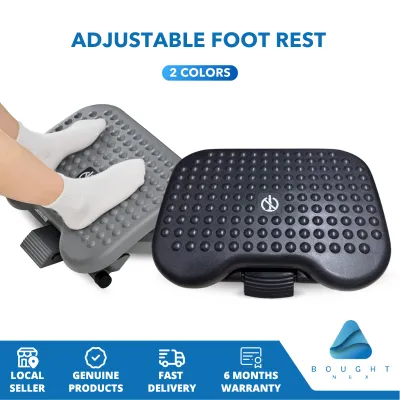
248 Lazada user ratings
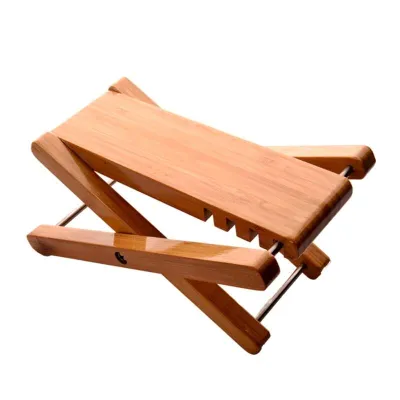
Adjustability: 3 different heights adjustments available, freely rotates to different angles. Good price. The only issue is that it is a lit…Read full reviewShow less
Adjustability: 3 different heights adjustments available, freely rotates to different angles. Good price. The only issue is that it is a little wobbly when shifting from side to side as the support is in the middle.
fast delivery so far trying out. hope could reduce some stress for long hours sitting.
Quite happy with this purchase. Item came well packaged and quality!
Satisfied order delivered quickly and liked the grey color.
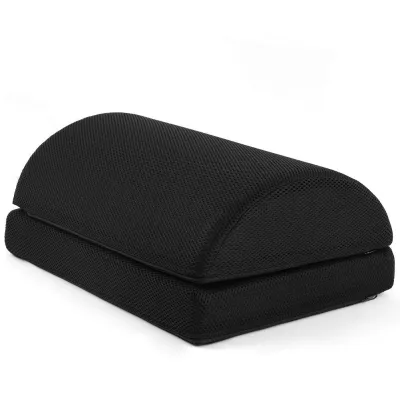
27 Lazada user ratings
No she says it was he going to show you tomorrow I hate this people the thing that you're strong but they want to bicep on me I will quit th…Read full reviewShow less
No she says it was he going to show you tomorrow I hate this people the thing that you're strong but they want to bicep on me I will quit them in my own
item received in good condition. Thanks seller for speedy action on my order as well as speedy delivery. Appreciated.
Delivery fast. Packaging looks okay. The footrest is nice and of quality. Feels comfortable when resting foot.
Item received in good condition, fast delivery, comfortable to use. Adjustable height is convenient
Perfect for office or home use, Adjustable height is convenient
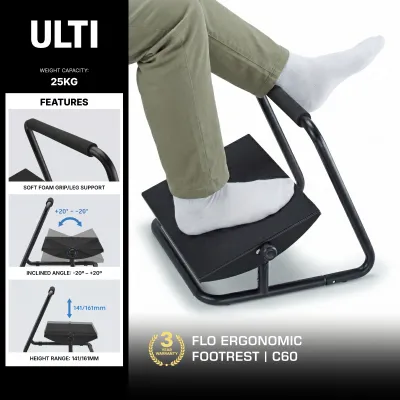
80 Lazada user ratings
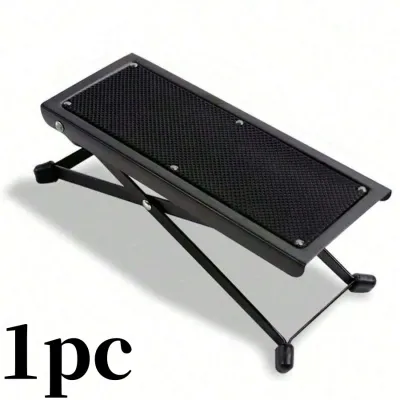
Durability: sturdy and durable Comfort: like the movable paddle Anti-skid pads to protect surfaces and good weight to it on the felt of qual…Read full reviewShow less
Durability: sturdy and durable Comfort: like the movable paddle Anti-skid pads to protect surfaces and good weight to it on the felt of quality as well as practicability on not having it mobile sturdy on the floor.
Durability: excellent Comfort: excellent, just a bit warm on feet, but manageable Adjustability: excellent, can adjust height and tilt
comfortable and good leg rest that is not expensive - Maximum comfort for your feet, Non-slip surface for enhanced stability
Fast delivery. Solid and durable. Love the footrest. I think the products are decent. Will return to purchase more from them
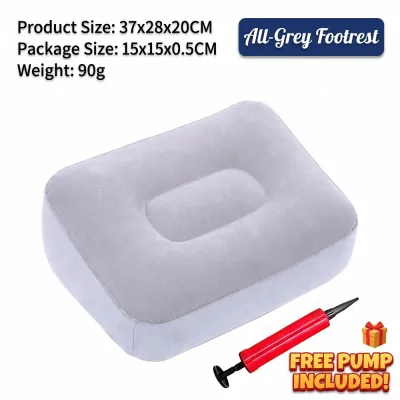
75 Lazada user ratings
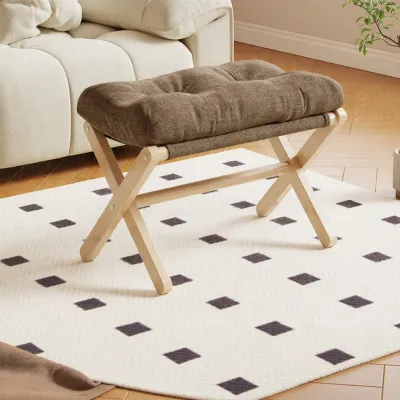
It's pretty useful, sturdier than those that hang from the bottom of tables.
Pretty good, it's comfortable even though the woodwork is a bit rough.
The workmanship is really detailed, and the soft cushion is great!
I was relieved that there was no strange smell when I got it.
It's really comfortable to sit on, and it has good support.
Prices are valid at publication and may change. Please refer to the product page for the latest price.
The problem worsens when your office chair is not adjusted correctly to your desk height. If your chair is too high, the front edge of the seat pan presses directly into the underside of your thighs. This constant pressure acts like a tourniquet, compressing the femoral veins and lymphatic vessels that run through the back of your legs. This compression restricts the return path of blood and fluid, accelerating the swelling process.
An adjustable footrest resolves this issue by redistributing your body weight. By elevating your feet to the correct height, the footrest transfers the load from the back of your thighs to your feet and sit bones. This shift immediately relieves the vascular pinch point under your thighs, allowing blood and lymphatic fluid to flow without obstruction. Additionally, supporting your feet helps stabilize your pelvis, preventing you from sliding forward in your chair and causing further circulatory restriction.
How to Configure Your Adjustable Foot Rest for Perfect Posture
Achieving the perfect ergonomic setup requires a systematic approach. You cannot adjust a footrest in isolation; it must be calibrated as part of a complete system that includes your desk, your chair, and your physical proportions. Attempting to set up your footrest before adjusting your chair will only result in a mismatched posture that causes discomfort elsewhere.

The correct sequence of adjustments always flows from the top down. First, adjust your desk surface or keyboard tray so your forearms rest comfortably parallel to the floor. Next, adjust your chair height so your hands align perfectly with your input devices. Finally, introduce the adjustable footrest to bridge whatever gap remains between your feet and the floor.
Always perform these adjustments while sitting in your actual working position. Sit fully back in your chair, engage the lumbar support, and look straight ahead at your monitor. Adjusting your footrest while slouching or leaning forward will lead to inaccurate settings that fail to support you once you settle into your daily work routine.
Setting the Correct Height for Knee and Hip Alignment
To find the ideal height for your adjustable footrest, start by sitting deeply in your office chair. Adjust the chair’s height so your elbows form a comfortable 90-degree to 100-degree angle when your hands rest on your keyboard. If your feet do not rest flat and firmly on the floor in this position, you need a footrest to fill the empty space.
Place the footrest under your desk and adjust its height upward until your feet rest flat on the platform. As you raise the platform, pay close attention to the angle of your knees and hips. Your knees should be bent at an angle between 90 and 100 degrees, with your thighs resting parallel to the floor or sloping very slightly downward toward your knees.
Avoid raising the footrest too high, as this pushes your knees above your hips. When your knees are elevated higher than your hip joints, your pelvis tilts backward, rounding your lower spine and transferring excessive pressure to your tailbone. Conversely, if the footrest is too low, your feet will dangle or stretch forward, reinstating the pressure on the back of your thighs and restricting blood flow.
Finding the Optimal Tilt Angle for Ankle Support
Once you have established the correct height, the next step is adjusting the tilt angle of the footrest platform. The angle of the platform determines the position of your ankles, which directly affects the tension in your calf muscles and the overall comfort of your lower legs. Start with the platform in a completely flat position to establish your baseline.
Gradually tilt the platform upward, aiming for a gentle angle of 10 to 15 degrees. This slight incline mirrors the natural resting angle of your feet when you are seated. A gentle tilt helps distribute your body weight evenly across the entire sole of your foot, rather than concentrating pressure on your heels or the balls of your feet.
Observe how your feet feel on the tilted surface. Your heels must remain firmly planted on the platform without lifting off. If you feel your toes pressing hard against the surface or your heels hovering, the tilt angle is too steep. An excessive incline forces your ankles into constant flexion, which tightens your calf muscles, restricts circulation, and can lead to muscle fatigue over the course of the day.
A Quick Checklist to Verify Your Ergonomic Setup
To ensure your adjustable footrest is configured correctly, perform a quick physical self-assessment. This checklist helps you identify subtle alignment errors before they lead to physical discomfort or leg swelling.
- The 90-90-90 Rule: Verify that your hips, knees, and ankles are all bent at approximately 90-degree to 100-degree angles. This distribution ensures balanced muscle tension and optimal joint alignment.
- The Finger Test: Slide your hand between the front edge of your chair seat and the back of your knees. You should easily fit a two-to-three finger gap. If the seat presses tightly against your calves, your chair is too deep or your footrest is positioned too far back.
- Full Foot Contact: Ensure the entire sole of each foot is in contact with the footrest platform. Your feet should not slide forward, and you should not feel the urge to cross your ankles or tuck your feet under your chair.
- Even Weight Distribution: Pay attention to where you feel pressure. Your weight should be evenly distributed between your sit bones on the chair and your feet on the footrest, with no single area bearing excessive load.
If you find yourself rounding your lower back, sliding down in your chair, or constantly shifting your weight, your setup needs adjustment. These movements are clear indicators that your body is trying to compensate for a lack of stable support at your feet.
Daily Desk Habits to Maximize Circulation and Comfort
While a correctly adjusted footrest is an invaluable tool, static sitting is inherently challenging for your circulatory system. To truly prevent leg swelling, you must combine your ergonomic setup with active daily habits that encourage blood flow.
Incorporate micro-breaks into your workday every 30 to 60 minutes. Stand up, stretch your calves, or take a short walk around your workspace. These brief movements activate the calf muscle pump, forcing pooled blood and fluid out of your lower legs and back toward your heart. Even a simple 60-second walk to refill your water glass can make a significant difference in how your legs feel at the end of the day.
Your choice of footwear also impacts lower-limb circulation. Avoid wearing tight, restrictive shoes or high heels at your desk, as they lock your ankles into unnatural positions and limit muscle movement. If your office environment allows, consider using your footrest in socks or flat, flexible shoes that allow your toes to spread and your ankles to move naturally.
If you have access to a height-adjustable standing desk, alternate between sitting and standing throughout the day. When standing, you can use your footrest as a step, resting one foot on the platform to shift your weight and relieve pressure on your lower back. This dynamic posture variation keeps your muscles engaged and prevents fluid from pooling in one place.
Finally, stay well-hydrated by drinking water consistently. It may seem counterintuitive, but dehydration actually causes your body to retain fluid, worsening swelling in your extremities. Proper hydration supports overall cardiovascular function, making it easier for your body to manage fluid balance and maintain healthy circulation.
Frequently Asked Questions (FAQ)
Can I use a footrest if my feet already touch the floor?
Yes, a footrest can still be highly beneficial even if your feet can reach the floor. If your desk is fixed at a standard height, you may need to raise your chair to type comfortably, which can lift your feet just enough to cause thigh compression. Additionally, a tilted footrest provides a more ergonomic angle for your ankles than a flat floor, reducing joint strain and encouraging better posture.
Should my feet be completely flat or angled on the surface?
Your feet should maintain full contact with the surface of the footrest, meaning the entire sole from heel to toe is supported. The platform itself should be slightly angled rather than completely flat to match the natural resting angle of your ankles. However, avoid steep angles that force your toes upward and lift your heels, as this causes muscle tension.
Is a rocking or moving footrest better for preventing swelling?
Dynamic or rocking footrests offer a distinct advantage for circulation because they encourage active movement. By gently rocking your feet back and forth, you engage your calf muscles, which directly assists in pumping blood back up your legs. A static adjustable footrest is highly effective for structural support, but a dynamic model is an excellent alternative if you struggle with severe swelling or restlessness.
Community discussion
Share your experience or ask a question. Comments are reviewed before publication.