
Creating a sophisticated, high-end home does not require an unlimited budget or a showroom filled with designer labels. True luxury in interior design is less about the price tag of individual items and more about how elements are curated, balanced, and presented. By understanding the visual principles that designers use to elevate spaces, you can achieve a polished, upscale aesthetic in your own home using strategic, budget-friendly choices.
The secret lies in focusing on details that carry high visual impact while maintaining a disciplined approach to editing. Whether you are styling a newly renovated flat or refreshing an existing space, small adjustments in layout, lighting, and material selection can dramatically alter the perceived value of your home. By prioritizing structure and cohesion over sheer volume, you can cultivate an environment that feels both custom-designed and deeply personal.
Master the Foundations of High-End Styling
Achieving a premium look begins with mastering spatial discipline, starting with the concept of negative space. High-end interiors rarely feel crowded; instead, they allow furniture and decor pieces room to breathe. Leaving portions of walls and floors empty creates a sense of gallery-like curation, making the items you do display look far more intentional and valuable.
Products mentioned in this guide
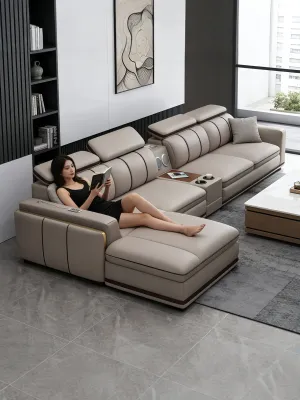
2 Lazada user ratings
It's genuine leather, with fine craftsmanship and sturdy material. It's comfortable to sit on.
Super comfy, love the color, and it's in perfect condition!
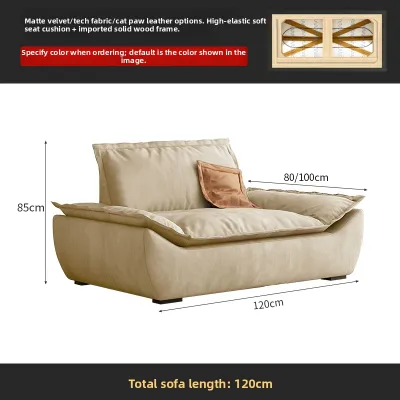
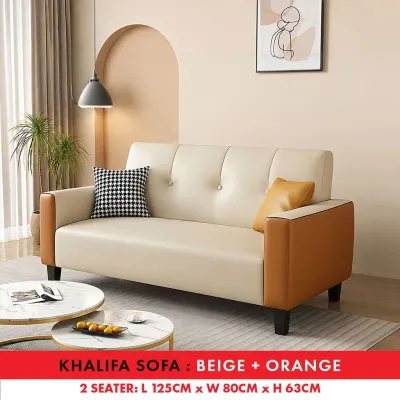
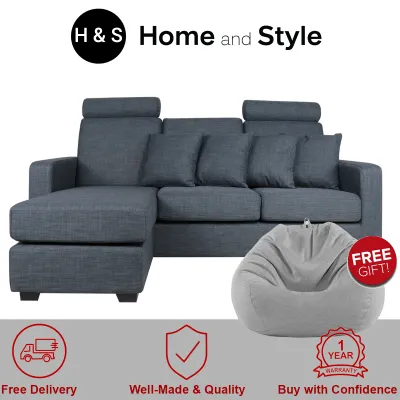
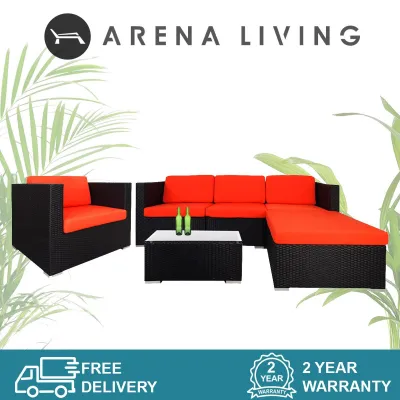
Prices are valid at publication and may change. Please refer to the product page for the latest price.
Symmetry and balance are equally vital when arranging your furniture to convey an upscale atmosphere. Placing matching side tables and lamps on either side of a sofa, or centering a low-profile coffee table on an area rug, establishes an immediate sense of order and architectural harmony. Pay close attention to visual weight, pairing heavier upholstered pieces with lighter, leggy armchairs to keep the room from feeling bottom-heavy or congested.
A restrained, cohesive color palette serves as the canvas for a luxury aesthetic. Focus on a base of sophisticated neutrals—such as warm taupe, soft ivory, or muted charcoal—and layer in depth with one or two carefully selected accent colors. Restricting your palette prevents visual noise and ensures that even budget-friendly furniture pieces look unified and integrated into a singular, high-end design scheme.
Mix Textures and Materials Strategically
To make a budget-conscious space feel rich and layered, you must introduce tactile variety through a thoughtful mix of materials. Metallic accents are highly effective for catching the light and adding instant polish to a room. Consider swapping out standard builder-grade cabinet handles, drawer pulls, and light switches for brushed brass, champagne gold, or matte black alternatives. These small hardware upgrades are highly affordable yet deliver a significant visual payoff.

You can also achieve the look of premium natural stone without the associated material and installation costs. High-pressure laminates or engineered porcelain tiles now feature realistic marble veining and stone textures. Utilizing these materials for countertops, feature walls, or side tables provides the classic elegance of marble while offering excellent stain resistance and easier daily maintenance.
Textiles play a crucial role in softening a room and introducing a sense of comfort and luxury. Contrast smooth, hard surfaces with rich fabrics like linen, velvet, and chunky bouclé on throw pillows, drapes, and upholstery. Mixing these contrasting textures prevents a neutral room from looking flat or sterile, giving it the layered complexity found in professional interior portfolios.
When sourcing these materials, always check product labels and manufacturer instructions regarding care and environmental suitability. In warm, humid climates, certain synthetic fabrics can trap heat, while low-quality laminates may peel if exposed to persistent moisture. Opt for breathable, moisture-resistant textiles and ensure that any engineered wood or laminate surfaces feature high-quality edge banding to prevent swelling over time.
Layer Your Lighting for a Premium Ambience
Lighting is one of the most powerful tools for elevating home decor, yet it is often overlooked in budget styling. A single, harsh overhead light source can make even the most expensive furniture look flat and uninviting. To create a warm, high-end atmosphere, implement a layered lighting scheme that combines ambient, task, and accent illumination.
Begin by selecting fixtures that feature clean profiles and quality finishes, such as matte ceramics or brushed metals. When purchasing bulbs or integrated LED fixtures, check the technical specifications for color temperature. For residential spaces, warm white light—typically between 2700K and 3000K—is ideal for creating a cozy, welcoming environment that mimics the soft glow of luxury boutique hotels.
Incorporate floor and table lamps to establish distinct, intimate zones within your living areas. A slender floor lamp positioned next to a reading chair or a pair of sculptural table lamps flanking a sideboard adds height variation and visual interest. Use adjustable accent spotlights or warm LED strip lights hidden inside shelving niches to highlight architectural features, artwork, or curated decor, drawing the eye to the focal points of your room.
Choose Statement Pieces Wisely
You do not need to furnish an entire room with high-end items to make it look expensive; instead, allocate your budget strategically toward one or two statement pieces. These focal points draw the eye immediately upon entering a room, setting a premium tone for the entire space. An oversized framed art print, a large wall mirror, or a richly textured area rug can easily anchor a room and make surrounding, simpler furniture look more upscale.
Sourcing these statement items requires patience and a keen eye rather than a large bank account. Look beyond mass-produced retail chains and explore local artisans, independent makers, and vintage markets for unique, character-rich pieces. Mixing a vintage wooden stool or a handmade ceramic vase with clean, modern furniture creates an eclectic, curated look that feels custom-designed rather than bought straight from a catalog.
Before purchasing any large statement furniture, always verify the exact finished dimensions of the item and your home’s access points. Measure your doorways, lift cabins, and stairwells carefully to ensure the piece can be safely delivered and installed without damage. A beautiful sofa or cabinet loses its value if it cannot clear the elevator doors or fit through your entryway, making precise pre-purchase checks essential.
Adapt Luxury Styling for Compact Singapore Layouts
Achieving a high-end feel in compact urban layouts, such as HDB flats and condominiums, requires smart spatial strategies. Large mirrors are invaluable in smaller rooms, as they reflect both natural and artificial light, instantly making a narrow living or dining area feel twice its actual size. Position a floor-to-ceiling mirror opposite a window to maximize outdoor views and bring the feeling of the outdoors inside.
When selecting furniture for tighter spaces, prioritize pieces with clean lines and elevated, exposed legs. Sofas, sideboards, and armchairs that sit off the ground allow light and sightlines to pass underneath them, creating an illusion of continuous floor space. This simple design choice prevents compact rooms from feeling weighed down by bulky, solid furniture blocks.
Utilize your vertical space to draw the eye upward and maximize storage without sacrificing valuable floor area. Install floating shelves or tall, narrow display cabinets to showcase a small, highly curated selection of books, plants, and decorative objects. Keep these displays sparse, leaving plenty of open space around each item to maintain a clean, uncluttered aesthetic that feels sophisticated rather than cramped.
Finally, managing indoor humidity and air circulation is vital for preserving your decor investments in a tropical climate. High humidity can cause solid wood to warp, metal hardware to tarnish, and delicate fabrics to develop mold. Ensure your home is well-ventilated, utilize dehumidifiers in enclosed closets, and choose performance fabrics designed to withstand moisture. Taking these proactive steps ensures your carefully styled home remains pristine, fresh, and luxurious for years to come.
Community discussion
Share your experience or ask a question. Comments are reviewed before publication.