
Finding the right office chair for a home office in Singapore requires balancing personal ergonomic needs, spatial limits, and budget. While Take a Seat has established itself as a prominent local option, determining whether it or a competing brand is the right fit depends on a systematic comparison of structural specifications, adjustability features, and long-term support. This guide provides a practical framework to evaluate Take a Seat against other market alternatives, helping you make an informed decision based on verifiable product details.
To choose a chair that supports long hours of remote work, you must look past marketing claims and focus on measurable specifications. Every home office setup is unique, meaning a chair that works perfectly for one person may cause discomfort for another. By comparing key dimensions such as ergonomic adjustability, material suitability, and physical dimensions, you can narrow down the options to the models that best fit your body and your home.
Core Dimensions for Comparing Home Office Chairs
Ergonomic adjustability is the foundation of any high-quality office chair. When comparing Take a Seat with other brands, the first point of evaluation should be the lumbar support system. Look for lumbar support that adjusts both vertically and in depth, allowing you to align the support with the natural curve of your lower spine. Fixed lumbar supports or those that only adjust vertically may not provide sufficient pressure relief for users of varying heights.
Products mentioned in this guide
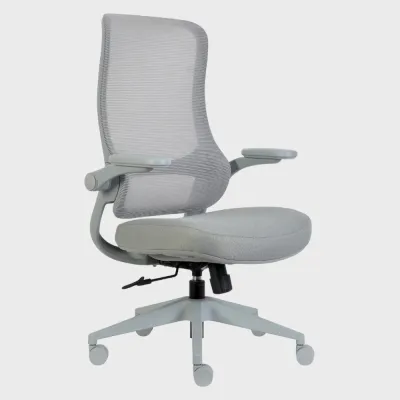
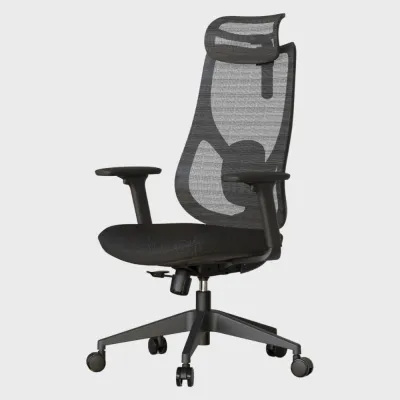
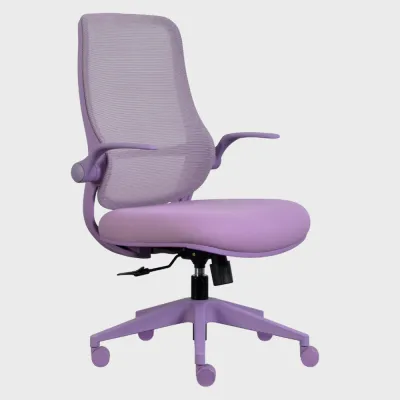
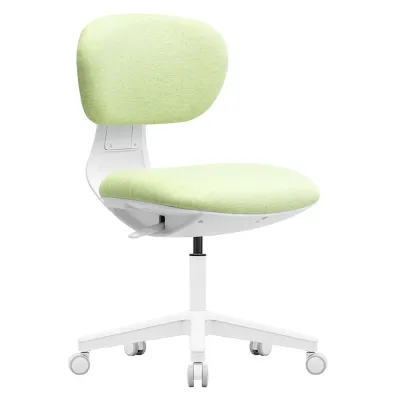
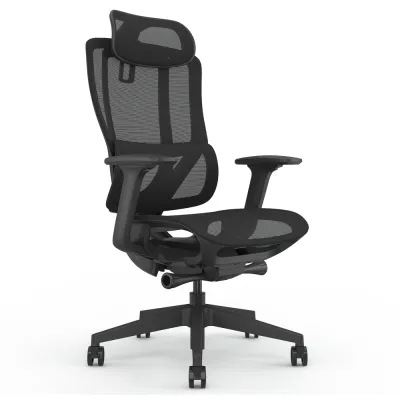
Prices are valid at publication and may change. Please refer to the product page for the latest price.
Armrest articulation is another critical factor for preventing shoulder and neck strain. Basic task chairs often feature fixed or 1D armrests that only adjust in height. Mid-range and premium models frequently offer 3D or 4D armrests, which allow you to adjust the height, depth, width, and angle of the arm pads. This level of articulation ensures your elbows can rest comfortably at a 90-degree angle, regardless of your desk height or typing posture.
Seat depth adjustment, often controlled by a sliding seat pan, is essential for proper thigh support. A seat pan that is too deep can press against the back of your knees, restricting blood circulation, while a seat that is too shallow fails to support your thighs adequately. When comparing brands, check the product specifications to see if the seat depth can be adjusted to leave a gap of about two to three fingers between the edge of the seat and the back of your knees.
Material selection directly impacts your comfort in Singapore’s tropical climate. High relative humidity and warm temperatures make breathability a primary concern for home offices without continuous air conditioning. Mesh backrests and seats allow maximum airflow, helping to dissipate body heat and prevent moisture buildup. Conversely, molded foam seats covered in fabric or leather provide superior pressure distribution but tend to retain heat, making them better suited for air-conditioned environments.
Spatial footprint is a practical constraint that is easily overlooked until the chair arrives at your home. Singaporean home offices, often situated in compact study rooms or bedroom corners, require careful measurement of available floor space. Compare the base diameter of the chairs, which typically ranges from 60cm to 70cm, to ensure the base does not collide with desk legs or nearby furniture. Additionally, measure the maximum height of the armrests to verify they can slide under your desk when the chair is not in use.
Evaluating Take a Seat Against Market Alternatives
To objectively compare Take a Seat with other brands, you must inspect the structural components detailed on official specification sheets. Start by verifying the gas lift class, which is the component responsible for height adjustment and weight support. High-quality ergonomic chairs should utilize a Class 3 or Class 4 gas lift, with Class 4 offering thicker steel walls and greater durability. Avoid chairs that do not explicitly state the gas lift class in their technical specifications.

The base material is a strong indicator of overall structural rigidity and longevity. Budget-friendly models often use nylon or polyamide bases, which are lightweight but can flex slightly under heavy loads over time. Premium alternatives typically feature polished aluminum alloy bases, which offer superior stability and resistance to wear. When comparing brands, check the maximum weight capacity limits, ensuring the chair is rated to support your body weight with a comfortable safety margin.
Mechanism design determines how the chair moves with your body during the day. Basic rocking mechanisms tilt the seat and backrest together at a fixed angle, which can lift your feet off the floor and strain your thighs. Synchro-tilt mechanisms, common in mid-range and premium ergonomic chairs, tilt the backrest at a faster rate than the seat (usually a 2:1 ratio). This keeps your feet flat on the floor and maintains proper spinal alignment as you recline.
Tilt tension control and recline lock positions are equally important for customized comfort. A good tilt tension mechanism allows you to adjust the resistance of the backrest to match your body weight, making reclining effortless yet supportive. Look for chairs that offer multiple recline lock positions, allowing you to secure the backrest at specific angles for focused typing, reading, or resting.
Assembly and maintenance requirements vary significantly between brands and delivery options. Some brands deliver chairs fully assembled, which eliminates the hassle of setup but may require wider doorway and lift clearance during delivery. Other brands ship chairs flat-packed, requiring self-assembly with included hex keys and bolts. Regardless of the delivery method, routine maintenance is necessary; you should plan to tighten structural bolts every six months and clean the casters regularly to remove dust and hair.
Price, Value, and After-Sales Considerations
Mapping S$ price tiers to expected feature sets helps you assess whether a chair offers genuine value. Entry-level ergonomic chairs, typically priced under S$250, generally offer basic height adjustments, nylon bases, and limited lumbar customization. The mid-range tier, spanning S$250 to S$600, is where you will find competitive models from Take a Seat and other local brands, featuring synchro-tilt mechanisms, adjustable seat depth, and 3D or 4D armrests. Premium models exceeding S$800 often introduce advanced materials, highly refined mechanisms, and extended warranties.
Warranty scope is a critical factor in calculating the long-term cost of ownership. A brand advertising a “10-year warranty” may only cover the structural steel frame for the full duration, while limiting coverage on consumable parts. Items like gas lifts, casters, armrest pads, and mesh fabric often carry shorter warranty periods of one to three years. Carefully read the warranty terms of Take a Seat and its competitors to understand what components are covered and whether you will be responsible for shipping or labor costs during a claim.
Local support and post-purchase services provide peace of mind, especially when dealing with bulky furniture. Check if the brand has a physical showroom in Singapore where you can test the chairs in person before buying. Additionally, research the brand’s return policy and trial periods; some brands offer risk-free home trials, while others charge restocking fees for returns. Having a local service center ensures that replacement parts, such as replacement casters or gas lifts, can be sourced quickly if needed.
Decision Framework: Which Brand Fits Your Setup?
You should choose a Take a Seat chair if their specific model aligns with your measured ergonomic requirements and fits within your budget. They are particularly suitable for users looking for reliable, mid-range ergonomic features with local customer support without paying the premium associated with international luxury brands. Ensure that the specific model you select has been verified to fit your desk height and spatial constraints.
Consider alternative brands if you require highly specialized features that are not present in Take a Seat’s current product specifications. This includes scenarios where you need heavy-duty weight capacities exceeding standard limits, highly specific headrest articulation, or unique aesthetic designs to match your home decor. Premium international brands may also be preferable if you prioritize long-term, comprehensive warranties that cover all components, including wear-and-tear parts, for an extended period.
Before making a final purchase, always verify your physical compatibility with the chair if you have pre-existing back conditions or require extended daily seating. No specification sheet can fully replicate the feel of sitting in a chair. If possible, visit a local showroom to conduct a physical test sit, adjusting the chair to your proportions to ensure it provides the necessary support. If a showroom visit is not possible, prioritize brands that offer flexible return policies or trial periods to mitigate the risk of buying an unsuitable chair.
Frequently Asked Questions (FAQ)
How do I verify the weight capacity of a Take a Seat chair?
To verify the weight capacity, consult the official product specification sheet on the manufacturer’s website rather than relying on third-party descriptions. Look for recognized safety and durability certifications, such as BIFMA (Bifma International) or TUV, which indicate the chair has undergone standardized load testing. Do not assume a chair is sturdy based solely on its visual appearance or the thickness of its frame; always rely on the certified weight limits provided by the manufacturer.
Are mesh or foam seats better for long hours in Singapore?
Mesh seats are generally better for non-air-conditioned rooms in Singapore because they allow continuous airflow, preventing heat and sweat buildup during long working hours. However, the comfort of a mesh seat depends heavily on the quality and tension of the weave, as low-quality mesh can sag over time. High-density molded foam seats offer superior pressure distribution and contouring for your hips, making them highly comfortable for extended sitting, but they are best used in air-conditioned spaces where heat retention is less of an issue.

Community discussion
Share your experience or ask a question. Comments are reviewed before publication.