
Choosing the right headrest design for your home office chair in Singapore is not about finding a universally perfect mechanism, but rather about matching the support structure to your unique physical proportions, daily working postures, and desk configuration. Whether you are setting up a dedicated workstation in a compact HDB study corner or upgrading a shared family desk, the headrest serves as a critical point of contact that can either alleviate neck strain or introduce discomfort if poorly matched. The three primary configurations available on the market—adjustable, fixed, and detachable—each serve distinct ergonomic roles, offering varying degrees of customization, structural stability, and versatility.
To make an informed decision, you must evaluate how often you transition between active typing and relaxed reclining, how many people share the seating space, and how your physical height aligns with the chair’s frame. While premium ergonomic brands showcase sleek designs, the actual performance of any headrest depends heavily on its physical dimensions and mechanical execution. Understanding the mechanical differences and trade-offs of each design will help you navigate the options available in local showrooms and online marketplaces, ensuring your investment supports your long-term physical well-being.
Adjustable Headrests: Customization for Dynamic Working Postures
Adjustable headrests represent a common solution for users seeking a highly personalized seating experience. These mechanisms typically allow for multi-axis movement, enabling you to alter the height, tilt angle, and sometimes the depth of the support cushion. By adjusting these parameters, you can position the headrest directly into the suboccipital curve of your neck, providing targeted support to the cervical spine as you transition throughout the workday. This level of customization is particularly beneficial in Singapore’s dynamic home office environments, where a single chair might serve as a high-focus workstation during the day and a casual entertainment seat in the evening.
Products mentioned in this guide
![[Metaverse] Neck Support Headrests Office Chair Easy to Install No Drilling Adjustable Height Bracket Headrest](https://img.lazcdn.com/g/p/e9650002ed8c2eaa9496b2b198a00655.jpg_400x400q80.jpg_.webp)
![[Metaverse] Computer Chair Headrest Height Adjustable Chair Back Simple Installation Mesh Sponge](https://img.lazcdn.com/g/p/17c091630d4b65ce6e1adb1e982794e0.jpg_400x400q80.jpg_.webp)
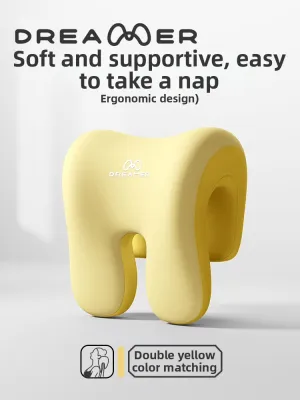
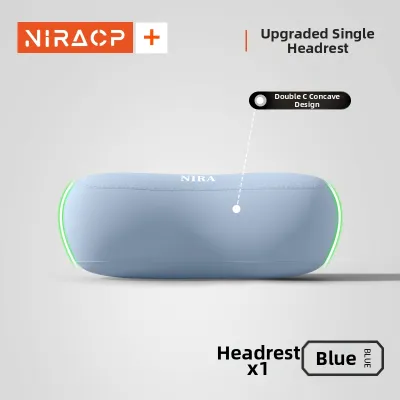
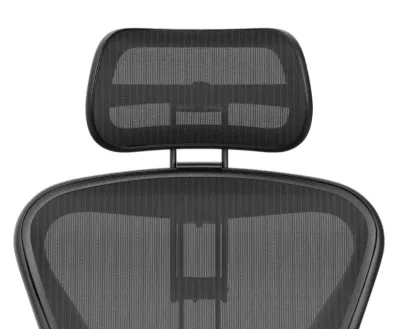
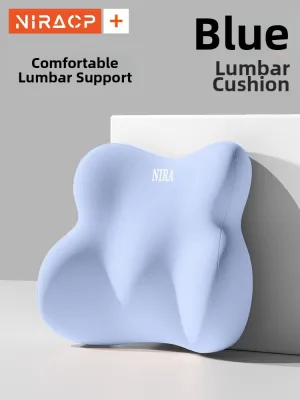
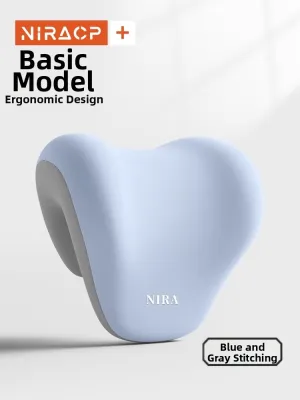
Prices are valid at publication and may change. Please refer to the product page for the latest price.
The primary ergonomic benefit of an adjustable headrest lies in its ability to maintain contact with your neck across various sitting angles. When you sit upright to type, the headrest can be pulled forward and raised to offer gentle guidance; when you recline to take a call or read a document, it can be tilted back to cradle your head without pushing your chin toward your chest. This adaptability makes adjustable designs a practical choice for individuals who experience frequent posture shifts or those who share their home office chair with family members of different heights.
However, this mechanical versatility comes with inherent trade-offs that you should carefully consider before purchasing. Multi-axis adjustability requires a complex system of hinges, sliders, and locking tension screws, which naturally introduces more points of potential mechanical wear over years of daily use. Over time, friction joints may loosen, causing the headrest to slip out of your preferred position during active movement. Additionally, chairs featuring highly adjustable headrests generally command a higher price point in local showrooms, reflecting the increased manufacturing complexity and material engineering required to ensure the joints remain secure under constant pressure.
Fixed Headrests: Consistent Support for Recline-Heavy Workflows
Fixed headrests, often integrated directly into the frame of premium ergonomic chairs, prioritize structural stability and aesthetic cohesion over individual adjustability. These designs feature a non-movable support cushion that is molded as a continuous extension of the backrest frame. Because there are no moving joints or adjustment sliders, fixed headrests offer a highly predictable and stable support surface that does not slip, rattle, or degrade in tension over time. This makes them a durable option for long-term home office use, especially in humid tropical climates where sweat and moisture can sometimes accelerate the wear of mechanical components.

From an ergonomic perspective, a fixed headrest is engineered to support the neck during specific, pre-calculated recline angles. When you lean back to contemplate a project, join a virtual meeting, or take a brief rest, the integrated headrest catches the base of your skull in a natural posture, distributing the weight of your head evenly across the upper frame. This consistent support reduces the workload on your neck muscles, allowing for deeper relaxation during breaks. The lack of moving parts also allows designers to create a seamless, minimalist aesthetic that blends effortlessly into modern home interiors without the bulky look of external brackets and adjustment knobs.
The critical limitation of a fixed headrest is its absolute reliance on a perfect physical match between the chair’s geometry and your body proportions. Because the height and depth of the headrest cannot be altered, the chair is designed around a specific target height range. If your torso is shorter or longer than the manufacturer’s baseline, the fixed headrest may press uncomfortably against your upper back or push your head forward at an awkward angle, leading to muscle strain rather than relief. Consequently, choosing a fixed headrest requires rigorous physical testing to ensure your neck naturally aligns with the built-in curve when seated.
Detachable Headrests: Versatility for Shared and Multi-Use Spaces
Detachable headrests offer a middle ground for users who want the flexibility to modify their seating configuration based on changing daily needs. These headrests are designed as separate accessories that can be mounted to or removed from the main backrest frame using clamping brackets, screws, or slide-on sleeves. This modular approach is highly practical for multi-purpose home offices in Singapore, where a chair might need to look formal and low-profile for client video calls, but transition into a fully supportive lounging chair for weekend gaming or reading.
The primary appeal of a detachable headrest is the freedom to customize the chair’s overall silhouette and functional capabilities. If you find that a headrest interferes with your shoulder movement during active, forward-leaning tasks, you can simply remove it and store it away. This versatility also extends the lifespan of your furniture; if the headrest fabric or mesh becomes worn or damaged, you can replace just the accessory rather than the entire chair. For shared households, a detachable design allows different users to attach or remove the neck support according to their personal comfort preferences.
Despite their convenience, detachable headrests often present compromises in stability and alignment compared to fully integrated systems. Because they rely on external clamping mechanisms or mounting brackets, they may exhibit slight wobbling or flexing when you lean back heavily. The connection points can also loosen over time, requiring periodic tightening with hex keys or screwdrivers to maintain a secure fit. Furthermore, aftermarket or universal detachable headrests may not align perfectly with the curvature of your specific chair frame, potentially creating pressure points or gaps that compromise the ergonomic benefits of the setup.
Comparing Headrest Designs: Which Mechanism Fits Your Needs?
To help you navigate the selection process, it is helpful to evaluate your daily habits, physical space, and household needs against a structured decision framework. No single headrest design excels in every scenario, so identifying your primary workflow is key to making the right choice.
Choose an adjustable headrest if:
- You share your home office chair with family members or housemates of varying heights, requiring quick and easy re-calibration between uses.
- Your daily routine involves frequent transitions between upright typing, active video conferencing, and deep-recline reading.
- You are willing to invest a higher budget for a highly customizable ergonomic setup that can be fine-tuned to your exact daily preferences.
Choose a fixed headrest if:
- You are the sole user of the chair and have verified in person that the built-in neck curve aligns perfectly with your cervical spine.
- Your workflow involves long periods of reclined work, and you prioritize absolute stability and a solid, wobble-free support surface.
- You prefer a clean, minimalist aesthetic with fewer visible mechanical parts and want to eliminate the risk of joint wear over time.
Choose a detachable headrest if:
- You use your home office chair for a variety of tasks, some of which require a low-profile backrest with maximum shoulder mobility.
- You want the flexibility to upgrade or modify your chair's configuration in the future without committing to a permanent headrest design.
- You are setting up a shared workspace where some users strongly prefer neck support while others find headrests distracting or uncomfortable.
Verify first if:
- You have a history of chronic neck pain, cervical spine issues, or specific medical conditions; in these cases, consult a healthcare professional before relying on any headrest for therapeutic support.
- You are exceptionally tall or short, as standard adjustment ranges or fixed heights may not accommodate your physical proportions comfortably.
- Your desk height is non-standard or fixed, as a high-profile headrest might limit how far you can tuck the chair under the desk when not in use, which is a crucial consideration for space-constrained Singaporean homes.
Essential Specifications to Verify Before Purchasing
Before finalizing your purchase from a local showroom or online retailer, verifying specific physical measurements is essential to avoid the hassle of returns or long-term physical discomfort. Start by measuring your seated cervical height. Sit comfortably in your current chair with your posture fully supported, and have someone measure the distance from the seat pan up to the curve of your neck. Compare this measurement against the manufacturer’s technical specifications for the headrest’s height range to ensure your neck falls comfortably within the adjustable or fixed zone.
Next, examine how the headrest interacts with the chair’s overall seat depth and recline tension. A headrest does not operate in isolation; its effectiveness is directly influenced by how far back you can sit and how easily the chair reclines. If the seat depth is too deep for your thighs, you will not be able to sit far back enough for your neck to reach the headrest without slouching. Similarly, if the recline tension is too stiff, you may find yourself straining to push the backrest down just to make contact with the headrest, defeating its ergonomic purpose.
Finally, always confirm the retailer’s return policies, assembly requirements, and trial periods. Because headrest comfort is highly subjective and depends on subtle variations in individual anatomy, a design that looks perfect in photos or works well for someone else may not suit your body. Opting for brands that offer home trial periods or hassle-free return windows allows you to test the chair in your actual working environment, ensuring that the headrest provides genuine support during long hours of remote work.
Frequently Asked Questions (FAQ)
Can I add an aftermarket headrest to a chair that didn't come with one?
Adding an aftermarket headrest to an existing office chair is possible, but it requires careful compatibility checks. Before purchasing an add-on accessory, inspect the top of your chair’s backrest frame to see if it has pre-drilled mounting holes or a flat, solid surface suitable for a clamping bracket. Many mesh-back chairs have delicate plastic frames that cannot support the localized pressure of a tight clamp, which could lead to cracking or tearing of the mesh material.
You should avoid drilling custom holes into your chair’s frame or modifying structural components yourself, as this will almost certainly void the manufacturer’s warranty and may compromise the overall safety of the chair. If you want to add neck support, first check with the original manufacturer of your chair to see if they offer an official, compatible headrest kit designed specifically for your model. This ensures a secure fit and preserves the structural integrity of your seating.
Does a headrest improve posture if I sit upright all day?
If you sit in a strictly upright, forward-leaning posture to type or write all day, a headrest will generally provide very little active postural correction. In a proper upright sitting position, your head should align naturally over your shoulders, meaning your neck will not make physical contact with a headrest positioned behind you. Forcing your head back to touch the headrest while typing can actually strain your eyes and neck muscles by pulling you out of a natural alignment.
Headrests are primarily designed to support the cervical spine during reclined postures, such as when you are taking phone calls, reading documents, or resting between tasks. If your daily workflow rarely involves reclining, you will benefit more from prioritizing other ergonomic features of the chair. Focus on adjusting the lumbar support, seat depth, and armrest height to maintain a healthy spinal alignment, as these components provide the foundation for comfortable upright sitting.
Community discussion
Share your experience or ask a question. Comments are reviewed before publication.