
When setting up a productive home office in Singapore, choosing the right seating is a critical decision that directly impacts physical well-being and daily productivity. The Hitomi brand has gained attention as a budget-friendly option, but how does it truly compare to the wide array of other popular office chair brands available in the local market?
Hitomi generally competes in the budget-to-mid-range segment, offering solid basic ergonomics and space-efficient designs well-suited for compact Singaporean home offices. While Hitomi provides excellent entry-level value, premium competing brands may offer superior advanced lumbar support, higher-density materials, and longer warranties. The best choice depends entirely on your budget, available floor space, and daily sitting hours, rather than declaring a single universal winner.
Hitomi’s Market Positioning and Core Appeal
Understanding where Hitomi sits in the broader office furniture landscape helps clarify what you can expect from their products. In Singapore, Hitomi primarily targets the budget-conscious consumer, with most models positioned in the entry-level price bracket. This makes them highly attractive to students, remote workers operating from HDB flats, or condominium dwellers who want functional seating without a substantial financial commitment.
Products mentioned in this guide
![[NEW LAUNCH] Hinomi Q2 Pro Ergonomic Office Chair Adjustable Lumbar Support Memory Foam Headrest Armrest Legrest](https://img.lazcdn.com/g/p/2511c0cbd726c874804f10dec73624a5.jpg_400x400q80.jpg_.webp)
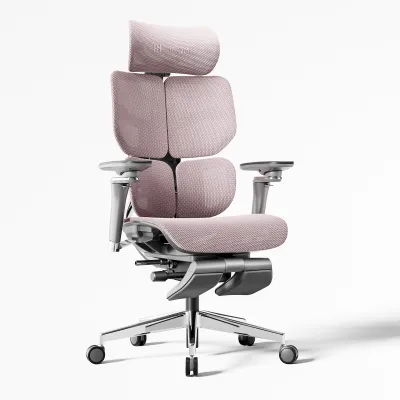
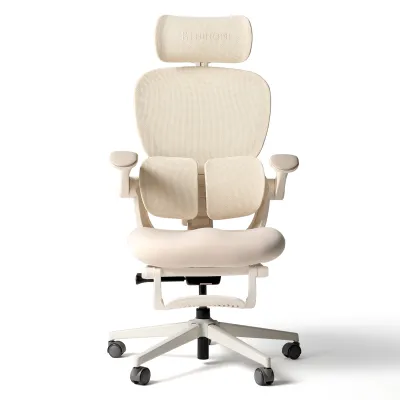
Prices are valid at publication and may change. Please refer to the product page for the latest price.
Space constraints are a defining characteristic of Singaporean residential layouts, particularly in newer Build-To-Order (BTO) flats where study rooms or dedicated work corners are often highly compact. Hitomi addresses this reality by focusing on streamlined, space-saving profiles that do not overwhelm a room visually or physically. Their chairs often feature foldable armrests or narrower bases, allowing them to tuck neatly under standard study desks when not in use.
Another core appeal of Hitomi chairs is their focus on breathable mesh options, which are highly practical for Singapore’s hot and humid tropical climate. Mesh backrests allow for passive ventilation, helping to keep you cool even during long afternoons when you prefer not to run the air conditioning. Furthermore, the brand emphasizes straightforward assembly processes, catering to buyers who prefer a quick, hassle-free setup without requiring specialized tools.
Before finalizing a purchase, buyers should always verify specific model dimensions, weight capacities, and maximum user height recommendations on the product label or official store listing. While a chair may look ideal online, checking these physical limits ensures the chair will comfortably accommodate your body frame and fit through your home’s entryways. Additionally, consider checking lift access and doorway clearances if you are ordering a fully assembled model to avoid delivery complications.
Key Comparison Dimensions for Home Office Use
To determine whether Hitomi or a competing brand is the right fit for your home office, it is helpful to break down the comparison into specific, practical dimensions. These factors directly influence how the chair performs during daily use and how well it integrates into your living space.

Ergonomics and Adjustability
Ergonomic support is the foundation of any quality office chair, as it helps maintain proper posture and reduces physical strain. Hitomi models typically offer standard adjustments, including pneumatic seat height control, tilt tension adjustment, and basic armrest mobility. These features provide a solid baseline of comfort for standard, multi-hour sitting sessions, allowing you to align the chair with your desk height and find a comfortable recline angle.
In contrast, premium ergonomic brands often incorporate highly advanced adjustability mechanisms designed for precise personalization. These premium options frequently feature 4D armrests that adjust in four directions (height, depth, width, and angle), adjustable seat depth sliders to support varying thigh lengths, and adaptive, dynamic lumbar systems that automatically shift as you move. While these advanced systems offer superior long-term support, they also come with a significantly higher price tag.
When evaluating these features, you should check the manufacturer’s specification sheet for exact recline angles, lumbar depth adjustments, and whether the headrest is fixed or adjustable. Ensuring these specifications match your desk height and personal proportions is crucial for preventing neck and shoulder strain. If you require specialized orthopedic support, a mid-tier or premium brand with dedicated lumbar customization may be a more appropriate investment.
Build Quality, Materials, and Climate Suitability
Singapore’s persistent high humidity presents a unique challenge for furniture materials, making climate suitability a primary consideration. Office chairs generally utilize mesh, polyurethane (PU) leather, or fabric upholstery, each behaving differently under local environmental conditions. Mesh is highly favored in Singapore because it does not trap heat or moisture, keeping the user dry and comfortable throughout the day.
While PU leather offers a sleek, executive aesthetic, it requires careful maintenance in humid environments. Low-grade PU leather is susceptible to hydrolysis, a process where moisture in the air causes the material to crack, peel, and flake over time. If you opt for a PU leather chair, ensuring your workspace is consistently climate-controlled or well-ventilated is essential to prolonging the material’s lifespan.
Beyond the upholstery, you must inspect the structural base materials to assess overall durability. Entry-level chairs often utilize reinforced nylon bases, which are lightweight and resistant to rust, while premium models frequently feature heavy-duty aluminum alloy or steel frames. Additionally, verify that the caster types are suitable for your specific home flooring; polyurethane-coated casters are generally recommended for protecting delicate parquet or vinyl flooring, whereas standard nylon casters work well on homogeneous tiles or carpets.
It is important to remember that material names alone do not guarantee long-term durability. To get an accurate picture of a chair’s longevity, always look for stated weight limits and the specific structural warranty coverage provided by the manufacturer. A robust warranty is often a reliable indicator of the brand’s confidence in their material quality and construction methods.
Space Efficiency and Aesthetics
Integrating an office chair into a multi-purpose living area or a small bedroom requires careful consideration of its physical footprint and visual profile. Hitomi’s design philosophy leans toward minimalist, streamlined aesthetics that blend seamlessly into modern Scandinavian, industrial, or minimalist home decors. Their compact frames prevent the workspace from looking cluttered, maintaining a sense of openness in smaller rooms.
On the other hand, many popular competing brands, particularly those specializing in gaming or high-end executive chairs, feature much bulkier profiles. While these larger chairs offer deep cushioning and high backrests, their wide bases and protruding armrests can easily dominate a room. If your home office is situated in a shared living room or a narrow hallway corner, a bulky chair can obstruct foot traffic and make the space feel cramped.
To avoid layout issues, take active measurements of your workspace before purchasing. Measure your desk’s clearance height, paying close attention to the underside of the desk frame or any under-desk drawers. This ensures the chair’s armrests can slide completely underneath when not in use, freeing up valuable floor space. Additionally, map out the room’s pathways to confirm the chair can roll and rotate freely without scraping against walls or adjacent furniture.
Price-to-Value and Warranty Considerations
Evaluating the financial aspect of your purchase involves looking beyond the initial price tag to consider delivery fees, assembly services, and the protection offered by the warranty. In Singapore, office chairs generally fall into three distinct pricing tiers: budget options under S$200, mid-tier ergonomic models ranging from S$200 to S$500, and premium investments exceeding S$500.
Hitomi positions itself comfortably within the budget to lower-mid-tier range, making it a highly accessible option for those who want decent ergonomic support without a major financial outlay. When comparing Hitomi to entry-level marketplace brands, Hitomi often provides better structural consistency and clearer assembly instructions. However, when compared to dedicated mid-tier ergonomic brands, Hitomi may lack some of the advanced adjustment mechanisms and higher-grade materials that justify a slightly higher price point.
When purchasing through online marketplaces, be sure to calculate potential hidden costs such as delivery fees and assembly charges. Some brands offer flat-pack delivery with self-assembly, which keeps costs low, while others provide professional assembly services for an additional fee of S$30 to S$50. If you prefer not to spend time assembling the chair yourself, factor these services into your overall budget comparison.
Finally, closely examine the warranty terms, as this is where premium brands often justify their higher costs. A comprehensive warranty should clearly outline what components are covered—such as the hydraulic gas lift cylinder, the tilt mechanism, the mesh fabric, and the caster wheels—and for how long. While a budget chair might offer a basic 1-year warranty, a premium model might offer 5 to 12 years of coverage, providing greater peace of mind and lower cost-per-year value over the long run.
Decision Framework: Choosing the Best Chair for Your Needs
To simplify your decision-making process, use this structured framework to match your specific household setup, physical needs, and daily habits with the right brand category.
- Choose Hitomi if: You are budget-conscious, have limited floor space, and need reliable basic ergonomic support for standard work hours (typically 3 to 5 hours a day). Its compact footprint and breathable mesh make it an excellent fit for small study corners in HDB flats or student rooms.
- Choose a Premium Competitor if: You sit for extended periods (8+ hours daily), require advanced medical-grade lumbar support to alleviate chronic back pain, or prefer the security of an extensive, multi-year structural warranty that covers heavy daily wear and tear.
- Verify first if: You have specific physical requirements, such as needing a higher weight capacity or specialized neck support, by checking the exact model specifications on the manufacturer's official store listing.
Whenever possible, take the opportunity to test chairs in person at local showrooms in Singapore before committing to an online purchase. Sitting in a chair for even fifteen minutes can reveal crucial details about how the lumbar support aligns with your spine, whether the seat cushion density suits your preferences, and if the armrests sit at a comfortable height for your typing posture.
Frequently Asked Questions (FAQ)
Are Hitomi office chairs suitable for long hours of gaming or work?
While Hitomi chairs provide adequate support for standard workdays, users who sit or game for extended, uninterrupted periods (exceeding 6 to 8 hours) may find that premium brands offer better long-term comfort. Premium models typically feature higher-density foam cushions and dynamic lumbar tracking that adapts to your movements. Regardless of the chair you choose, it is highly recommended to check the manufacturer’s recommended daily usage limits and take regular standing breaks to promote healthy circulation.
How do I maintain a mesh office chair in Singapore's humid climate?
Maintaining a mesh office chair in Singapore’s humid environment involves a few simple, low-risk cleaning steps. Regularly vacuum the mesh backrest and seat using a brush attachment to remove accumulated dust, skin flakes, and pet dander. For the frame and base, wipe them down periodically with a slightly damp microfiber cloth to remove sweat residue and prevent dust buildup. Avoid using harsh chemical cleaners, bleach, or excessive water, as these can degrade the elasticity of the mesh fibers, promote mold growth in hidden crevices, or damage metal finishes.

Community discussion
Share your experience or ask a question. Comments are reviewed before publication.