
Quick Answer: Is the Hitomi Chair Right for Your Home Office?
Choosing the right office chair in Singapore requires balancing personal comfort, budget, and the physical constraints of your residential layout. The Hitomi chair generally positions itself in the highly competitive entry-to-mid-range market, focusing on clean aesthetics and essential adjustable features. This makes it a practical consideration for homeowners seeking a functional, modern seat without the premium price tag of high-end corporate brands.
You should consider a Hitomi chair if you are working with a defined budget, have limited study space, and require standard ergonomic adjustments like seat height and tilt. However, if you require specialized medical-grade lumbar support, heavy-duty weight capacities, or highly customizable armrest configurations, exploring premium alternative brands with extensive ergonomic certifications is advisable.
Key Dimensions for Comparing Hitomi to Other Brands
Ergonomics and Adjustability
When comparing any office chair to alternative brands, the level of physical customization is the most critical factor. Standard ergonomic models should allow you to adjust the seat height so your feet rest flat on the floor with your knees at a 90-degree angle. Before purchasing, check the manufacturer’s specification sheet for the exact seat height range and compare it against your own leg length.
Products mentioned in this guide
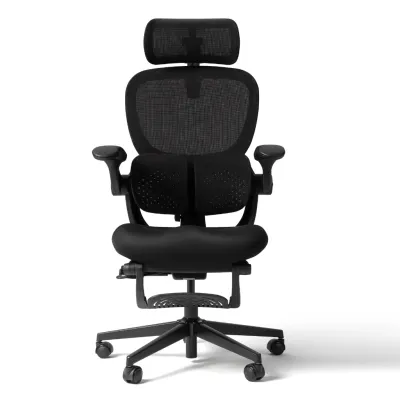
![[NEW LAUNCH] Hinomi Q2 Pro Ergonomic Office Chair Adjustable Lumbar Support Memory Foam Headrest Armrest Legrest](https://img.lazcdn.com/g/p/0b7241fcc12b459ca71f9ff200c641b3.jpg_400x400q80.jpg_.webp)
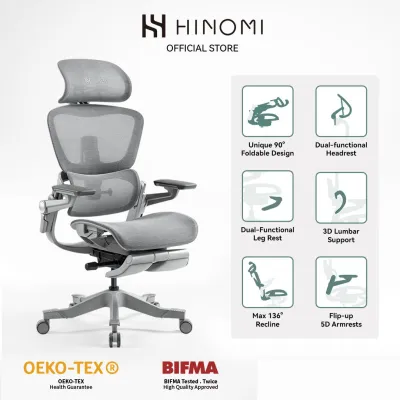
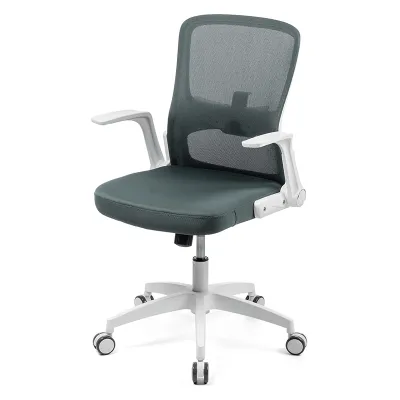
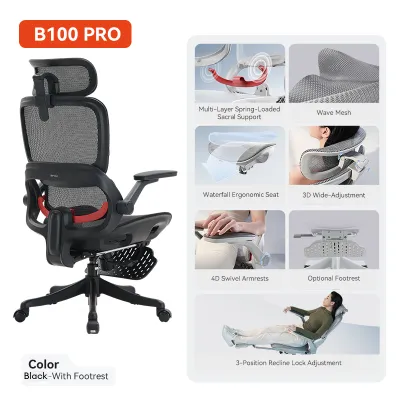
Prices are valid at publication and may change. Please refer to the product page for the latest price.

Lumbar support is another vital element to verify on the product label. Some entry-level chairs offer fixed lumbar support, which may not align with the natural curve of your spine if you are taller or shorter than average. Look for models that specify adjustable lumbar height or depth, allowing you to position the support precisely against your lower back.
Armrest adjustability also varies significantly across different price points. While basic chairs feature fixed armrests, mid-range options often provide 2D or 3D adjustments, allowing you to alter the height, angle, or depth. Verifying these dimensions ensures your elbows remain supported at a comfortable angle, reducing strain on your shoulders and neck during long typing sessions.
Build Quality, Materials, and Durability
Singapore’s warm and humid climate makes material selection a primary consideration for home office furniture. Mesh upholstery is highly favored for its breathability, as it promotes airflow and keeps you cool without relying constantly on air conditioning. If you are considering fabric or PU leather alternatives, keep in mind that these materials require regular maintenance and may wear out faster under high humidity.
The structural base of the chair directly influences its stability and lifespan. Heavy-duty nylon bases are lightweight and cost-effective, whereas polished aluminum or steel bases offer superior durability and a more premium feel. Always check the manufacturer’s stated maximum weight capacity to ensure the frame and gas lift can safely support your body weight over years of daily use.
Caster wheels are another component that requires careful verification based on your home flooring. Hard nylon casters are ideal for carpeted areas but can scratch parquet, laminate, or vinyl flooring. If your home office has hard floors, look for chairs equipped with polyurethane-coated or rubber casters, or plan to purchase a protective floor mat to prevent surface damage.
Space Constraints and Home Aesthetics
Residential spaces in Singapore, particularly HDB flats and condominiums, often require furniture with a compact footprint. Before committing to a purchase, measure your designated study corner carefully. You need to account not only for the static width of the chair but also for the clearance required to recline, swivel, and roll back comfortably from your desk.
Corporate office chairs are often bulky and visually dominant, which can disrupt the cozy aesthetic of a residential bedroom or living room. Many home-focused brands design chairs with slimmer profiles, lighter color palettes, and minimalist frames that blend seamlessly into modern home decor. Compare the visual weight of the chair to ensure it complements your existing interior design.
Finally, verify the delivery and assembly dimensions. Some chairs are delivered fully assembled, which requires checking if the package can fit through your doorway, hallway, or lift access. If the chair requires self-assembly, ensure the package includes clear instructions and all necessary tools, or check if the retailer offers professional assembly services upon delivery.
Evaluating Price and Value for Home Use
To determine whether a chair offers genuine value, you must look beyond the initial purchase price and calculate the total cost of ownership. Some budget-friendly chairs on online marketplaces appear highly attractive initially but may incur additional fees for delivery, assembly, or staircase delivery if your building lacks lift access. Always factor these potential surcharges into your final budget comparison.
Warranty coverage is a strong indicator of a manufacturer’s confidence in their product’s durability. While premium brands often offer warranties spanning five to ten years, budget models may only provide a six-month or one-year warranty. A slightly more expensive chair with a comprehensive multi-year warranty often represents better long-term value than a cheaper model that may require replacement after a short period.
It is also wise to check the availability of replacement parts, such as gas lifts, casters, or armrest pads. Brands that maintain a local presence or dedicated customer service in Singapore make it much easier to source replacement components if a single part wears out. This prevents you from having to dispose of an otherwise perfectly functional chair due to a minor component failure.
Avoid making a decision based solely on promotional discounts or limited-time sales campaigns. Instead, compare the baseline specifications, material certifications, and warranty terms of the chair against competing models in the same price bracket. This systematic approach ensures you pay for actual structural quality and functional features rather than marketing hype.
How to Verify Fit and Comfort Before Committing
Because comfort is entirely subjective, relying solely on online specifications and user reviews can be risky. If possible, visit physical showrooms or authorized retail partners in Singapore to test the chairs in person. Spending fifteen to twenty minutes sitting in a chair, adjusting the settings, and mimicking your typical working posture will provide a much clearer picture of its suitability than any spec sheet.
If you must purchase online, pay close attention to the retailer’s return policy and trial period conditions. Some brands offer a risk-free trial period of a few days or weeks, allowing you to test the chair in your actual home environment. However, you must verify if there are restocking fees, return shipping charges, or strict requirements regarding the preservation of the original packaging.
Once your new chair arrives, use the first few days to run through a practical home testing checklist:
- Pressure Points: Check if the front edge of the seat cushion presses uncomfortably against the back of your knees, which can restrict blood circulation.
- Ease of Reach: Ensure you can easily reach and operate all adjustment levers and tension knobs while sitting in a natural upright position.
- Noise and Movement: Listen for any squeaks or creaks when you recline or swivel, and verify that the casters glide smoothly across your floor without resistance.
Decision Framework: Choosing Between Hitomi and Alternatives
To finalize your decision, align your specific household needs and physical requirements with the following practical guidelines.
Choose Hitomi if:
- Your home office setup is located in a compact area where a bulky corporate chair would obstruct movement.
- You are looking for a modern, minimalist design that coordinates easily with residential home decor.
- Your budget is firmly set in the entry-to-mid-range bracket, and you only require standard adjustable features for moderate daily use.
Choose an alternative brand if:
- You require specialized, certified ergonomic support to manage chronic back pain or specific orthopedic conditions.
- Your body proportions or weight require a heavy-duty frame with higher weight capacities and wider seat dimensions.
- You prefer premium materials such as polished aluminum bases, high-density molded foam, or advanced synchronous tilt mechanisms.
Verify first if:
- The chair's minimum and maximum armrest heights will allow it to slide completely under your existing desk when not in use.
- The retailer provides reliable local warranty support and clear assembly instructions for home setup.
- The caster wheels provided are compatible with your specific flooring material to avoid permanent scratches.
Frequently Asked Questions (FAQ)
Do I need a specialized ergonomic chair for a home setup, or will a standard task chair work?
Whether you need a specialized ergonomic chair depends primarily on your daily usage hours and physical comfort. Standard task chairs are designed for short-duration sitting and typically offer minimal adjustments, which can lead to poor posture and discomfort during long working sessions. If you work from home for four or more hours a day, an ergonomic chair with adjustable lumbar support and seat height is highly recommended to maintain proper spinal alignment and reduce physical fatigue.
How do I know if an office chair will fit properly under my home desk?
To ensure a proper fit, measure the distance from the floor to the underside of your desk frame, taking into account any drawer units, keyboard trays, or support beams. Compare this measurement to the maximum height of the chair’s armrests and seat cushion. Ideally, the armrests should be able to slide under the desk surface when the chair is not in use, allowing you to push the chair in fully and save valuable floor space in your room.

Community discussion
Share your experience or ask a question. Comments are reviewed before publication.