
Direct Answer: Evaluating Hinomi for Your Home Office
When setting up a productive home office, selecting the right seating is one of the most critical decisions you will make. Hinomi has established a distinct presence in the mid-range ergonomic chair market, positioning itself as a feature-rich alternative to both high-end heritage brands and basic entry-level office chairs. While premium legacy brands often require a substantial financial investment, and budget models frequently compromise on adjustability, Hinomi aims to bridge this gap by offering highly customizable designs at a more accessible price point.
To determine if a Hinomi chair fits your specific setup, you must evaluate several personal factors, including your daily sitting hours, specific postural requirements, and budget constraints. Because individual comfort is highly subjective, it is essential to verify exact model specifications, dimensions, and current stock availability on official brand stores or authorized e-commerce platforms before making a final decision.
Build Quality: How to Inspect Materials and Construction
Evaluating the build quality of an ergonomic chair requires looking beyond aesthetic appeal to inspect the physical components that ensure long-term stability and support. When comparing Hinomi to other brands, the materials used in the frame, base, and seating surface serve as primary indicators of durability.
Products mentioned in this guide
![[NEW LAUNCH] Hinomi Q2 Pro Ergonomic Office Chair Adjustable Lumbar Support Memory Foam Headrest Armrest Legrest](https://img.lazcdn.com/g/p/0b7241fcc12b459ca71f9ff200c641b3.jpg_400x400q80.jpg_.webp)
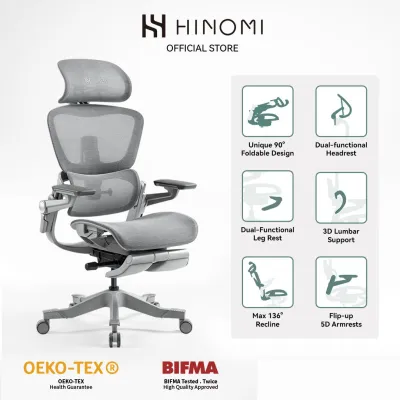
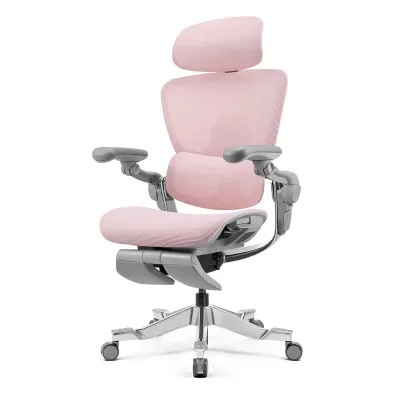
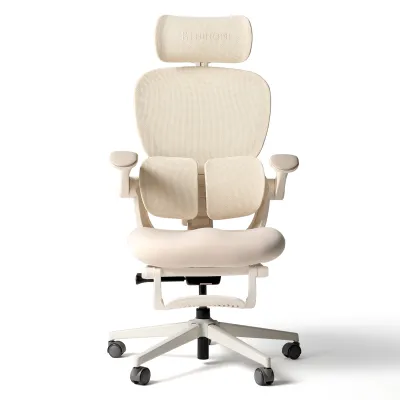
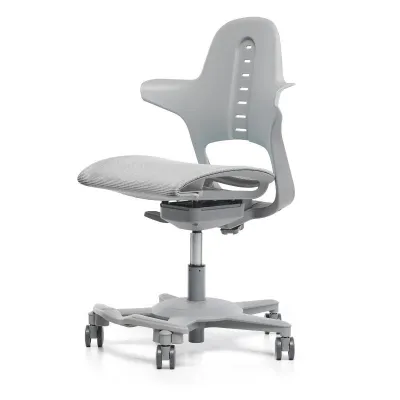
Prices are valid at publication and may change. Please refer to the product page for the latest price.

Frame and Base Materials The foundation of any reliable office chair is its base and structural frame. High-quality ergonomic chairs typically feature bases made from either polished aluminum alloy or heavy-duty reinforced nylon. Aluminum bases offer superior structural rigidity and a premium feel, whereas reinforced nylon bases provide a lighter, more flexible alternative that remains highly durable. When browsing models, check the manufacturer’s product labels and technical specifications to confirm the base material and its certified weight capacity.
Seat and Backrest Materials The choice of upholstery directly impacts both daily comfort and wear resistance. Many modern ergonomic chairs, including several Hinomi models, utilize mesh for the backrest and seat. When inspecting mesh, look for high-tensile woven patterns that resist sagging over time. Some competing brands opt for high-density molded foam seats covered in fabric or leather. Molded foam provides a more traditional, cushioned feel and distributes body weight evenly, but it lacks the ventilation of mesh. You should verify the density ratings of foam seats or the tension specifications of mesh surfaces to ensure they align with your comfort preferences.
Weight Capacity Limits A chair’s structural integrity is directly tied to its maximum load rating. Never rely on general category assumptions when determining whether a chair can safely support your body weight. Always locate the official specification sheet provided by the manufacturer to verify the maximum weight capacity. This rating is particularly important for ensuring the longevity of the gas lift cylinder, which is the component most susceptible to wear under heavy daily use.
Adjustability: Matching Ergonomic Features to Your Posture
The primary goal of an ergonomic chair is to support your body in a neutral posture, reducing strain on your spine, neck, and shoulders. To achieve this, a chair must offer a high degree of adjustability to accommodate your unique physical proportions.
Lumbar Support Mechanisms Your lower back requires consistent support to maintain its natural inward curve. Ergonomic chairs approach lumbar support in several ways:
- Fixed Lumbar Support: Offers a static curve that cannot be adjusted. This is common in budget models and may not align correctly with your spine.
- Height-Adjustable Lumbar Support: Allows you to slide the support pad up or down to target the exact curve of your lower back.
- Depth-Adjustable Lumbar Support: Enables you to control how firmly the support presses against your spine.
- Dynamic Lumbar Support: Automatically adjusts its angle and depth as you shift positions. Many Hinomi models feature highly prominent, multi-segmented lumbar systems designed to adapt to your movements.
Armrest Adjustability Proper armrest positioning prevents shoulder strain and helps you maintain a comfortable typing angle. Armrests are typically categorized by their degrees of freedom:
- 1D and 2D Armrests: Offer basic height and sometimes width adjustments.
- 3D and 4D Armrests: Allow you to adjust height, width, depth (forward and backward), and angle (pivot).
When comparing chairs, measure your desk’s clearance height. Highly adjustable armrests are crucial because they allow you to slide the chair close to your desk, ensuring your elbows remain at a relaxed 90-degree angle while typing.
Recline and Tilt Tension A static sitting posture can lead to fatigue and stiffness. Look for chairs equipped with a multi-tilt mechanism or a synchro-tilt system, where the backrest reclines at a greater ratio than the seat, keeping your feet flat on the floor. A tension adjustment knob is also vital; it allows you to customize the resistance of the recline to match your body weight, ensuring you do not feel like you are falling backward or struggling to push the chair down.
Pricing and Value: Comparing Costs and Warranty Coverage
Investing in an ergonomic chair requires balancing upfront costs against long-term value. Understanding where Hinomi sits in the broader market pricing spectrum will help you set realistic expectations.
Price Tier Positioning The ergonomic chair market is generally divided into three distinct pricing tiers:
- Budget Tier (Under S$300): Typically offers basic height adjustments, nylon frames, and standard foam seating. These are suitable for short-duration use.
- Mid-Range Tier (S$300 to S$900): This is where Hinomi primarily operates. Chairs in this segment offer advanced adjustability, high-quality mesh or molded foam, and robust warranty options.
- Premium Tier (S$1,000 and above): Dominated by heritage brands, these chairs feature highly engineered materials, extensive research-backed designs, and premium build finishes.
Warranty Coverage Differences A long warranty period is a strong indicator of a manufacturer’s confidence in their product’s durability. When comparing brands, do not just look at the headline warranty duration (such as 5, 10, or 12 years). Read the fine print to understand what is actually covered. Often, the structural frame and base carry a long warranty, while moving parts like the gas lift, armrest mechanisms, and mesh upholstery may have much shorter coverage periods.
Return Policies Because you cannot fully evaluate a chair’s comfort without sitting in it for several days, a flexible return policy is highly valuable. Check if the brand offers a home trial period. Be sure to verify who covers the return shipping costs for bulky furniture items and whether any restocking fees apply, as these charges can significantly impact the overall value proposition.
Home Office Setup: Space, Flooring, and Assembly Checks
Before finalizing your purchase, you must ensure the chair is compatible with your physical home environment. A chair that is too large or incompatible with your flooring can cause unnecessary frustration.
Footprint and Clearance Measure your dedicated workspace carefully before ordering. Consider the chair’s maximum width (including armrests) and depth when fully reclined. In compact home offices, a chair with a wide base may struggle to slide fully under your desk, taking up valuable floor space when not in use. Ensure there is adequate clearance behind the chair so you do not strike walls, bookshelves, or other furniture when reclining.
Caster Compatibility The wheels, or casters, on your chair must match your flooring type to ensure smooth movement and prevent damage:
- Hard Floor Casters: Typically coated in soft polyurethane or rubber, these prevent scratching on hardwood, laminate, or vinyl floors.
- Carpet Casters: Made of hard plastic, these are designed to glide easily over carpet fibers without snagging.
Check whether the chair comes standard with multi-surface casters or if you need to purchase floor-specific wheels separately.
Delivery and Assembly Ergonomic chairs are heavy, bulky items. If you live in an apartment, check the package dimensions against your building’s lift and doorway clearances. Additionally, verify whether the chair arrives fully assembled or requires self-assembly. If self-assembly is required, review the manufacturer’s instructions online to ensure you have the necessary tools and physical capability to complete the setup safely.
Decision Framework: Choosing the Right Brand for You
To make your final decision, align your specific home office priorities with the strengths of each market tier.
When to Choose Hinomi Consider a Hinomi chair if you want a highly adjustable, modern-looking ergonomic chair with advanced lumbar support but want to keep your budget within the mid-range S$ pricing tier. It is an excellent choice for users who spend long hours at their desks and appreciate the ability to fine-tune multiple components, such as the headrest, armrests, and backrest height, without paying the premium price of heritage brands.
When to Choose a Premium Heritage Brand Opt for a premium heritage brand if you view your chair as a long-term, decade-plus investment. These brands are ideal if you require highly specialized ergonomic engineering, extensive multi-year warranties that cover all components unconditionally, and a proven track record of durability in demanding corporate environments.
When to Choose a Budget Alternative A budget alternative is highly suitable if you are furnishing a temporary workspace, a guest room, or a home office that you only use occasionally for short periods. If you do not require advanced adjustability or specialized lumbar support, a simpler, lower-cost model will easily meet your basic seating needs.
Note: If you suffer from chronic back pain, spinal conditions, or require specialized therapeutic seating, always consult a medical professional or physical therapist before purchasing an ergonomic chair to ensure the model supports your specific medical needs.
Frequently Asked Questions (FAQ)
How do I test an ergonomic chair's lumbar support before buying online?
When purchasing a chair online without the opportunity for a physical showroom test, start by thoroughly reviewing the manufacturer’s detailed adjustability specifications. Look for models that offer both height and depth adjustments for the lumbar support, as this increases the likelihood of achieving a proper fit. Additionally, prioritize brands that offer risk-free home trial periods, allowing you to test the chair’s support in your actual working environment for several days and return it if it does not suit your posture.
Are mesh seats better than foam for home offices in warm climates?
In warm or humid climates, mesh seats offer a distinct advantage by promoting continuous airflow, which helps regulate your body temperature and prevents heat buildup during long working sessions. However, mesh requires high-quality tensioning to remain supportive over time. High-density foam seats do not breathe as well but offer a more cushioned, traditional feel and highly consistent weight distribution. If you choose foam in a warm climate, look for breathable fabric covers and consider your room’s air conditioning setup.
Community discussion
Share your experience or ask a question. Comments are reviewed before publication.