
Selecting the ideal ergonomic chair for a home office is a highly individual decision. The best chair for your setup depends entirely on your unique body measurements, daily sitting habits, and desk configuration. There is no single, unverified winner that suits every user perfectly.
The Hinomi Q2 occupies a prominent position in the mid-to-premium mid-range ergonomic chair market. It is widely recognized for its highly adjustable components, such as multi-angle armrests and a split backrest design, which are features often reserved for higher-priced models.
This chair is a strong candidate if you prioritize highly customizable armrest positions, dynamic lumbar support, and a breathable mesh design tailored for long working sessions. However, you may want to explore alternative options if your setup requires a traditional, plush foam seat cushion, a wide and flat seat pan that accommodates cross-legged sitting, or a simplified set of adjustments that do not require fine-tuning.
Products mentioned in this guide
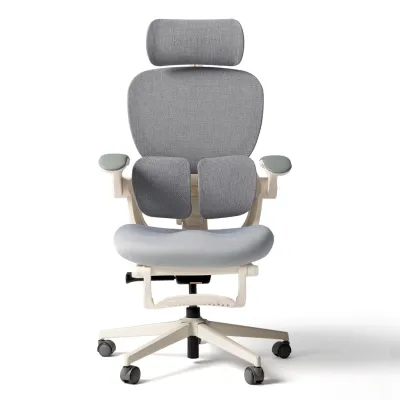
![[NEW LAUNCH] Hinomi Q2 Pro Ergonomic Office Chair Adjustable Lumbar Support Memory Foam Headrest Armrest Legrest](https://img.lazcdn.com/g/p/2511c0cbd726c874804f10dec73624a5.jpg_400x400q80.jpg_.webp)
Prices are valid at publication and may change. Please refer to the product page for the latest price.
Defining the Comparison: The Hinomi Q2 and Its Market Tier
In Singapore, the mid-to-premium mid-range ergonomic chair segment generally spans from S$400 to S$800. This tier is highly competitive, filled with options designed to bridge the gap between basic office task chairs and high-end luxury models. Within this price bracket, buyers expect a significant step up in adjustability, material quality, and long-term durability.
The Hinomi Q2 faces competition from two primary categories of chairs. The first category includes direct-to-consumer (DTC) ergonomic brands that focus heavily on mesh construction and highly adjustable lumbar systems. The second category comprises gaming-ergonomic hybrids, which offer robust frame designs and high backrests but sometimes sacrifice fine-grained ergonomic adjustments in favor of sporty aesthetics.
To evaluate value within this market tier, you must look beyond brand marketing and focus on three objective criteria:
- Adjustability Range: The ability to customize seat depth, backrest height, armrest angles, and headrest positions to match your body proportions.
- Material Breathability: The performance of the seat and backrest materials in Singapore's warm, humid tropical climate.
- After-Sales Support: The length of the warranty, the specific components covered, and the accessibility of local customer service.
Because prices, promotional bundles, and stock levels fluctuate frequently, you should always verify current retail pricing and delivery terms directly on the official brand websites or through authorized local distributors before making a final decision.
Core Ergonomic Features: What to Compare and Verify
Ergonomic comfort is not defined by a single feature. Instead, it is the result of multiple adjustable zones working in harmony to support your natural posture throughout the day. When comparing the Hinomi Q2 to its competitors, you must examine how each critical zone performs and how to verify these specifications against your own physical needs.

Lumbar Support and Backrest Alignment
Your lumbar spine has a natural inward curve that requires consistent support to prevent slouching and muscle fatigue. The Hinomi Q2 utilizes a distinctive dual-part backrest design, where the lower lumbar section is separated from the upper backrest. This design aims to provide dynamic tracking, meaning the support shifts slightly as you micro-adjust your posture while working.
In contrast, many traditional competitors in this price range use a single-piece backrest with a manual, height-adjustable lumbar pad. A manual pad offers a firm, localized point of pressure, whereas a split backrest distributes support across a wider area of the lower back.
To determine which approach suits you, check the manufacturer’s specified height range for the backrest. If you are exceptionally tall or short, verify whether the upper backrest can be raised or lowered independently of the seat pan. If the lumbar curve does not align precisely with your lower back, a split-back design can inadvertently press against your thoracic spine, causing discomfort rather than relief.
Armrests and Desk Clearance
Multi-directional armrests are essential for reducing strain on your neck, shoulders, and upper back. They allow you to rest your forearms comfortably while keeping your elbows close to your body, whether you are typing, reading, or using a mobile device.
The Hinomi Q2 is notable for its highly adjustable armrests, which often feature wide-angle rotation, height adjustment, and forward-backward sliding capabilities. This level of adjustability allows you to pivot the armrests inward to support your arms when holding a phone or tablet, or push them outward when you need more space.
When comparing these to competing chairs, which may only offer standard 3D or 4D armrests, pay close attention to the lock mechanism. Armrests that pivot too easily without a locking button can slide out of place when you push off the chair to stand up.
Additionally, measure the height of your desk from the floor to the underside of the tabletop. Compare this measurement with the chair’s maximum and minimum armrest heights. You must ensure the armrests can slide cleanly underneath your desk when the chair is pushed in, allowing you to sit close enough to your keyboard without hunching forward.
Recline Tension and Locking Mechanisms
Dynamic sitting—the ability to shift from an upright typing posture to a relaxed, reclined position—is crucial for maintaining spinal health during long workdays. The tilt mechanism of a chair controls how smoothly you can recline and how securely the chair supports you when tilted.
Some chairs in this price bracket use weight-activated tilt mechanisms that automatically adjust the recline tension based on your body weight. Others, including the Hinomi Q2, typically offer manual tension controls, allowing you to dial in the exact resistance you prefer using a knob or lever.
Verify the maximum recline angle of any chair you consider, which generally ranges from 120 to 135 degrees. Check the number of lockable tilt positions as well. If you plan to use your chair for reading or brief rest periods, a wider recline angle with multiple locking points is highly beneficial. If you primarily sit upright, a simpler mechanism with a standard upright lock may suffice.
Materials and Build: Evaluating Comfort in a Tropical Climate
Singapore’s tropical climate, characterized by high humidity and warm ambient temperatures, makes material selection a primary comfort factor. If you work in a space that is not continuously air-conditioned, a chair that retains body heat can quickly become uncomfortable.
Full-mesh chairs, like the Hinomi Q2 and several of its direct competitors, offer excellent breathability. The open weave of the mesh allows air to circulate freely behind your back and beneath your thighs, preventing heat and moisture buildup. However, not all mesh is created equal.
When evaluating a mesh chair, look for specifications detailing the mesh composition. High-quality elastomeric mesh is designed to retain its tension over years of use, whereas lower-grade mesh may begin to sag, causing your body to contact the hard plastic or metal frame beneath.
Conversely, some competitors feature high-density foam seat cushions paired with mesh backrests. Foam cushions offer excellent initial pressure distribution and a plush feel, but they can trap heat over time. If you prefer a foam seat, check if the manufacturer uses breathable fabric covers or cooling gel infusions to mitigate heat retention.
To assess the overall build quality and longevity of a chair, use the following verification checklist:
- Base Material: Verify if the five-star base is made of reinforced nylon, steel, or polished aluminum. Aluminum bases generally offer superior structural stability and a higher weight capacity.
- Gas Lift Class: Ensure the pneumatic gas lift is certified as Class 4, which is the industry standard for durability and smooth height adjustments under heavy loads.
- Weight Capacity: Check the manufacturer's certified weight limit (typically ranging from 120kg to 150kg) to ensure it accommodates your needs safely.
- Warranty Terms: Compare the warranty duration and coverage. A brand offering a long warranty (e.g., 5 to 10 years) on structural components, while limiting moving parts or mesh to 2 to 3 years, is common. Verify whether local warranty claims require you to transport the chair to a service center or if the brand provides on-site replacement parts.
Home Office Fit: Space, Aesthetics, and Practical Setup
An ergonomic chair must fit your physical body, but it must also fit the physical constraints of your home. Many residential spaces in Singapore, such as HDB flats and condominiums, feature compact study rooms or multi-purpose bedrooms where floor space is limited.
Before purchasing, measure your available floor space carefully. Take note of the chair’s maximum base diameter, which usually ranges between 65cm and 70cm. Ensure you have sufficient clearance behind your desk to recline fully without striking wardrobe doors, bed frames, or walls.
Consider the visual footprint of the chair as well. The Hinomi Q2 features a relatively sleek, modern aesthetic and is often available in multiple colorways, allowing it to blend naturally with contemporary home decor. Bulkier, dark-colored gaming chairs can visually dominate a small room, making the space feel cramped.
Assembly and delivery are practical details that can significantly impact your experience. Ergonomic chairs are heavy, complex items. When ordering, check the following details:
- Delivery State: Clarify whether the chair arrives fully assembled, partially assembled in a large box, or flat-packed.
- Assembly Services: Verify if the local delivery service includes professional on-site assembly and the removal of bulky packaging materials.
- Access Requirements: If you live in a multi-story building, ensure the delivery box dimensions can pass cleanly through your front door, hallway, and passenger lift.
If you choose to assemble the chair yourself, ensure the manufacturer provides clear, illustrated instructions and all necessary tools, such as heavy-duty Allen keys, in the box.
The Final Verdict: Which Chair Matches Your Work Style?
To make your final decision, align the unique features of the Hinomi Q2 and its competitors with your daily work habits, physical proportions, and home environment.
Choose the Hinomi Q2 if:
- You want highly versatile, multi-angle armrests that can pivot inward to support your arms while using mobile devices or reading.
- You prefer a split-backrest design that offers dynamic, targeted lumbar support that shifts as you move.
- You require a highly breathable, full-mesh construction to stay cool in a warm, humid room.
- You prefer a modern, sleek aesthetic with color options that complement your home interior.
Choose a competing alternative if:
- You prefer the plush, uniform support of a thick, high-density foam seat cushion over the suspension feel of a mesh seat.
- You require a wide, completely flat seat pan that allows you to sit cross-legged or shift your seating position extensively.
- You prefer a traditional, single-piece backrest with a firm, manually adjusted lumbar support pad.
- Your budget is strictly entry-level, and you do not require advanced, multi-dimensional adjustment features.
Verify first if:
- You can visit a local showroom or experience center in Singapore to physically test the chair's mesh tension and backrest height.
- The chair's armrest height range aligns perfectly with the height of your existing desk.
- You fully understand the seller's return policy, including potential restocking fees, return shipping costs, and the required condition of the returned item.
Frequently Asked Questions (FAQ)
Is the Hinomi Q2 suitable for taller or heavier individuals?
To determine suitability, you must check the manufacturer’s official height and weight recommendations. Taller users should verify that the seat depth adjustment range allows for proper thigh support without pressing against the back of the knees. Heavier individuals should confirm the base is made of reinforced aluminum and that the gas lift is rated Class 4 to ensure long-term stability.
How does the warranty for the Hinomi Q2 compare to other brands in Singapore?
Warranties in the mid-to-premium price tier typically range from 3 to 12 years. However, coverage is often split: the structural frame may carry a long warranty, while the mesh, gas lift, and armrest mechanisms may have shorter coverage. Always verify whether local authorized dealers handle claims directly and whether they ship replacement parts for self-installation or provide on-site repair services.
Can I test the Hinomi Q2 before purchasing?
Yes, you should check for local showrooms or experience centers in Singapore where you can physically test the chair. If you choose to purchase online without testing, carefully review the return policy. Some brands offer trial periods but may charge restocking fees, require you to pay for return shipping, or demand that the chair be returned in its original, undamaged packaging.

Community discussion
Share your experience or ask a question. Comments are reviewed before publication.