
Quick Answer: Is the Hinomi H1 Pro the Right Premium Chair for You?
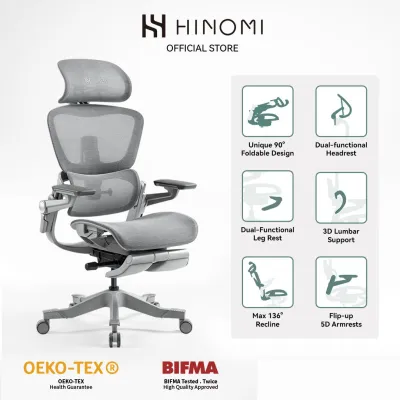
The Hinomi H1 Pro is designed for users seeking highly adjustable, multi-segmented ergonomic support, particularly those who prioritize customizable lumbar pressure and flexible armrests. This chair suits individuals who spend long hours working in Singapore’s warm climate, where breathable mesh seating is highly desirable.
However, if you prefer plush, traditional foam upholstery, require a highly simplified adjustment mechanism, or fall outside standard height and weight ranges, a competing premium chair may serve you better. Because comfort is highly subjective, your final decision should always involve verifying current retailer specifications, checking local stock, and conducting a personal seating test whenever possible.
Core Ergonomic Features and Adjustability Compared
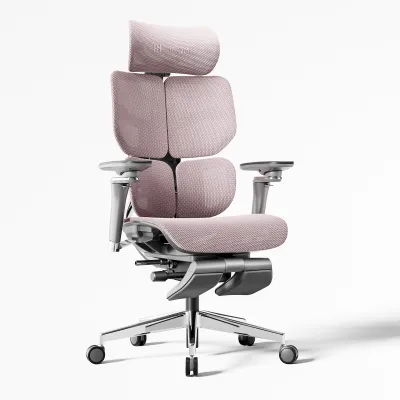
Evaluating a premium ergonomic chair requires looking closely at how its individual components adapt to your body. The lumbar support system is a primary point of comparison. Some chairs, like the Hinomi H1 Pro, feature a prominent, independent lumbar panel designed to apply direct pressure to the lower back. When comparing this to other premium options, check whether the lumbar section offers independent height and depth adjustments, or if it relies on a dynamic, self-adjusting tension system that responds automatically to your body weight.
Products mentioned in this guide
![[NEW LAUNCH] Hinomi Q2 Pro Ergonomic Office Chair Adjustable Lumbar Support Memory Foam Headrest Armrest Legrest](https://img.lazcdn.com/g/p/0b7241fcc12b459ca71f9ff200c641b3.jpg_400x400q80.jpg_.webp)
Prices are valid at publication and may change. Please refer to the product page for the latest price.

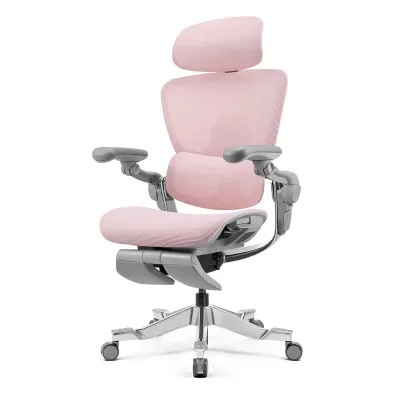
Armrest adjustability is another critical factor for maintaining neutral shoulder and neck posture. Look for multi-directional adjustments, often referred to as 3D, 4D, or 5D armrests. You should verify whether the armrests can adjust for height, slide forward and backward, pivot inward and outward, and adjust in width to match your shoulder span. This flexibility ensures your elbows remain supported at a comfortable angle relative to your desk surface, preventing strain during long typing sessions.
The recline and tilt tension mechanism dictates how smoothly the chair moves with you. When reviewing product specification sheets, look for a synchro-tilt mechanism, which allows the backrest to recline at a faster rate than the seat pan, keeping your feet flat on the floor. Check the number of lockable recline positions and whether the tilt tension can be adjusted to match your body weight, ensuring you do not feel like you are falling backward or struggling to push back.
Finally, assess the headrest and seat depth adjustability. A seat slide function is essential for accommodating different thigh lengths; you should be able to adjust the seat depth so that there is a small gap between the front edge of the seat and the back of your knees. For the headrest, verify the height and tilt range to ensure it supports your cervical spine without pushing your head forward awkwardly.
Build Quality, Materials, and Durability Checks
Assessing the physical construction of a premium chair ensures your investment lasts for years. In Singapore’s humid climate, mesh is a popular choice for both the seat and backrest due to its superior breathability. However, not all mesh is created equal. When comparing chairs, check the manufacturer’s care labels and specifications for details on the mesh weave tension and sagging resistance. High-quality elastomeric mesh maintains its shape over time, whereas lower-grade alternatives may stretch, leading to poor posture support.
The frame and base materials directly influence the overall stability and lifespan of the chair. Look for models that utilize heavy-duty materials such as polished aluminum or reinforced nylon in the base and back frame. A solid metal base provides a lower center of gravity, reducing the risk of tipping when fully reclined. Avoid chairs that rely heavily on thin, unreinforced plastics in high-stress joint areas.
Weight capacity and safety certifications offer objective indicators of build quality. Before purchasing, locate the official maximum weight limit specified by the manufacturer. Additionally, look for industry-standard certifications such as BIFMA (Business and Institutional Furniture Manufacturers Association) or TÜV, which indicate the chair has undergone rigorous testing for structural integrity, durability, and safety.
Casters and floor compatibility are often overlooked but crucial for protecting your home or office flooring. Standard hard nylon casters are suitable for carpeted floors but can scratch hardwood, vinyl, or laminate surfaces. If you have hard flooring, check if the manufacturer offers soft polyurethane (PU) casters, or plan to purchase a protective floor mat to prevent surface wear and reduce rolling noise.
Sizing, Space, and Setup Requirements
Before committing to a premium chair like the Hinomi H1 Pro, you must ensure it physically fits both your body and your workspace. Start by measuring your desk height and the clearance underneath. Some ergonomic chairs feature high armrests or bulky frames that may not slide fully under your desk when not in use, which can restrict valuable floor space in compact Singaporean apartments.
Seat dimensions must align with your body proportions to provide adequate support. Compare the seat width and depth specifications against your own measurements. The seat should be wide enough to allow comfortable movement without pressing against your outer thighs, and the depth must support your thighs fully without putting pressure on the back of your knees, which can restrict blood circulation.
Assembly conditions are another practical consideration, especially if you live in a high-rise apartment with limited assembly space. Review the product manual to understand the package weight and the tools required for setup. Many premium chairs arrive partially assembled in large, heavy boxes that may require two people to lift safely. Verify whether the retailer offers professional assembly services upon delivery, or if you will need to manage the setup yourself using the provided hex keys and instructions.
Price-to-Value Assessment and Warranty Considerations
When investing in a premium ergonomic chair, evaluating the price-to-value ratio requires looking beyond the initial purchase price. In Singapore, premium chairs generally range from mid-tier options priced around S$400 to S$800, up to high-end luxury models exceeding S$1,500. Position the Hinomi H1 Pro within this spectrum by checking current retailer listings, keeping in mind that a higher upfront cost can be justified if the chair offers superior adjustability and a longer lifespan.
Warranty coverage is a critical component of long-term value. Carefully read the warranty terms, as manufacturers often apply different coverage periods to different parts of the chair. For instance, a brand might offer a 10-year warranty on the structural frame, but only a 3-year or 5-year warranty on moving parts like the gas lift, tilt mechanism, and mesh fabric. Ensure you understand what is covered and how to initiate a claim locally.
Return policies and trial periods provide peace of mind, especially when buying online without a prior showroom test. Check the seller’s return conditions to see if they offer a risk-free trial period. Be sure to verify who covers the return shipping costs, whether the original packaging must be preserved, and if any restocking fees apply, as these details can significantly impact your financial risk.
Decision Framework: Which Chair Fits Your Work Setup?
To finalize your decision, apply a structured framework based on your specific work setup and physical needs. Consider the Hinomi H1 Pro if you require highly customizable, multi-segmented lumbar support, prefer a breathable mesh design for a warm environment, and want a high degree of adjustability within a mid-to-high premium price bracket. This option is well-suited for users who actively adjust their seating posture throughout the day.
Conversely, you should look at competing premium chairs if you prefer a traditional, cushioned seat pan with fabric or leather upholstery, or if you favor a minimalist design with fewer manual adjustment levers. Competitors may also be preferable if you require specialized orthopedic support certified by local medical associations, or if you fall outside the standard height and weight recommendations of the H1 Pro.
Before making any purchase, always verify your specific constraints. If you have pre-existing back injuries or medical conditions, consult a healthcare professional for personalized seating recommendations. Additionally, measure your desk height, check the weight capacity limits, and confirm the return policy terms to ensure your chosen chair integrates seamlessly into your daily routine.
Frequently Asked Questions (FAQ)
How do I clean and maintain the mesh material on a premium ergonomic chair?
To maintain the tension and cleanliness of your mesh chair, always consult the manufacturer’s care label or instruction manual first. For general maintenance, use a vacuum cleaner with a soft brush attachment once a week to remove dust and debris from the mesh pores. If spills occur, gently blot the area with a damp microfiber cloth and a mild, diluted soap solution. Avoid using harsh chemical cleaners, bleach, or excessive water, as these can degrade the synthetic fibers and weaken the mesh tension over time.
What should I check if my ergonomic chair feels unstable or wobbles?
If your chair feels unstable, begin with a visual inspection of the base. Ensure all casters are fully inserted into the star base and are free of hair or debris that could impede smooth rolling. Next, use the assembly tools to check that all bolts under the seat pan and around the backrest are securely tightened, as they can loosen naturally over time with regular use. If the wobble originates from the central gas lift cylinder or the main tilt mechanism, stop using the chair immediately and contact the manufacturer or a qualified professional for repair or replacement parts.

Community discussion
Share your experience or ask a question. Comments are reviewed before publication.