
Quick Verdict: Where the Hinomi H1 Classic Stands in the Market
The Hinomi H1 Classic occupies a competitive middle-tier position in Singapore’s ergonomic chair market. It acts as a bridge between entry-level task chairs with basic adjustments and premium ergonomic models that often cost upwards of S$1,000. For remote workers, hybrid professionals, and students spending long hours at their desks, the H1 Classic offers a compelling mix of highly adjustable components—such as a multi-panel lumbar support system and foldable armrests—without the steep financial barrier of top-tier corporate brands.
However, the chair is not a universal solution. Users who require heavy-duty, industrial-grade steel frames or those with highly specific orthopedic needs might find that premium alternatives offer more precise, long-term support. On the other end, budget-conscious buyers who only need a chair for casual, short-duration use may find these extensive adjustment options unnecessary and might prefer a simpler, low-cost mesh chair. Deciding whether this chair is the right fit for your Singapore home requires looking closely at how its specific ergonomic features, material choices, and local support compare to the wider market.
Core Ergonomics: Adjustability and Posture Support Compared
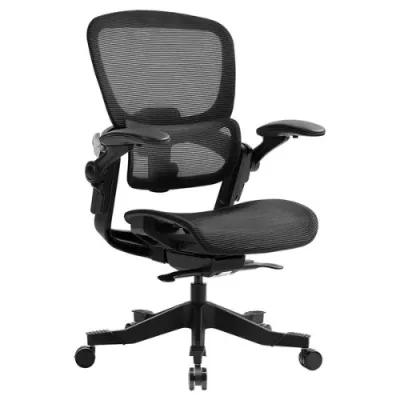
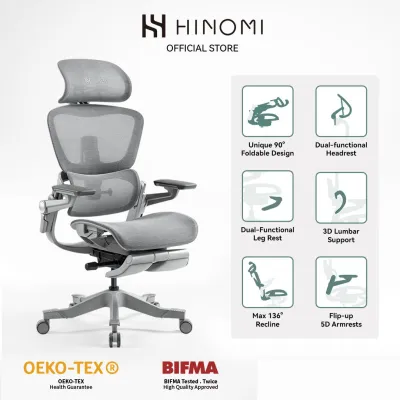
Ergonomic chairs are designed to support the natural curvature of the spine, but the effectiveness of this support depends heavily on how customizable the chair is. The Hinomi H1 Classic stands out in the mid-range segment due to its multi-segmented backrest, which separates upper thoracic support from lower lumbar support. This dynamic lumbar system is designed to shift slightly as you lean, maintaining contact with your lower back. In comparison, many budget office chairs in Singapore feature a static, single-piece backrest with a simple plastic lumbar pad that can only be adjusted vertically, or sometimes not at all. While premium chairs often feature highly integrated, auto-tuning tension systems that adjust to your weight automatically, the H1 Classic relies on manual adjustments that allow you to set and lock the support exactly where you want it.
Products mentioned in this guide
Prices are valid at publication and may change. Please refer to the product page for the latest price.

Another critical touchpoint is seat depth adjustment, a feature frequently omitted from cheaper office chairs but standard on the H1 Classic and premium competitors. Seat depth is vital because a seat pan that is too deep can press against the back of your knees, restricting blood circulation, while a seat that is too shallow fails to support your thighs adequately. When comparing the H1 Classic to other popular models, look closely at the sliding range of the seat pan. If you are exceptionally tall or short, you must verify that the seat depth adjustment allows your feet to remain flat on the floor while leaving a gap of about two to three fingers between the edge of the seat and the back of your knees.
Armrest adjustability is another area of significant variation. The H1 Classic features highly versatile armrests, often described as 4D or 5D, which allow you to adjust the height, angle, depth, and width, and even fold them back entirely. This folding feature is particularly useful in space-constrained Singapore apartments, as it allows the chair to be rolled completely under a desk when not in use. By contrast, entry-level chairs typically offer 1D (height only) or fixed armrests, which can force your shoulders into a shrugged position or prevent you from sitting close enough to your keyboard. Premium alternatives focus instead on ultra-smooth, pivoting movements and highly padded arm pads that reduce pressure on the elbows during long typing sessions.
Finally, the recline mechanism and tilt tension determine how easily you can transition from an upright typing posture to a relaxed, reclined position. The H1 Classic utilizes a synchronized tilting mechanism where the backrest and seat recline at a fixed ratio, keeping your feet planted on the floor. When comparing this to other popular home office chairs, pay attention to the number of locking positions and the ease of adjusting the tilt tension. Because body proportions and personal comfort preferences vary greatly, we highly recommend visiting local showrooms in Singapore to physically test these mechanisms and ensure the adjustment ranges align with your specific height, weight, and desk configuration.
Build Quality and Materials: What to Expect Over Time
When evaluating an ergonomic chair as a long-term investment, the materials used in its construction dictate how well it will hold up after years of daily use. The Hinomi H1 Classic primarily utilizes a reinforced polyamide (nylon) frame paired with an aluminum alloy base. This combination offers a practical balance between lightweight mobility and structural stability. In comparison, budget-tier chairs often use cheaper, unreinforced plastics for their frames and nylon bases, which can flex under load or creak over time. Premium-tier competitors, on the other hand, frequently incorporate polished aluminum or steel structural components throughout the entire back frame, providing an exceptionally rigid feel, albeit at a much higher weight and cost.
The choice of casters is another critical factor, particularly for Singapore apartments where flooring materials vary widely. The H1 Classic typically comes equipped with polyurethane (PU) coated casters, which are designed to roll smoothly and quietly. If your home office features delicate engineered wood, laminate, or vinyl flooring, PU casters are highly desirable because they minimize the risk of scratching the surface compared to hard nylon casters. For tiled floors, which are common in many local HDB flats and condominiums, both caster types perform well, though softer PU casters will significantly reduce the rolling noise across tile grout lines.
The seating surface itself is where you will find the most noticeable differences in long-term durability. The H1 Classic features a full-mesh seat and backrest, utilizing a woven mesh material designed to distribute body weight evenly. Over years of use, lower-quality mesh materials are prone to stretching and sagging, which gradually destroys the chair’s ergonomic support. To evaluate mesh durability, look for certifications such as BIFMA (Bifma X5.1 is the standard for office chairs) which test for tensile strength and cyclic impact. If you prefer a highly cushioned feel, you might want to compare the H1 Classic against chairs that feature high-density molded foam seat cushions. While foam cushions do not offer the same breathability as mesh, high-quality molded foam retains its shape and supportive properties longer than low-grade mesh.
To ensure safety and longevity, always check the manufacturer’s official maximum weight capacity and verify if the chair has been certified by recognized international testing bodies. A higher weight capacity generally indicates more robust gas lifts (typically Class 4) and stronger frame joints. While a lightweight frame is easier to move around your study, a heavier, more substantial base provides superior stability when you are fully reclined, reducing the risk of tipping.
Tropical Comfort: Breathability and Heat Management
Living and working in Singapore’s tropical climate means that heat dissipation and humidity management are primary considerations for home office furniture. For those who do not run air conditioning continuously throughout the day, a chair’s material composition directly impacts daily comfort. The full-mesh design of the Hinomi H1 Classic offers a distinct advantage over foam, fabric, or leatherette alternatives. Because the mesh is suspended over an open frame, it allows air to circulate freely around your back and thighs, preventing the buildup of body heat and sweat.
In contrast, traditional high-density foam seats wrapped in fabric or synthetic leather tend to trap heat. Over several hours of sitting in a non-air-conditioned room, these materials can become uncomfortably warm and clammy. While leatherette or genuine leather chairs offer a premium, executive aesthetic, they are generally poorly suited for humid environments without constant air conditioning, as they do not absorb moisture and can stick to the skin. Fabric chairs provide a softer feel but can absorb sweat over time, leading to odors and requiring regular deep cleaning.
However, mesh chairs come with their own unique maintenance considerations in humid climates. The open weave of mesh fabric acts as a dust collector, trapping skin flakes, lint, and ambient dust in the small gaps of the weave. In high-humidity environments, this accumulated dust can bind with moisture, making it harder to clean. To maintain a mesh chair like the H1 Classic, you will need to vacuum the mesh surfaces regularly using a brush attachment and wipe down the frame with a damp, microfiber cloth.
When deciding between materials, consider your typical working environment. If you primarily work in a fully air-conditioned home office, a high-quality foam or fabric chair can be incredibly comfortable and cozy. However, if you prefer to work with open windows, relying on natural ventilation or ceiling fans, a highly breathable full-mesh chair like the H1 Classic is almost essential to stay cool and focused during long working sessions.
True Value: Warranties, Assembly, and After-Sales Support
Evaluating the true value of an ergonomic chair requires looking beyond the initial purchase price and considering the total cost of ownership over several years. In Singapore’s direct-to-consumer (DTC) office furniture market, warranty coverage is a key differentiator. The Hinomi H1 Classic typically offers a tiered warranty system, which can extend up to 10 or 12 years for structural components and frames, while moving parts, mesh, and gas lifts may have shorter coverage periods (often around 3 to 5 years). When comparing this to other brands, always read the fine print. Budget chairs bought from online marketplaces often come with a basic 1-year warranty or no warranty at all, meaning you will have to replace the entire chair if a critical component like the gas cylinder fails. Conversely, ultra-premium brands offer comprehensive, bumper-to-bumper 12-year warranties that cover both parts and labor, though you pay a significant premium upfront.
Assembly is another practical factor to consider. The H1 Classic is designed to be shipped in a compact box and assembled at home. It typically includes all necessary tools, clear instructions, and video guides to assist with the process. For most users, assembly takes about 20 to 30 minutes. However, if you are not comfortable handling heavy components or aligning metal bolts, you should check if the brand offers local professional assembly services in Singapore. Many local DTC brands offer free or paid assembly and delivery services, where professional installers assemble the chair on-site or deliver it fully built, saving you time and ensuring the chair is put together safely.
After-sales support, return policies, and trial periods are also crucial when buying a chair online. Because ergonomic comfort is highly subjective, some brands offer a risk-free home trial period (ranging from a few days to a month) allowing you to test the chair in your actual workspace. If you decide to return it, however, be sure to check the return terms. Some companies require you to keep the original packaging, while others may charge a restocking or return transport fee.
When weighing your options, avoid focusing solely on temporary promotional discounts. Instead, calculate the cost per year of use based on the warranty duration. A mid-range chair costing S$400 to S$600 with a robust 5-year warranty represents far better long-term value than a S$150 budget chair that needs to be replaced every 12 to 18 months due to sagging mesh or a failing gas lift.
Final Decision Framework: Matching the Chair to Your Needs
To help you finalize your choice, we have structured the decision-making process based on distinct user profiles, budgets, and physical requirements.
Choose the Hinomi H1 Classic if:
- You are a remote or hybrid professional looking for a highly adjustable, mid-range ergonomic chair (typically in the S$400 to S$700 price band) that offers advanced features like dynamic lumbar support and highly versatile, foldable armrests.
- You live in a space-constrained apartment in Singapore and need a chair with armrests that fold away so the unit can slide completely under your desk when not in use.
- You prefer a full-mesh design to stay cool in a warm, naturally ventilated home environment and want the peace of mind of a multi-year local warranty.
Consider premium alternatives if:
- You have a larger budget (above S$1,000) and want top-tier build quality, such as a full heavy-duty aluminum frame, ultra-premium woven mesh, and a comprehensive 12-year warranty.
- You require highly specialized orthopedic support or prefer an automatic, weight-sensing recline mechanism that adjusts to your movements without manual locking.
Look at budget options if:
- You only use your home office chair occasionally (less than 2 to 3 hours a day) and cannot justify spending more than S$200 to S$300 on highly adjustable ergonomic features.
- You prefer a simple, traditional aesthetic and do not require advanced adjustments like seat depth sliding or multi-directional armrests.
Before making your final purchase, we highly recommend visiting a local showroom in Singapore to physically sit in the chairs you are considering. Pay close attention to how the frame fits your shoulders, whether the lumbar support aligns naturally with your lower back, and if the seat depth can be adjusted to comfortably support your thighs. Always verify the latest warranty terms and delivery options on the manufacturer’s official website to ensure you are getting the best possible support for your investment.
Frequently Asked Questions (FAQ)
How do I know if an ergonomic chair fits my body type?
To determine if an ergonomic chair fits your body, perform a few quick physical checks while sitting. First, adjust the seat height so your feet rest flat on the floor with your knees bent at a comfortable 90-degree angle. Next, check the seat depth: there should be a gap of about two to three fingers between the front edge of the seat pan and the back of your knees to ensure proper circulation. Your lower back should press comfortably against the lumbar support without forcing your spine into an unnatural arch. Finally, adjust the armrests so your shoulders remain relaxed and your elbows rest at a 90-degree angle, level with your desk surface, preventing shoulder strain.
Are mesh office chairs durable enough for daily 8-hour use?
Yes, high-quality mesh office chairs are highly durable and well-suited for daily 8-hour use, provided they utilize premium elastomeric or polyester mesh weaves. Unlike cheap nylon mesh which can stretch and sag within a few months, commercial-grade mesh is designed to retain its tension and springiness over several years of continuous use. To ensure long-term durability, always check if the mesh is covered under the manufacturer’s warranty and verify that the chair carries recognized safety and durability certifications, such as BIFMA. Additionally, adhering to the recommended maximum weight capacity will prevent premature wear and tear on the mesh tension.

Community discussion
Share your experience or ask a question. Comments are reviewed before publication.