
A high cabinet TV console in a typical Singapore HDB or condominium living room must balance vertical storage with visual breathing room. Because local living rooms often feature compact layouts, selecting the right dimensions is not just about finding a piece that physically fits the wall; it requires coordinating height, width, and depth to maintain open walkways and prevent the room from feeling boxed in. By aligning these dimensions with your specific floor plan, ceiling height, and media equipment, you can maximize storage without sacrificing the airy feel of your home.
Assessing Your Living Room Space and Layout
Before browsing designs, measure the designated wall length from corner to corner. Note the exact positions of power sockets, data ports, light switches, and any surface-mounted air-conditioning trunking. High cabinets have solid back panels or rigid frames that cannot easily bend around these fixtures, meaning an unmeasured trunking pipe or socket can force the cabinet forward, leaving an awkward gap or blocking access to essential ports.
Next, check the ceiling height from the floor to the lowest point of the ceiling, taking note of any false ceilings or structural beams. A high cabinet that reaches too close to the ceiling can make a standard residential flat feel shorter and more cramped. Leaving a deliberate gap at the top preserves a sense of vertical space and allows ambient light to bounce across the room.
Products mentioned in this guide
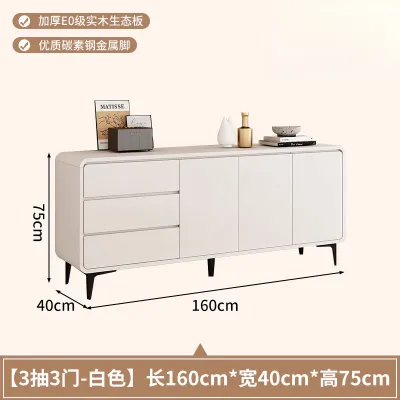
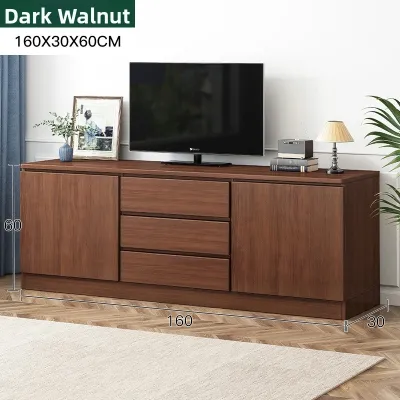
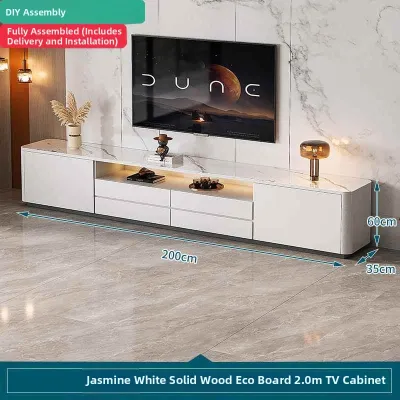
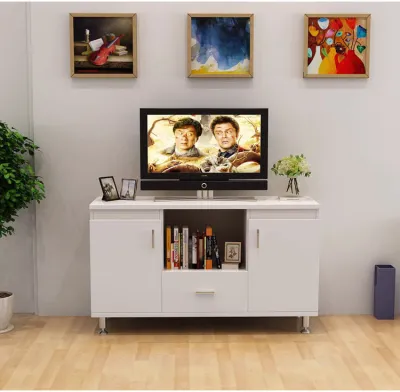
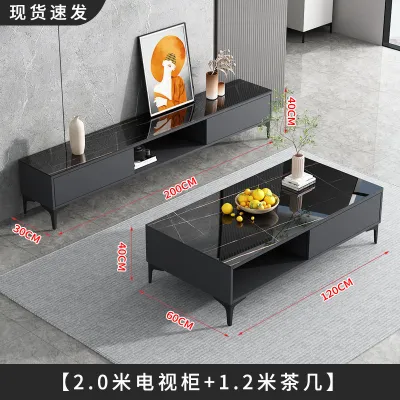
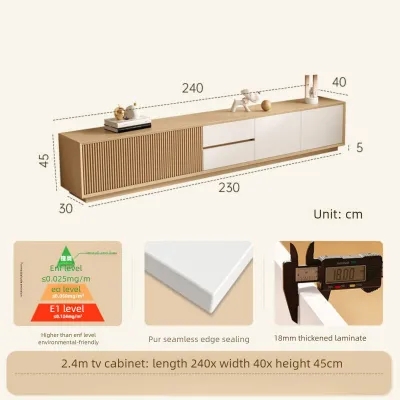
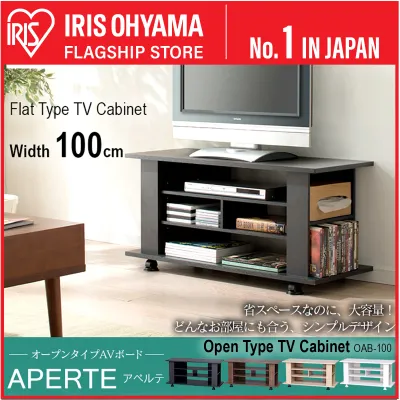
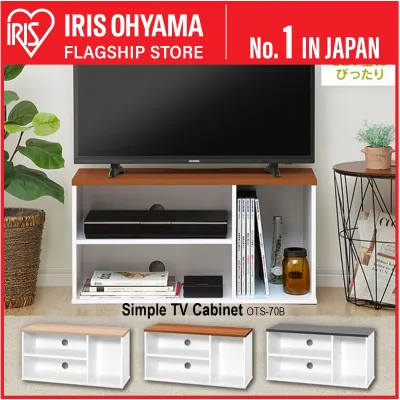
Prices are valid at publication and may change. Please refer to the product page for the latest price.
Finally, evaluate the main walkway in front of the TV area. In typical local layouts, the path between the sofa and the TV console serves as the primary thoroughfare connecting the entryway, dining area, and bedrooms. Mark the footprint of your prospective cabinet on the floor using masking tape to ensure that household members can walk past comfortably without having to turn sideways or squeeze past coffee tables.
Ideal Height, Width, and Depth Guidelines
Determining the perfect dimensions for a high cabinet TV console requires viewing height, width, and depth as interdependent variables. Adjusting one dimension often impacts how the others feel in the space, meaning you must balance storage capacity with spatial harmony to keep the living room comfortable.

Height and Visual Proportion
When selecting the height of your high cabinet, compare it directly to your floor-to-ceiling measurement. For standard residential units, choosing a cabinet that leaves a visible gap below the ceiling prevents a heavy, claustrophobic built-in look. This gap also makes it easier to clean the top of the unit and allows air to circulate freely.
Be mindful of overhead fixtures that could conflict with a tall cabinet. Ensure the top edge does not obstruct wall-mounted air-conditioning units, which require clear space below them for proper airflow and routine servicing. Similarly, check that the cabinet does not interfere with the sweep of ceiling fans or the tracks of curtains and blinds.
To create a cohesive visual flow, try to align the top of the high cabinet with other horizontal lines in the room. Matching the height to adjacent door frames, window tops, or nearby tall shelving units helps integrate the furniture into the architecture of the home, making the space feel organized and custom-designed.
Width and Wall Coverage
The width of your high cabinet TV console should be scaled relative to your television screen. To anchor the setup visually, the console should generally be wider than the TV, creating a stable base and preventing the screen from looking top-heavy. A wider console also provides balanced compartments for side storage or decorative displays.
Avoid filling the entire wall from corner to corner unless you are installing a fully integrated custom system. Leaving breathing room on both sides of the cabinet prevents the living room from looking completely boxed in. This open wall space keeps the room feeling wider and allows natural light to reach the corners.
If your living room features irregular corners, structural pillars, or adjacent doorways, consider modular or customizable widths. Modular high cabinets allow you to combine different section widths to fit around architectural obstacles, ensuring you maximize storage without blocking doorways or overlapping onto window frames.
Depth and Walkway Clearance
Before finalizing the cabinet depth, measure your largest media components, such as gaming consoles, audio receivers, and smart home hubs. Ensure the internal shelf depth can accommodate these devices, along with their rear cable connections, without any part overhanging or forcing the cabinet doors to remain slightly open.
Calculate the remaining walkway width after subtracting the cabinet’s depth from the total distance between the TV wall and your sofa. For comfortable passage in a busy household, aim to preserve a clear walkway that allows two people to pass each other or permits easy movement while carrying laundry or groceries.
In narrower living rooms, such as those found in compact condo units or smaller HDB flats, prioritize floor space by opting for shallower cabinet depths. Choosing a shallower unit with smart vertical storage solutions allows you to keep the floor clear while still enjoying ample organizational space.
Practical Checks Before You Buy
A high cabinet TV console is a substantial piece of furniture, making delivery and assembly crucial parts of the planning process. Before placing an order, verify the dimensions of your building’s lift, the width of the staircases, and the tight turns in your corridors. Ensure that the fully assembled cabinet, or its largest modular flat-pack boxes, can safely navigate these common areas and pass through your front door.
Because high cabinets are tall and top-heavy, checking your wall type is essential for safety. Determine whether your TV wall is made of solid concrete, hollow bricks, or drywall. Tall furniture must be securely anchored to the wall using appropriate anti-tip hardware to prevent accidental tipping, especially in homes with active pets or young children.
Review the manufacturer’s specifications regarding ventilation for enclosed media compartments. Electronic equipment generates heat during operation, and trapping them inside a tightly sealed high cabinet can lead to premature failure. Look for cabinets with built-in cable management cutouts, slatted doors, or open back panels that facilitate natural air circulation.
Common Sizing Mistakes to Avoid
One of the most common oversights is ignoring the thickness of the skirting boards along the base of the wall. If the cabinet does not feature a base cutout or recess to accommodate the skirting, it will be pushed away from the wall, leaving an unsightly gap at the back and reducing the usable floor space in front.
Another frequent mistake is choosing a cabinet that is too deep simply to maximize storage. While deep shelves are useful, they can severely restrict traffic flow in a standard living room, making the seating area feel cramped and forcing you to place your coffee table uncomfortably close to the sofa.
Finally, remember to account for the swing radius of nearby doors, balcony sliders, or windows. A high cabinet placed too close to an opening can block a door from swinging fully open, collide with sliding glass panels, or restrict access to window handles, causing daily frustration and potential damage to both the furniture and your home’s fixtures.
Frequently Asked Questions (FAQ)
Can I place a high cabinet TV console in front of a window?
Placing a tall cabinet in front of a window is generally not recommended because it blocks natural light and restricts ventilation, making the living room feel dark and stuffy. Additionally, direct exposure to sunlight can cause the cabinet’s finish to fade or warp over time, while the accumulated heat can damage sensitive media equipment placed inside. If you must use a window wall for your entertainment setup, opt for a low-profile console instead to keep the window clear.
How much space should I leave between the TV and the high cabinet shelves?
When positioning your TV within a high cabinet unit, leave sufficient clearance around the screen to accommodate accessories like soundbars and to ensure remote control signals can reach their sensors without obstruction. Additionally, allow adequate vertical space above and behind the TV and media players to facilitate heat dissipation, preventing your electronics from overheating during extended use.
Community discussion
Share your experience or ask a question. Comments are reviewed before publication.