
Finding the perfect bar stool high enough to elevate your home kitchen or bar experience requires balancing spatial dimensions with interior aesthetics. In Singapore, where open-concept kitchens, custom islands, and compact breakfast counters are central to modern HDB flats and condominiums, selecting the right seating is both a functional and stylistic decision. The best high bar stool styles are those that not only complement popular design movements like Scandinavian, Industrial, and Japandi, but also withstand the unique demands of a tropical climate and daily household use.
How to Measure and Choose a Bar Stool High Enough for HDB and Condo Kitchens
Standard kitchen counter heights in local residential developments typically range from 90 to 100 cm, which are best paired with standard counter stools. However, true bar-height surfaces—often found in custom-built condo peninsulas, high-top breakfast bars, or elevated ledges—stand between 105 and 115 cm. These taller surfaces require a dedicated high bar stool, featuring a seat height of 75 to 80 cm. To ensure comfortable seating, aim for a precise seat-to-counter clearance of 25 to 30 cm, which provides ample legroom without forcing you to slouch.
In compact HDB flats and condominium units, physical floor space is at a premium. Before purchasing, map out the physical footprint of the stools when tucked in and when in use. Ensure there is at least 60 to 75 cm of clearance behind the stools to allow for easy passage and to prevent blocking nearby cabinetry, refrigerator doors, or household walkways. Measure the width of your counter and allow 60 to 70 cm of lateral space per stool so guests do not feel crowded.
Products mentioned in this guide
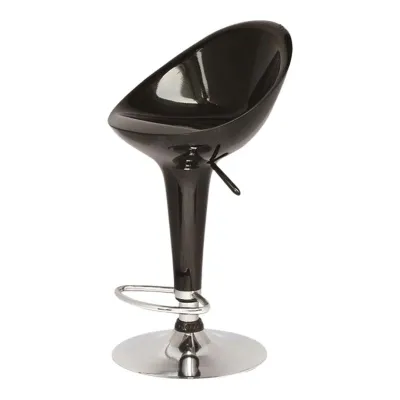
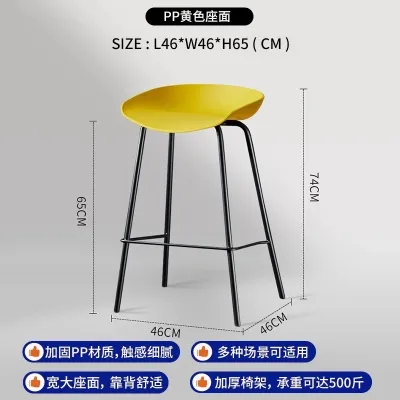
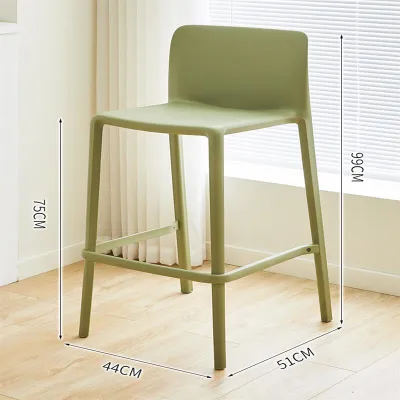
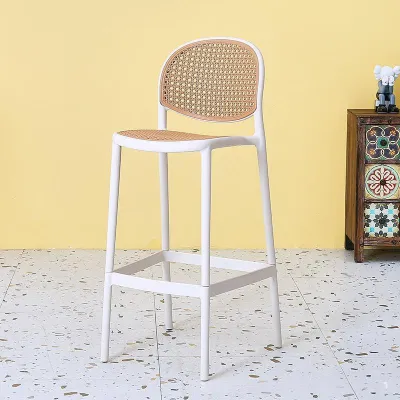
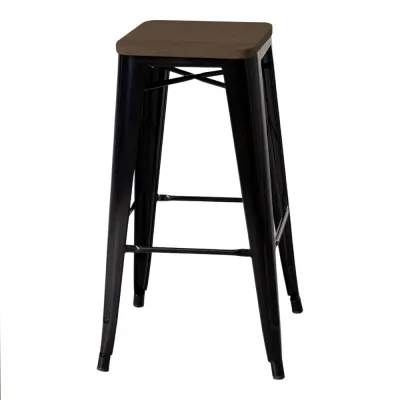
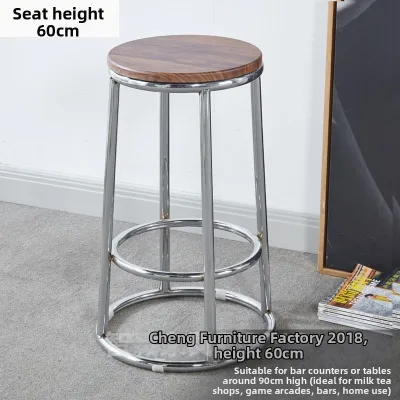
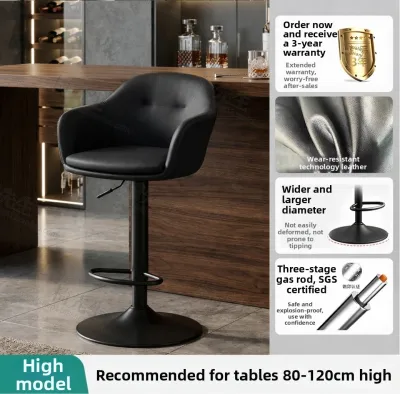
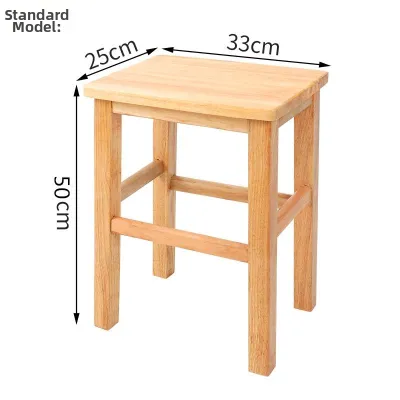
Prices are valid at publication and may change. Please refer to the product page for the latest price.
To keep a small open-concept kitchen feeling spacious, opt for designs with low visual weight. Stools with open metal bases, slender legs, or backless seats allow sightlines to pass through, making the kitchen island appear less bulky. Heavy, fully upholstered, solid-backed high stools can visually overwhelm a narrow galley kitchen or a small dining alcove.
Because high bar stools have a higher center of gravity, physical stability is paramount. Always verify the manufacturer’s specified base diameter—a wider base generally offers better resistance to tipping. Check the product’s maximum weight capacity before purchase. Additionally, inspect the bottom of the stool legs for integrated floor protectors. Hard plastic or bare metal glides can easily scratch popular local flooring materials like luxury vinyl tiles, laminate, or polished porcelain tiles. Look for rubberized or high-density felt feet to safeguard your surfaces.
Scandinavian High Bar Stools: Light Woods and Airy Silhouettes
Scandinavian design focuses on simplicity, functional beauty, and a deep connection to natural elements. In Singaporean homes, this style translates into bright, airy spaces that feel welcoming and uncluttered. High bar stools in this category prioritize clean lines, pale wood tones, and minimalist silhouettes that do not crowd the kitchen visually.

The Light Wood Spindle Stool
Light wood spindle stools bring warmth and natural texture to Singaporean kitchens without adding visual clutter. Typically crafted from light-toned hardwoods such as solid oak, ash, or beech, these stools feature tapered legs and delicate vertical spindle backrests. The slender vertical lines draw the eye upward, creating an illusion of height and openness that works exceptionally well in smaller apartments.
When purchasing wood furniture for a humid kitchen environment, do not assume the material is inherently waterproof. It is crucial to check the manufacturer’s finish specifications. Stools finished with a high-quality matte polyurethane lacquer offer excellent protection against food spills, condensation from cold drinks, and daily wear, as they can be easily wiped clean with a damp cloth. Conversely, oil-finished wood requires periodic reapplication to maintain its moisture resistance and prevent the wood from drying out or staining.
Ergonomics should not be sacrificed for minimalism. Look for spindle stools that feature a subtly curved saddle seat or a molded seat pan that distributes weight evenly. A well-positioned footrest—ideally reinforced with a metal cap or protective sleeve—is essential on a high stool to prevent leg strain during casual meals or extended conversations.
The Molded Plywood or Matte Shell Stool
For a more modern interpretation of the Scandinavian aesthetic, molded plywood or synthetic shell stools offer a sleek, low-maintenance alternative. These designs utilize a single, continuous piece of curved plywood or a matte-finished polymer shell to form the seat and backrest. This seamless construction eliminates crevices where crumbs and dust can accumulate, making them incredibly easy to wipe down in busy households.
To maintain the airy Scandinavian feel, these stools often pair a light-colored seat shell—such as soft white, grey, or pastel tones—with slim, powder-coated metal legs or light oak dowel legs. This combination keeps the bottom half of the stool visually open.
Before finalizing your purchase, verify the structural connection points where the seat shell meets the high base. High-quality models feature reinforced metal mounting plates and heavy-duty bolts. Check the manufacturer’s weight capacity guidelines to ensure the design can safely support daily use over several years without loosening or wobbling.
Industrial High Bar Stools: Metal Frames and Raw Textures
Industrial style embraces raw, unfinished textures, exposed structural elements, and robust metalwork. This aesthetic is highly favored in modern Singaporean lofts and contemporary apartments that seek a bolder, more urban character. High bar stools in this category are built for durability, featuring strong metal frames and textured seating surfaces.
The Powder-Coated Metal Drafting Stool
Inspired by classic French industrial designs and vintage workshop furniture, the powder-coated metal drafting stool brings a rugged, utilitarian edge to modern kitchens. These stools are characterized by robust frames made of steel, iron, or aluminum, often finished with a distressed or matte powder coating. The raw, structural look pairs beautifully with concrete-screed walls, exposed piping, or dark quartz countertops.
Because Singapore experiences high relative humidity year-round, untreated metal is highly susceptible to rust and corrosion, even indoors. Always check the manufacturer’s product specifications to confirm that the metal frame has been treated with an anti-rust primer or a durable powder-coated finish. Avoid using outdoor-grade metal stools indoors unless they are explicitly certified as rust-resistant, as moisture from cooking and air conditioning can degrade the joints over time.
Many industrial drafting stools feature mechanical height adjustment systems, such as a manual threaded spindle or a pneumatic gas lift. These mechanisms are highly practical for homes with multi-use counters, allowing you to transition the stool between counter and bar heights. Ensure you test or verify the stability of the locking mechanism; a high-quality threaded spindle should have a locking collar to prevent the seat from wobbling or spinning excessively when in use.
The Distressed Leather and Iron Swivel
For those looking to introduce warmth and tactile comfort to an industrial kitchen, a high stool combining a heavy iron frame with a distressed leather seat is an excellent choice. The contrast between the cold, dark metal base and the rich, textured upholstery creates a sophisticated, lived-in feel. You can choose between genuine top-grain leather, which develops a unique patina over time, or high-grade faux leather (polyurethane), which offers a more uniform look and easier cleanup.
Upholstered stools in tropical climates require deliberate care. Check the cleaning codes provided by the manufacturer before applying any leather conditioners or cleaners. In air-conditioned spaces, genuine leather can dry out and crack, while high humidity can encourage mold growth if spills are not dried immediately. Regular vacuuming of the seams and occasional wiping with a dry, soft microfiber cloth will keep the material in prime condition.
The swivel mechanism on these heavy stools offers significant convenience, allowing users to turn and exit the seating area without physically dragging a heavy iron base across the floor. However, keep in mind that swivel stools require a wider clearance radius. Ensure there is at least 10 to 15 cm of extra space between adjacent stools and the edge of the kitchen island to prevent the seats from bumping into cabinetry or each other during rotation.
Japandi High Bar Stools: Minimalist Lines and Woven Details
Japandi style is the elegant fusion of Japanese rustic minimalism and Scandinavian functionality. It emphasizes organic materials, clean geometric lines, and a serene, uncluttered atmosphere. Japandi high bar stools bring a sense of natural warmth and calm to the home, utilizing woven textures and rich, earthy wood tones.
The Woven Rattan or Paper Cord Stool
A woven rattan, cane, or paper cord high stool perfectly embodies the Japandi fusion, adding organic texture and artisanal craftsmanship to the kitchen. The woven patterns allow air and light to pass through the seat and backrest, softening the sharp, hard lines of modern kitchen cabinetry while maintaining a lightweight silhouette.
While natural fibers are highly aesthetic, they require careful maintenance in Singapore’s humid climate. Before purchasing, review the manufacturer’s care guidelines. Natural rattan and paper cord are sensitive to excessive moisture and can develop mold if kept in damp, unventilated areas. To clean, use a soft-bristled brush or a lightly damp cloth, and dry the stool immediately. Avoid using harsh chemical cleaners that can strip the natural fibers of their protective oils.
To align with the clean, minimalist lines of Japandi interiors, consider choosing backless or low-profile woven stools. These designs can be tucked completely beneath the kitchen island when not in use, preserving clean sightlines across the open-plan living space and maximizing standing room around the kitchen.
The Solid Walnut or Teak Low-Back Stool
For a more grounded and serene Japandi aesthetic, solid wood high stools crafted from darker, premium hardwoods like walnut or teak are unmatched. These designs celebrate the natural grain patterns of the wood and often showcase traditional Japanese joinery techniques, such as mortise-and-tenon joints, without unnecessary ornamentation. The deep, warm tones of walnut or the rich, golden-brown hues of teak bring a sense of calm and permanence to the home.
Kitchen environments expose furniture to frequent temperature shifts from cooking appliances and occasional moisture from sinks. Therefore, it is essential to verify that the solid wood has been properly sealed with a moisture-resistant protective finish, such as a matte acid-catalyzed lacquer or a high-grade hardwax oil. Unsealed wood can warp, split, or stain when exposed to liquids or high humidity.
Keep in mind that solid hardwood high stools are significantly heavier than their metal or hollow-core counterparts. This weight makes them highly stable and resistant to tipping, but harder to slide back and forth. To protect your floors and make moving the stools easier, always attach heavy-duty felt glide pads to the bottom of the legs, and avoid dragging the stools across vinyl or wood laminate surfaces.
Style and Material Comparison for High Bar Stools
When choosing the ideal high bar stool, comparing the physical properties, aesthetic alignment, and maintenance requirements of each style helps narrow down your options.
| Style Archetype | Primary Materials | Best Suited For (Interior Theme) | Visual Weight / Footprint | Key Maintenance Checks |
|---|---|---|---|---|
| Light Wood Spindle | Oak, ash, or beech wood | Scandinavian, Modern Farmhouse | Light and airy; open spindle footprint | Check lacquer finish; tighten joint screws periodically |
| Molded Shell | Polypropylene, molded plywood, steel legs | Contemporary Scandinavian, Minimalist | Low visual weight; slim metal or wood legs | Verify seat-to-frame connection bolts; check weight limits |
| Drafting Metal | Powder-coated steel, iron, or aluminum | Industrial, Modern Loft, Vintage | Moderate; industrial silhouette with open base | Inspect anti-rust coating; test height-adjust locking collar |
| Leather & Iron Swivel | Genuine/faux leather, heavy iron frame | Industrial, Mid-Century Modern | Heavy; wider footprint required for swivel clearance | Apply leather conditioner; vacuum seams; check swivel mechanism |
| Woven Rattan/Cord | Natural rattan, cane, paper cord, wood frame | Japandi, Coastal, Rustic Minimalist | Very light; semi-transparent woven textures | Monitor humidity to prevent mold; clean with soft brush |
| Solid Walnut/Teak | Solid walnut or teak wood | Japandi, Mid-Century, Traditional Eastern | Heavy and grounded; solid wood footprint | Verify water-resistant sealant; apply felt floor protectors |
Selecting the right stool involves a clear trade-off between natural and synthetic materials. Natural materials like rattan, paper cord, genuine leather, and solid wood offer unparalleled warmth, unique textures, and organic beauty. However, they demand stricter maintenance—such as humidity monitoring, specialized cleaning, and periodic conditioning—to survive Singapore’s tropical environment. Synthetic or treated materials, on the other hand, are highly resilient, easy to sanitize with standard household cleaners, and resist moisture damage, making them highly practical for high-traffic kitchens, though they may lack the tactile warmth of natural wood or leather.
Before finalizing your purchase from a local furniture showroom or an online marketplace, keep this checklist in mind:
- Verify Dimensions: Double-check your exact counter height and ensure a 25 to 30 cm seat-to-counter clearance.
- Assess Access: Confirm that the overall dimensions of the stools allow them to fit easily through your home's doorways, main gates, and lift doors during delivery.
- Review Return Policies: Read the return and exchange policies carefully, especially regarding bulky furniture items.
- Confirm Assembly Requirements: Determine if the stools are delivered fully assembled or require DIY assembly. If self-assembly is required, check if all necessary hardware and tools are included, and verify the stability of the joints once assembled.
Frequently Asked Questions (FAQ)
What is the exact height difference between counter stools and high bar stools?
Standard counter stools typically have a seat height of 60 to 65 cm, designed to pair with kitchen island counters that stand at approximately 90 cm high. In contrast, high bar stools feature a seat height of 75 to 80 cm, which is specifically engineered for taller bar counters or custom peninsulas measuring between 105 and 115 cm. Because custom HDB or condo renovations often deviate from standard contractor dimensions, it is essential to measure your actual counter height from the floor to the underside of the counter surface before purchasing any seating.
How can I protect my vinyl or laminate flooring from heavy high bar stools?
To protect sensitive flooring materials like luxury vinyl tiles (LVT) or wood laminate from scratches and scuffs, apply high-quality, heavy-duty felt pads or slip-on silicone caps to the bottom of the stool legs. Always check the stool manufacturer’s recommendations to ensure that any adhesive used on the protectors will not damage the metal or wood finish of the legs. Additionally, make it a habit to lift the stools rather than dragging them across the floor when cleaning or rearranging your seating area, as dragging heavy iron or solid wood bases can easily tear or dent soft flooring.
Are backless high bar stools comfortable enough for long meals?
Backless high bar stools are designed primarily for space-saving efficiency and visual lightness, allowing them to tuck completely under the counter when not in use. While they are highly convenient for quick breakfasts, casual coffee breaks, or short-duration tasks, they lack the lumbar support required for long-term comfort. If your kitchen island or bar counter serves as your primary dining area where family and guests gather for extended multi-course meals or long evening conversations, opting for a high bar stool with a supportive low-back or mid-backrest is a much more ergonomic and comfortable choice.
Community discussion
Share your experience or ask a question. Comments are reviewed before publication.