
In a typical Singapore Housing & Development Board (HDB) flat, maximizing floor space is a constant design challenge. When floor space around the bed is limited, a headboard shelf serves as an excellent alternative to bulky bedside tables, keeping your daily essentials within arm’s reach. To find the ideal headboard shelf dimensions for an HDB bedroom, you must balance the width of your mattress with the remaining walkway clearance, ensuring the shelf remains highly functional without making the room feel cramped.
Choosing the wrong size can lead to painful head bumps, blocked wardrobe doors, or a visually cluttered sleeping area. By understanding standard bedroom layouts and applying practical spatial rules, you can select a shelf that enhances both the storage capacity and the overall aesthetic of your bedroom.
Quick Rules for Headboard Shelf Sizing
When dealing with the compact proportions of modern HDB bedrooms, a few straightforward rules of thumb can prevent common layout mistakes. The primary goal is to keep the shelf proportional to your bed frame while ensuring it does not protrude too far into your primary walking paths.
Products mentioned in this guide
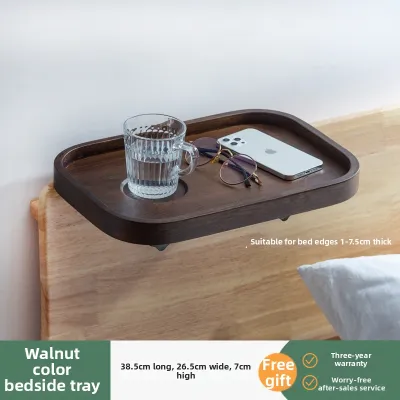
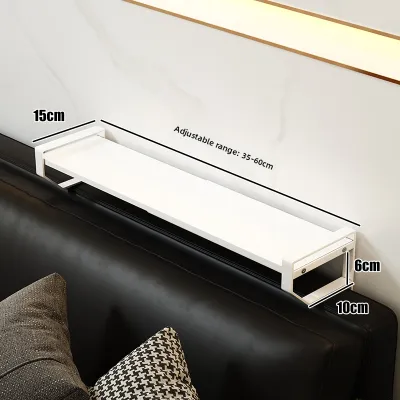
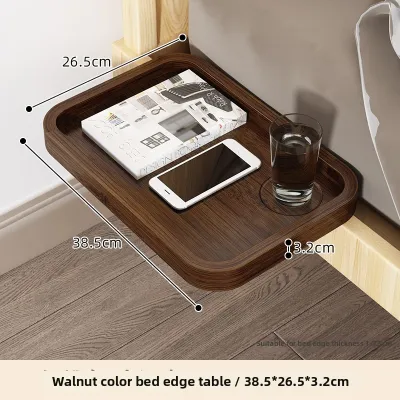
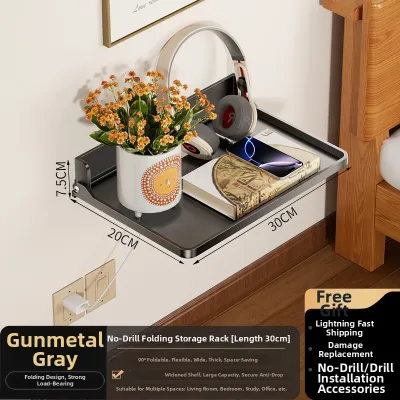
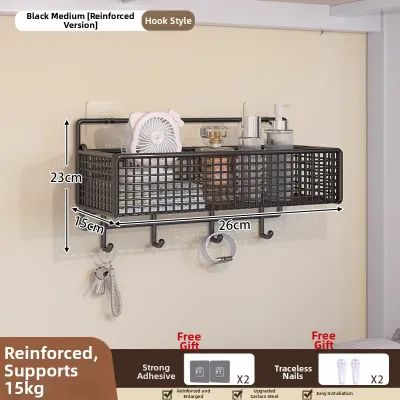
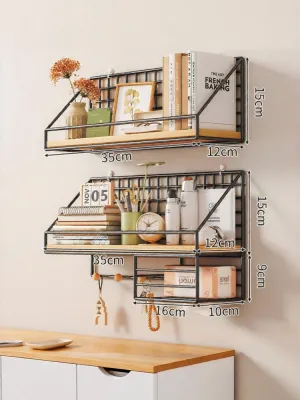
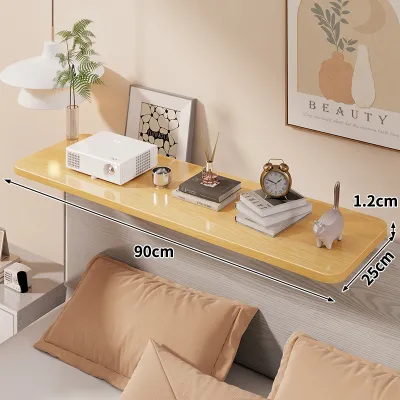
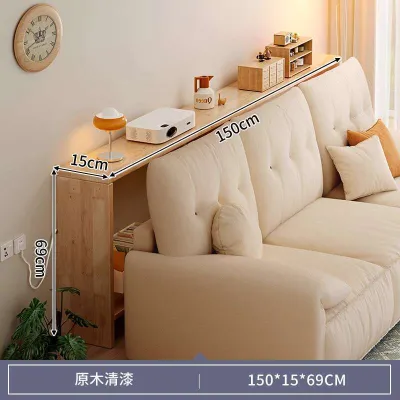
Prices are valid at publication and may change. Please refer to the product page for the latest price.
- Width Rule: The shelf should either match the exact width of your bed frame or be slightly narrower (recessed by about 5 to 10 centimeters on each side) to prevent sharp corners from sticking out where you walk.
- Depth Limit: Keep the shelf depth between 10 and 15 centimeters. Anything deeper than 15 centimeters risks encroaching on your head space when you sit up in bed, or blocking the narrow walkway alongside the bed.
- Height Clearance: Mount the shelf approximately 60 to 75 centimeters above the top of your mattress. This height allows you to sit up comfortably to read without bumping your head, while still keeping items easy to reach.
- Walkway Minimum: Ensure that you maintain at least 60 centimeters of clear walkway space between the outer edge of the bed (or shelf) and the opposite wall or wardrobe.
Measuring Your Bedroom Space Before You Buy
Before purchasing any shelving unit, you must take precise measurements of the wall behind your bed and the surrounding floor area. HDB bedrooms, particularly in newer Build-To-Order (BTO) flats, leave very little room for error, making pre-purchase planning essential.

Start by measuring the total width of the wall where your bed head rests. Note the positions of any permanent fixtures such as windows, bedroom doors, or built-in wardrobe panels. If your wardrobe has swing doors, measure the exact arc of the door swing to ensure the headboard shelf will not block it from opening fully.
Next, calculate the remaining floor space after accounting for your bed frame. If you are opting for a floor-standing headboard with built-in shelving, remember that this will push your entire bed frame forward by the depth of the unit. Measure the distance from the foot of the bed to the opposite wall to ensure you still have a comfortable path to walk through.
Finally, identify physical obstructions on the wall itself. HDB flats often feature prominent electrical sockets, light switches, and air-conditioning trunking. Blocking these utilities with a shelf can make daily tasks incredibly inconvenient. Mark the locations of these outlets on a rough sketch of your wall so you can choose a shelf height and width that leaves them completely accessible.
Matching Shelf Width to Your Bed and Wall
To create a cohesive and visually appealing bedroom design, the width of your headboard shelf must harmonize with your mattress size. An mismatched shelf can make the entire bed setup look unbalanced and awkward.
- Single and Super Single Beds: For beds measuring approximately 91 to 107 centimeters wide, a shelf that matches the exact width of the frame works beautifully. It provides just enough surface area for a phone, a cup of water, and a book without overwhelming the compact wall space of a common room.
- Queen Beds: For a standard Queen mattress (around 152 centimeters wide), you can choose between an exact-match shelf or a slightly narrower design. A shelf that is 130 to 140 centimeters wide centered above the bed offers a clean, recessed look that minimizes the risk of catching your shoulders on the corners when getting in and out of bed.
- King Beds: With a King mattress measuring roughly 183 centimeters wide, a single continuous shelf can sometimes look visually heavy. Consider using two smaller, symmetrical floating shelves placed side-by-side with a small gap in the middle, or opt for a sleek, ultra-thin ledge to keep the design lightweight.
If your bed is positioned against a short wall, a full-wall floating ledge that spans from corner to corner can create a stunning, high-end hotel aesthetic. This design trick draws the eye outward, making a small HDB master bedroom feel significantly wider than it actually is.
Choosing the Right Depth to Preserve Walkways
Shelf depth is perhaps the most critical dimension when it comes to maintaining the functionality of your bedroom. A shelf that is too deep will quickly become a safety hazard and a source of daily frustration.
- Ultra-Shallow Ledges (5 to 8 cm): These are ideal for displaying framed photos, art prints, or holding a slim smartphone. They take up virtually no physical space and are perfect for extremely tight bedrooms where every centimeter counts.
- Standard Shelves (10 to 15 cm): This is the most versatile depth range for an HDB bedroom. It comfortably accommodates standard novels, eyeglasses, smart speakers, and coffee mugs without protruding excessively into your sleeping zone.
- Deep Shelves (20 cm or more): Deep shelves should generally be avoided directly above the sleeping area unless they are integrated into a recessed wall niche or a custom-built floor-standing headboard. A deep floating shelf mounted high on the wall can feel oppressive and cast harsh shadows over your pillows.
Always prioritize your room’s traffic flow. If your bed sits parallel to a wardrobe, a deep shelf can restrict your ability to stand comfortably while choosing clothes. Ensure that any sliding or folding mechanisms on your windows and grilles can still operate smoothly without hitting the edge of the shelf.
Wall Mounting and Safety Checks for HDB Flats
Installing a shelf securely in an HDB flat requires a clear understanding of your wall construction. Mounting a heavy shelf on an unsuitable wall surface can lead to structural damage or serious safety hazards.
First, determine whether your headboard wall is a concrete structural wall or a lightweight drywall partition. Most structural walls in HDB flats are made of solid precast concrete, which requires a masonry drill, concrete drill bits, and high-quality wall plugs to secure heavy loads. Drywall partitions, often found dividing bedrooms in newer flats, require specialized hollow-wall anchors or toggle bolts, and should ideally be screwed directly into the internal metal studs for maximum stability.
Before drilling any holes, it is crucial to verify the absence of concealed utilities. Electrical wiring for light switches and power sockets typically runs vertically or horizontally from the outlets. Use a reliable digital wall scanner to check for hidden wires or pipes behind the plaster.
Always review the manufacturer’s installation instructions and weight limits for both the shelf and the brackets. If you plan to store heavy items like large hardback books or heavy ceramic decor, ensure the load is distributed evenly across the shelf rather than concentrated in one spot. If you are unsure about drilling into concrete or identifying studs, hiring a professional handyman or a licensed contractor is a worthwhile investment to guarantee a safe and secure installation.
Frequently Asked Questions (FAQ)
Can I install a headboard shelf if my bed is against a window?
Installing a headboard shelf directly under or against a window is generally not recommended due to several spatial and environmental challenges. A shelf in this position can block natural light and interfere with the operation of window grilles or sliding glass panels. Additionally, proximity to a window exposes the shelf and its contents to direct sunlight, rainwater splashes during heavy storms, and condensation, which can warp wooden shelves or damage electronic devices over time. If you must place your bed near a window, opt for a low-profile, floor-standing headboard unit that sits entirely below the window sill.
How do I determine the weight capacity of a floating shelf?
The weight capacity of a floating shelf is determined by three main factors: the shelf material, the design of the mounting brackets, and the type of wall it is anchored to. Manufacturers typically provide a maximum weight rating based on installation into solid concrete or wood studs. Keep in mind that this rating will drop significantly if the shelf is mounted onto standard drywall without stud support. To ensure safety, always choose heavy-duty steel brackets, use the correct wall plugs for your wall type, and avoid overloading the shelf beyond its specified limits.
Community discussion
Share your experience or ask a question. Comments are reviewed before publication.