
Quick Answer: Is the HB410 the Right Display Cabinet for You?
Choosing a display cabinet requires balancing aesthetic appeal with structural integrity. If you are considering the popular hb410, you are looking at a freestanding, framed unit designed to anchor a room while showcasing your prized possessions. This model serves as a highly functional, mid-range solution for collectors who want a structured look without the extreme cost of custom carpentry.
You should choose the hb410 if you prefer a classic, framed aesthetic with defined borders, require a freestanding unit that can be easily repositioned, and plan to display medium-weight collections like action figures, books, or light ceramics. The framed structure provides excellent stability and a clean visual boundary that fits naturally into most study rooms and living spaces.
Conversely, you should look at alternative display cabinets if your collection demands unobstructed, 360-degree views, which only frameless glass units can provide. Alternatives are also better if you need heavy-duty solid wood to support massive, dense heirlooms, or if you want to maximize floor space in a compact room by using wall-mounted modular systems. Always verify the manufacturer’s exact specification sheet against your physical space and collection weight before finalizing your purchase.
Products mentioned in this guide
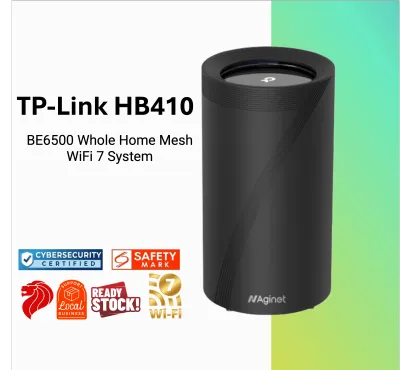
Prices are valid at publication and may change. Please refer to the product page for the latest price.
Evaluating the HB410: Style, Build Quality, and Core Features
The hb410 display cabinet is characterized by its transitional design language, blending contemporary clean lines with traditional framing elements. This style allows it to integrate seamlessly into a wide variety of home decors, from industrial lofts to modern minimalist apartments. The structured frame acts as a visual anchor, drawing the eye to the contents of the cabinet while hiding the edges of the glass panels.

When evaluating the build quality of this cabinet, the first point of inspection should be the joint construction. High-quality units utilize a mix of dowel joints and cam lock fasteners, which provide structural rigidity and prevent wobbling over time. Ensure that all joints are flush and tight during assembly, as any gaps can compromise the overall stability of the frame.
Shelf thickness and glass quality are equally critical safety factors. Look for tempered glass indicators, such as small etched safety marks in the corners of the panels. Tempered glass is engineered to crumble into small, blunt pieces rather than shattering into sharp shards if broken, making it a vital safety feature for household furniture. The shelves should have a minimum thickness of 5mm to 6mm to prevent bowing under standard display items.
Finally, pay close attention to the surface finishes and hardware. The edge banding on engineered wood components should be smooth, continuous, and free of visible glue lines. High-quality hinge mechanisms, particularly those with soft-close or adjustable features, prevent doors from slamming and vibrating the glass shelves. Always consult the manufacturer’s manual to verify the stated weight capacity per shelf, as overloading can lead to structural failure.
How the HB410 Compares to Alternative Display Cabinet Styles
HB410 vs. Frameless & Minimalist Glass Cabinets
Frameless glass cabinets offer an entirely different visual experience compared to the framed hb410. By eliminating solid vertical supports, frameless units provide an unobstructed, lightweight look that makes small rooms feel more open and airy. This minimalist design is highly favored for showcasing high-end art pieces, delicate crystal, or intricate scale models where every angle matters.
However, this aesthetic freedom comes with structural trade-offs. Frameless cabinets rely entirely on the thickness of the glass panels and small metal corner brackets for their structural integrity. This makes them inherently more sensitive to uneven flooring and accidental impacts. The hb410, with its solid outer frame, provides a much stiffer structure that isolates the glass panels from external forces.
Dust protection and maintenance also differ significantly between these two styles. Frameless cabinets often feature small gaps between the glass doors and side panels, which can allow dust to settle on your collection over time. The hb410 typically features overlapping door frames or integrated seals that offer superior dust protection. Additionally, frameless units show fingerprints and smudges instantly on all sides, requiring frequent cleaning to maintain their pristine appearance.
HB410 vs. Solid Wood & Traditional Display Cabinets
Traditional display cabinets crafted from solid wood offer a sense of warmth, heritage, and unmatched durability. These units are often heirloom pieces, featuring intricate moldings, rich wood grains, and robust solid wood shelves that can support heavy books, heavy ceramic tableware, and dense metal sculptures without any risk of sagging.
Despite these benefits, solid wood cabinets are exceptionally heavy and difficult to move. This high self-weight exerts a significant concentrated load on your flooring, which requires careful placement and the use of protective floor pads. The hb410 offers a much lighter, more space-conscious footprint, making it easier to transport, assemble, and reposition as your room layout changes.
In humid climates, solid wood requires diligent maintenance to prevent warping, swelling, or mold growth. You must verify that the wood has been properly kiln-dried and sealed with a high-quality polyurethane or lacquer finish. The hb410, often utilizing high-density engineered wood with protective laminates, offers excellent dimensional stability in fluctuating humidity, provided the edge banding remains intact to seal out moisture.
HB410 vs. Modular & Wall-Mounted Display Systems
Modular and wall-mounted display systems represent the ultimate in space-saving design. By lifting the storage off the floor, wall-mounted units free up valuable floor area, making them highly suitable for compact urban apartments. They also allow you to customize the height and configuration of your display to match the exact dimensions of your collection.
However, wall-mounted systems introduce strict structural requirements. You must verify the construction of your walls before installation. In Singapore, residential walls generally consist of reinforced concrete structural walls or lightweight drywall partitions. Mounting a heavy display cabinet on drywall requires locating studs or using specialized heavy-duty hollow-wall anchors, whereas concrete walls require hammer drilling and masonry plugs.
The hb410 avoids these installation complexities entirely. As a freestanding unit, it offers a simple, plug-and-play assembly process that does not require permanent wall modifications. This makes it an ideal choice for renters or those who prefer a straightforward setup. While wall-mounted systems offer a sleek, modern look, the hb410 provides reliable, high-capacity storage without the risk of wall shear failure.
Crucial Build Quality and Space Checks for Singapore Homes
Space & Access
Before purchasing any display cabinet, you must measure your entire delivery path to avoid costly delivery failures. Measure the height and width of your apartment’s main doorway, the interior dimensions of the passenger lift, and any tight corners in the common corridors. If you live in a condominium or HDB flat, ensure the flat-pack boxes or fully assembled unit can clear these spaces easily.
Stability & Safety
Freestanding cabinets can become top-heavy once loaded with collectibles, creating a serious tip-over hazard. You must check if the cabinet includes an anti-tip anchoring kit. Securing the cabinet to the wall is a critical safety step, especially in homes with young children, climbing pets, or slightly uneven flooring. If your floor is uneven, use adjustable leveling feet to ensure the cabinet stands perfectly upright before anchoring it.
Material Verification
Never rely solely on generic marketing terms like “waterproof” or “scratch-resistant.” Inspect physical samples or high-resolution photos to verify the quality of the materials. Check that the drawer runners operate smoothly on ball bearings rather than basic plastic wheels. Examine the shelf support pins; they should be made of solid metal and fit snugly into the pre-drilled holes to prevent accidental shelf slippage.
Climate Considerations
Singapore’s tropical, high-humidity climate can cause moisture to become trapped inside closed cabinets, leading to musty odors or mold growth on your collection. Look for cabinets that feature subtle back-panel ventilation gaps or breathable mesh elements. When positioning your cabinet, leave a small gap of 1 to 2 centimeters between the back panel and the wall to allow for adequate air circulation.
Final Decision Framework: Matching the Cabinet to Your Collection
To make the right choice, you must match the structural features of the cabinet to the physical demands of your collection. Heavy items such as ceramic plates, stone carvings, thick books, or metal die-cast models require thick, verified load-bearing shelves. For these collections, prioritize cabinets with solid wood shelves or tempered glass shelves that are at least 8mm thick, supported by reinforced metal brackets.
Delicate collections, including plastic figurines, action figures, and fine glassware, require maximum dust protection and high stability. For these items, a framed cabinet like the hb410 is highly effective, as it offers tight door seals and a stable, low-center-of-gravity base. You can also look for models that support integrated, low-heat LED lighting to highlight fine details without damaging sensitive plastics or paint finishes.
Ultimately, no single display cabinet is universally superior. The best cabinet for your home is the one whose verified physical dimensions, weight capacities, and material finishes align perfectly with your living space, local climate, and the specific requirements of your collection. Take the time to measure your space, inspect the hardware, and verify the specifications to ensure a safe and beautiful display.
Frequently Asked Questions (FAQ)
How do I prevent glass shelves from sagging under heavy items?
To prevent glass shelves from sagging, always check the manufacturer’s maximum weight limit before loading them. Ensure the shelves are made of tempered glass with a thickness of at least 6mm to 8mm for medium loads. Distribute the weight of your items evenly across the shelf surface rather than concentrating heavy objects in the center. If you have a wide shelf span, use supportive metal brackets or pins, or consider choosing a cabinet with a narrower shelf width to reduce the physical load on the glass.
What is the best way to clean and maintain acrylic or glass display panels?
To clean glass display panels, use a clean, lint-free microfiber cloth and a mild, ammonia-free glass cleaner or a mixture of warm water and a drop of dish soap. For acrylic panels, never use standard glass cleaners, ammonia, or alcohol-based sprays, as these chemicals can cause the plastic to cloud or develop fine cracks over time. Instead, use a specialized acrylic cleaner or a damp, ultra-soft microfiber cloth, wiping gently in straight lines rather than circular motions to prevent micro-scratches.
Community discussion
Share your experience or ask a question. Comments are reviewed before publication.